How to Maintain a Wooden Fence
Maintain a wooden fence by cleaning it once or twice a year, checking for loose boards, rot, and rust, then sealing or staining every 2 to 3 years and repairing weak spots before winter. Skip those steps, and moisture, sun, and freeze-thaw cycles will turn small defects into warped panels, split posts, and costly replacements. This guide shows how to clean, inspect, dry, protect, and reinforce a fence in the right seasonal order.
Why wooden fence care matters


A wooden fence does more than mark a property line. It blocks views, frames the yard, and takes abuse from weather, soil splash, and everyday wear, so dirt, grime, moss, and loose boards affect both function and appearance. Fence care belongs in routine yard care, and the goal is simple: keep the wood dry, sound, and shielded so it lasts longer and needs fewer repairs.
Wood boards weather unevenly. The top rail gets sun, the bottom edge stays damp, and shaded sections hold moss or mildew longer. That mix is why cleaning alone is not enough. You also need inspection, drying time, and a protective treatment that fits the fence’s condition.
What you’ll need
- Soft-bristle brush
- Bucket
- Garden hose with spray nozzle
- Mild wood cleaner or fence cleaner
- Pressure washer with a fan nozzle
- Protective eyewear and gloves
- Putty knife or scraper for loose debris
- Replacement screws, nails, or brackets
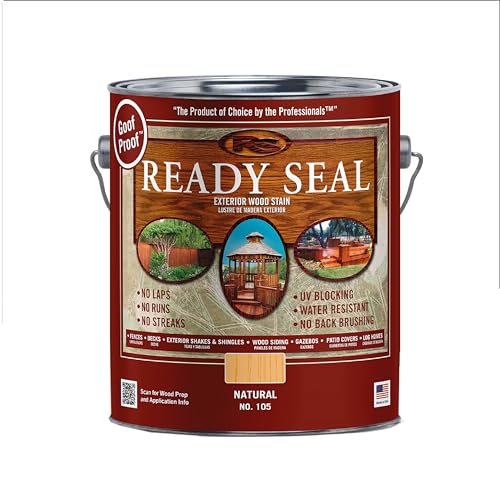
- Exterior stain, sealant, or water-repellent treatment
- Sandpaper for rough spots or raised grain
How do you clean a wooden fence?

Clean the fence before any stain, sealant, or paint goes on. Start by removing surface dirt and cobwebs, then wash away grime and moss with a gentle cleaner or low-pressure rinse. A clean, dry surface helps the coating bond evenly and keeps trapped dirt from weakening the finish.
Brush off debris first
- Walk the fence line and clear cobwebs, leaves, and loose dirt from fence boards and rails.
- Use a soft-bristle brush or dry broom on dry wood so debris comes off before water spreads it around.
- Scrape packed mud or stuck-on residue with a plastic scraper, not a metal blade that can gouge the wood.
Wash dirt, grime, and moss growth
- Mix a wood-safe cleaner with water according to the label.
- Wet one section at a time, then scrub from top to bottom so dirty water runs downward.
- Rinse thoroughly until runoff looks clear.
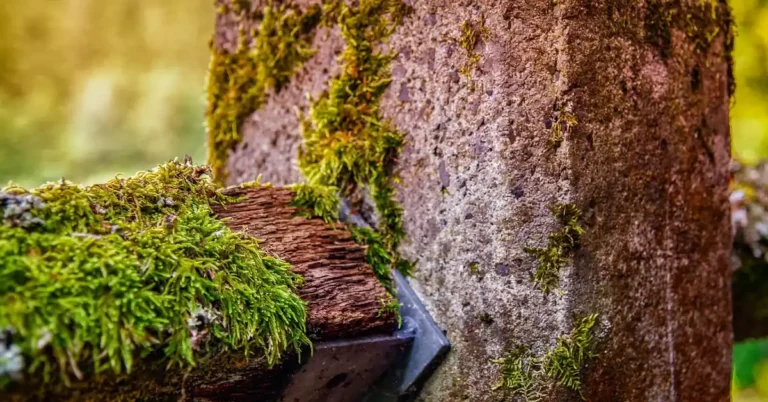
- Remove moss growth from shaded or damp sections, because it signals moisture and neglect.
Use a pressure washer only at low pressure
- Fit a fan nozzle, not a narrow jet tip.
- Hold the wand far enough away to avoid cutting into the grain.
- Use the lightest setting that removes dirt and debris.
- Skip the pressure washer if boards are soft, splintered, or already lifting at the edges.
A common first-timer mistake is blasting one board to “see what happens.” On a 6-foot privacy fence with weathered pine, that can raise the grain or leave stripe marks that show through stain later. Hand-cleaning is better when the fence is already fragile, or when only a few panels need attention.
How do you inspect fence boards and posts?

Inspect the fence after cleaning, while the wood is dry enough for damage to stand out. Check boards, rails, posts, and fasteners for soft spots, split wood, rust, and leaning sections. Failures often start at the bottom edge, where splash-back and trapped moisture can do the most damage.
Check boards, rails, and fasteners
- Look for split boards, cupping, gaps, and loose nails or screws.
- Press lightly on suspect boards to find soft spots or hidden rot.
- Replace fasteners that rusted through or no longer grip firmly.
Look for rot at the bottom edge
- Inspect the bottom rail and lower board ends where water collects.
- Probe dark or swollen areas with a screwdriver tip.
- Repair or replace any section that feels spongy, flakes, or crumbles.
Spot leaning posts and mildew-prone sections
- Step back and check whether the line stays straight from post to post.
- Look closely at shaded sections, fence corners, and spots near irrigation or dripping gutters.
- Tighten or brace loose posts before the lean worsens under wind or wet soil.
Suppose a 20-foot privacy run has one post that tilts only a few degrees after heavy rain. That small lean can pull on adjacent boards, open gaps, and make the next storm worse. Fixing the post now is cheaper than replacing several panels later.
When should you stain or seal the fence?
Stain or seal only after the wood is clean and fully dry. Protective treatment slows moisture entry, and it works best on bare, debris-free wood. For many fences, resealing or restaining every 2 to 3 years is a practical rhythm, but weather exposure and product type can shorten or lengthen that interval.
Let the wood dry fully
- Wait until the surface feels dry to the touch across boards, rails, and post ends.
- Check shaded, lower, and jointed areas again, because they dry last.
- Do not coat damp wood, or the finish can trap moisture and fail early.
Choose the right protective treatment
- Use stain when you want color plus protection.
- Use a clear water-repellent sealant when you want less color change.
- Use paint only if the wood is sound and fully prepared, since paint exposes surface flaws when prep is weak.
Use spot repair before full recoating
- Patch small cracks, reset loose fasteners, and replace isolated boards first.
- Then coat the repaired area so exposed wood does not stay unprotected.
- For broader wear, coat the entire fence so the finish wears evenly.
How often should you clean or reseal a wood fence?
Clean a wooden fence about once or twice a year, then inspect it at the same time. Reseal or restain every 2 to 3 years for many fences, sooner for sun-baked, shaded, or irrigation-hit sections. If the finish beads water poorly or the color looks faded, it is time to reassess the coating.
Seasonal timing matters. In wet weather, moisture sits longer on wood, so cleaning in spring and late summer keeps moss and grime from building up. Before winter, check for loose boards, bottom-edge rot, and any openings around posts, since freeze-thaw cycles can widen those weak points.
Wood fence maintenance checklist
| Fence condition | Recommended cleaning method | Inspection points | Stain or seal now? | When to call for repair |
|---|---|---|---|---|
| New | Brush off dust and debris, then rinse lightly with a hose. | Check fasteners, board alignment, and any gaps from installation. | Yes, if the wood is dry and the product is compatible with fresh lumber. | Call if posts are loose, boards are split, or sections are out of line. |
| Lightly weathered | Wash with a mild cleaner and a soft brush; use low pressure only if needed. | Look for faded finish, surface roughness, and early moss growth. | Usually yes, once the surface dries fully. | Call if the bottom edge is soft or a board rocks under light pressure. |
| Stained | Clean gently to avoid stripping the finish. | Check for worn spots, peeling, and water absorption on exposed areas. | Yes, when water no longer beads or the color looks uneven. | Call if stain failure hides rot, split boards, or loose rails. |
| Damaged | Hand-clean only; avoid pressure washing fragile areas. | Inspect rot at the bottom, leaning posts, split boards, and rusty fasteners. | No, not until repairs and drying are complete. | Call right away for soft posts, structural lean, or widespread rot. |
Common mistakes
Using too much pressure is a fast way to damage wood. A pressure washer can remove dirt and debris, but it can also scar the grain, force water into joints, and loosen fibers if you hold it too close or use the wrong tip. When in doubt, scrub by hand first.
Sealing over dirt or trapped moisture causes finish failure. So does skipping the bottom edge, where rot usually begins, or ignoring loose posts until the fence leans. Prevention is simpler than repair: clean first, let the wood dry, then coat it before winter stress arrives.
Frequently asked questions
How do I clean a wooden fence before staining or painting?
Brush off cobwebs, dust, and loose dirt first, then wash with a wood-safe cleaner and rinse well. Let the fence dry fully before any coating goes on. If the boards still feel damp in shaded spots, wait longer, because stain and paint bond poorly to wet wood.
What is the best way to protect a wooden fence from weather?
A coating that blocks moisture is the main defense. Clean the fence first, then apply stain or sealant to dry wood so the finish can bond. Recheck exposed top edges, bottom boards, and end grain, because those areas take the most weather abuse.
How can I stop a wooden fence from rotting at the bottom?
Keep soil, mulch, and standing water away from the lower boards and post bases. Inspect the bottom edge for soft wood, then repair or replace any section that feels spongy. Good drainage and an intact protective coating reduce the moisture that starts rot.
How do I maintain a wooden privacy fence in wet weather?
Watch for moss growth, darkened boards, and damp bottom rails after rain. Clean off debris, rinse gently, and let the fence dry before coating or repairing it. Pay extra attention to shaded areas, because they stay wet longer and collect mildew sooner.
Can I use a pressure washer on a wooden fence?
Yes, but only with care. Use a fan nozzle and the lowest effective pressure, and keep the wand moving so one spot does not get cut up. Hand-cleaning is better for soft, split, or older boards that could be damaged by spray.
Sponsored / affiliate links. As an Amazon Associate I earn from qualifying purchases. I may earn additional commission from eligible campaigns.