How to Remove a Screw With No Head from Wood: Expert Tips
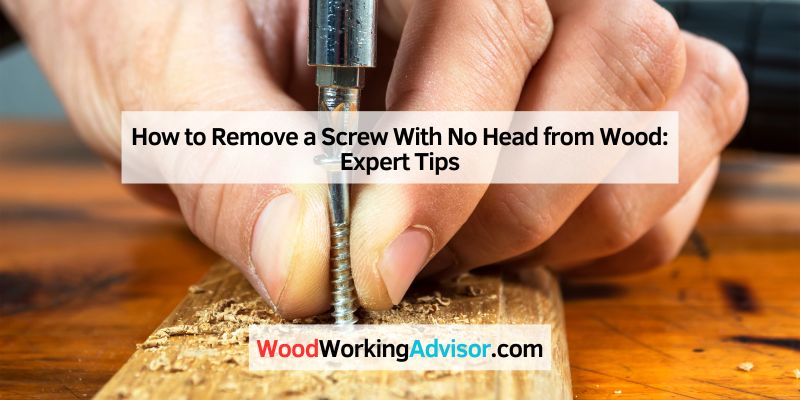
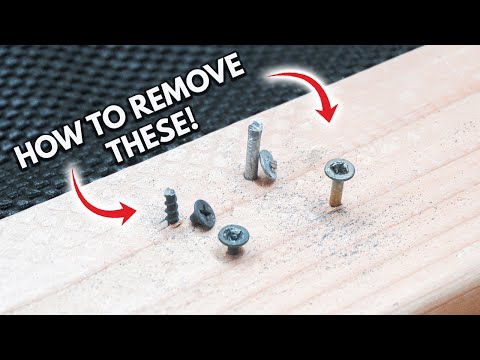
Removing a screw with no head from wood can be tricky. But it’s not impossible.
Sometimes screws break, leaving no head to grip. This can happen when the screw is old or the wood is tough. You might think the screw is stuck forever. But don’t worry. With the right tools and a bit of patience, you can get it out.
In this guide, we will show you simple methods to remove a headless screw from wood. These tips will save your project and your sanity. So, let’s get started and make that stuck screw a problem of the past.
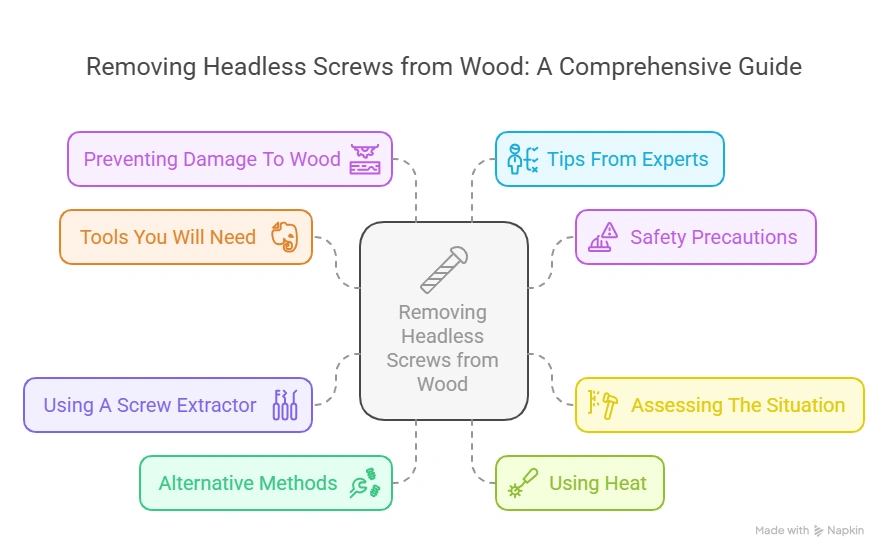
Tools You Will Need
A pair of pliers, a drill, and a screw extractor are essential for removing a screw with no head from wood. These tools help grip, drill into, and extract the screw efficiently.
Essential Tools
A few tools can help you. You need a pair of pliers to grip the screw. A drill with a small bit can also be useful. You might need a flathead screwdriver to create a slot. A hammer can help if the screw is stuck. A nail punch can help push the screw out. These tools are easy to find.
Optional Tools
Some extra tools can make the job easier. A rubber band can help if the screw is slippery. Lubricant like WD-40 can help loosen the screw. A small chisel can also be useful. Sometimes, a magnet can help if the screw is metal. These tools are not always needed. But they can make the job simpler.
Credit: www.youtube.com
Safety Precautions
Before attempting to remove a screw with no head from wood, ensure you wear safety goggles and gloves. Proper lighting and tools are essential to prevent injury and ensure success.
Protective Gear
Always wear protective gloves to keep your hands safe. Safety goggles are important to protect your eyes. Dust can fly into your eyes. Ear protection helps reduce noise. Comfortable clothing is key. Loose clothes can get caught. Sturdy shoes protect your feet from injury.
Work Area Safety
Keep the work area clean. Remove clutter to avoid tripping. Make sure there is good lighting. Poor light can cause mistakes. Ventilation is important. It keeps the air fresh and safe. Tools should be organized and easy to reach. Keep kids and pets away from the work area.
Assessing The Situation
Screw Type: It’s important to know what screw you are dealing with. Different screws need different tools. Some screws are easy to remove. Others are harder. Check if the screw is rusty or clean. Rusty screws are tougher. Clean screws are easier.
Wood Condition: The wood matters too. Soft wood can break. Hard wood is strong. Look for cracks or damage. Damaged wood is risky. Healthy wood is safer. Make sure the wood is stable. Loose wood can cause trouble. Secure wood helps you work better.
Using A Screw Extractor
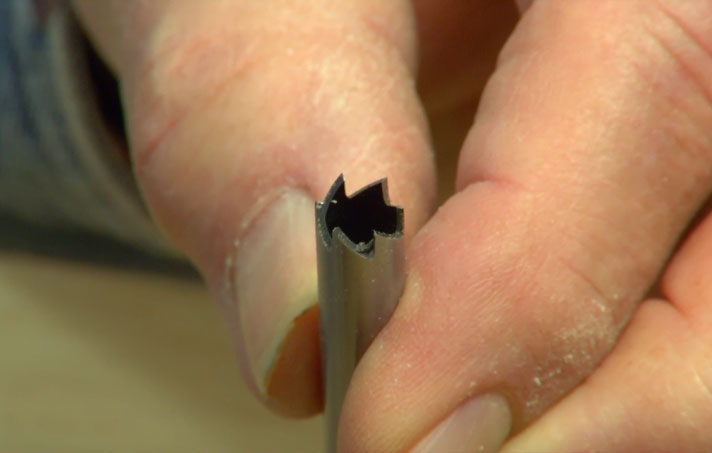
Pick an extractor that fits the screw size. Many extractors come in sets. Each set has different sizes. Look at the screw and match it with an extractor. Make sure it is not too big or too small. A good fit is very important. A bad fit can damage the wood.
First, drill a hole in the screw. Use a drill bit smaller than the screw. Next, insert the extractor into the hole. Turn the extractor counterclockwise. Apply firm pressure. The screw should start to move. Continue turning until the screw is out. Be patient. This process can take time.
Alternative Methods
Use a pair of strong pliers. Grip the screw tightly. Turn the pliers slowly. Try to pull the screw out. If it is stuck, wiggle the pliers. This may loosen the screw. Be careful not to damage the wood.
Get a small drill bit. Place the bit on the screw. Drill slowly into the screw. Make a small hole. Use a larger drill bit. Drill into the small hole. The screw should come out. If not, use pliers to pull it out. This method works well for most screws.
Using Heat
Heat can help loosen screws stuck in wood. Use heat if the screw is rusty or glued in place. It works well for old screws. Heat also helps if the wood is hard.
Use a small blowtorch or a soldering iron. Apply heat to the screw for 1-2 minutes. Be careful not to burn the wood. Keep the heat source moving. Test the screw with pliers after heating. Repeat if needed.
Preventing Damage To Wood
Removing a screw with no head from wood can be tricky. Using gentle techniques helps prevent damage. First, try using a rubber band. Place it over the screw. This gives the screwdriver more grip. Twist slowly and carefully. If the screw still doesn’t move, try using pliers. Grip the screw firmly. Turn it gently to loosen it.
If these methods don’t work, consider using a screw extractor. This tool is designed for screws with no heads. Drill a small hole into the screw. Insert the extractor and turn. The screw should come out easily.
Filling Holes
After removing the screw, fill the hole. Use wood filler for this job. Apply it with a small spatula. Let it dry completely. Sand the area smooth. This prepares the wood for painting or staining. It also makes the wood look neat and clean.
Credit: www.ronhazelton.com
Tips From Experts
Experts share practical tips on how to remove a screw with no head from wood. Use pliers to grip and twist it out. Also, a rubber band can provide extra grip for stubborn screws.
Common Mistakes
Using the wrong tools can damage the wood. Many try to force the screw out. This can make it worse. Not using proper safety gear is also a big mistake. Always wear gloves and goggles. Rushing the process often leads to more problems. Take your time. Ignoring the type of wood can cause damage. Different woods need different methods.
Pro Tips
Use pliers to grip the screw. Apply gentle heat with a soldering iron. This expands the metal. Try using a screw extractor kit. They are easy to find. If the screw is deep, drill a small hole next to it. Then use a thin nail to push it out. Lubricants like oil can help loosen stuck screws. Patience is key. Work slowly and carefully.

Credit: daitool.com
Frequently Asked Questions
How Do You Remove A Headless Screw From Wood?
Use pliers to grip the screw and twist it out. For stubborn screws, create a slot with a rotary tool and use a flathead screwdriver.
How To Remove A Stuck Screw Without A Head?
Use a rubber band for grip. Try needle-nose pliers or vice grips to twist it out. Apply penetrating oil to loosen rust.
How To Remove A Screw With A Bald Head?
Use pliers or a rubber band for grip. Try a screw extractor kit. Drill a small hole for better traction.
How To Remove A Faceless Screw?
Use a rubber band for grip, then turn the screw with a screwdriver. Alternatively, use pliers or a screw extractor tool.
Conclusion
Removing a screw with no head from wood can be tricky. Use the right tools and techniques. Start with pliers or an extractor kit. Try different methods if one doesn’t work. Patience is key; avoid rushing. Always protect the wood surface.
Practice makes perfect. Follow these steps, and you’ll succeed. Fixing wood issues becomes easier with experience. You can handle screw problems confidently. Happy woodworking!