How to Remove Black Urine Stains from Wood Floors: Expert Tips
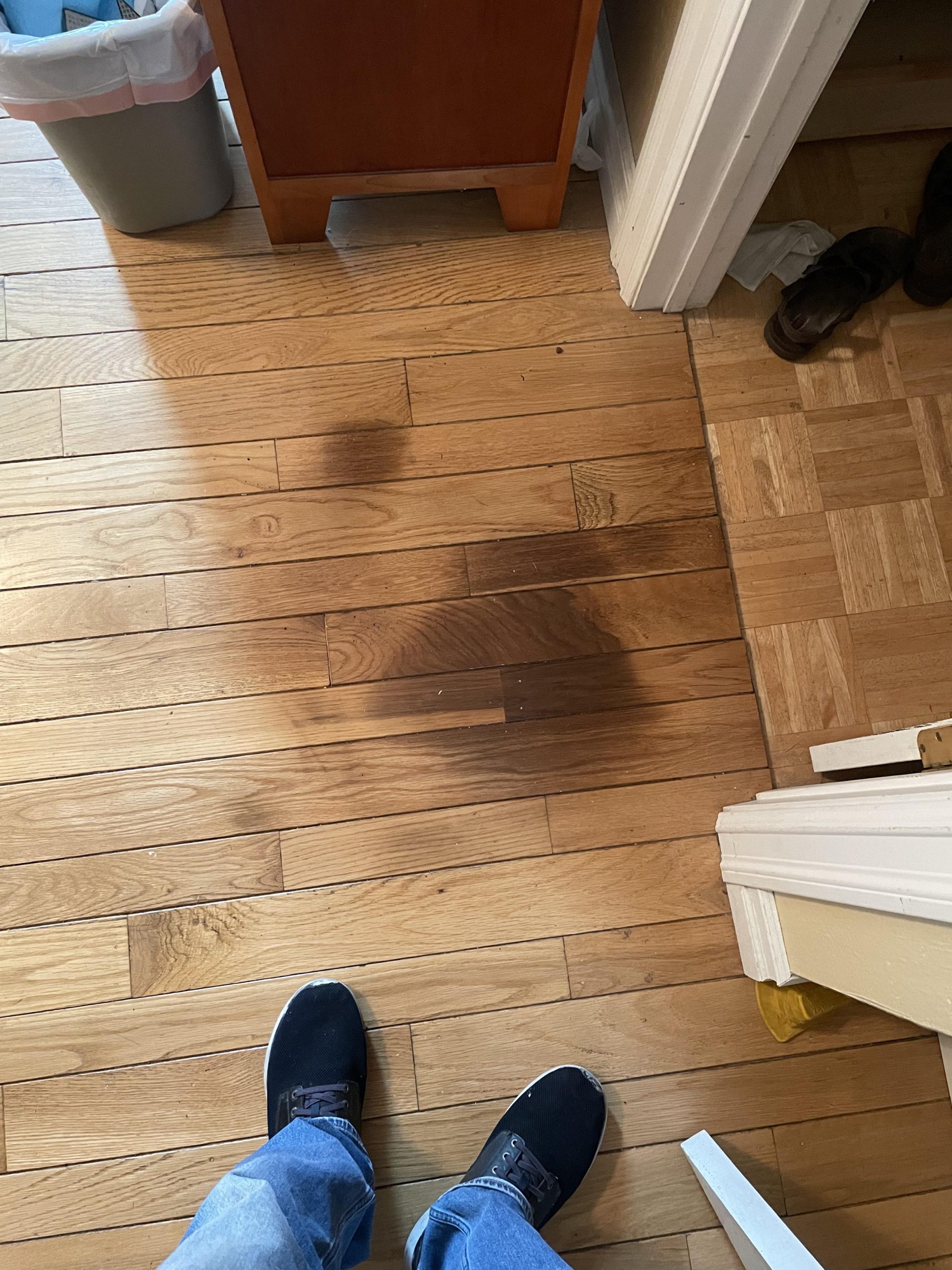
Imagine walking into your living room, expecting the warm and inviting glow of your beautiful wood floors, only to be greeted by unsightly black urine stains. It’s frustrating, isn’t it?
You’ve tried everything, but those stubborn stains just won’t budge. Don’t worry; you’re not alone. Many homeowners face this challenge, and the good news is, there’s a solution. In this guide, you’ll discover simple, effective methods to restore your wood floors to their former glory.
Say goodbye to those pesky stains and hello to a floor that looks as good as new. Ready to learn the secrets to a spotless floor? Let’s dive in and tackle those stains together!
Causes Of Black Urine Stains
Pets can cause stainson wood floors. Their urine is strong. It has a lot of chemicals. These chemicals can damage wood. Black stainsappear when urine stays too long. Quick cleaning is important. Use water and mild soap. Wipe the area fast. This helps prevent black marks.
Moisture and humidityaffect wood floors. Wood absorbs water. This can cause dark spots. High humidity makes it worse. Keep floors dry. Use fans or dehumidifiers. Check for leaks often. Fix any water issues quickly. This stops black stains from forming.
Credit: www.youtube.com
Assessing The Damage
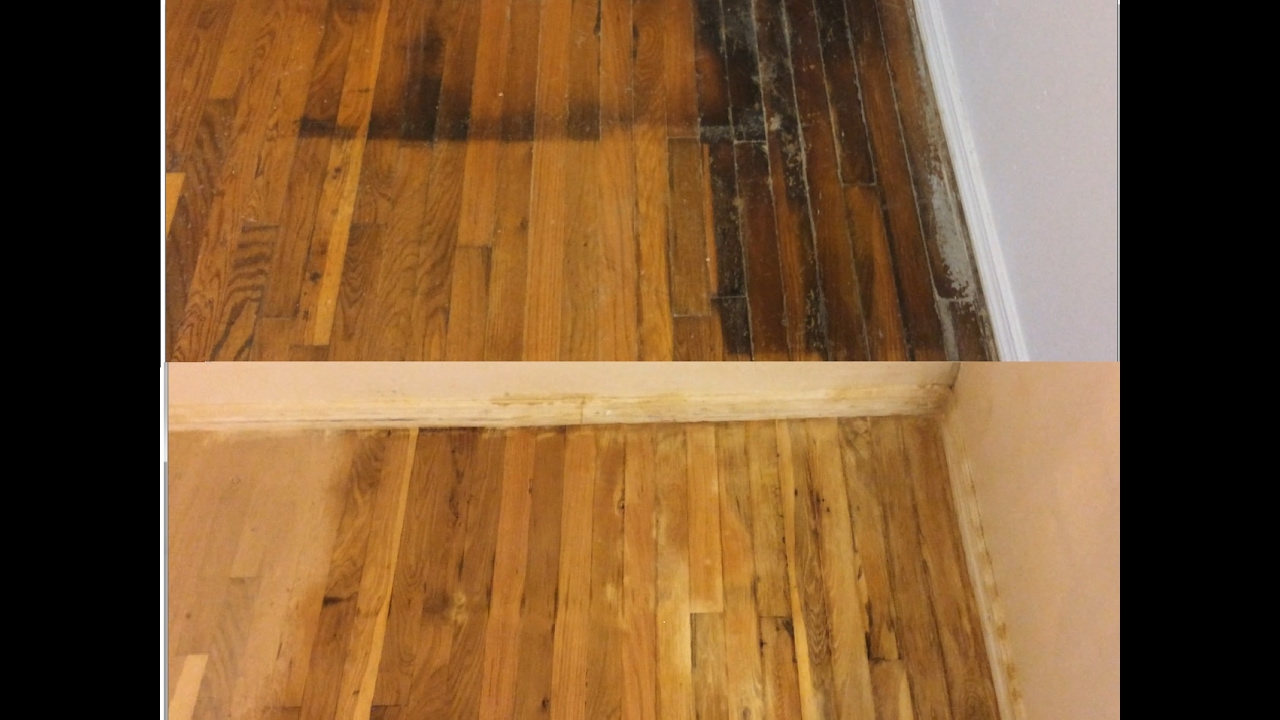
Black urine stains on wood floors can be tricky. First, check how deep the stain is. Light stains may be easier to clean. Dark stains might need more work. Feel the wood surface. Is it rough or smooth? Smooth surfaces are usually less damaged.
Look closely at the stain’s size. Large stains need more attention. Small stains might be less severe. Use a flashlight to see better. Find out how old the stain is. Fresh stains are easier to manage. Older stains may have set deeper.
Check for other problems around the stain. Are there scratches or dents nearby? Scratches can hold dirt and make stains harder to clean. Dents may hide more damage under the surface.
Inspect the wood color. Is it faded or discolored? Fading might suggest more damage. Discoloration could mean water damage. Smell the area for any musty odor. A bad smell can indicate moisture problems.
Preparation For Cleaning
Getting ready to tackle black urine stains on wood floors involves gathering essential supplies. Start with a mild detergent, white vinegar, and a soft cloth. These items help lift stains gently without damaging the wood. Ensure the area is well-ventilated for safety and effectiveness.
Gathering Supplies
Start by collecting all necessary items. You will need a bucket, soft cloth, and cleaning solution. A sponge and gloves will also help. Make sure to have a mask if the cleaner has strong fumes.
Gather baking soda and white vinegar too. They are great for stain removal. Paper towels will be useful for drying. Having all these supplies ready makes cleaning easier.
Safety Precautions
Protect your hands with gloves. Some cleaners can irritate the skin. Wear a mask to avoid strong smells. Keep the room well-ventilated by opening windows. This helps to reduce fumes. Make sure kids and pets are not around.
Read labels on cleaning products. Follow instructions for safe use. Always store cleaners out of reach of children. Safety is important when cleaning stains.

Credit: www.youtube.com
Natural Cleaning Solutions
Discover natural methods to eliminate black urine stains from wood floors. Vinegar and baking soda create a powerful cleaning paste. Gently scrub the stain, rinse with water, and dry thoroughly for refreshed floors.
Using Vinegar And Baking Soda
Mix vinegar and baking soda to make a paste. Spread this paste on the stain. Let it sit for a few minutes. Gently scrub with a soft cloth. Rinse the area with warm water. Dry with a clean towel. This helps to remove the stain and smell.
Lemon Juice And Essential Oils
Squeeze lemon juice into a bowl. Add a few drops of essential oils. Use a cloth to apply the mixture on the stain. Leave it for 10 minutes. Wipe with a damp cloth. The lemon juice helps to clean. Essential oils make the floor smell good.
Commercial Cleaning Products
Enzyme-based cleanersare very effective for urine stains. These cleaners break down the stain. They also remove bad smells. Read labels carefully. Choose a cleaner made for wood floors. Test a small spot first. Ensure it does not harm the wood.
Cleaning products made for wood floors work well too. They are safe for wood. These products often have special oils. Oils protect wood and keep it shiny. Follow instructions on the package. Use a soft cloth to apply. Do not use too much water. Water can damage wood.
Step-by-step Cleaning Process
Use a soft brush to clean the stain. Pour warm water on the area. Scrub gently to loosen dirt. Apply a mild detergent if needed. Rinse with clean water. Let it dry completely. Repeat if the stain persists. Be careful not to damage the wood. Avoid using harsh chemicals. They can harm the floor.
Mix baking soda with water to form a paste. Apply it to the stain. Let it sit for 20 minutes. Scrub gently with a soft brush. Rinse with clean water. Use white vinegar for stubborn stains. Pour vinegar on the stain. Let it soak for 10 minutes. Scrub and rinse. Dry thoroughly with a towel. Ensure no moisture remains.
Preventing Future Stains
Eliminate black urine stains from wood floors by using gentle cleaning solutions and protective finishes. Regular cleaning and immediate spill response help maintain the floor’s appearance. Choose products designed for wood care to prevent future damage and ensure a long-lasting shine.
Regular Maintenance Tips
Wood floors need regular care to stay clean. Sweep floors daily to remove dirt. Mop weekly with gentle cleaner. Avoid too much water; it can harm wood. Dry floors with soft cloth after mopping. Check for scratches and fix them quickly. Use felt pads under furniture legs. This prevents scratches and damage. Inspect floors every month for signs of wear. Early fixes stop big problems later.
Protective Measures For Pets
Pets can cause stains and scratches. Trim pet nails regularly. Long nails can scratch wood floors. Place rugs in areas where pets spend time. Rugs catch dirt and spills. Train pets to use pee pads or litter boxes. This prevents urine stains. Clean any mess right away. Quick cleaning stops stains from setting. Consider pet-friendly flooring in rooms pets use most. This reduces damage and keeps floors nice.

Credit: www.pinterest.com
When To Seek Professional Help
Signs of Severe Damageinclude deep stains or color changes on your floor. If the wood feels soft or breaks easily, it might be damaged. Water or urine can cause warping. Warped wood looks uneven or bent. Strong, musty odors mean deep problems too. These issues often need expert care. Regular cleaning might not fix them.
Choosing a Wood Floor Specialistrequires some research. First, check reviews online. Read what others say about their work. Ask friends if they know a good specialist. Look for someone with experience in wood floors. Specialists with good reviews are a safe bet. Compare prices before choosing. Make sure they offer a fair deal. Trust your instincts. If someone seems untrustworthy, find another. Your wood floors are important. Choose someone who will care for them well.
Frequently Asked Questions
How To Get Black Pee Stains Out Of Wood?
Clean black pee stains from wood using a mixture of vinegar and baking soda. Gently scrub the area. Rinse with water and dry thoroughly. For stubborn stains, sand lightly and apply wood polish to restore shine.
How Do You Fix Urine Damaged Hardwood Floors?
Clean the affected area with a mixture of vinegar and water. Sand the damaged section to remove stains. Apply a hardwood floor cleaner and let it dry. Refinish with a matching wood stain and sealant. Consider replacing severely damaged boards.
Why Does Urine Turn Wood Black?
Urine turns wood black due to its high ammonia content. Ammonia reacts with tannins in wood, causing discoloration. This chemical reaction leads to the darkening effect, which is more pronounced in tannin-rich woods like oak and walnut. Regular cleaning can prevent this staining.
How Do I Get Black Stains Out Of Hardwood Floors?
Remove black stains from hardwood floors by applying a vinegar and baking soda paste. Scrub gently with a soft brush, then wipe clean with a damp cloth. Dry thoroughly to prevent moisture damage. Regular maintenance and prompt cleaning can help prevent stains from setting in.
Conclusion
Restoring wood floors from black urine stains is achievable with patience. Start by cleaning the area with gentle solutions. Vinegar and baking soda can help neutralize odors. Sanding may be required for deep stains. Always test products on a small area first.
Prevent future stains by using pet-friendly solutions and protective mats. Regular maintenance keeps floors looking fresh. With these steps, your wood floors can shine again. Remember, consistency is key in keeping your floors beautiful.