Krylon Wood Stain: Colors, Real Drying Time, and How to Spray It Right
Most “wood stain” articles online treat Krylon like a generic brand name for any wood finish. It isn’t. Krylon actually sells one specific product for wood: Exterior Semi-Transparent Wood Stain, an oil-based stain that comes out of an aerosol can instead of a bucket. That single detail changes almost everything about how you should use it, from the distance you hold the can to why the drying time on the label rarely matches what happens in your driveway.
What Krylon Wood Stain Actually Is
Krylon markets this as the first exterior wood stain sold in a spray can, and that claim checks out. It is an oil-based, semi-transparent stain built for outdoor wood: decks, fences, picnic tables, planters, and outdoor furniture. Each 12 oz can covers roughly 20 to 25 square feet depending on how porous the wood is, and it is formulated with UV inhibitors and a water-repellent additive rather than being a plain dye. Because it is oil-based, cleanup takes mineral spirits, not soap and water.
Best Spray-Can Exterior Wood Stain
 |
Krylon Exterior Semi-Transparent Wood Stain (Redwood, 12 oz) – $40.70 This is the exact spray-can stain this guide covers, in the most popular Redwood shade for decks, fences, and outdoor furniture.
|
The Real Color Lineup
A lot of pages guessing at Krylon’s color names invent shades like “Espresso” or “Weathered Gray” that Krylon doesn’t actually sell in this line. The real lineup is smaller and more specific to exterior wood tones:
| Color | What It Looks Like | Best For |
|---|---|---|
| Redwood | Warm reddish-orange, close to natural redwood or cedar | Decks, fences, and furniture built from cedar or pine |
| Rustic Brown | Medium warm brown | General-purpose decking and outdoor furniture |
| Olive Grove | Muted olive-brown | Garden structures, planters, trellises |
| Clear / Semi-Clear | Little to no color change | Adding UV and water protection without altering the wood’s natural look |
If you want a specific color that isn’t listed above, you’re looking at a different Krylon product or a different brand entirely, not a shade in this line.
Preparing The Wood First
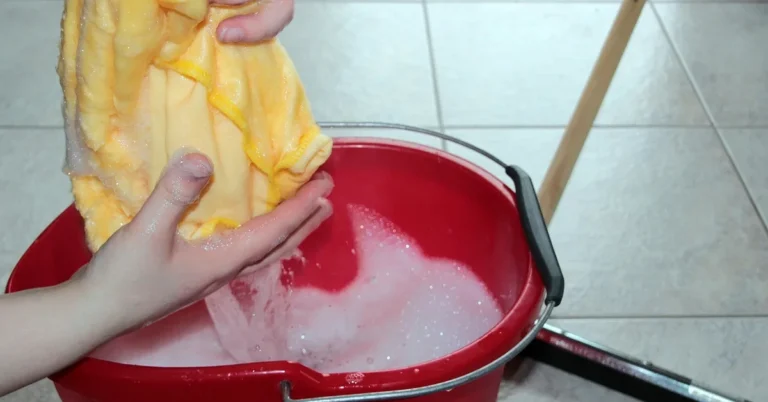
Spray stain does not fix a dirty or already-sealed surface, it just highlights it. Clean the wood and let it dry fully before you shake the can. If you’re restaining something that was previously finished, do a quick water-drop test first: flick a few drops of water onto the surface. If the water soaks in within a minute or two, the wood will accept the stain. If it beads up, there’s an old sealer or finish still on the surface and you need to sand it back before spraying, or the new stain will sit on top and peel.
On bare or previously stained wood, a light pass with 120-grit sandpaper followed by 220-grit opens the grain enough for the stain to penetrate evenly. Always sand and spray in the direction of the wood grain, not across it, cross-grain scratches and spray lines both show up more once the stain is on.
Application Technique: What Actually Prevents Blotches
A spray can behaves nothing like a brush or a wipe-on rag, and most of the drip and blotch complaints in Krylon’s own product reviews trace back to treating it like one. A brush deposits stain right where you put it. A spray can lays down a mist that fans out, so distance and speed control how much stain actually lands on the wood.
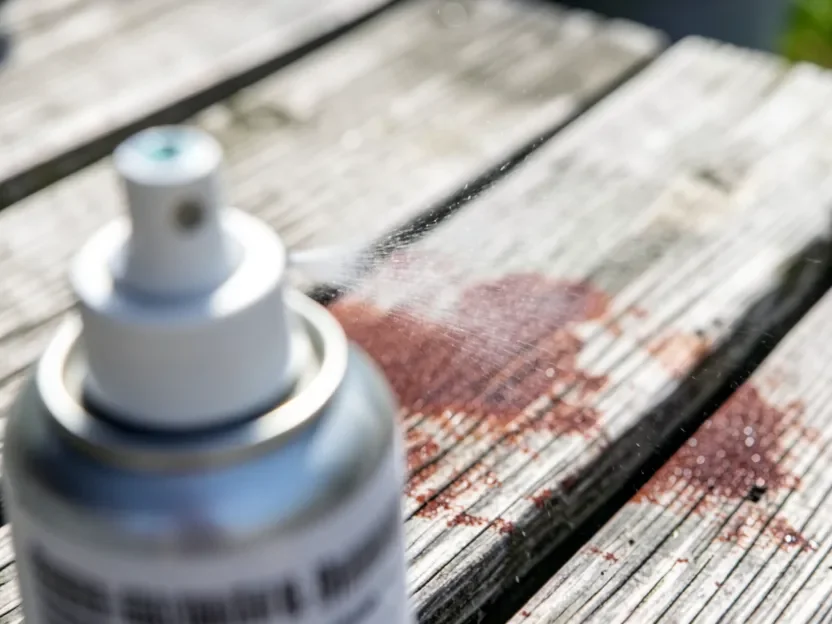
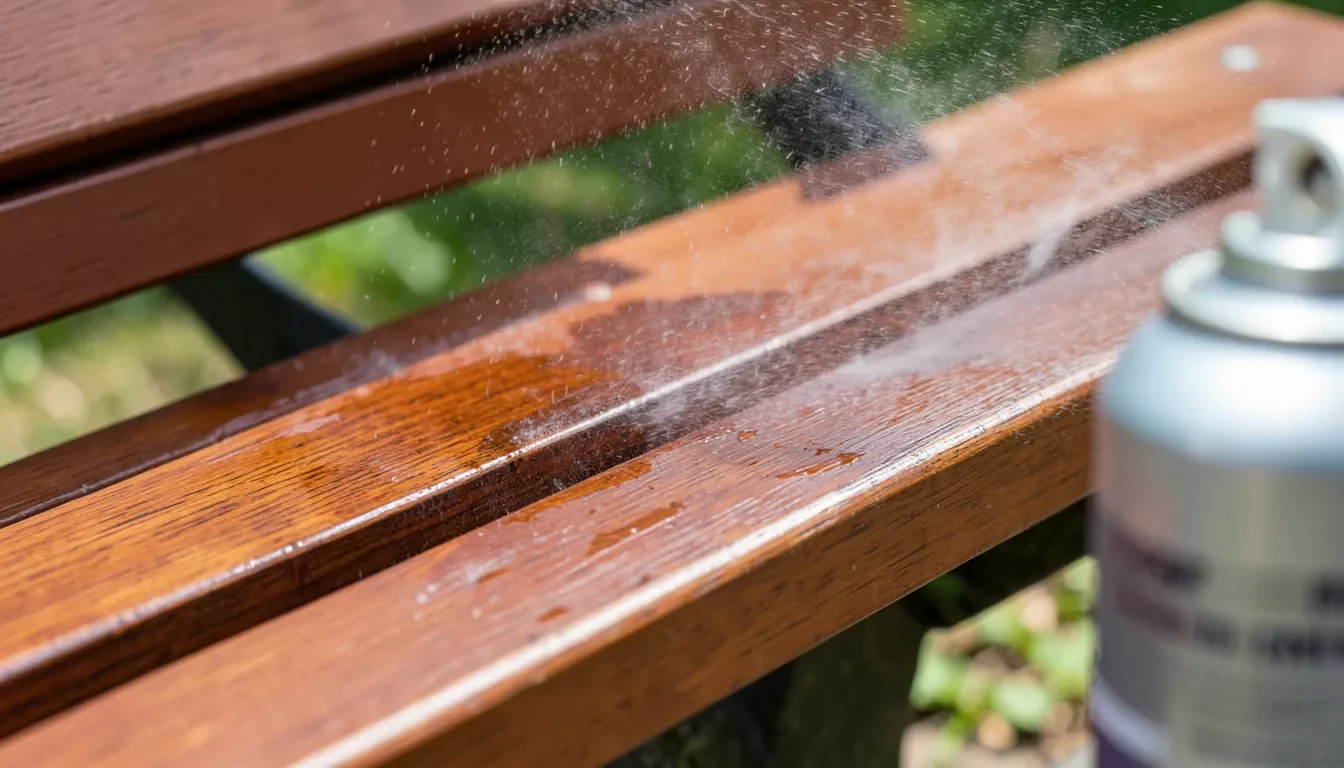
- Hold the can about 12 inches from the surface. Closer than that and the stain comes out wet enough to run; farther away and too much of it drifts off as overspray instead of landing on the wood.
- Keep the can moving. A pass that pauses in one spot is exactly how you get a dark blotch surrounded by a lighter halo.
- Apply thin coats, not one heavy one. This is the same principle as spray paint: two or three light passes build even color without pooling, one heavy pass almost always drips at the edges and corners.
- Wait roughly 15 minutes between coats if you want to build up a deeper color, so each layer has a chance to set before the next one goes on.
- Work with the grain and with the wind at your back outdoors, both to keep the spray pattern even and to keep overspray off your siding, plants, or car.
Ventilation matters more with a spray than with a wipe-on stain, since you’re putting a fine aerosol mist into the air instead of a controlled amount on a rag. Work outdoors or in a well-ventilated garage with the door open, and wear a respirator rated for organic vapors, not just a dust mask, since this is a solvent-based product.
The Drying Time Krylon Advertises vs. What Actually Happens
Krylon’s label says dry to the touch in 15 minutes and dry to handle in 24 hours. That number comes from ideal lab conditions: 50 to 85°F and humidity under 85%. In practice, verified buyer reviews on the product listing tell a more honest story. Multiple reviewers report the finish was still soft enough to mark with a fingernail well past the 15-minute mark, with full handling closer to 15+ hours and a full cure closer to 48 hours, especially in humid or cooler weather. That’s not a defect, it’s the same gap you see with most solvent-based wood stains: the label states best-case drying under lab conditions, and your garage or backyard is rarely a lab.
| Stage | Label Claim | What Reviewers Report in Practice |
|---|---|---|
| Dry to touch | 15 minutes | Often several hours in cooler or humid conditions |
| Safe to handle | 24 hours | Some reviewers report waiting closer to 15+ hours minimum before it stops marking under a fingernail |
| Full cure | Not stated on label | Roughly 48 hours in warm, dry, sunny conditions per buyer reports |
The practical takeaway: plan a full weekend for a stained bench or table you actually intend to sit on, don’t schedule it the night before you need the furniture back in use.
Where It Falls Short
Two limitations are worth knowing before you buy a can. First, reviewers and Krylon’s own application notes point out that the stain doesn’t cure well over knots, resin pockets in the wood can keep the finish tacky there long after the rest of the piece is dry. If you’re staining something that people or pets will be in regular contact with, like a picnic table or a bench, inspect any knots closely before putting it back into use. Second, this is a Proposition 65-labeled product due to chemicals in the aerosol propellant and solvent, so it’s worth spraying outdoors or in ventilated space rather than an enclosed room regardless of what the weather is doing.
Maintenance And Reapplication
Because it’s a semi-transparent exterior stain rather than a film-forming paint, it wears the way most exterior stains do: gradually, through UV exposure and foot traffic, not by peeling in sheets. Watch for these signs that it’s time to redo a section:
- The color has visibly faded, especially on surfaces that get direct afternoon sun.
- Water no longer beads on the surface, a sign the water-repellent layer has worn through.
- Scratches or foot-traffic areas show bare or lightened wood.
Most exterior deck stains, this one included, need a fresh coat every 1 to 3 years outdoors depending on sun exposure, so check high-traffic or south-facing surfaces yearly. When it’s time to redo a section, a light sanding pass and a repeat of the water-drop test above will tell you if the old coat needs to come off first.
Frequently Asked Questions
What is Krylon Wood Stain?
Krylon Wood Stain refers to Krylon’s Exterior Semi-Transparent Wood Stain, an oil-based, aerosol-can wood stain built for outdoor surfaces like decks, fences, and furniture. It comes in four shades (Redwood, Rustic Brown, Olive Grove, and Clear/Semi-Clear) and adds UV and water resistance along with color.
How do you apply Krylon Wood Stain correctly?
Clean and, if needed, sand the wood first. Hold the can about 12 inches from the surface and apply thin, even coats while keeping the can moving, waiting about 15 minutes between coats. Spraying too close, holding the can still, or applying one heavy coat instead of several thin ones is what causes the drips and blotches most complaints are about.
How long does Krylon Wood Stain actually take to dry?
The label claims dry to touch in 15 minutes and dry to handle in 24 hours under 50-85°F and under 85% humidity. In practice, verified buyer reviews commonly report longer real-world times, sometimes 15 or more hours before the surface stops marking, and roughly 48 hours for a full cure. Cooler or more humid conditions slow this down further.
Does Krylon Wood Stain work on knots or previously finished wood?
It can be inconsistent over knots, which may stay tacky longer than the surrounding wood, so inspect them before regular use. On previously stained or sealed wood, run a quick water-drop test: if water soaks in, the stain will penetrate; if it beads up, sand the old finish back first or the new coat won’t bond properly.
Conclusion
Krylon’s Exterior Semi-Transparent Wood Stain earns its “first stain in a spray can” claim, and for a quick recoat on a fence or a small piece of outdoor furniture, that convenience is real. Just go in with accurate expectations: four real colors, not a dozen invented ones, a drying time that runs longer in practice than the can promises, and a technique (thin coats, steady distance, keep it moving) that matters more with a sprayer than it ever did with a brush.
Sponsored / affiliate links. As an Amazon Associate I earn from qualifying purchases. I may earn additional commission from eligible campaigns.