Can You Sand off Dried Citristrip: Expert Tips and Techniques
Yes, but sanding is genuinely the least efficient way to deal with dried Citristrip – the gel clogs sandpaper almost immediately. Re-wetting the dried residue with more Citristrip (or mineral spirits) and scraping it off while soft works faster and uses far less sandpaper. Sanding is the right call only for thin, stubborn traces left after scraping, not as the primary removal method.
Check For Lead Paint Before You Sand Anything
Best Sander For This Job
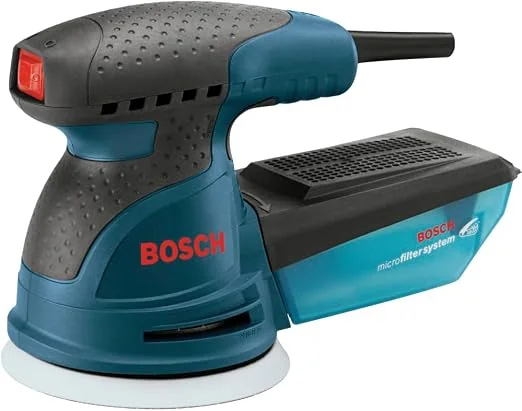 |
Bosch ROS20VSC Random Orbital Sander – $99.00 Built-in dust collector matters here – it pulls stripper/sanding dust away from the air you’re breathing instead of just spreading it.
|
This is the step most Citristrip guides skip entirely, and it matters more than the removal technique itself. If the piece you’re stripping is older and was painted before 1978, any sanding – power or hand – can put lead dust into the air, which is a genuine health hazard, especially for children and pregnant people.
- Use an inexpensive lead test swab (widely available at hardware stores) on the paint layer before sanding anything on furniture or trim that could predate 1978.
- If lead is present, sanding is not the safe removal method – that job calls for a wet-scraping approach and, for serious cases, an EPA RRP-certified contractor.
- If the test is negative, or the piece is newer, sanding dried Citristrip residue with normal precautions (dust mask, ventilation) is fine.
Method 1: Re-Wet And Scrape (Try This First)
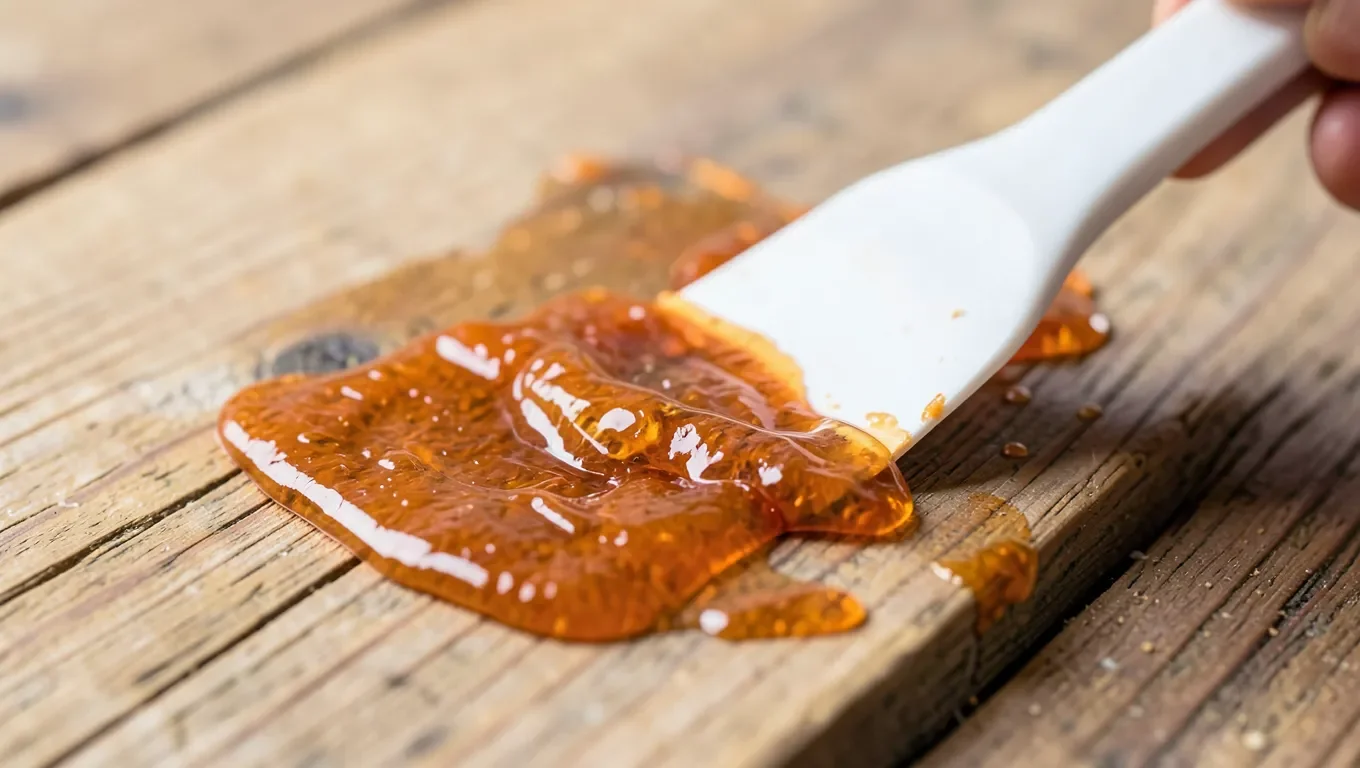
- Apply a fresh, thin layer of Citristrip (or mineral spirits) over the dried residue and let it sit for the time on the product label – this reactivates the dried gel instead of fighting it dry.
- Scrape with a plastic scraper, working with the grain. Plastic won’t scratch the wood the way a metal scraper can.
- Wipe away the softened residue with a rag, and repeat on any thick spots.
- This is faster and uses far less sandpaper than sanding dried residue cold – most of the “sanding clogs constantly” frustration in DIY forums comes from skipping this step.
Method 2: Sanding (For Thin Residue Or Final Cleanup)
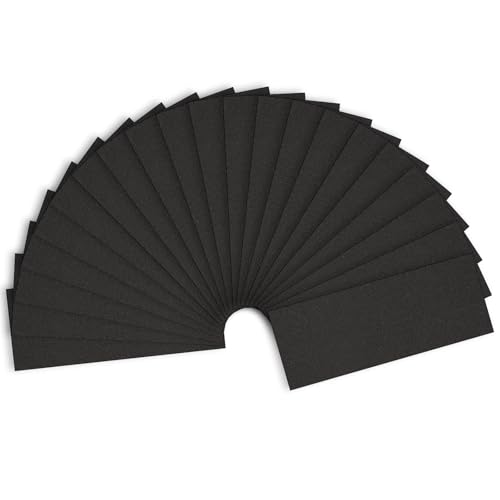
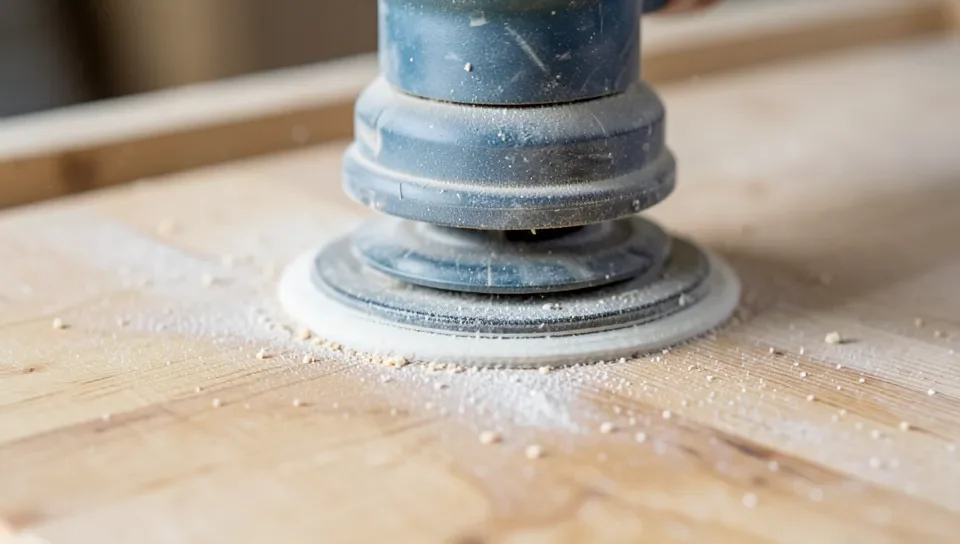
- Start with a coarser grit (100-120) only if there’s still real residue after scraping – jumping straight to fine grit on thick residue just clogs the paper fast.
- Switch to 150-220 grit for the final smoothing pass once the bulk of the residue is gone.
- Work in small sections and change sandpaper often – clogged paper stops cutting and just smears residue around instead of removing it.
- A random orbital sander (see pick above) clears residue significantly faster than hand-sanding and is worth it for anything larger than a small trim piece.
Safety While Sanding Or Scraping Citristrip Residue
- Wear gloves, safety goggles, and a dust mask (or respirator if sanding extensively) – even after stripper has dried, residue and dust can still irritate skin, eyes, and lungs.
- Work in a well-ventilated area, ideally outdoors or with a fan drawing air out.
- Collect and bag sanding dust, and dispose of it according to local regulations rather than sweeping it loose.
Frequently Asked Questions
Can You Sand Off Dried Citristrip?
Yes, but it’s genuinely the least efficient method – dried gel clogs sandpaper fast. Re-wetting the residue with more Citristrip or mineral spirits and scraping it off soft works faster; save sanding for thin residue or the final smoothing pass.
What Grit Sandpaper For Dried Citristrip?
Start around 100-120 grit only if real residue remains after scraping, then finish with 150-220 grit. Jumping straight to fine grit on thick residue just clogs the paper without removing much.
How Do You Remove Citristrip Residue Without Sanding?
Apply a fresh thin layer of Citristrip or mineral spirits over the dried residue, let it sit per the label, then scrape with a plastic scraper. This reactivates the dried gel and is faster than sanding it cold.
Do I Need To Check For Lead Paint Before Sanding Citristrip Residue?
Yes, if the piece predates 1978 or its paint history is unknown. Sanding lead paint puts hazardous dust in the air. Test with an inexpensive lead swab first – if positive, wet-scraping (not sanding) is the safe method, and serious cases warrant an EPA RRP-certified contractor.
Conclusion
Dried Citristrip does sand off, but re-wetting and scraping first is the faster, more effective approach – save sanding for thin residue or the final smoothing pass. And on any older painted piece, check for lead before sanding anything; that step matters more than which grit you reach for.
Sponsored / affiliate links. As an Amazon Associate I earn from qualifying purchases. I may earn additional commission from eligible campaigns.