How to Remove Glued Hardwood Flooring: Quick Tips!
To remove glued hardwood flooring, start by scoring the seams with a utility knife. Use a floor scraper or pry bar to lift the boards gently.
Removing glued hardwood flooring can be a challenging task, but with the right approach, it becomes manageable. The adhesive bond can be quite strong, requiring careful techniques to avoid damaging the subfloor. Begin by assessing the type of glue used; this can influence the removal method.
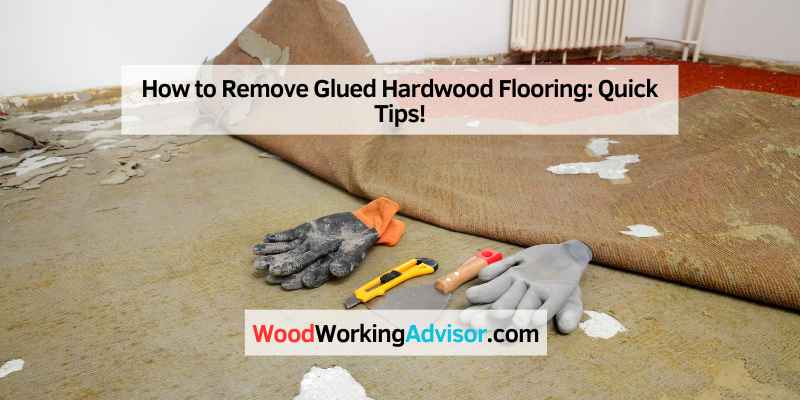
Tools like utility knives, floor scrapers, and heat guns can be essential for this process. Working in small sections and maintaining patience will yield the best results. Whether you’re renovating or replacing flooring, understanding the correct steps makes the job smoother and more efficient.
Preparation Steps
Wearing protective gear is crucial. Use safety goggles to protect your eyes. Gloves will keep your hands safe from sharp edges. A dust mask helps to avoid inhaling dust.
Clear the area before starting. Remove all furniture and objects from the floor. This will make the job easier and safer. Sweep the floor to eliminate dust and debris. A clean space ensures better visibility while working.
Check for any loose boards or damaged areas. Fix these problems before removing the glued flooring. It will prevent accidents and make the process smoother.
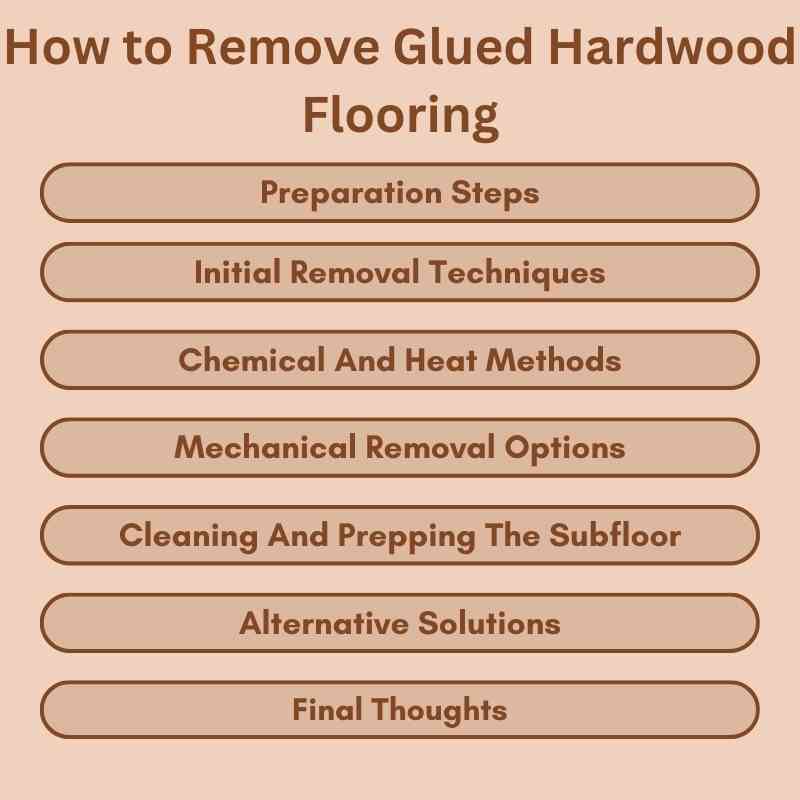
Initial Removal Techniques
Begin by scoring the seams between the boards. Use a utility knife for this task. This helps to break the adhesive bond effectively. Make sure to score deep enough to penetrate the glue.
After scoring, use a floor scraper or a pry bar. Gently lift the hardwood flooring. Work in small sections to avoid damage. Be careful not to harm the subfloor underneath.
For tougher adhesive, consider using a heat gun. This tool softens the glue, making it easier to scrape away. Always wear safety gear to protect yourself during this process.
Chemical And Heat Methods
Applying adhesive removers is a great way to tackle glued hardwood flooring. Choose a remover designed for your specific adhesive type. Follow the manufacturer’s instructions carefully for best results. Apply the remover to a small area, allowing it to penetrate the glue. After a few minutes, use a scraper to gently lift the flooring.
Utilizing a heat gun can also be effective. Set the gun to a low temperature to avoid damaging the wood. Keep it moving to prevent overheating any one spot. Focus on one section at a time. Once the adhesive softens, use a floor scraper to remove the planks easily.
Mechanical Removal Options
A floor scraper is essential for removing glued hardwood flooring. This tool helps scrape off the top layer of glue. It works best on small sections of flooring. Using a floor scraper is simple and effective. It requires some physical effort but yields great results.
Consider a hammer drill with an angled chisel bit for tougher jobs. This powerful tool can make the process easier. Pre-cut the flooring every twelve inches for better results. The hammer drill will help peel off the flooring smoothly.
Combining both tools gives excellent results. Start by scoring seams with a utility knife. Then, use the floor scraper for most of the work. The hammer drill can handle stubborn areas, making the task quicker.
Cleaning And Prepping The Subfloor
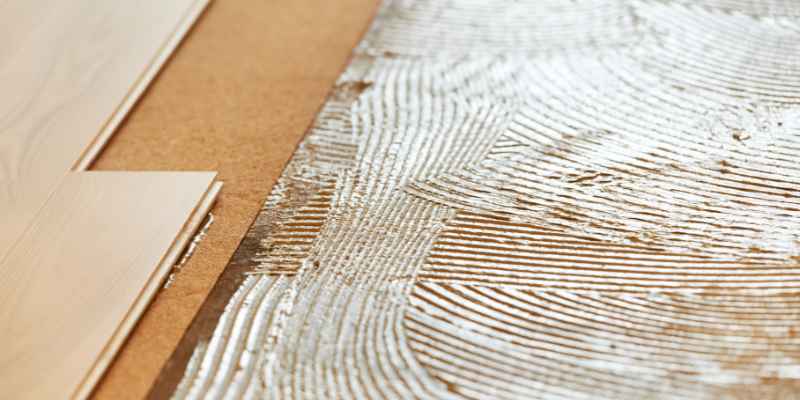
After removing the hardwood flooring, cleaning the subfloor is essential. Start by getting rid of any remaining adhesive residue. Use a scraper to gently lift stubborn pieces. For tougher spots, try soaking a cloth in vinegar or vegetable oil. Place it on the glue for a few minutes.
Next, ensure a smooth surface for new flooring. Sweep or vacuum the area to remove dust and debris. A mop with warm, soapy water can help clean the surface further. Allow the subfloor to dry completely before proceeding with installation.
Alternative Solutions
Natural adhesive dissolvers can be very effective. White vinegar and vegetable oil work well. Eucalyptus oil and lemon oil also help. Petroleum jelly is another option. Simply soak a paper towel in the liquid. Press it onto the glue and let it sit for five minutes. This makes it easier to peel off the glue.
For tough jobs, consider using a heat gun. It softens the adhesive, making removal simpler. Always be careful when using heat to avoid damaging the wood.
If the task seems overwhelming, it might be best to call a professional. They have the tools and experience needed for effective removal. This ensures your flooring is not damaged during the process.
Final Thoughts
Removing glued hardwood flooring can be a challenging task, but with the right tools and techniques, it becomes manageable. Start by scoring seams and using a heat gun or scraper to lift the boards. Patience and careful handling are key to preserving your subfloor during the process.
Disposal Of Old Flooring
Disposing of old flooring must be done carefully. Check local regulations for disposal methods. Some areas allow recycling of hardwood, while others require landfill disposal. Consider donating usable pieces to local charities. Always take care of safety when handling old flooring.
Preparing For New Flooring Installation
Before installing new flooring, ensure the subfloor is clean and smooth. Remove any remaining adhesive with a scraper or solvent. Make sure the area is dry and free of debris. Measure the space accurately for your new flooring. Following these steps will help ensure a successful installation.
Frequently Asked Questions
How Much Does It Cost To Remove Glued Down Hardwood Floors?
Removing glued down hardwood floors typically costs between $2 to $6 per square foot. Factors influencing the price include labor, equipment, and disposal fees. For larger areas, total costs can range from $1,000 to $3,000. Always get quotes from multiple contractors for the best estimate.
What Dissolves Wood Floor Adhesive?
Wood floor adhesive dissolves with white vinegar, vegetable oil, eucalyptus oil, or lemon oil. Apply these substances on the glue, let them sit for five minutes, and then scrape off the residue easily. For tougher adhesives, consider using a commercial adhesive remover.
What Is The Best Tool To Remove Glue Down Flooring?
The best tool to remove glue down flooring is a floor scraper. It effectively removes glue and debris. For tougher adhesive, consider using a heat gun or adhesive remover to soften the material before scraping. Always work in small sections for better control.
How Do You Remove Glued Down Plank Flooring?
To remove glued down plank flooring, start by scoring seams with a utility knife. Use a floor scraper or pry bar to gently lift the planks. For tougher adhesives, apply heat with a heat gun. Work in small sections to prevent damage to the subfloor.
Clean up residue afterward.
Conclusion
Removing glued hardwood flooring can be a challenging task. With the right tools and techniques, it becomes manageable. Always prioritize safety and take your time to avoid damaging the subfloor. Whether you choose to DIY or hire professionals, proper preparation will ensure a successful removal.
Enjoy your refreshed space!