How to Remove Great Stuff Foam from Wood: Quick & Easy
To remove Great Stuff foam from wood, use a utility knife to carefully scrape it off. For remaining residue, apply a solvent like acetone or rubbing alcohol.
Great Stuff foam is a popular insulating product, but it can be tricky to remove once it hardens. Many DIY enthusiasts encounter this challenge, especially when working on home improvement projects. Knowing how to effectively remove this foam can save time and prevent damage to your wood surfaces.
This guide provides straightforward methods and tips to ensure a clean removal. Whether you’re a seasoned handyman or a beginner, following these steps will help you tackle the issue efficiently. Enjoy a neat workspace and maintain the integrity of your wood by using the right techniques.
Introduction To Great Stuff Foam
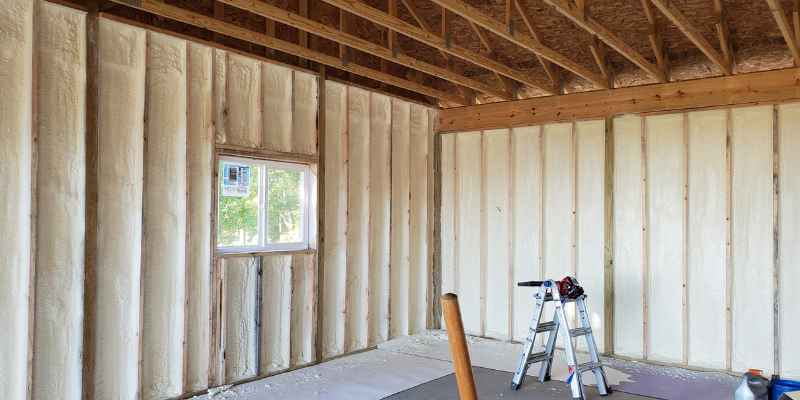
Great Stuff Foam is a popular insulation product. It expands to fill gaps. This foam can be very effective but hard to remove from wood surfaces.
The foam sticks strongly to wood. It can damage the wood if not removed carefully. Scraping it off can leave marks. Using the wrong tools can make it worse.
Many people face challenges when trying to clean up this foam. It can become a sticky mess that seems impossible to tackle. Knowing the right methods can help in removing it effectively.
Safety First: Preparing To Work With Foam
Working with foam can be messy. Always wear protective gear. Use gloves to keep your hands safe. A mask helps protect your lungs from fumes. Safety goggles will shield your eyes from splashes.
Ensure your workspace is well-ventilated. Open windows to let fresh air in. Avoid working near open flames. Foam can catch fire easily. Keep a fire extinguisher nearby just in case.
Consider wearing old clothes. Foam can stain and stick to fabric. Always have a first aid kit within reach. Injuries can happen, even with precautions.
Initial Steps For Foam Removal
Start by assessing the situation. Check how much foam is on the wood. Look for any damage to the wood. Determine if the foam is still wet or dry.
Gather the materials you will need. These include a putty knife, solvent, and rags. A scraper can help for larger areas. Wear gloves to protect your hands.
Keep the area well-ventilated. Open windows and doors. This helps reduce fumes from the solvent.
| Material | Purpose |
|---|---|
| Putty Knife | To scrape off the foam |
| Solvent | To dissolve the foam |
| Rags | For cleaning up |
| Gloves | To protect your skin |
Mechanical Removal Techniques
To remove Great Stuff foam from wood, start with a putty knife. Carefully slide the knife under the foam. Gently lift to break the bond with the wood. Be patient to avoid damaging the wood surface.
For tougher spots, sanding can help. Use fine-grit sandpaper for best results. Sand the foam until it becomes smooth. Always sand in the direction of the wood grain. This technique ensures a clean finish.
Chemical Solutions For Stubborn Foam
Choosing the right solvent is key for foam removal. Acetone and mineral spirits work well on Great Stuff foam. Always test solvents on a small area first. This prevents damage to the wood surface.
For effective removal, follow these tips:
- Use a scraper to lift the foam gently.
- Apply the solvent and let it sit for 10-15 minutes.
- Wipe away foam with a clean cloth.
- Repeat if necessary until all foam is gone.
Always wear gloves and a mask for safety. Work in a well-ventilated area. This ensures a safer and more effective removal process.
Natural Remedies
Vinegar is a great option for removing Great Stuff foam. It is gentle and safe for wood. Soak a cloth in white vinegar. Wipe the foam carefully until it softens. Rinse the area with water afterward.
Citrus-based cleaners are also effective. They break down foam quickly and smell nice. Spray the cleaner directly onto the foam. Let it sit for a few minutes. Then, use a scraper to gently remove it.
Always test these remedies on a small wood area first. This ensures they won’t damage the surface. Keep the area well-ventilated while using these cleaners.
Finishing Touches
Start by using a plastic scraper to gently remove the foam. Be careful not to scratch the wood surface. After scraping, use a soft cloth to wipe away any residue.
Apply a small amount of mineral spirits on a cloth. Gently rub the area to dissolve leftover foam. This helps clean the surface without damaging the wood.
Once the surface is clean, check for any discoloration or damage. Use fine-grit sandpaper to smooth out rough spots. Always sand in the direction of the grain.
Finally, apply a suitable wood finish to restore the wood’s natural look. Choose a product that matches the original color of the wood.
Prevention Tips
To protect wood surfaces, use drop cloths during projects. Masking tape can help cover edges. Always apply a primer before using foam. This creates a barrier against spills.
Keep foam products away from wood. Store them in a safe place. Clean any spills right away. Use solvent for quick cleanup.
Consider using a spray shield or cardboard. These tools can block foam from landing on wood. Practice careful application to avoid messes.
Frequently Asked Questions
How Do I Safely Remove Great Stuff Foam?
To safely remove Great Stuff Foam, use a utility knife or scraper. Carefully cut around the foam to avoid damaging the wood. For stubborn areas, apply a solvent like acetone. Always wear gloves and work in a well-ventilated space for safety.
Can I Use Vinegar To Remove Foam From Wood?
Vinegar is not effective for removing Great Stuff Foam. Instead, use a solvent specifically designed for foam removal. Acetone or mineral spirits are better alternatives. Always test any solvent on an inconspicuous area first to prevent damage to the wood.
What Tools Do I Need For Removal?
You will need a utility knife, scraper, and possibly a solvent. A heat gun can also help soften the foam for easier removal. Ensure you have gloves and protective eyewear. These tools will make the process quicker and safer.
Is Great Stuff Foam Removable After It Dries?
Yes, once Great Stuff Foam dries, it can be removed. Use a utility knife to cut away the excess foam. For stubborn sections, solvents may be necessary. Always be cautious to avoid damaging the wood surface during removal.
Conclusion
Removing Great Stuff foam from wood can be tricky, but it’s manageable with the right techniques. Patience is key, along with the proper tools and solvents. Always test any product on a small area first. With careful effort, your wood surfaces can be foam-free and looking great again.