How to Protect a Fence From Rotting: Where Rot Starts First
A wood fence rots wherever the wood stays above about 20 percent moisture: at the ground line, on cut end grain, and in joints where water sits. Sealer alone will not save an untreated post. Ground-contact lumber, a gap under the boards, and preservative on every cut do most of the work. This guide covers where fences fail first, which lumber to use, drainage, safe copper naphthenate use and a yearly check.
Where a Fence Rots First (and What Stops It)
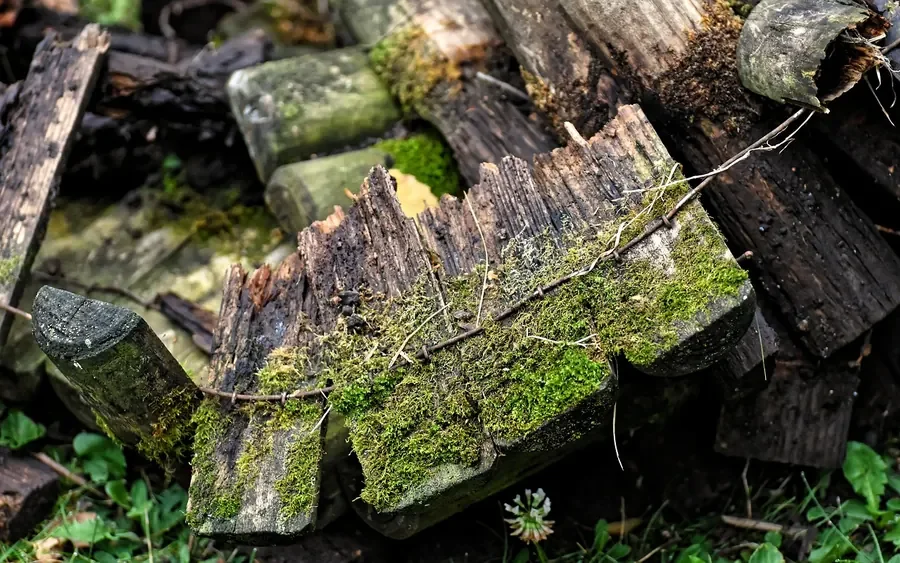
Decay fungi need moisture, oxygen and wood they can digest. Take away the moisture and the fence lasts. The worst spot is the post at the soil line: one wood-protection source puts the danger zone at roughly 300 mm (about 12 inches) below ground to 75 mm (about 3 inches) above it, where the post wicks up water and can sit at 30 to 90 percent moisture content. The USDA Forest Service also advises giving horizontal rails more decay protection than the vertical boards.
Best Cut-End Preservative Pick
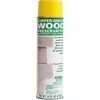 |
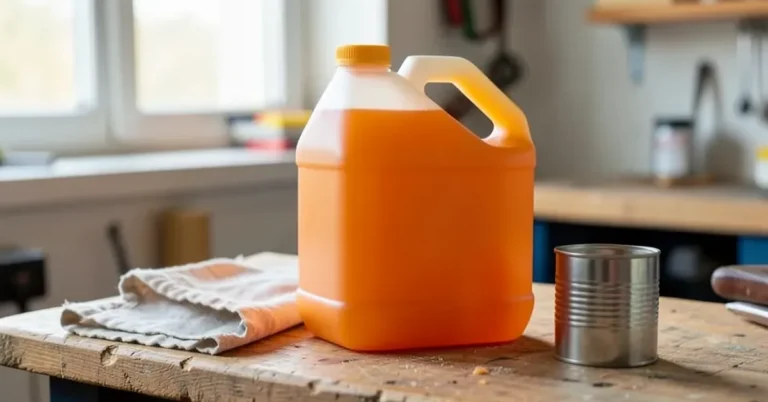
Green’s Copper Green Wood Preservative Spray, 14-Ounce Aerosol A copper naphthenate preservative in a spray can, so you can wet fresh saw cuts, drilled holes and post ends without mixing or brushing from a gallon.
|
As an Amazon Associate we earn from qualifying purchases.
| Fence part | Why it rots | What actually stops it |
|---|---|---|
| Post at the ground line | Wicks soil water up into the wood, constant wet-dry cycling | Ground-contact rated post (UC4A or higher), gravel drainage, protective wrap or sleeve |
| Post top and cut ends | End grain soaks up water like a bundle of straws | Slope or cap the top, brush copper naphthenate on every cut |
| Bottom of pickets or boards | Touch or sit near wet soil, leaves and mulch | Keep a gap between board bottoms and soil, keep mulch off the wood |
| Rails and picket joints | Water sits on flat faces and in tight overlaps | Rated lumber for rails, water-repellent stain, stainless or coated fasteners |
| Fasteners | Rust stains and swells the wood around them | Stainless steel, aluminum or fasteners rated for treated lumber |
Choose the Right Lumber for Each Part of the Fence
Pressure-treated lumber is sold in use categories, and using the wrong one is the fastest way to lose a post. Anything buried or touching soil should be rated UC4A (ground contact) or higher, which for ACQ or copper azole means at least 0.40 pounds of preservative per cubic foot. Above-ground grades are made for pickets and rails, not for the part of the post that sits in dirt. Our ground contact lumber guide explains the tag markings, and the 4×4 treated post guide covers setting them.
Cedar and redwood resist decay, but only the heartwood does, and neither is rot-proof once it stays wet. If you want natural wood for the boards, read why rot-resistant is not rot-proof and how long cedar really lasts outdoors, and still use treated posts in the ground.
Set Posts and Boards So Water Drains Away
Drainage is cheaper than any coating. Slope the soil away from the fence, set posts on a gravel base so water has somewhere to go, and slope the top of any concrete collar away from the post so it sheds water instead of pooling against the wood. Where a fence sits on a slab or patio, a metal standoff post base keeps the post end out of standing water. A protective wrap or sleeve at the ground line is another barrier that wood-protection specialists rank among the more reliable options. Depth and spacing details are in our guide on installing wood fence posts and the in-ground post protection guide.
Boards need air as well as a gap. Leave clear space between the bottom of the pickets and the soil, commonly about 2 inches, so they can dry after rain. Then keep everything that holds water away from the wood:
- Mulch and soil: mulch holds moisture instead of shedding it, so pull it back from the boards and posts rather than piling it against them.
- Plants: shrubs and vines block airflow and keep the lower fence wet, so leave room for air to move.
- Leaves and debris: sweep them from the base of the fence and off the tops of rails.
Treat Every Cut and Drilled Hole With Copper Naphthenate
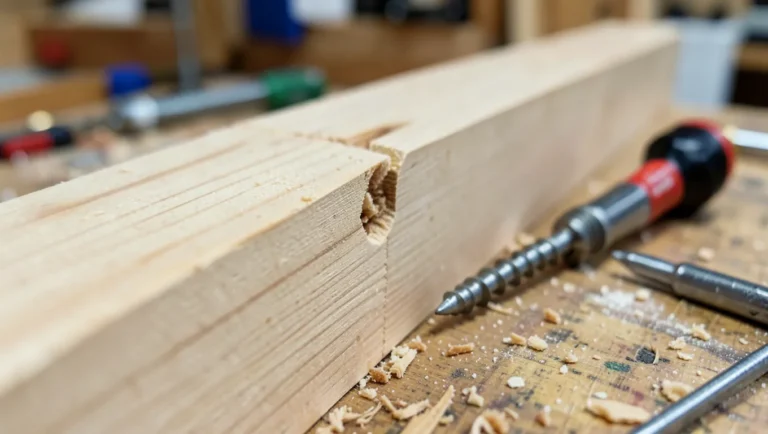
Pressure treatment does not always reach the center of a board. When you cut treated lumber, shorten a post or drill a hole, you expose untreated wood. Building codes (IRC R317.1.1 and IBC 2303.1.9) call for field-treating those cuts, and copper naphthenate at about 2 percent copper is the standard product for it. Our page on recoating treated wood where it is cut covers the code language. The method is simple:
- Cut first, treat second: make all cuts and drill all holes before you treat, so you only treat once.
- Wet the exposed wood: brush or spray until the fresh cut or hole is fully wet, including the end grain.
- Let it dry: allow the preservative to soak in and dry before you assemble or backfill, following the can’s directions.
- Repeat on repairs: re-treat any spot you cut or drill later.
Copper Naphthenate Safety Rules
- Read the label first. Copper naphthenate is a pesticide product, and the label is the legal instruction for use.
- Wear chemical-resistant gloves and eye protection. It can cause skin and eye irritation.
- Work outdoors or with plenty of ventilation. Freshly treated wood is bright green with a strong odor, and it weathers to light brown.
- Keep it away from food, food containers and vegetable gardens.
- It is mildly corrosive to zinc coatings, so use stainless steel hardware where nail life matters.
- Wear eye protection and a dust mask when cutting treated lumber, sweep up sawdust, and never burn treated scraps.
For the cutting side of the job, see cutting pressure-treated wood safely.
What Sealers, Stains and Paint Can and Cannot Do
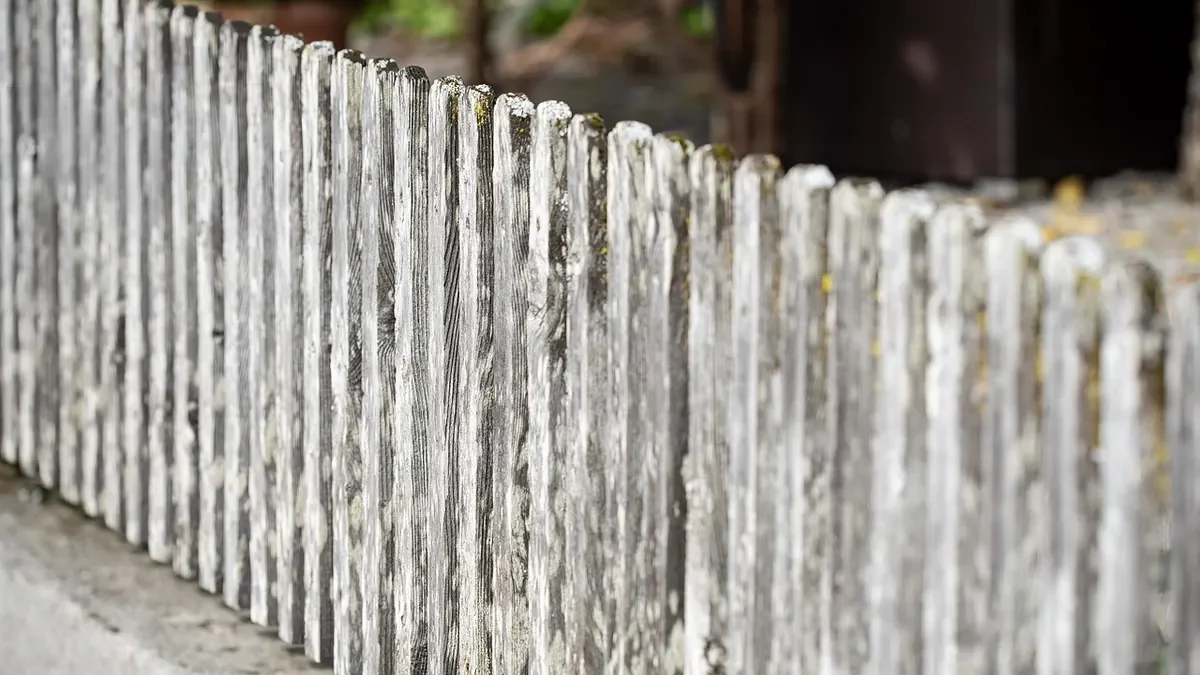
A water-repellent finish slows how fast boards and rails take on water, and that is worth doing. The Forest Service prefers penetrating pigmented stains that also contain a water repellent and preservative over paint, and it recommends aluminum or stainless steel nails with those finishes. What a coating cannot do is dry out a buried post, replace ground-contact lumber, or fix wood that is already wet and decaying. Sealing damp wood also holds the moisture in, so let a new or freshly washed fence dry before you coat it.
A simple test tells you when to recoat: sprinkle water on a board. If it beads, the finish is working; if it soaks in and darkens the wood, it is time. To pick a product, compare clear and semi-transparent options in our fence stain guide, or read whether painting a fence is worth it if you want a solid color. Step-by-step application is in our guide to sealing a wood fence.
A Yearly Fence Rot Check
Most rot is found too late because nobody looks at the ground line. Twice a year, push a screwdriver into each post at soil level and into the bottoms of rails. Sound wood resists; rotted wood is soft, crumbly or lets the blade sink in easily. Small soft spots on a board can be cut out and treated, but a soft post needs a repair spur or replacement. If you are unsure whether damage is rot or insects, see termite damage vs wood rot.
| When | What to do | What you are looking for |
|---|---|---|
| Early spring | Probe posts at the ground line, rinse dirt and mildew from boards | Soft wood, cracks in end grain, standing water at the base |
| After spring growth | Trim plants and pull mulch back from the fence | Anything touching the boards or blocking airflow |
| Every 1 to 3 years | Reseal or restain when water stops beading | Gray, dry wood that soaks up a water sprinkle |
| Every repair or cut | Brush preservative on new cuts and holes | Bare, pale wood with no green or brown treatment |
| Late fall | Clear leaves and debris, check that soil still slopes away | Wet leaf piles at the base, sunken soil that holds water |
Working on a deck rather than a fence? The moisture rules are the same, but the repair steps differ: see how to stop wood rot on a deck.
Frequently Asked Questions
Can you stop fence rot once it has started?
You can stop it from spreading, but you cannot reverse it. Cut out soft wood, let the area dry, treat the exposed wood with a copper naphthenate preservative, and fix the moisture source. A post that is soft through the ground-line zone needs a repair spur or replacement, because the structural wood is already gone.
How often should you seal a wood fence?
Reseal when water stops beading on the surface, which is often every one to three years depending on sun, rain and the product. Follow the label on your sealer or stain. Sealing protects boards and rails above ground, but it does not stop rot at a buried post.
Does concrete around a fence post stop it from rotting?
Not by itself. Concrete does not preserve wood, and water can collect where wood meets the concrete collar. Use a ground-contact rated post, put gravel under it for drainage, and slope the top of the concrete away from the post so water runs off.
Is copper naphthenate safe to use on a fence?
It is widely used on fences, but it is a pesticide product, so read and follow the label. It can irritate skin and eyes, so wear gloves and eye protection and work in open air. Do not use it where it could contact food or in vegetable gardens.
Sponsored / affiliate links. As an Amazon Associate I earn from qualifying purchases. I may earn additional commission from eligible campaigns.