Can You Paint Over Water-Based Stain? Yes, If You Prep Right
Yes – clean the surface, scuff-sand it dull, and seal it with a stain-blocking primer before you paint. Skip any one of those three steps and you risk two specific failures: paint that peels because it has nothing to grip, or old stain color bleeding up through the new paint over the following weeks. Neither is a paint-quality problem; both come down to prep.
The Two Real Failure Modes, and Why They Happen
Best Stain-Blocking Primer
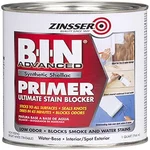 |
Zinsser B-I-N Advanced Synthetic Shellac Primer, Quart – $25.41 Shellac-level stain blocking with a water-based carrier, so you get the strongest barrier without the harsh solvent smell.
|
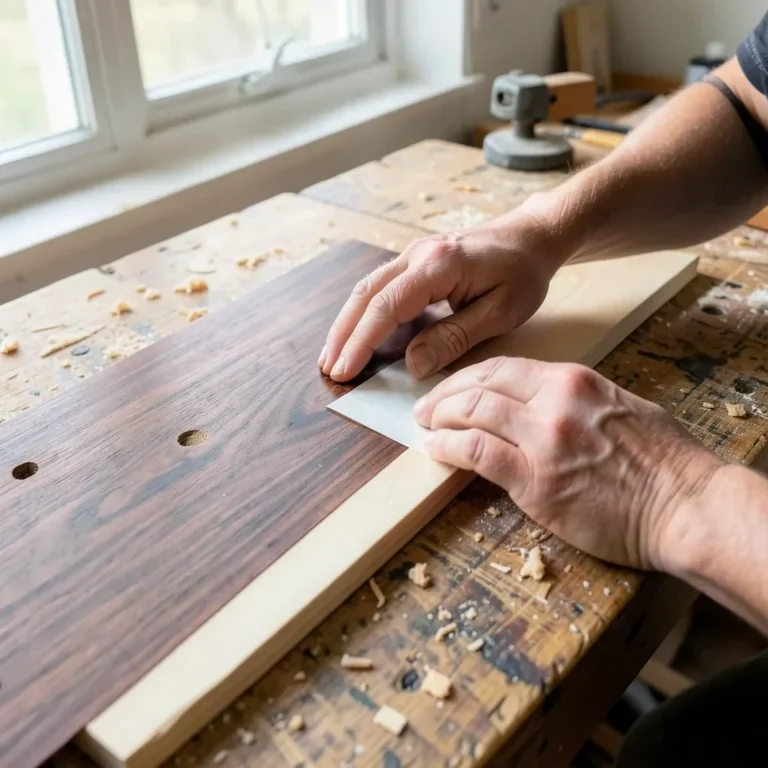
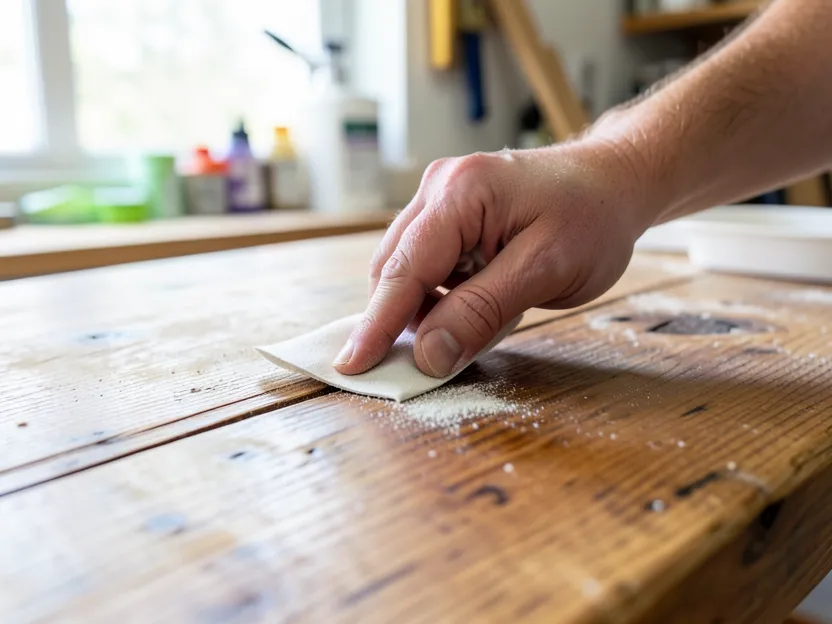
Adhesion failure and bleed-through are different problems with different causes, which is why one fix doesn’t solve both. Paint needs a slightly textured surface to mechanically grip – a smooth, sealed stain finish is too slick, so paint sits on top rather than bonding, and it chips or peels under the lightest stress. Scuff-sanding with 180-220 grit paper solves this by dulling the sheen and giving the primer something to hold onto; you’re not trying to remove the stain, just knock down the shine.
Bleed-through is a chemistry problem, not a texture problem. Wood contains natural tannins – compounds that give the wood color and, in some species, can be dissolved and pulled upward by a new coat of paint or primer. Oak, cherry, mahogany, and redwood are all naturally tannin-rich woods where this shows up as yellow-brown or pinkish blotches migrating into your new paint over the following days or weeks, even on a piece that looked perfectly painted the day you finished it. A dedicated stain-blocking primer creates a barrier layer that seals the tannins and old pigment in place so they can’t migrate.
Pick the Primer Based on the Wood, Not Habit
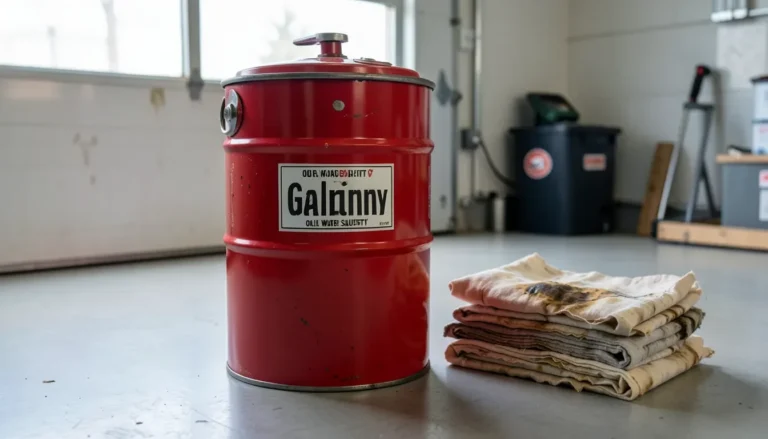
A shellac-based primer is the strongest stain blocker available and the right call for dark stains, knotty pine, or any wood you know runs high in tannins – it dries fast and sticks to almost anything, though traditional alcohol-based shellac primers have a strong smell and need denatured alcohol for cleanup. Newer synthetic-shellac primers solve that tradeoff by using a water-based carrier instead of alcohol, keeping the strong stain-blocking performance with much lower odor and soap-and-water cleanup – worth seeking out if fumes are a concern. Oil-based (alkyd) primers are a solid middle ground with excellent adhesion and good stain blocking, at the cost of a longer dry time and mineral-spirits cleanup. Water-based stain-blocking primers (not to be confused with a plain water-based primer that doesn’t claim stain-blocking at all) are fine for lighter stains where bleed-through risk is low, but they’re generally the weakest of the three against a heavily tannin-stained surface.
The Process, Start to Finish
- Clean thoroughly with a mild degreaser or dish soap and water, then rinse and let it dry completely – paint won’t bond to grease or grime hiding under an otherwise clean-looking finish.
- Scuff-sand the entire surface with 180-220 grit, following the grain, until the sheen is gone and the surface feels slightly dull rather than glossy.
- Remove every trace of dust with a vacuum brush attachment followed by a tack cloth – sanding dust trapped under paint shows up as a gritty, uneven finish.
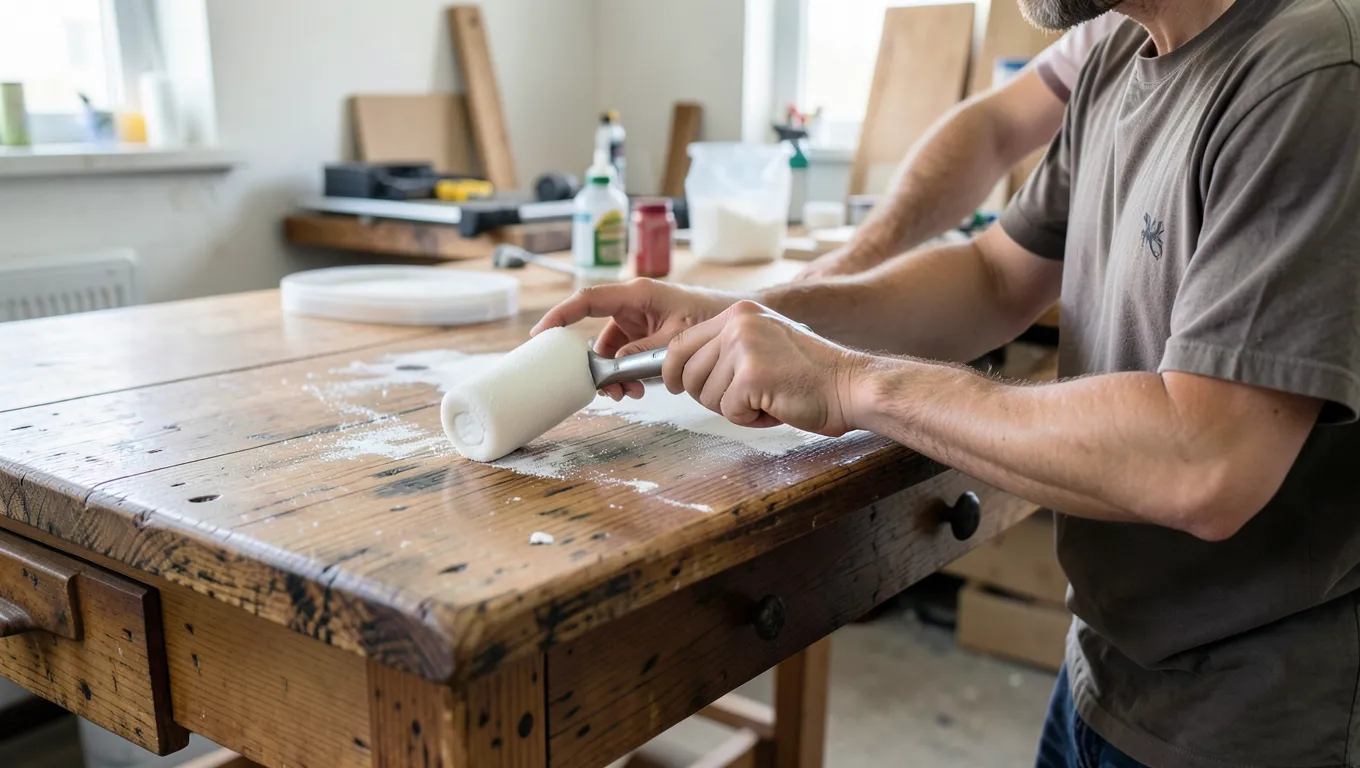
- Apply a thin, even coat of stain-blocking primer matched to the wood (see above), and let it cure fully per the can’s instructions before moving on.
- Lightly sand the cured primer with 220 grit to knock down any raised grain or bumps, then remove the dust again.
- Apply two thin coats of your chosen paint rather than one thick coat, letting each coat dry fully before the next – thick coats are the most common cause of drips and extended dry times.
Paint that feels dry to the touch within a few hours can still take up to 30 days to fully cure to its final hardness, so treat a freshly painted piece gently – no heavy use, stacking, or scrubbing – during that window even once it looks finished.
How to Tell If an Old Finish Is Water-Based or Oil-Based
In an inconspicuous spot, rub the surface with a cotton ball dampened in denatured alcohol. If the finish softens or color transfers onto the cotton, you’re likely dealing with a water-based finish or shellac. If nothing happens, try mineral spirits instead – color lifting onto the cotton there points to an oil-based finish. This test identifies the topcoat/sealer on the piece, not necessarily the stain pigment itself, but it’s a useful first read before you commit to a primer strategy.
Common Mistakes That Undo Good Prep
Skipping the primer is the single most common failure – paint applied directly over stain without a barrier coat will very likely bleed or chip eventually, even if it looks fine at first. Painting in cold or humid conditions outside the paint can’s recommended range slows curing and can leave a soft, easily damaged film. And recoating before the previous coat is fully dry creates a gummy layer that never properly hardens – patience between coats matters as much as the prep work itself.
Frequently Asked Questions
Do I have to sand before painting over water-based stain?
Yes. A quick scuff-sand with 180-220 grit paper dulls the sheen so the primer and paint have something to grip – skip it and you risk chipping and peeling even with a good primer underneath.
Can I use a water-based primer since the stain is water-based?
You can, but a shellac-based or oil-based primer generally blocks tannins and stain bleed-through more reliably regardless of whether the original stain was water- or oil-based. If you do use a water-based primer, make sure it’s specifically labeled as stain-blocking, not just a general primer.
Will the wood grain show through the paint?
On heavily grained woods like oak, a faint texture can show through even a few coats of paint. If you want a perfectly smooth, grain-free surface, apply a wood grain filler after sanding and before priming.
What if the paint chips or scratches later?
Lightly sand the damaged spot, wipe away the dust, dab on a bit of primer, then follow with your paint color once the primer’s dry. A small touch-up like this blends in well if the surrounding paint hasn’t yellowed or faded noticeably.
Bottom Line
Painting over water-based stain works reliably as long as you treat adhesion and bleed-through as the two separate problems they are – scuff-sand for grip, and use a real stain-blocking primer matched to how tannin-prone the wood is. Skip either step and the failure shows up weeks later, not on the day you paint.
Sponsored / affiliate links. As an Amazon Associate I earn from qualifying purchases. I may earn additional commission from eligible campaigns.