How to Remove Hardwood Floor Without Damage: Expert Tips Revealed
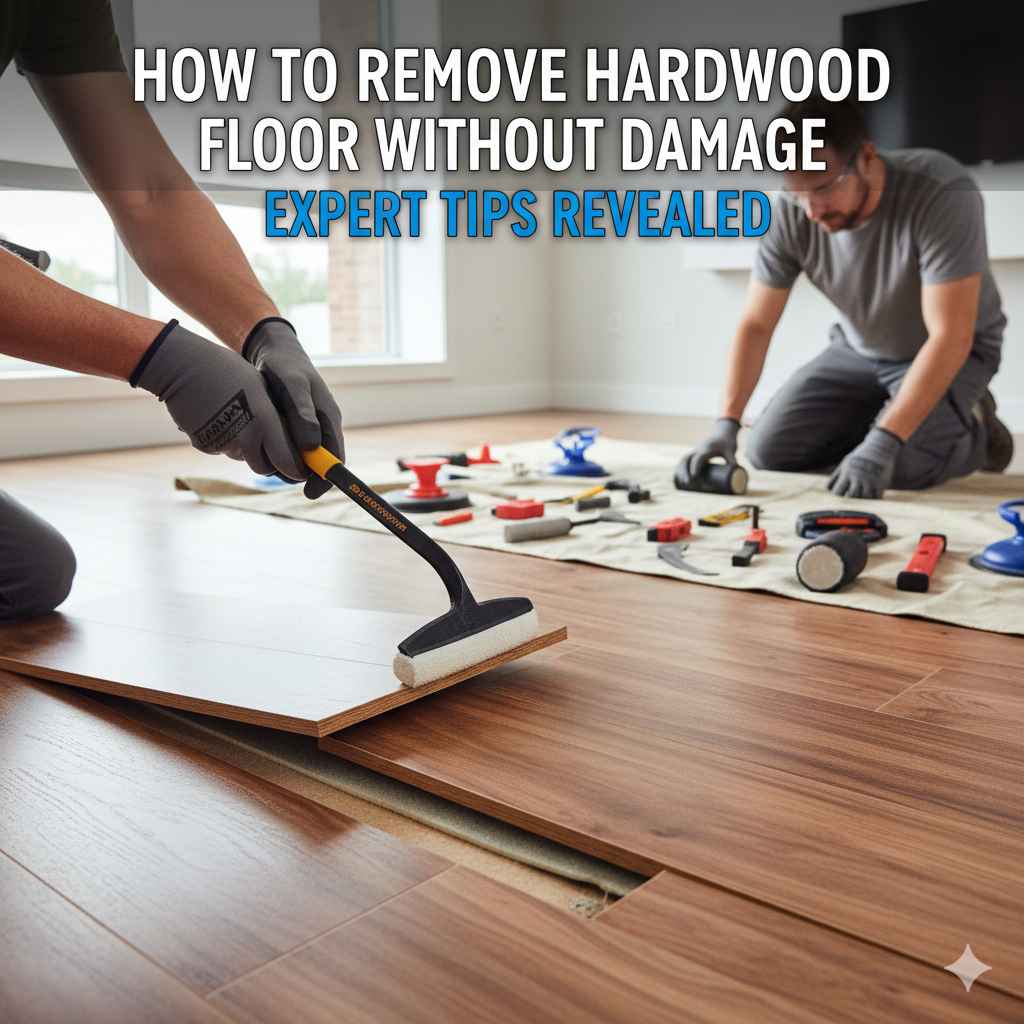
Are you ready to refresh your space but worried about ruining your beautiful hardwood floors? Removing hardwood flooring can seem tricky, especially if you want to keep it in good shape for reuse or avoid damaging the subfloor beneath.
The good news? You don’t have to be a pro to do it right. You’ll discover simple, step-by-step methods that protect your floors and save you time and money. Keep reading—your hardwood floor makeover starts here, and it’s easier than you think!
Tools Needed
Removing hardwood floors without causing damage requires the right tools. These tools help you work carefully and efficiently. Using proper equipment protects the wood and saves time. Prepare all tools before starting to avoid interruptions.
Essential Hand Tools
Start with basic hand tools. A pry bar helps lift floorboards gently. Use a hammer to tap the pry bar under boards. A putty knife slides under tight spots. A utility knife cuts through adhesives and nails. Keep a pair of pliers for pulling out nails.
Power Tools For Efficiency
Power tools speed up the process. An oscillating multi-tool cuts through glued sections cleanly. A circular saw with a fine blade trims boards carefully. Use a drill with a screwdriver bit to remove screws fast. These tools reduce effort and keep boards intact.
Safety Gear To Protect Yourself
Safety is important during floor removal. Wear safety goggles to shield your eyes. Use gloves to protect your hands from splinters. A dust mask stops you from breathing harmful dust. Ear protection guards your hearing from loud tools. Proper gear keeps you safe and comfortable.
Preparing The Space
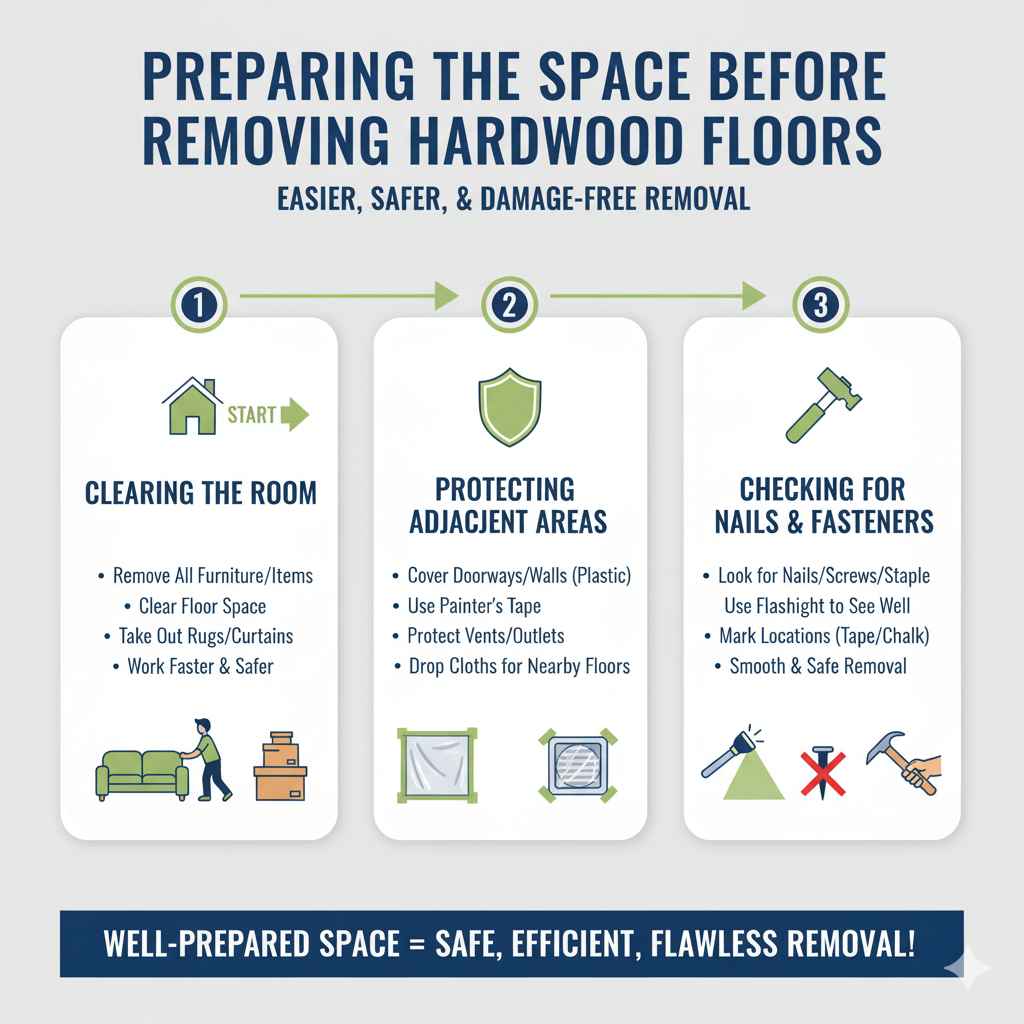
Preparing the space is the first step to remove hardwood floors without damage. A well-prepared area makes the job easier and safer. It also protects your home and tools. Take time to organize and check the room before starting.
Clearing The Room
Remove all furniture and items from the room. Clear the floor space completely. This prevents any accidents and allows full access to the floor. Take out rugs, curtains, and decorations near the floor. A clear room helps you work faster and safer.
Protecting Adjacent Areas
Cover doorways and walls near the floor with plastic sheets. Use painter’s tape to hold the covers in place. This stops dust and debris from spreading. Protect vents and electrical outlets with plastic too. Prepare nearby floors with drop cloths to avoid scratches.
Checking For Nails And Fasteners
Look carefully for nails, screws, and staples in the floor. Use a flashlight to see well. Mark their locations with tape or chalk. Removing or loosening fasteners first helps avoid damage. This step makes removing hardwood boards smooth and safe.
Removing Baseboards And Trim
Removing baseboards and trim is the first step in taking out hardwood floors without causing damage. These pieces protect the edges of your walls and floors. Careful removal helps keep them in good shape for reuse or repair. Taking time and using the right tools makes the job easier and safer.
Techniques For Safe Removal
Start by loosening the paint or caulk around the baseboards. Use a utility knife to cut through any sealant. This prevents peeling or tearing the wall surface. Next, slide a putty knife or pry bar gently behind the trim. Work slowly to avoid cracking or splitting the wood. Place a small block of wood between the wall and the pry bar. This spreads the pressure and protects the wall from dents.
Avoiding Damage To Moldings
Protect moldings by removing nails carefully. Use a nail puller or pliers to grip the nail head. Pull straight out to avoid bending the trim. If nails are hidden under paint, score around them first. Keep the trim flat and supported during removal. Store pieces on a soft surface to prevent scratches and dents. Handle each piece gently to keep moldings intact for future use.
Loosening Hardwood Planks
Loosening hardwood planks is the first crucial step to remove a hardwood floor without causing damage. This process requires patience and gentle tools to keep the wood intact. Start by finding the right spots to begin prying the boards up. Work slowly to avoid cracking or breaking the wood. Proper technique helps save the flooring for reuse or refinishing.
Identifying Starting Points
Look for loose or damaged planks at the edges or corners of the floor. These spots often give easier access to pry the boards up. Check near doorways or where the floor meets the wall. Sometimes, removing baseboards exposes the edges of the planks. Avoid starting in the middle to reduce the risk of damage.
Using Pry Bars And Pullers
Select a thin pry bar or flooring puller for gentle lifting. Insert the tool carefully under the plank edge. Apply slow, steady pressure to lift the board a little at a time. Use wooden shims to protect the floor and tool from scratches. Move along the plank to loosen it evenly and prevent splitting.
Dealing With Stubborn Boards
Some planks may stick due to nails or glue. Tap the pry bar lightly with a hammer near the nail spots. Slide a putty knife under the plank to loosen glue. Remove nails with pliers or a nail puller before lifting the board. Take your time to avoid breaking the wood or damaging the subfloor.
Handling Nails And Adhesives
Handling nails and adhesives is a key step in removing hardwood floors without causing damage. Nails keep the boards fixed, and adhesives hold them tight. Removing these carefully protects the wood beneath. Careless work can split the wood or leave sticky residue behind. Proper tools and techniques make this task easier and safer.
Removing Nails Without Splitting Wood
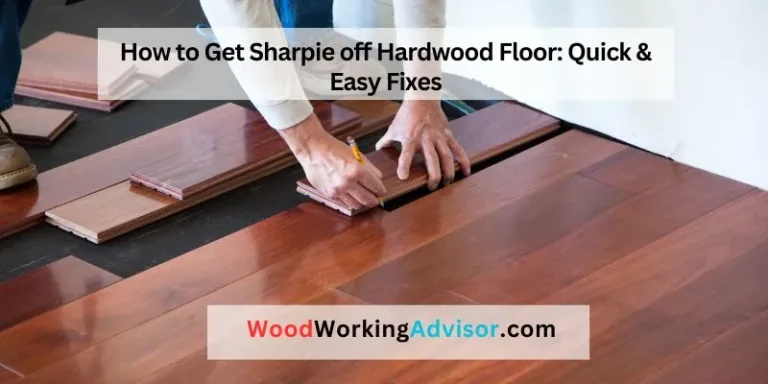
Start by lifting the hardwood boards gently. Use a pry bar or nail puller to reach the nails. Work slowly to avoid bending or breaking the wood. Pull nails straight out to prevent wood from cracking. If nails are stubborn, use a hammer claw for better grip. Avoid twisting nails, which can tear the wood. Check each board for hidden nails before lifting fully.
Softening And Scraping Adhesives
Adhesives can be tough and sticky on hardwood floors. Heat helps soften the glue, making scraping easier. Use a heat gun or hairdryer on low heat. Warm the adhesive for a few minutes without burning the wood. Then, use a plastic scraper to lift the softened glue. Avoid metal scrapers, which can gouge the wood. Clean remaining residue with a mild adhesive remover or soapy water. Take care to protect the wood finish during this step.
Preserving Hardwood For Reuse
Preserving hardwood for reuse requires careful handling after removal. The goal is to keep the wood in good shape for future projects. Proper care extends the life of hardwood and saves money. Follow steps that protect the wood from damage and wear.
Cleaning And Inspecting Planks
Start by removing dirt and dust from each plank. Use a soft brush or cloth to clean the surface gently. Avoid harsh chemicals that can harm the wood. Look for nails or staples still embedded in the wood. Remove them carefully to prevent scratches or dents.
Check each plank for cracks, splits, or warping. Separate damaged pieces from good ones. Keep only planks that are strong and stable. This helps maintain the quality of the reused hardwood.
Storage Tips To Prevent Damage
Store hardwood planks flat and off the ground. Use wooden pallets or sturdy supports to keep air flowing underneath. Avoid stacking too many planks to prevent bending or warping. Cover the wood with a breathable cloth or tarp to protect from dust and moisture.
Keep the storage area dry and at a stable temperature. Avoid places with high humidity or direct sunlight. These conditions can cause the wood to expand or crack. Proper storage ensures the hardwood stays ready for future use.
Common Mistakes To Avoid
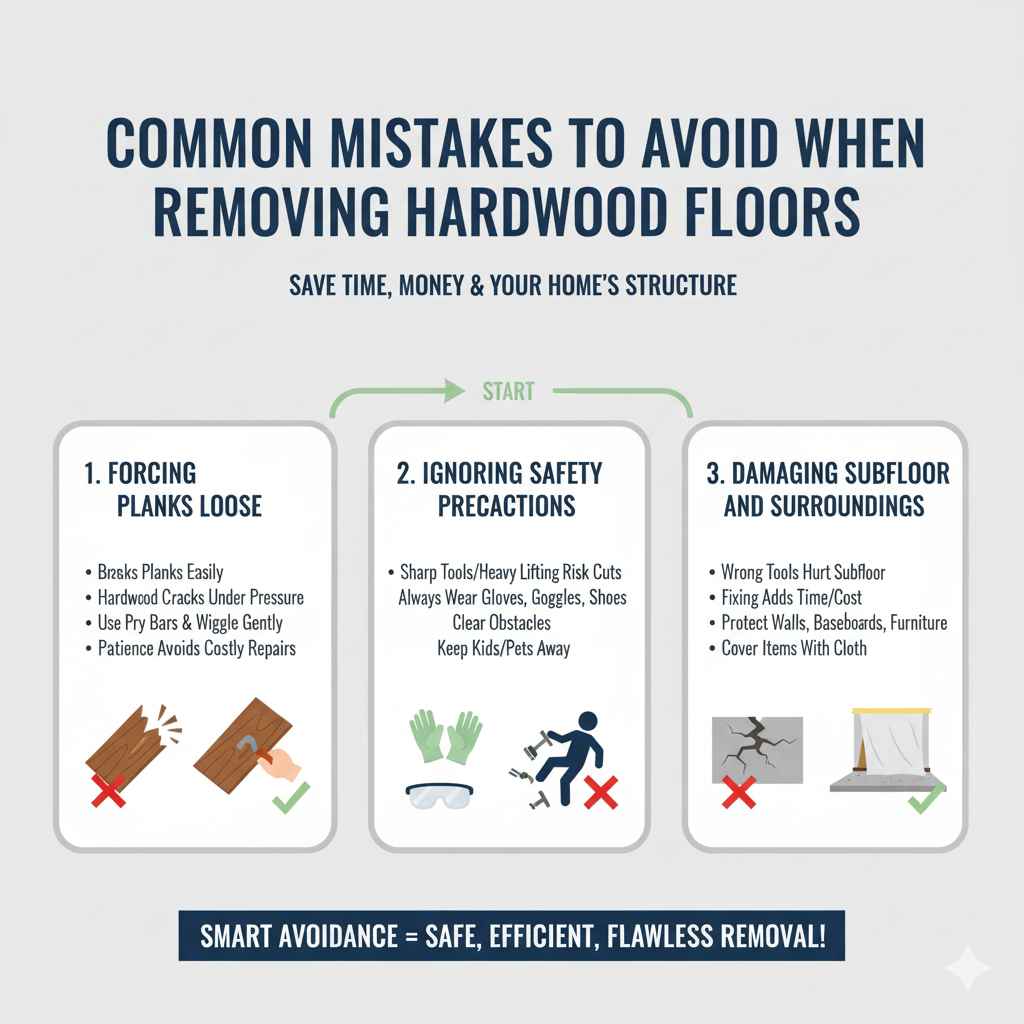
Removing hardwood floors is a tricky job. Many people make mistakes that cause damage or extra work. Avoiding these common errors helps save time and money. It also keeps your floor and home safe. Learn what to watch out for during the removal process.
Forcing Planks Loose
Trying to pull planks up with too much force breaks them easily. Hardwood is strong but can crack under pressure. Use proper tools like pry bars and work slowly. Gently wiggle planks to loosen them without damage. Patience avoids costly repairs or wasted boards.
Ignoring Safety Precautions
Removing floors involves sharp tools and heavy lifting. Skipping safety gear risks cuts, bruises, or worse. Always wear gloves, goggles, and sturdy shoes. Clear the area of obstacles and keep kids and pets away. Safety keeps the job smooth and injury-free.
Damaging Subfloor And Surroundings
Using too much force or wrong tools can hurt the subfloor. Damaged subfloors need fixing, adding time and cost. Protect walls, baseboards, and nearby furniture from scratches or dents. Cover items with cloth or plastic before starting. Careful work preserves your home’s structure and look.
Frequently Asked Questions
How Do I Remove Hardwood Floors Without Damage?
Start by clearing the room and removing baseboards carefully. Use a pry bar gently to lift each plank. Work slowly to avoid cracking or splitting the wood. Keep nails and staples intact for easier reinstallation or resale.
What Tools Are Needed To Remove Hardwood Floors Safely?
Essential tools include a pry bar, hammer, utility knife, and crowbar. A floor scraper or oscillating tool helps remove glue or nails. Always use protective gloves and eye protection for safety during removal.
Can Hardwood Floors Be Reused After Removal?
Yes, hardwood floors can be reused if removed carefully. Avoid damaging edges or surfaces during removal. Proper storage in a dry, flat area preserves their condition for future installation.
How To Protect Hardwood During Floor Removal?
Work slowly to avoid gouging or scratching the wood. Use padded tools or cloth between pry bars and floorboards. Avoid excessive force and keep floors clean of debris to prevent damage.
Conclusion
Removing hardwood floors without damage takes care and patience. Use the right tools and work slowly. Always protect the wood by lifting carefully, not prying harshly. Check each plank as you go to avoid cracks or breaks. Keep nails and debris away from the wood surface.
This way, you can reuse or sell the hardwood later. A careful approach saves time and money. Start with small sections and stay focused. The effort pays off with beautiful, undamaged wood ready for your next project. Simple steps make a big difference.