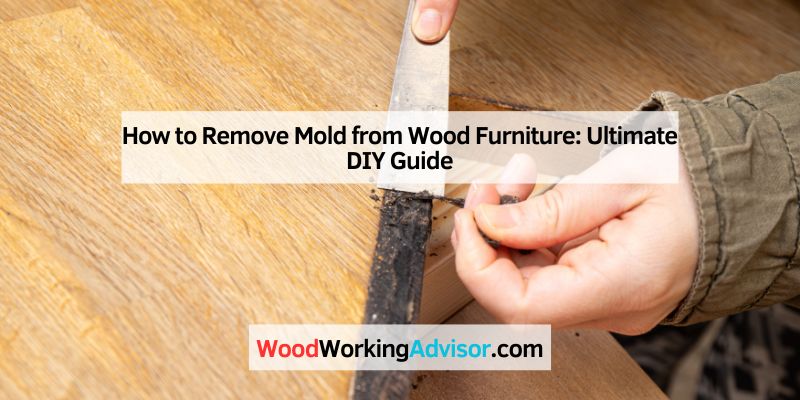
How to Remove Mold from Wood Furniture: Ultimate DIY Guide
Removing mold from wood furniture requires a few simple steps. Start by cleaning the surface with soap and water.
Next, use vinegar or hydrogen peroxide to kill the mold. Mold can ruin your beautiful wood furniture if not addressed quickly. It not only looks unsightly but can also cause health issues. Mold thrives in damp environments, making wood furniture an easy target.
Understanding how to remove mold efficiently is crucial for maintaining both the appearance and integrity of your furniture. This guide will walk you through easy methods to eliminate mold and prevent it from returning. Whether dealing with a minor spot or a larger infestation, these tips will help you keep your wooden pieces clean and safe. Let’s dive into the details to restore your furniture to its original glory.
Preparing For Mold Removal
First, you need some basic supplies. Get a mask, gloves, and goggles. Also, have a bucket, soap, and water. A soft brush or cloth is needed too. You may need white vinegar or baking soda. These are good for cleaning mold. Do not forget a vacuum cleaner with a HEPA filter.
Always protect yourself from mold. Wear a mask to avoid breathing spores. Gloves keep your hands safe. Goggles protect your eyes. Work in a well-ventilated area. Open windows and use fans to keep air moving. This helps to keep mold spores out of your nose and mouth.
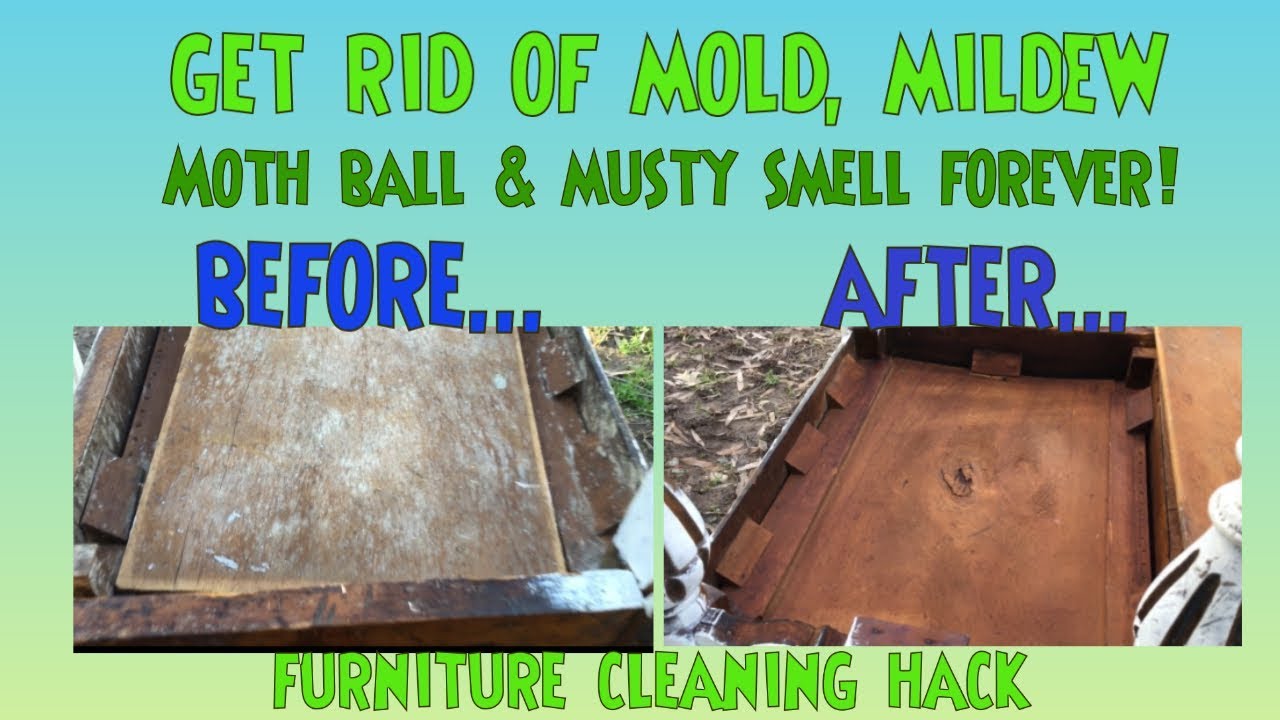
Credit: www.youtube.com
Identifying Mold On Wood Furniture
Mold can be tricky to spot. Look for discoloration on your furniture. Dark spots or patches are common. You might also notice a musty smell. This smell is a strong sign of mold. Sometimes, the surface feels sticky. Don’t ignore these signs.
| Type | Color | Common Areas |
|---|---|---|
| Black Mold | Black or dark green | Damp areas |
| White Mold | White or light gray | Cool areas |
| Green Mold | Green | Wet areas |
Initial Cleaning Steps
Start by removing loose mold with a soft brush. Then, mix mild detergent with water and gently scrub the affected area.
Dry Brushing Mold
Dry brushing helps remove visible mold. Use a soft brush to scrub. Wear a mask to protect yourself. Brush the mold gently. Do not press too hard. You don’t want to damage the wood. Clean the brush after use. This prevents spreading mold.
Vacuuming Mold Spores
Vacuuming removes mold spores. Use a vacuum with a HEPA filter. This traps the tiny spores. Vacuum all over the furniture. Get into crevices and corners. Empty the vacuum outside. This keeps spores from coming back. Clean the vacuum filter often.
Deep Cleaning Techniques
First, fill a bucket with warm water. Add a few drops of dish soap. Mix until you see bubbles. Dip a cloth in the soapy water. Wring it out to remove extra water. Gently wipe the moldy areas. Rinse the cloth often. Change the water if it gets dirty. Dry the furniture with a clean towel. Make sure all water is gone. This stops mold from coming back.
Vinegar kills mold. Pour white vinegar in a spray bottle. Spray it on the mold. Let it sit for one hour. This lets vinegar work. Wipe with a damp cloth. Dry the area with a towel. No need to rinse. Vinegar smell goes away soon.
Stubborn Mold Removal
Baking soda is a natural cleaner. Mix one tablespoon of baking soda with water. Make a paste. Apply the paste on the moldy area. Use a soft brush. Scrub gently. Rinse with clean water. Dry the wood well.
Hydrogen peroxide can kill mold. Use a spray bottle. Spray 3% hydrogen peroxide on the mold. Let it sit for 10 minutes. Use a soft cloth. Wipe the area clean. Repeat if needed. Dry the wood completely.
Post-cleaning Care
Make sure the furniture is completely dry. Use a fan to speed up drying. Place the furniture in a sunny spot. Sunlight helps kill any remaining mold. Check for any moisture. Wipe with a dry cloth if needed. Proper drying prevents mold from coming back. Avoid using the furniture until fully dry.
Apply a good wood polish. This helps protect the wood. Choose a polish that suits your furniture type. Follow the instructions on the bottle. Use a soft cloth to apply the polish. Buff the wood gently. Polish keeps the wood looking fresh. It also adds a protective layer.
Preventing Future Mold Growth
Control humidity to stop mold growth. Use a dehumidifier in damp rooms. Keep windows open for better air flow. Check for leaks in your home. Fix any leaks quickly to prevent moisture. Use exhaust fans in bathrooms and kitchens. These steps help keep humidity low.
Clean wood furniture often to prevent mold. Dust the furniture every week. Use a dry cloth to wipe surfaces. Avoid using too much water. It can make mold grow. Vacuum around the furniture. Clean spills right away. This helps keep the wood dry.
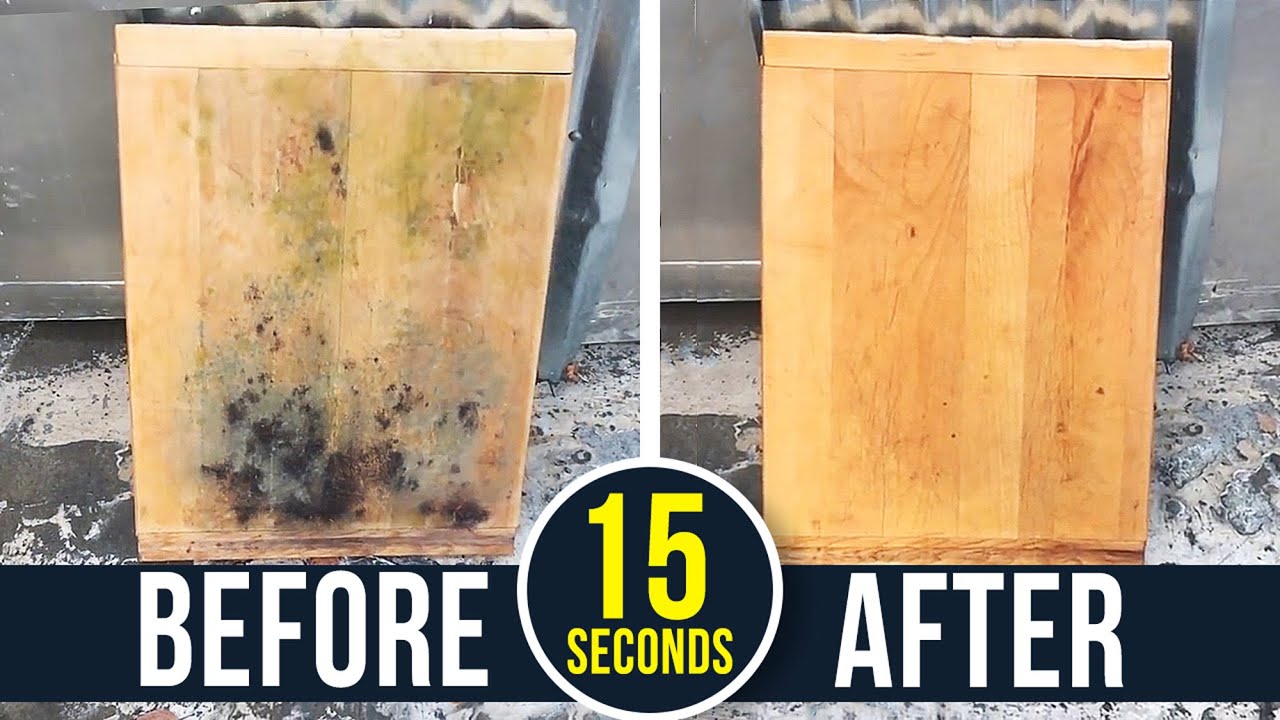
Credit: www.youtube.com
When To Seek Professional Help
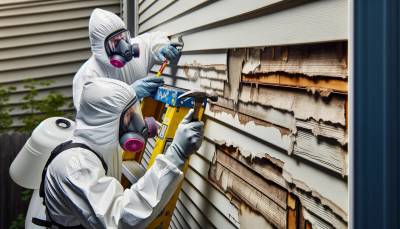
Severe mold can damage your wood furniture. It can spread quickly too. Professional help is needed in such cases. They have the right tools. And skills. They ensure safe and complete removal. They also prevent future growth.
Mold can return if not treated well. You might clean it, but it comes back. This means the root cause is still there. Professionals find and fix this cause. They ensure your furniture stays mold-free. They also offer tips for future prevention.

Credit: rescueonerestoration.com
Frequently Asked Questions
Can Moldy Wood Furniture Be Saved?
Yes, moldy wood furniture can be saved. Clean the mold with a mixture of water and vinegar. Let it dry completely. Sand and refinish if necessary to restore its appearance.
What Kills Mold On Wood Furniture?
White vinegar, baking soda, or hydrogen peroxide effectively kill mold on wood furniture. Clean the area thoroughly.
Is Bleach Or Vinegar Better To Kill Mold On Wood?
Vinegar is better for killing mold on wood. It penetrates porous surfaces and eliminates mold roots effectively. Bleach only removes surface mold and doesn’t prevent regrowth.
How Do You Remove Mold From Furniture Permanently?
To remove mold from furniture permanently, use a mixture of vinegar and water. Scrub affected areas thoroughly. Dry completely in sunlight. Ensure proper ventilation to prevent future mold growth. Consider using dehumidifiers to maintain low humidity levels indoors.
Conclusion
Removing mold from wood furniture is simple with the right steps. Clean regularly to prevent mold growth. Use mild cleaners for safety. Always dry the furniture well. Ventilate the room to reduce moisture. Regular checks help catch mold early. Keep your wood furniture looking great and lasting long.
Follow these tips to maintain a healthy and beautiful home.