How to Clean Off Citristrip Residue (Wood, Metal & Concrete)
Citristrip leaves a waxy film behind after you scrape, and the maker’s directions call for an abrasive pad dipped in odorless mineral spirits (or Klean-Strip After Wash) to remove it, then a fully dry surface before you refinish. A damp rag alone is a poor cleaner for that film. Skip this step and new stain or topcoat can fail to bond. Below: the steps for wood, what changes on metal and concrete, and which cleaner suits your next finish.
What Removes Citristrip Residue? Odorless Mineral Spirits
|
Best Residue Cleanup Pick | |
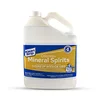 |
Klean-Strip Odorless Mineral Spirits, 1 Gallon: $21.98 This is the solvent named in Citristrip’s own cleanup directions, and the one the wipe-down step below calls for.
|
As an Amazon Associate we earn from qualifying purchases. | |
Scraping gets the bulk of the softened finish off, but a thin film stays on the surface. That film is why bare wood can feel slightly tacky or slick after stripping, and why a stain applied straight over it can look blotchy. Citristrip’s own product page says to use a clean abrasive pad dipped in After Wash or odorless mineral spirits to loosen the remaining finish and remove any residue. Several finishing guides explain the reason: the gel contains wax that keeps it from drying out while it works, and wax does not wash off with water.
Here is what to have on the bench before you start:
- A plastic scraper and a stiff brush for the last of the gel (the label says plastic, which will not gouge softwood the way a metal blade can)
- Odorless mineral spirits or Klean-Strip Paint Stripper After Wash
- Non-woven abrasive pads, plus fine #0000 steel wool for stubborn spots on wood you plan to finish with an oil-based product
- Clean cotton rags, plenty of them, because the film transfers to every rag
- Chemical-resistant gloves (the label recommends them) and eye protection
- A flat, ventilated work area with no pilot lights, sparks or space heaters nearby
If you are still deciding how to strip the piece in the first place, our guide to removing finish from wood by strip, sand or heat gun compares the methods. This page picks up after the gel is already on and scraped off.
Safety Before You Start: Solvents, Rags and Disposal
Mineral spirits is a flammable solvent, so treat the cleanup stage as its own hazard rather than an afterthought. Read the warnings on the can you are using, since ventilation and flammability details vary by product. The Citristrip pages we checked list chemical-resistant gloves as the minimum protection, so add goggles and a respirator rated for organic vapors if you are working in a closed garage. For a broader look at the stripper itself, see our Citristrip safety guide.
Rags need a plan too. The stripped finish can mix into them, and rags holding oil-based varnish or stain residue can heat up on their own when bunched together. Two disposal routes come up repeatedly in safety guidance: lay the rags flat in a single layer on a non-flammable surface outdoors until the solvent has evaporated, or submerge them in water inside a sealed metal container. Either way, local hazardous waste rules still apply. Citristrip and Klean-Strip both say to take leftover product and empty containers to a household hazardous waste collection facility, which is also why disposing of Citristrip never means pouring it down the drain.
How to Clean Citristrip Residue Off Bare Wood, Step by Step
This sequence follows the manufacturer’s cleanup directions, with a few extra checks that finishers add from experience on stripped furniture. Work one section at a time (a drawer front, one third of a tabletop) so the solvent never sits and dries before you wipe.
- Scrape everything loose first: remove all the softened finish with a plastic scraper, working with the grain, because cleanup solvent cannot handle thick leftover gel.
- Wet the pad, not the wood: dip a clean abrasive pad in odorless mineral spirits until damp but not dripping.
- Scrub with the grain: use light, even strokes along the grain to loosen the film and any remaining color or varnish.
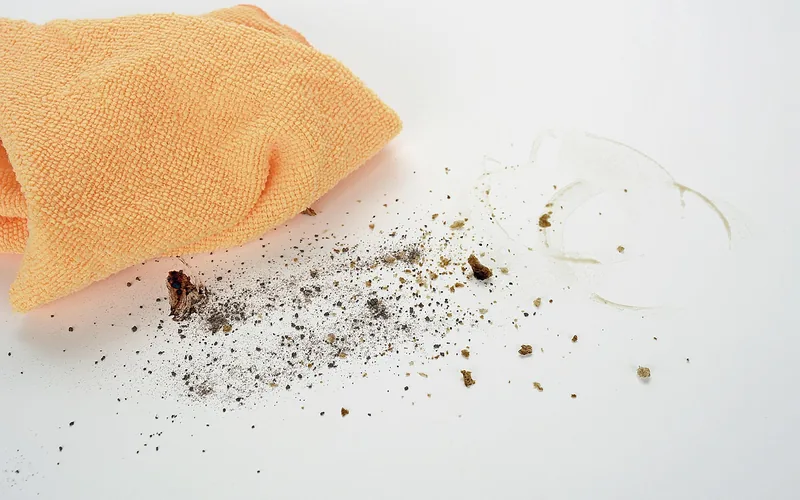
- Wipe up the slurry right away: follow with a clean rag so dissolved wax is lifted off, not left to redeposit as the solvent evaporates.
- Switch rags often: a rag that has turned gray and oily is only spreading wax around, so change to a fresh one as soon as it stops picking up residue.
- Spot-treat carvings and corners: use fine #0000 steel wool dipped in mineral spirits, or an old toothbrush, for grooves where a pad cannot reach.
- Do a last pass with a fresh rag: the wood should look even in color and feel dry and smooth, with no slick or sticky patches.
- Let it dry completely: the label says the surface should be completely clean and dry before refinishing. Drying time depends on temperature, humidity and how much solvent soaked in, so follow the timing on your stain or topcoat can.
Some guides add a warm-water wipe after the solvent to rinse away leftover residue. Citristrip’s own directions do not require it. If you do use one, keep the rag only damp and dry the piece promptly, because water raises the grain on bare wood and adds a sanding step. The solvent-only route is the manufacturer’s route.
| Cleanup step | What it removes | Skip it if… |
|---|---|---|
| Plastic scraper and brush | Bulk of the softened gel and old finish | Never skip; solvent cannot cut through thick gel |
| Mineral spirits and abrasive pad | Waxy film and remaining finish traces | You are using After Wash, which does the same job |
| #0000 steel wool with solvent | Stubborn bits in grain and carvings | Your next coat is water-based (see below) |
| Optional damp-rag water wipe | Last traces of solvent smell | The manufacturer route is enough for your project |
| Drying time | Solvent still trapped in the wood | Never skip; wet wood and fresh solvent ruin a finish |
Match the Cleaner to Your Next Finish
Most articles on this topic stop at “use mineral spirits.” The catch is that what you wipe with can affect what you apply next. Citristrip’s wax is the reason a solvent step exists, and General Finishes, a wood-finish maker, publishes guidance on cleaning citrus stripper off before a water-based product. Because the cleanup solvent can interact with your next coat, the finish you plan to use should drive the choice.
| Your next finish | Safe cleanup route | Check first |
|---|---|---|
| Oil-based stain or polyurethane | Odorless mineral spirits, then full dry time | Can instructions on recoat or wait times |
| Water-based stain or polyurethane | Mineral spirits for the main cleanup, then follow the finish maker’s advice for a final wipe (some makers recommend acetone) | Test a hidden spot; poor adhesion shows up as beading or peeling |
| Paint or primer | After Wash or mineral spirits, then scuff-sand lightly | Primer label for surface prep |
| Bare wood left natural (oil or wax) | Mineral spirits and full dry time | Whether the oil needs a damp or dry surface |
Always read the finish label first; the maker of your stain or topcoat has the final word on prep, and that overrides any general rule in an article. For a related situation, see our guide on staining over varnished wood, which covers why surface prep decides how the stain takes.
Citristrip stays wet and active for up to 24 hours, so gel left on a vertical or carved surface for a day can leave thicker residue than you expect. Source: Citristrip product page
Residue Still Sticky or Dried Hard? Try These Fixes
Sticky patches after cleanup almost always mean wax or gel is still on the surface, not that the wood is damaged. Work through these in order:
- Repeat the solvent wipe with a fresh pad and fresh rag. One pass often only thins the film.
- Re-wet dried gel with a little fresh Citristrip. Several finishing guides suggest leaving a thin coat on the hardened spot for about 20 minutes so it softens, then scraping again before the solvent wipe.
- Use a toothbrush in details. Moldings, carvings and screw holes trap gel that a flat pad skips.
- Check the lighting. Raking light from a window shows a leftover film as a dull or glossy patch before you ever touch it.
- Wait, then test. A spot that seems tacky right after wiping may just be wet solvent, so give it dry time before deciding to scrub again.
Cleaning Citristrip Residue From Metal and Concrete
Searchers often ask about metal doors, hardware and concrete, and the cleanup logic is the same: scrape, solvent, wipe, dry. Klean-Strip’s After Wash label says it removes stripping residue from wood grain, metal and masonry, and the Citristrip page makes the same pad-and-solvent recommendation.
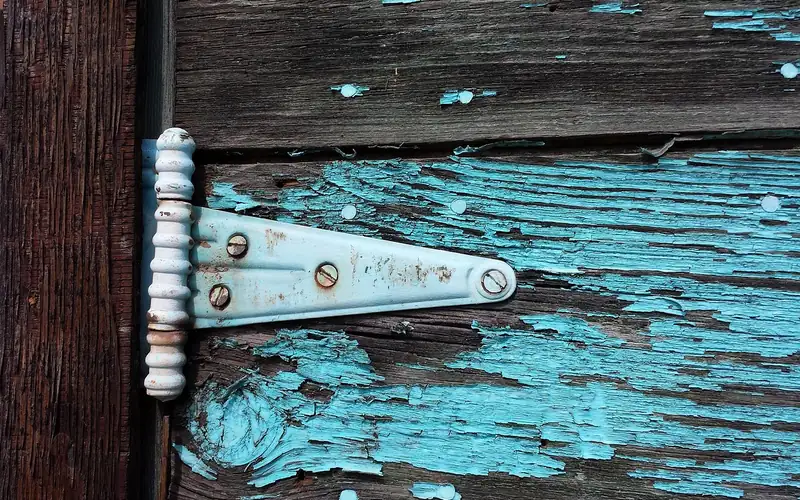
- Metal (doors, hinges, tools): scrub grooves with an abrasive pad and mineral spirits, wipe dry, and keep bare steel from sitting damp so it does not flash-rust.
- Concrete and brick: the surface is porous, so scrub with a stiff brush and solvent, blot with rags rather than smearing, and test a hidden patch first since solvent can darken or stain masonry.
- Surfaces to avoid: the maker says Citristrip cannot be used on composite decking and does not recommend it on plastic or fiberglass, so do not assume the cleanup tricks above are safe there either.
Common Mistakes When Cleaning Off Citristrip
- Washing with water only and then staining. The film that water leaves behind is what causes patchy color.
- Stripping the surface and refinishing the same day. The label calls for a completely dry surface.
- Using a metal scraper on soft wood, which can leave gouges you then have to sand out.
- Reusing the same rag until it is gray, which just moves wax around the board.
- Leaving solvent-soaked rags balled up in a bin instead of laying them flat or sealing them in water.
- Pouring leftover solvent or Citristrip down a drain instead of taking it to a hazardous waste collection site.
If you are planning a second coat of stripper because the old finish was thick, our notes on how long Citristrip takes to work and the full Citristrip application steps will help you plan the sequence so you only clean up once.
Frequently Asked Questions
Can you clean Citristrip residue with water?
Water alone is a poor choice. The residue is waxy and oily, so a damp rag tends to smear it. The manufacturer says to use an abrasive pad with odorless mineral spirits or After Wash, then let the surface dry. Some guides add a damp warm-water wipe afterward, but it is not a substitute for the solvent step.
What is the best thing to remove Citristrip residue?
Odorless mineral spirits is the most common choice and is named in Citristrip’s own directions, along with Klean-Strip Paint Stripper After Wash. Apply it with an abrasive pad, wipe with clean rags and change them often. For a water-based finish, check what the finish maker recommends for the final wipe.
Do you have to clean Citristrip off before staining?
Yes. The maker says the surface should be completely clean and dry before refinishing. Leftover residue can keep stain or topcoat from bonding, which shows up as blotchy color or peeling later.
How do you remove dried Citristrip from wood or metal?
Soften it first. Several finishing guides recommend brushing a thin layer of fresh Citristrip over the dried spot for about 20 minutes, scraping, then wiping with mineral spirits. An old toothbrush helps in grooves and carvings.
Can Citristrip residue go down the drain?
No. The maker says to take leftover product and empty containers to a household hazardous waste collection facility and follow local rules. Wipe up residue with rags and handle the rags as described in the safety section above.
Conclusion
Scrape thoroughly, wipe the surface with odorless mineral spirits on a clean pad, change rags often, and give the piece full dry time before you refinish. That solvent step is what removes the wax Citristrip leaves behind, and it is the difference between a stain that takes evenly and one that blotches. Check your finish label for the final wipe, and handle rags and leftover solvent as hazardous waste.
Sponsored / affiliate links. As an Amazon Associate I earn from qualifying purchases. I may earn additional commission from eligible campaigns.