How to Remove Stains From Dry Clean Only Clothes (Without Ruining Them)
Water is the biggest risk to a “dry clean only” garment, not the stain itself. Silk, wool, rayon, and structured fabrics like tailored wool suiting are labeled dry clean only because water can shrink them, bleed their dye, or leave a permanent ring — so before you treat any stain, the first decision is whether to use a water-based approach or a solvent-based one that skips water entirely.
Water-Based vs. Solvent-Based Spot Treatment
Best Solvent-Based Spot Remover
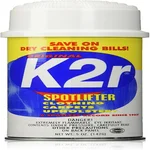 |
K2r Spotlifter Spot Remover – $22.07 A solvent-based formula made specifically for dry-clean-only fabrics, so it lifts oil and grease stains without introducing water.
|
Most home remedies (vinegar and water, baking soda paste, mild detergent and water) are water-based, which is exactly what “dry clean only” is warning you about. They can work on sturdy dry-clean-only fabrics like some cottons and linens labeled that way for dye stability rather than fiber fragility, but they’re genuinely risky on silk, wool, rayon, and anything with visible structure or lining. A solvent-based spot remover (the kind sold specifically as a pre-dry-cleaning treatment) lifts oil and grease-based stains without introducing water at all, which is the safer default when you’re not sure how a fabric will react.
Always Test First — Here’s How
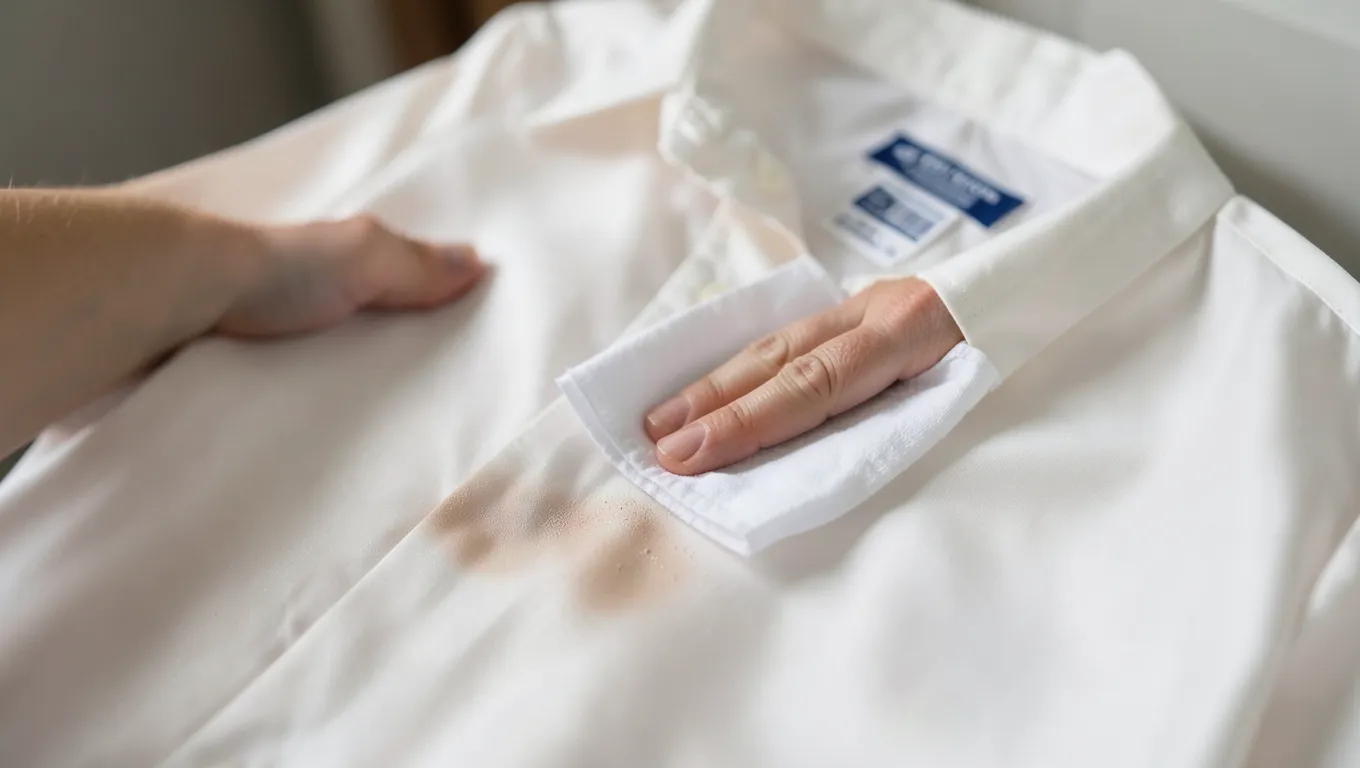
Pick an inside seam allowance or the inside of a cuff — somewhere not visible when worn. Apply a small amount of whatever you’re about to use and blot (don’t rub) with a white cloth. Wait a few minutes and check for color transfer onto the cloth, color change in the fabric, or any texture change. If anything looks off, stop and take the garment to a professional cleaner instead — a hidden-seam test takes two minutes and is far cheaper than replacing the garment.
Treating Specific Stain Types
| Stain | Approach |
|---|---|
| Butter, oil, grease | Blot excess immediately, then sprinkle cornstarch or talcum powder on the spot and let it sit for a few hours to absorb the oil before brushing off. A solvent-based spot remover handles what’s left. |
| Sweat / underarm (pit stains) | Blot with a cloth dampened (not soaked) in cold water and a tiny amount of mild detergent, working from the outside of the stain inward. Test first — sweat stains often sit on linings that react differently than the outer fabric. |
| Wine, coffee, ink | Blot immediately, don’t rub. These are usually best left to a professional cleaner on delicate fabrics since home treatment risks setting the stain permanently if the wrong solvent is used. |
| Makeup (foundation, lipstick) | Gently scrape off excess with a dull edge, then use a solvent-based remover rather than water, since most makeup is oil-based. |
When to Skip DIY and Go to a Professional Cleaner
Take the garment to a professional instead of treating it at home if: the fabric is silk, fine wool, or has visible structure/lining; the garment is expensive or sentimental; the stain is old or already set; or your hidden-seam test showed any color change. Professional dry cleaners use solvents like perchloroethylene or hydrocarbon-based alternatives specifically chosen for the fabric, applied with equipment that controls how much solvent contacts the garment — something a spot treatment at home can’t fully replicate.
Preventing Stains in the First Place
Keep a solvent-based stain pen or spray on hand for quick blotting the moment a spill happens — speed matters more than the specific product for most stains. Use a napkin at meals, an apron while cooking, and store dry-clean-only garments on padded hangers in breathable garment bags (not plastic, which traps moisture and encourages mildew).
Frequently Asked Questions
Can You Wash a “Dry Clean Only” Item at Home?
Sometimes, carefully. Sturdy fabrics labeled dry clean only mainly for dye stability can often be hand washed in cold water with a mild detergent and dried flat. Silk, fine wool, and structured or lined garments are much riskier to hand wash and are safer left to a professional cleaner.
Can You Use OxiClean on Dry Clean Only Clothes?
Generally no. OxiClean and similar oxygen-bleach products are water-activated and can damage delicate dry-clean-only fibers or affect dye. A hidden-seam test is essential if you’re considering it, and a solvent-based spot remover is the safer default choice.
How Do I Remove a Butter or Grease Stain From a Dry Clean Only Garment?
Blot excess grease immediately, then cover the spot with cornstarch or talcum powder for a few hours to absorb the oil before brushing it away. Follow up with a solvent-based spot remover rather than water and detergent, since grease responds better to solvent than to water.
Does Dry Cleaning Actually Remove Stains?
Yes, for most stains, especially oil and grease-based ones the solvents are specifically good at dissolving. Some stains (old, set-in, or protein-based like blood) may need pre-treatment before the dry cleaning cycle, so point out specific stains to your cleaner rather than assuming the standard process will catch everything.
Sponsored / affiliate links. As an Amazon Associate I earn from qualifying purchases. I may earn additional commission from eligible campaigns.