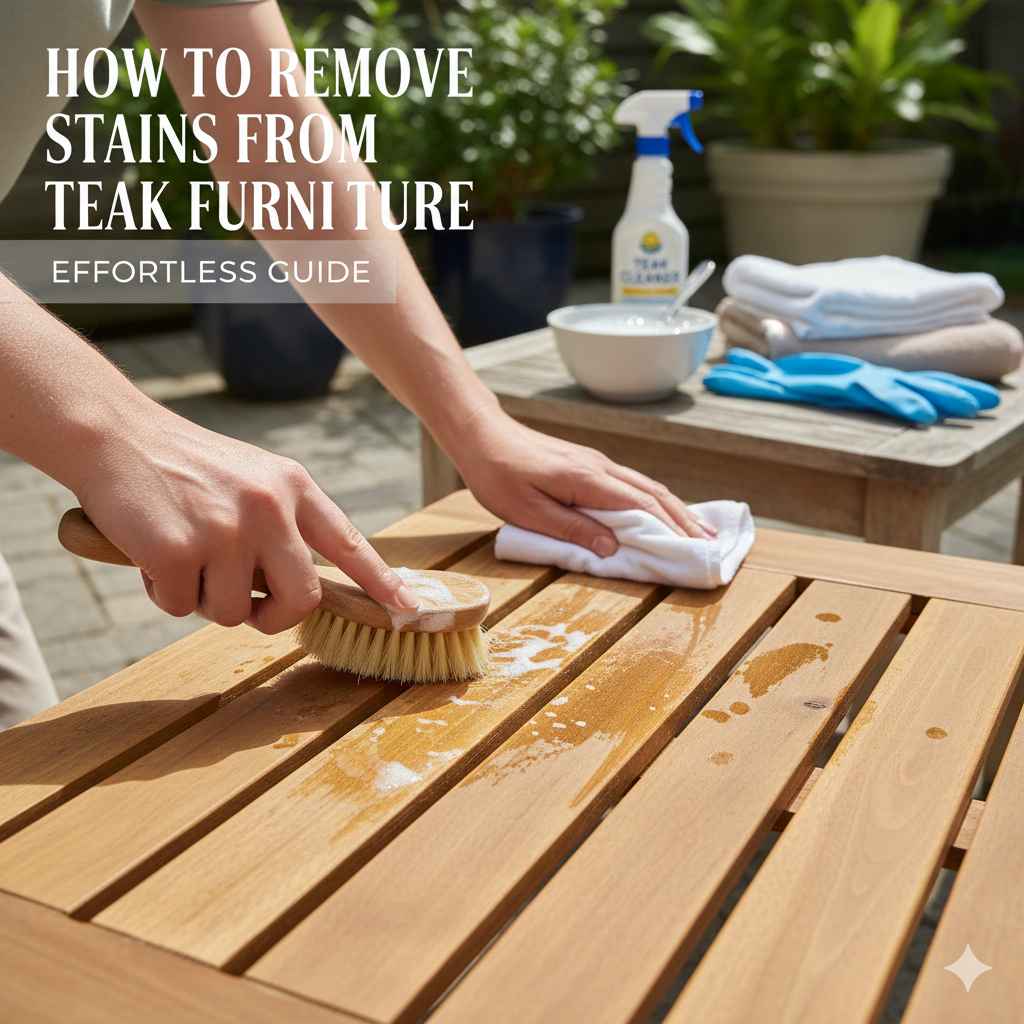
How to Remove Stains From Teak Furniture: Effortless Guide
Easily remove stains from teak furniture using gentle, natural methods. This guide offers simple, step-by-step solutions for common stains, ensuring your beloved teak pieces look beautiful again with minimal effort and maximum care.
Teak furniture is a beautiful addition to any home, indoors or out. Its natural oils give it a warm glow and impressive durability. However, life happens, and spills, food, and dirt can leave unsightly stains. It can be frustrating to see a beloved teak table or chair marred by a mark! But don’t worry; restoring the pristine beauty of your teak is simpler than you might think. You don’t need harsh chemicals or professional help.
This guide will walk you through safe, effective, and beginner-friendly methods for tackling various stains on your teak furniture. We’ll cover everything from common food spills to tougher marks, ensuring you can confidently bring your teak back to life. Let’s get your furniture looking its best again!
Understanding Teak and Stains
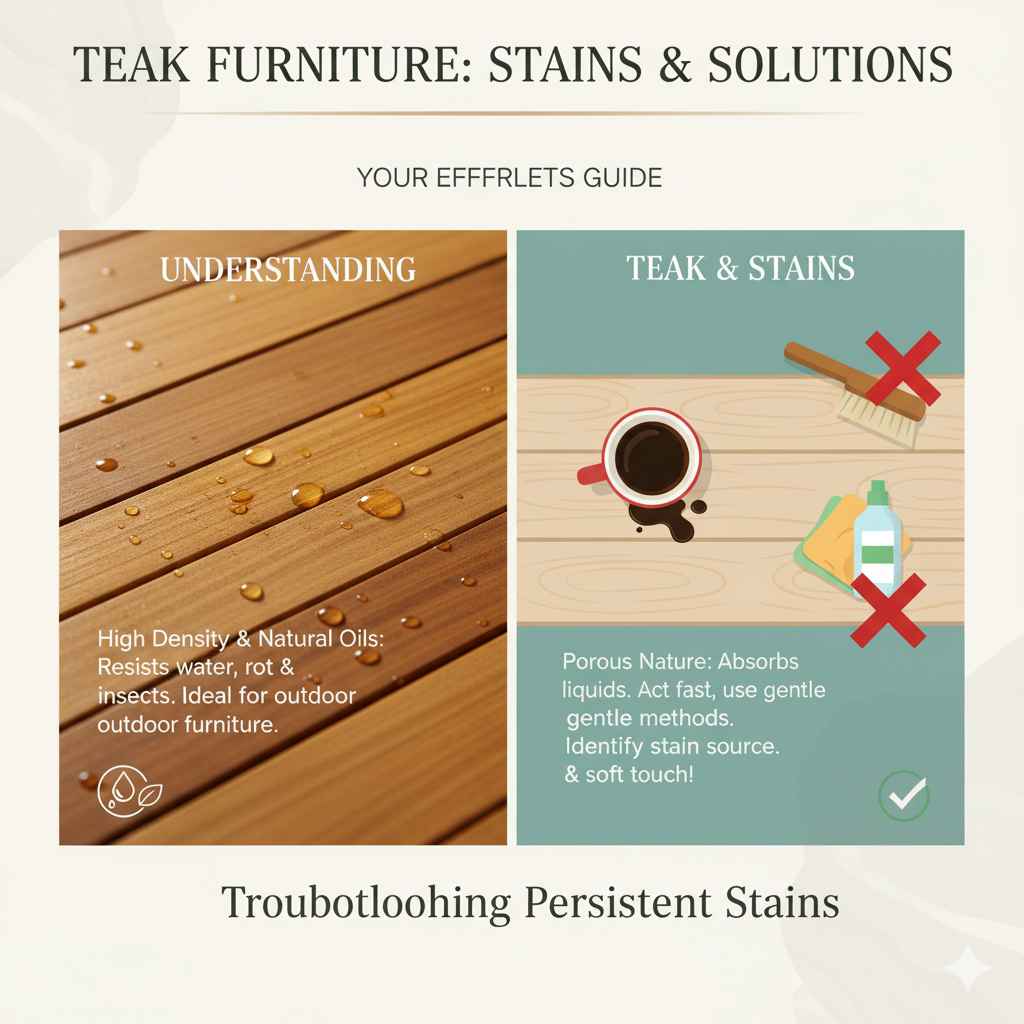
Teak wood is known for its high density and natural oil content, which makes it resistant to water, rot, and insect damage. This is why it’s a popular choice for outdoor furniture. However, its porous nature means it can absorb liquids, leading to stains if not cleaned promptly. The key to stain removal is to act fast and use gentle methods that won’t damage the wood’s surface or strip away its natural oils.
Different types of stains require slightly different approaches. Identifying the source of the stain will help you choose the most effective cleaning solution. Remember, patience and a gentle touch are your best tools when working with teak.
Essential Tools and Supplies
Before you start, gather a few basic items. You likely have most of these already in your home. Having everything ready will make the cleaning process smooth and efficient.
- Soft, clean cloths (microfiber is excellent)
- A soft-bristled brush or an old toothbrush
- Mild dish soap or liquid hand soap
- Warm water
- White vinegar
- Lemon juice
- Baking soda
- A small bowl for mixing solutions
- Optional: Teak cleaner (specifically formulated for teak furniture)
- Optional: Fine-grit sandpaper (180-220 grit), only for very stubborn stains and as a last resort. Use with extreme caution.
- Optional: Teak oil or sealer for finishing
General Stain Removal Steps for Teak
These steps form the basis for most stain removal tasks. Always start with the gentlest method. Work your way up to stronger solutions only if necessary.
- Wipe Away Excess: If the stain is fresh, gently blot up any excess liquid or solid matter with a clean, dry cloth. Do not rub, as this can spread the stain.
- Prepare a Gentle Cleaning Solution: Mix a few drops of mild dish soap with warm water in a small bowl. Alternatively, dilute white vinegar or lemon juice with an equal amount of water.
- Test in an Inconspicuous Area: Before tackling the visible stain, test your chosen cleaning solution on a hidden spot of the furniture (like the underside of a table or the back of a chair leg). This ensures it doesn’t discolor or damage the wood.
- Apply the Solution: Dampen a clean cloth with your chosen solution. Do not saturate the wood. Gently wipe the stained area, working from the outside of the stain inwards.
- Scrub Gently (If Needed): For tougher spots, use a soft-bristled brush dipped in the cleaning solution. Scrub gently in the direction of the wood grain. Avoid aggressive scrubbing, which can damage the surface.
- Rinse: Wipe the area with a clean cloth dampened with plain water to rinse away any soap residue.
- Dry Thoroughly: Pat the area dry with a clean, soft cloth. Allow the furniture to air dry completely.
- Evaluate: Once dry, check if the stain is gone. If it’s still visible, you can try a slightly stronger solution or repeat the process.
Tackling Common Teak Furniture Stains
Let’s dive into specific stain types and how to tackle them. Remember to always test your chosen method first!
Food and Beverage Stains (e.g., Coffee, Wine, Grease)
These are among the most common stains. Prompt action is key!
For light stains:
- Mix a solution of mild dish soap and warm water.
- Dampen a soft cloth with the solution and gently wipe the stain.
- Rinse with a clean, damp cloth and dry thoroughly.
For stubborn food or grease stains:
- Create a paste of baking soda and water.
- Apply the paste to the stain and let it sit for about 10-15 minutes.
- Gently scrub with a soft brush in the direction of the wood grain.
- Wipe clean with a damp cloth and dry immediately.
Baking soda is a mild abrasive and an excellent absorbent, helping to lift grease and grime without being harsh.
Water Rings and White Stains
These often occur from condensation or wet items left on the furniture. They can be a bit tricky, but vinegar is often effective.
- Mix equal parts white vinegar and warm water.
- Dampen a soft cloth with the solution and gently rub the water ring.
- For persistent rings, you can dab a little lemon oil on a cloth and rub gently. The oil in the lemon oil can help to re-moisten and blend the wood finish.
- Wipe the area with a clean, damp cloth and dry thoroughly.
The mild acidity of vinegar can help to lift the residue causing the white ring.
Ink Stains
Ink can be challenging, but there are a few approaches you can try.
- Mild Ink: Try the mild soap and water solution first.
- More Stubborn Ink: Dip a cotton swab in rubbing alcohol (isopropyl alcohol) to test. Gently dab the ink stain. Work carefully to avoid spreading the ink.
- Very Deep Ink: As a last resort for very dark or deeply set ink, you might consider a very fine-grit sandpaper (220-grit). Lightly sand the stained area only in the direction of the wood grain. Sanding should be minimal, just enough to remove the stained layer. Be extremely careful not to oversand or create a noticeably smoother patch.
- Always clean the area with a damp cloth after using alcohol or sandpaper and dry thoroughly.
Always remember that sanding can change the finish of the wood, so try other methods first. For more information on wood finishes, you can refer to resources like the Wood Magazine Wood Finishing Basics guide.
Mold and Mildew Stains
These often appear on outdoor teak furniture that has been left wet or exposed to damp conditions.
- Preparation: Ensure the furniture is in a well-ventilated area. Wear gloves.
- Mild Solution: Start with a solution of 1 part white vinegar to 10 parts warm water.
- Application: Use a soft brush dipped in the solution to gently scrub the mildewed areas. Work in the direction of the wood grain.
- Rinsing: Rinse thoroughly with plain water using a clean cloth.
- Stubborn Stains: If the vinegar solution doesn’t work, you can try a very dilute bleach solution (1 part bleach to 20 parts water). Use with extreme caution and ensure good ventilation. Test this in an inconspicuous area first, as bleach can lighten teak.
- Drying: Allow the furniture to dry completely in the sun if possible, as sunlight helps kill any remaining spores.
Proper ventilation and regular cleaning are the best defenses against mold and mildew. The Environmental Protection Agency (EPA) offers great tips on mold prevention and cleanup, which can be applied to outdoor furniture care.
General Dirt and Grime
Over time, teak can collect a layer of dirt that dulls its appearance.
- Mix a solution of mild dish soap and warm water.
- Use a soft cloth to wipe down the entire piece of furniture, paying attention to any areas with accumulated dirt.
- For textured areas or intricate details, a soft-bristled brush can be very helpful.
- Rinse the furniture by wiping it down with a clean cloth dampened with plain water.
- Let the furniture air dry completely.
When to Use Commercial Teak Cleaners
There are many excellent commercial teak cleaners available. These are specifically formulated to clean and often brighten teak without causing damage. They can be a great option if you’re unsure about DIY solutions or if your teak has a more complex finish.
When to consider them:
- When DIY solutions haven’t fully worked.
- If you want a product that simultaneously cleans and brightens.
- For regular maintenance cleaning of your teak furniture.
Always follow the manufacturer’s instructions carefully. Look for products that are pH-neutral or specifically designed for teak. A reputable resource like Popular Mechanics’ guide to teak cleaners can offer some product recommendations.
Protecting Your Teak Furniture After Stain Removal
Once you’ve successfully removed stains, it’s essential to protect your teak to prevent future issues and maintain its beauty.
Cleaning vs. Restoring
It’s important to distinguish between cleaning and restoring. Cleaning removes surface dirt and stains. Restoring often involves deep cleaning, followed by conditioning and sealing to bring back the wood’s natural luster and protect it.
To Oil or Not to Oil: The Teak Debate
Many people choose to let their teak furniture age naturally to a silvery-gray patina. This is a sign of healthy, well-maintained teak. Others prefer to maintain the wood’s original golden-brown color.
If you want to maintain the original color:
- Cleaning: After cleaning and drying, apply a quality teak oil or sealer.
- Application: Apply the oil with a clean, lint-free cloth, working it into the wood grain.
- Wipe Off Excess: Allow the oil to penetrate for about 15-20 minutes, then wipe away any excess with a clean cloth.
- Frequency: This typically needs to be done once or twice a year, depending on your climate and how much the furniture is exposed.
Benefits of Sealing Teak
Sealing teak furniture provides an extra layer of protection against moisture, UV rays, and stains. It can help to:
- Prevent future staining.
- Slow down the graying process.
- Enhance the natural beauty and color of the wood.
- Make cleaning easier.
You can find a broad range of teak finishing products, including oils, sealers, and conditioners, at most hardware stores and online retailers.
What to Avoid When Cleaning Teak
Just as important as knowing what to do is knowing what not to do. Using the wrong products or techniques can cause irreparable damage to your teak furniture.
- Harsh Chemicals: Never use ammonia, bleach (unless heavily diluted and with extreme caution for mildew), or abrasive household cleaners. These can strip teak’s natural oils and damage its surface.
- Steel Wool or Stiff Brushes: These can scratch the wood and scratch teak permanently. Stick to soft cloths and soft-bristled brushes.
- Excessive Water: Never soak teak furniture. While teak is water-resistant, prolonged exposure to standing water can lead to issues. Always dry thoroughly after cleaning.
- Power Washers: High-pressure washing can force water into the wood, damage the fibers, and strip away the natural oils. It’s far too aggressive for teak.
- Ignoring Stains: The longer a stain sits, the harder it is to remove. Address spills and marks as soon as possible.
For a deeper understanding of what to avoid, resources on furniture care from organizations like The National Trust for Historic Preservation often provide excellent general guidance applicable to fine wood furniture.
Troubleshooting Persistent Stains
If you’ve tried the recommended methods and a stain is still visible, don’t despair. Here are a few more advanced options, always to be used with caution:
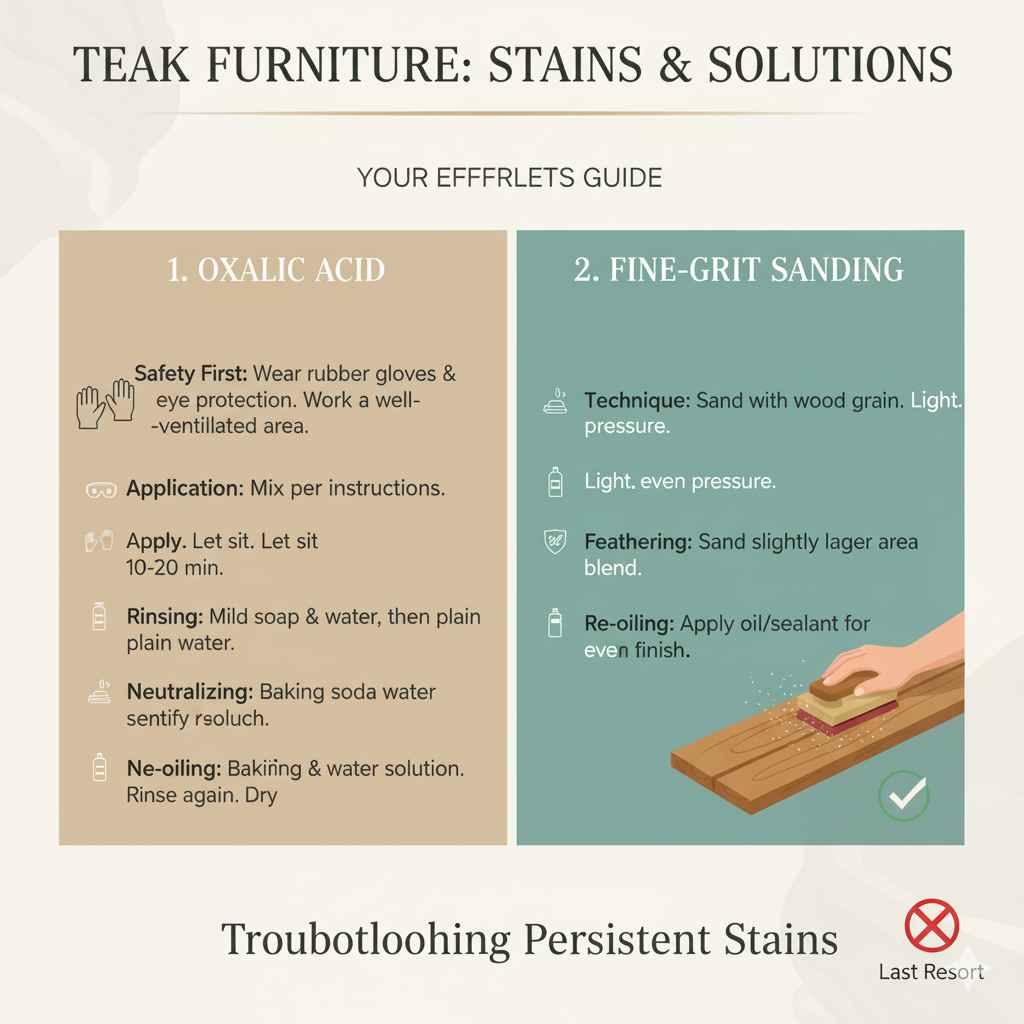
1. Oxalic Acid (for stubborn dark stains, like rust or pet stains):
- Oxalic acid is a wood brightener often found in commercial teak cleaners or as a powder to be mixed with water. It’s particularly effective for dark stains and revitalizing weathered teak.
- Safety First: Always wear rubber gloves and eye protection. Work in a well-ventilated area.
- Application: Mix the oxalic acid according to product instructions. Apply to the stained area with a cloth or sponge. Let it sit for the recommended time (usually 10-20 minutes).
- Rinsing: Rinse thoroughly with a mild soap and water solution, then with plain water. Ensure all residue is gone.
- Neutralizing (Important!): After rinsing, it’s crucial to neutralize the acid. A solution of baking soda and water (about 1 tablespoon baking soda to 1 quart of water) can be used. Wipe the area with this solution, then rinse again with plain water.
- Drying: Dry thoroughly.
2. Fine-Grit Sanding (Last Resort):
- As mentioned for ink, very fine-grit sandpaper (220-grit or higher) can be used to remove the very top layer of wood where the stain resides.
- Technique: Sand only in the direction of the wood grain. Use light, even pressure. Blend the sanded area into the surrounding wood as much as possible.
- Feathering: Sometimes, you might need to lightly sand a slightly larger area around the stain to make the repair less noticeable.
- Re-oiling: After sanding, the area will likely look lighter. You will almost certainly need to re-oil or seal the entire piece of furniture to ensure an even finish.
Remember, sanding alters the wood surface. Always try less invasive methods first. A good resource from Woodworkers Journal can provide more details on proper sanding techniques.
FAQ: Your Teak Stain Removal Questions Answered
Q1: How often should I clean my teak furniture?
It depends on its placement. For indoor furniture, a good dusting and wiping with a damp cloth every few weeks is usually sufficient. For outdoor furniture, cleaning every few months or after noticeable spills or grime will help maintain its condition. Regular protection with teak oil or sealer is also recommended.
Q2: Can I use furniture polish on my teak furniture?
Generally, no. Most standard furniture polishes contain silicones or waxes that can build up on teak, make it look dull, and interfere with its natural oils or subsequent oil treatments. Stick to dedicated teak cleaners, oils, and sealers.
Q3: My teak furniture has turned gray. Is that a stain?
No, the silvery-gray color is a natural aging process for teak exposed to sunlight and the elements. It’s called a patina and is a sign of healthy teak. If you prefer the original golden-brown color, you can use a teak cleaner (which often contains mild acids to remove the gray layer) or a teak brightener, followed by teak oil.
Q4: I spilled something on my teak table. What’s the fastest way to clean it?
Blot up as much of the spill as possible immediately with a clean, dry cloth. Then, use a solution of mild dish soap and warm water on a damp cloth to wipe the area. Rinse with a clean, damp cloth and dry thoroughly. Acting quickly is key to preventing stains from setting.