Colors That Go With Teak Wood: 10 Palette Ideas for Every Room
Teak is a warm wood, golden to medium brown, and it darkens with age, so the best colors to pair with it are soft whites, sage and olive greens, navy, charcoal and terracotta. The right choice depends on the undertone and finish of your piece, not just the species name. This guide gives 10 teak wood color palette ideas by room, plus how teak changes color and what each finish does to it.
What Teak Wood Color Palette Should You Start With?
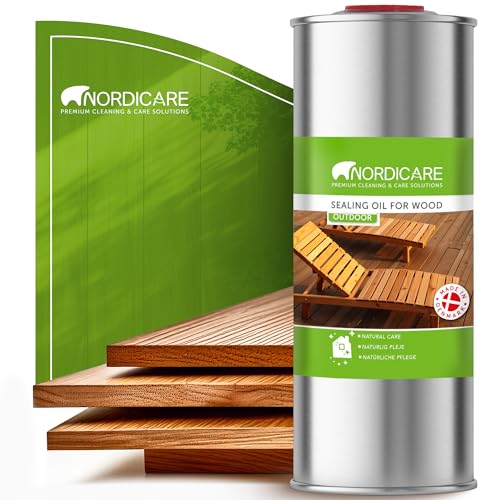
Best Golden Teak Oil Pick | |
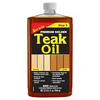 |
Star Brite Premium Golden Teak Oil, 32 oz, $29.46 If you want your teak to stay in the honey-gold range described below instead of drifting to brown or gray, a tinted teak oil is the simplest way to hold that tone. The maker describes this one as leaving a warm golden hue.
|
As an Amazon Associate we earn from qualifying purchases. | |
Before choosing paint or fabric, know what you are matching. The Wood Database describes teak heartwood as a golden or medium brown, with color darkening with age (Wood Database, teak). That is why two teak pieces from different sources can look noticeably different side by side, even though they are the same species.
- Undertone: teak leans warm, meaning yellow-gold to orange-brown, never gray or purple. Pair it with colors that either echo that warmth or deliberately contrast it.
- Depth: new or lightly finished teak reads honey and mid-tone, while decades-old indoor teak can read like a deep chestnut. Check where your piece sits on that range.
- Finish: oil, varnish, wax and bare wood all change how much of the grain and warmth shows. See the finish section below.
- Consistency: solid teak can vary board to board, and veneered pieces can differ between panels, so judge the color in daylight at the actual spot.
How Teak Color Changes From Golden to Gray
Most teak color guides show one swatch, but your wood is a moving target. This timeline combines the Wood Database description with typical finish behavior, and the timing varies a lot by light and climate, so treat it as a rough guide rather than a measured schedule.
| Stage | What it looks like | What drives it |
|---|---|---|
| Freshly cut or sanded | Light honey to golden brown | Natural heartwood color |
| Indoors, first few years | Slowly warms and deepens | Light exposure and age (Wood Database: darkens with age) |
| Indoors, decades | Deep brown with a rich patina, often chestnut or reddish | Long-term oxidation, polish and handling |
| Outdoors, oiled | Golden to amber while the oil lasts, then fades | Oil film wears and UV breaks down the tint |
| Outdoors, unfinished | Silver-gray, usually within a year or two | Sun and rain wear the surface; the heartwood stays sound |
The gray stage is cosmetic. The Wood Database rates teak heartwood as very durable against decay and notes that many consider it the gold standard, so grayed teak is not rotting. If you like it, leave it. If you want the gold back, the surface needs to be cleaned and then re-oiled, as covered in our step-by-step guide to finishing teak wood.
10 Teak Wood Color Palette Ideas
Each palette below names the colors, the room it suits, and one thing to watch. These are design guidelines, not rules, so test every pairing with your own piece in your own light.
1. Teak and Warm White
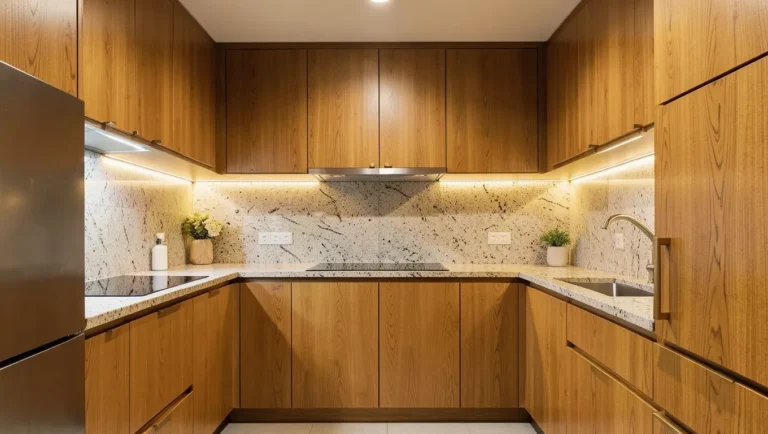
Warm white walls with honey teak is the lowest-risk combination, and it suits living rooms and kitchens. The white lets the grain do the work. Choose a white with a slight cream or yellow base, because a stark blue-white can make teak look orange by comparison.
2. Teak and Sage Green
Sage and olive greens sit naturally beside teak because both come from the same earthy family. This works well in studies, dining rooms and sunrooms. Keep the green muted, since a bright kelly green competes with the wood instead of supporting it.
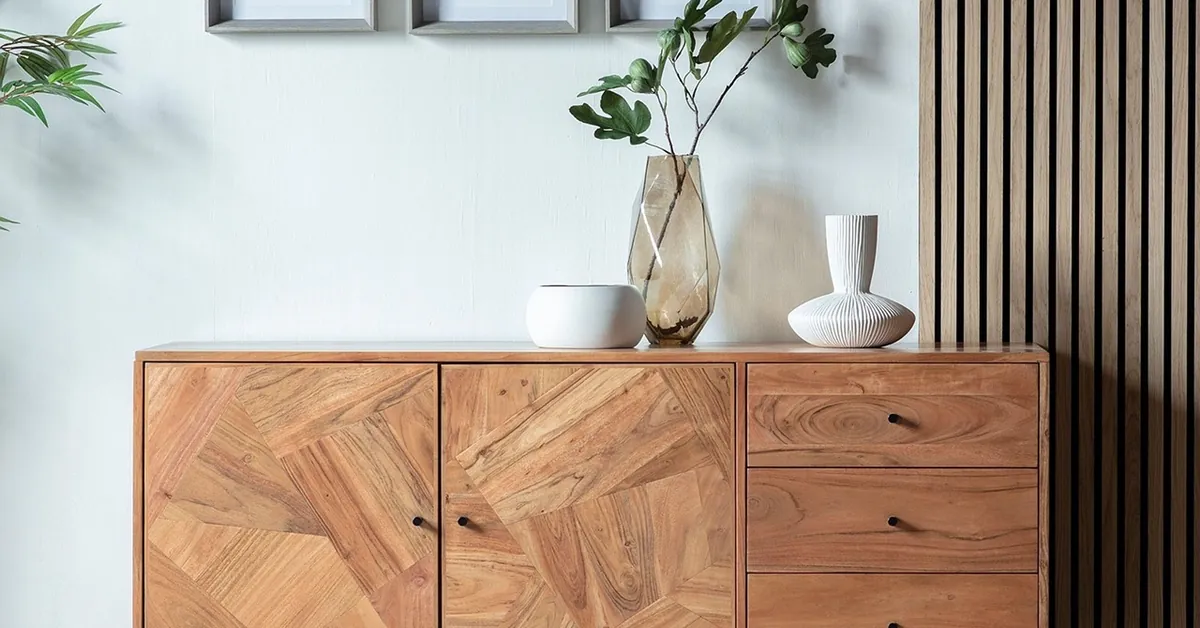
Deep navy is the classic contrast partner, because blue sits opposite orange-gold on the color wheel and makes the wood glow. It suits an accent wall behind a teak sideboard or a navy cushion on a teak bench. Use it on one surface rather than all four walls so the room does not feel dark.
4. Teak and Charcoal
Charcoal gives a modern, grounded look, especially with mid-century teak pieces. It works in home offices and living rooms with plenty of daylight. Add a lighter wall or textiles nearby, or the combination can read heavy.
5. Teak and Terracotta
Terracotta and rust shades echo teak warmth, so this is a tone-on-tone palette for cozy spaces. The risk is too much of one temperature. Break it up with cream, linen or a touch of green so the browns do not blur together.
6. Teak and Soft Gray-Beige
Greige is a quiet backdrop that keeps teak from looking dated. It suits open-plan rooms where several wood tones appear. Pick a greige with a warm undertone, because a cool, bluish gray beside teak can look flat.
7. Teak and Dusty Blue
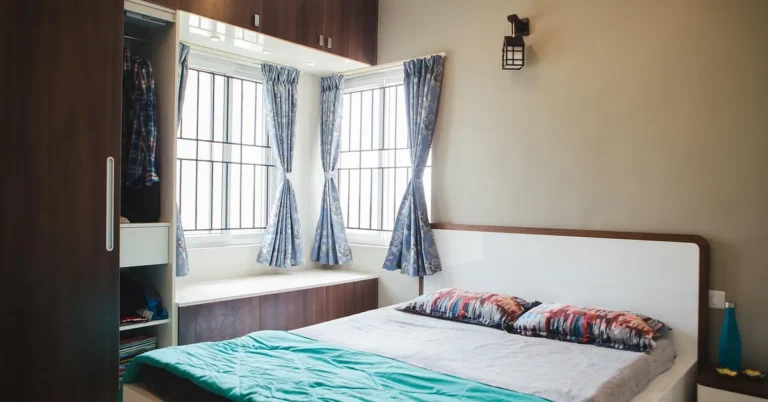
A lighter blue, such as mist or dusty blue, is the softer version of the navy pairing. It works in bedrooms and coastal-style living rooms. The blue is cool but low in contrast, so the wood stays the focus without the room feeling stark.
8. Teak and Black Accents
Black hardware, frames and metal legs give teak a sharp edge. Matte black is easier to live with than gloss. Brass or aged brass is the warmer alternative if you want to deepen the golden tone instead of contrasting with it.
9. Teak and Natural Linen
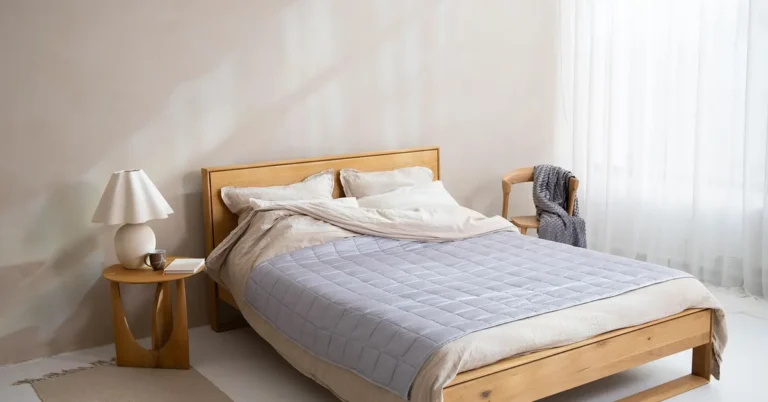
Oatmeal, flax and natural linen textiles soften teak and suit Scandinavian-style rooms. This is a texture palette more than a paint palette. Use it when you want teak to feel relaxed rather than formal.
10. Teak and Deep Forest Green
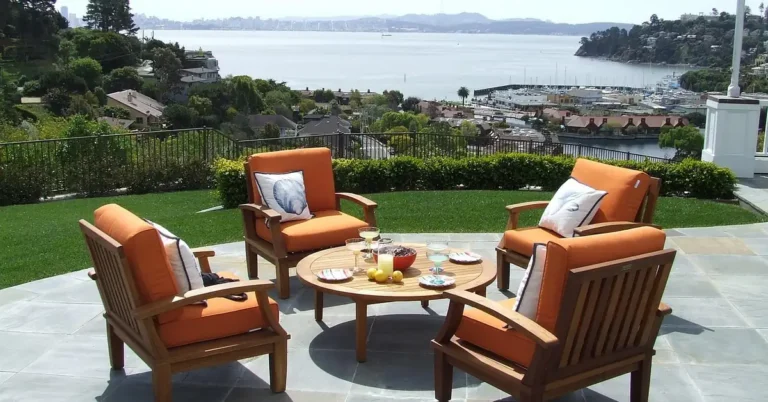
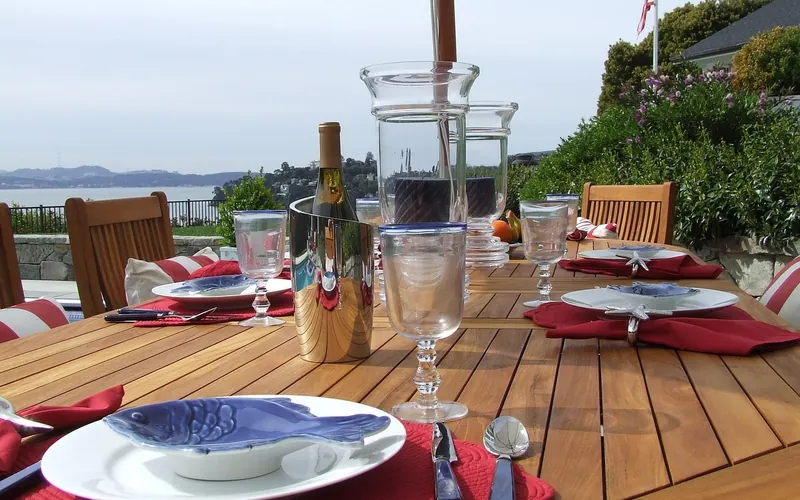
A deep green, darker than sage, makes teak feel library-like and works on bookcases, cabinets and trim. It pairs best with brass or cream accents. Outdoors, deep green planters and cushions against a teak deck or table carry the same idea.
| Palette | Best rooms | Contrast level | Watch out for |
|---|---|---|---|
| Warm white | Living room, kitchen | Low | Blue-white makes teak look orange |
| Sage green | Study, dining room | Low to medium | Bright greens fight the wood |
| Navy | Accent wall, bedroom | High | Too much navy darkens the room |
| Charcoal | Office, living room | High | Needs daylight or light accents |
| Terracotta | Cozy living spaces | Low | Too much warm tone blends together |
| Greige | Open-plan rooms | Low | Cool grays look flat |
| Dusty blue | Bedroom, coastal rooms | Medium | Keep it muted |
| Black accents | Any modern room | High | Gloss black reads harsh |
| Linen neutrals | Scandinavian styles | Low | Can feel bland without texture |
| Deep forest green | Library, cabinets | Medium to high | Needs lighter accents |
How Finish Changes the Teak Color You See
The same teak can read pale or deep depending on what is on top. This matters when you buy a stain or oil to match existing furniture.
| Finish | Effect on color | Maintenance |
|---|---|---|
| Bare, sanded | Pale honey that will darken or gray | None, but it fades fastest outdoors |
| Teak oil or tung oil | Warms and deepens, brings out grain; tinted versions add gold | Reapply when the color fades |
| Clear water-based varnish | Keeps the wood lighter with less amber shift | Recoat when the film wears |
| Oil-based varnish | Ambers and warms the tone over time | Sand and recoat when it fails |
| Dark stain | Hides grain variation and darkens heavily | Hard to reverse; test first |
Always test on a hidden spot or offcut. Teak is oily, and the Wood Database notes that it may be necessary to wipe the surface with a solvent before finishing to reduce the natural oils. Skipping that step is a common reason a finish looks patchy. Our full guide to wood finishes compares how each type cures.
Safety notes when you refinish teak
- Oil-soaked rags can heat up as the oil cures and may spontaneously ignite. Spread them flat outdoors to dry, or seal them in a water-filled metal container before disposal.
- The Wood Database reports teak as a sensitizer with eye, skin and respiratory irritation, so wear a dust mask and eye protection when sanding, and gloves when handling.
- Teak contains up to 1.4 percent silica, which dulls cutting edges, so expect to sharpen tools more often.
Mixing Teak With Other Woods in the Same Room
Matching every wood tone exactly looks flat and rarely works, because no two pieces age the same. A better approach is two or three tones that share a warm undertone, at different depths. Teak sits comfortably beside walnut and cherry, and our guide to what wood goes with cherry uses the same logic for another warm wood.
- Repeat each wood at least twice in a room, so each looks intentional.
- Keep one dominant tone, and let the others be accents.
- Separate similar woods with a rug, paint or textile so they do not touch edge to edge.
- If you have light oak floors, a teak sideboard acts as a deliberate darker anchor.
If your teak is an older piece, our guide to Danish teak furniture covers how to recognize mid-century pieces, which helps when you are trying to match a tone.
Teak Color Outdoors: Planning for Gray
Outdoor color planning has one extra step. Unfinished teak will turn gray, so pick colors that work with both the fresh golden state and the weathered silver state. Deep green, navy and charcoal cushions hold up in both. If you plan to keep it golden, budget for a regular oiling routine.
Teak is durable but not magically waterproof, and our page on whether teak is water resistant explains the difference. If you are weighing it against a cheaper hardwood, see our acacia vs teak comparison, and for species beyond teak, our guide to the best wood for outdoor furniture ranks options by rot rating. For entrances, teak doors follow the same color rules, with ideas in our teak main door design ideas.
How to Test a Palette Before You Commit
- Hold a real piece of the teak, or an offcut, against painted sample boards rather than a screen photo.
- Look at it in morning, midday and lamp light, since warm bulbs push teak toward orange.
- Check the color next to the floor and the largest fabric in the room.
- Live with the sample for a few days before buying a full can.
Frequently Asked Questions About Teak Wood Colors
What colors go best with teak wood?
Teak has a warm golden to medium brown tone, so the safest partners are soft whites, warm creams, sage and olive greens, deep blue, and charcoal. Cool or muted colors let the wood stand out, while more warm browns and oranges can make a room feel heavy unless you vary the shade.
What wall color goes with teak furniture?
Warm white, soft gray-beige, sage green and navy all work well behind teak. Pick a wall color first on a painted sample board, then hold a piece of the real teak next to it in daylight and evening light before committing, because lighting changes how golden the wood reads.
Does teak wood darken over time?
Yes. The Wood Database describes teak heartwood as golden or medium brown, with color darkening with age. Outdoors with no finish, sun and weather eventually turn it silver-gray, which is a surface change rather than rot, because the heartwood is rated very durable for decay resistance.
How do I keep teak golden instead of gray?
Clean off the gray surface layer, then apply a tinted teak oil or sealer, and repeat when the color starts to fade. Indoors, keeping pieces out of strong direct sun slows fading. Outdoors, the oil needs regular reapplication, and the interval depends on your climate and exposure.
Can you mix teak with other wood tones?
Yes, and it usually looks better than matching exactly. Keep the undertones compatible, for example teak with walnut or cherry, and vary the depth so pieces do not compete. Repeating one wood in two or three places ties the room together.
What paint colors go with teak outdoors?
Deep green, navy, charcoal and warm white all pair well with teak on a deck or patio. Whatever you choose, remember that unfinished teak will fade to gray, so test the pairing against both the golden tone and the weathered gray.
Teak rewards a simple palette: let the golden brown be the warm anchor, add one cool or muted contrast, and choose a finish that matches the tone you want to keep. Plan for aging, test in your own light, and the result will still look right years from now.
Sponsored / affiliate links. As an Amazon Associate I earn from qualifying purchases. I may earn additional commission from eligible campaigns.