How to Remove Sticky Residue from Wood: Expert Tips & Tricks
Sticky residue on wood can be frustrating. It ruins the look and feel of your furniture.
Removing it might seem tricky, but it’s doable with the right methods. Wood surfaces often get sticky from labels, tape, or spills. This residue can attract dirt and make your wood look dull. Fortunately, you don’t need harsh chemicals to clean it.
With simple household items, you can restore your wood’s beauty. This guide will help you learn effective techniques to remove sticky residue. Whether it’s a table, chair, or floor, these tips will make your wood shine again. Let’s dive into the steps for a clean, sticky-free finish.
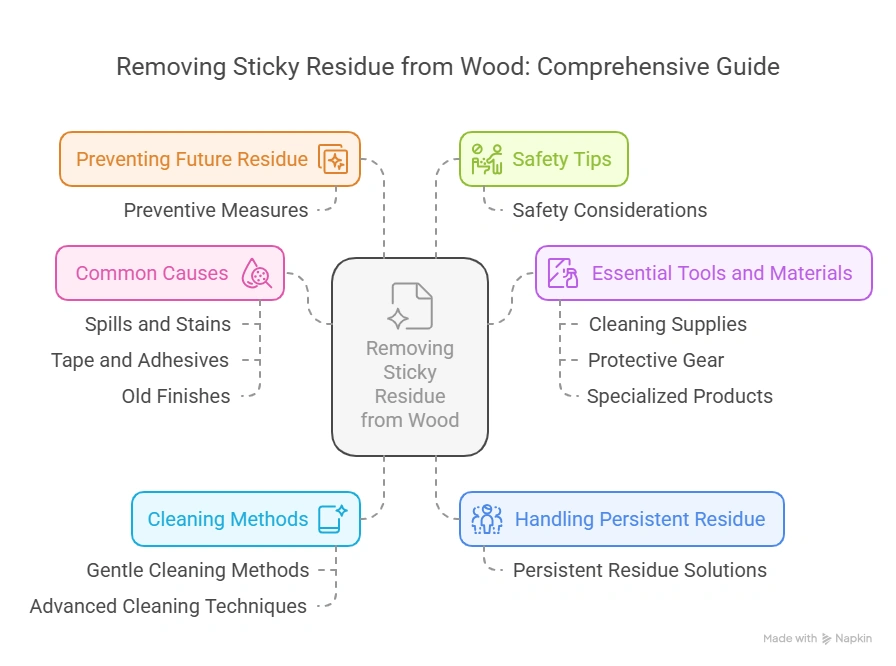
Common Causes Of Sticky Residue
Sticky residue on wood often comes from tape, glue, or food spills. Cleaning can involve various methods, including using vinegar or baking soda.
Spills And Stains
Spills from drinks or food can make wood sticky. Sugar in drinks dries and leaves a sticky film. Oils from food can also build up over time.
Tape And Adhesives
Sticky residue can come from tape or stickers. They leave a glue-like film. This film sticks to the wood and can be hard to remove.
Old Finishes
Old paint or varnish can become sticky. Changes in temperature or humidity can make old finishes tacky. This makes the wood feel sticky to touch.

Credit: www.reddit.com
Essential Tools And Materials
Gather essential tools and materials to remove sticky residue from wood. You will need rubbing alcohol, a soft cloth, and a plastic scraper. These simple items help clean the surface without causing damage.
Cleaning Supplies
Use a soft cloth to wipe the surface. You may need a bucket of warm water. Add a few drops of mild dish soap. Avoid harsh cleaners. They can damage wood. Use a small brush for tight spots.
Protective Gear
Wear rubber gloves to protect your hands. Safety goggles can protect your eyes. Use a face mask if needed. It helps to avoid inhaling dust or fumes. Protect yourself before starting.
Specialized Products
Some products are made for removing sticky residue. Use wood-safe adhesive removers. Lemon oil can help. Vinegar mixed with water works well. Test on a small area first. Make sure the product does not harm the wood.
Pre-cleaning Preparations
Before cleaning, test a small hidden spot on the wood. This helps you see if the cleaner harms the wood. Wait a few minutes. Look for any changes in color or texture.
Gather all the needed supplies. You will need a soft cloth, a gentle cleaner, and water. It’s good to have gloves to protect your hands. Make sure you have everything before you start.
Choose a well-lit space. Use old newspapers or a cloth to cover the area. This keeps the workspace clean. Make sure the area has good ventilation.

Credit: www.wikihow.com
Gentle Cleaning Methods
Mix warm water with mild soap. Dip a cloth in the water. Gently rub the sticky area. Avoid soaking the wood. Dry the wood with another cloth. This method is safe for most wood finishes.
Mix equal parts of white vinegar and water. Dip a cloth in the solution. Rub the sticky area gently. Vinegar helps break down the residue. Wipe off with a dry cloth. Repeat if necessary.
Make a paste with baking soda and water. Apply the paste to the sticky spot. Rub gently with a cloth. Baking soda is mild but effective. Wipe off the paste with a damp cloth. Dry the wood with a clean cloth.
Advanced Cleaning Techniques
Mineral spirits can help remove sticky residue from wood. Soak a cloth with mineral spirits. Gently rub the sticky area. The residue should start to come off. Wipe the surface with a clean, dry cloth. This removes any leftover spirits.
Goo Gone is great for sticky messes. Apply a small amount to the residue. Let it sit for a few minutes. Then, wipe the area with a cloth. Be gentle to avoid scratching the wood. Finally, clean the surface with soapy water and dry it.
Rubbing alcohol works well too. Dampen a cloth with alcohol. Rub the sticky spot gently. The residue should dissolve. Use a clean cloth to wipe away any remaining alcohol. Dry the area completely.
/SPR-how-to-remove-stickers-from-wood-6827526-Hero-01-299c131179784c7da94169c6fd572b21.jpg)
Credit: www.thespruce.com
Handling Persistent Residue
A plastic scraper is gentle on wood. Scrape carefully to avoid damage. Start at the edge of the residue. Push the scraper under the sticky part. Use short, firm strokes. Wipe the scraper often to remove residue buildup.
Heat can soften sticky residue. Use a hairdryer on low heat. Direct the heat at the sticky area. Move the hairdryer back and forth. Do not keep it in one place. Once softened, wipe the residue with a cloth.
Sanding removes stubborn residue. Use fine-grit sandpaper. Sand gently in the direction of the wood grain. Check often to avoid over-sanding. Clean the dust with a damp cloth when done.
Preventing Future Residue
Coasters and mats protect wood from sticky spills. Place them under cups and dishes. Choose ones that absorb moisture. This keeps wood safe from liquids. Using coasters and mats is a simple step.
Protective finishes seal wood surfaces. Use wax or varnish to create a barrier. This prevents liquids from soaking in. Apply finishes regularly for best results. They keep wood looking new and clean.
Regular cleaning is important. Wipe spills immediately to avoid residue. Use gentle cleaners on wood. Dust surfaces weekly to prevent buildup. Regular maintenance keeps wood beautiful.
Safety Tips And Considerations
Open windows and doors to let fresh air in. This helps clear out any strong fumes. A fan can also help move the air around. Good airflow is important for safety.
Always wear gloves to protect your skin from chemicals. A mask will help you breathe safely. These tools keep you safe while cleaning.
Do not pour chemicals down the drain. Follow local guidelines for disposal. This keeps the environment clean and safe.
Frequently Asked Questions
What Removes Sticky Adhesive From Wood?
Use rubbing alcohol or vinegar to remove sticky adhesive from wood. Apply, let it sit, then wipe clean with a cloth.
How Do You Remove Sticky Finish From Wood?
Use a mixture of equal parts vinegar and water. Dampen a cloth with the solution and gently wipe the wood.
What Is The Best Adhesive Remover For Wood?
The best adhesive remover for wood is Goo Gone. It’s effective, safe, and easy to use on wooden surfaces.
Is Goo Gone Safe On Wood?
Goo Gone is safe on sealed wood surfaces. Test on a small area first to ensure no damage.
Conclusion
Removing sticky residue from wood can be simple. Use the right methods. Choose safe products. Always test on a small area first. Patience is key. With these tips, your wood will look clean. No more sticky mess. Your furniture will shine.
Enjoy your spotless, beautiful wood surfaces. Keep these tricks in mind for future cleaning tasks. Happy cleaning!