How to Remove Mildew from Wood: Bleach, Oxygen Cleaner, Vinegar
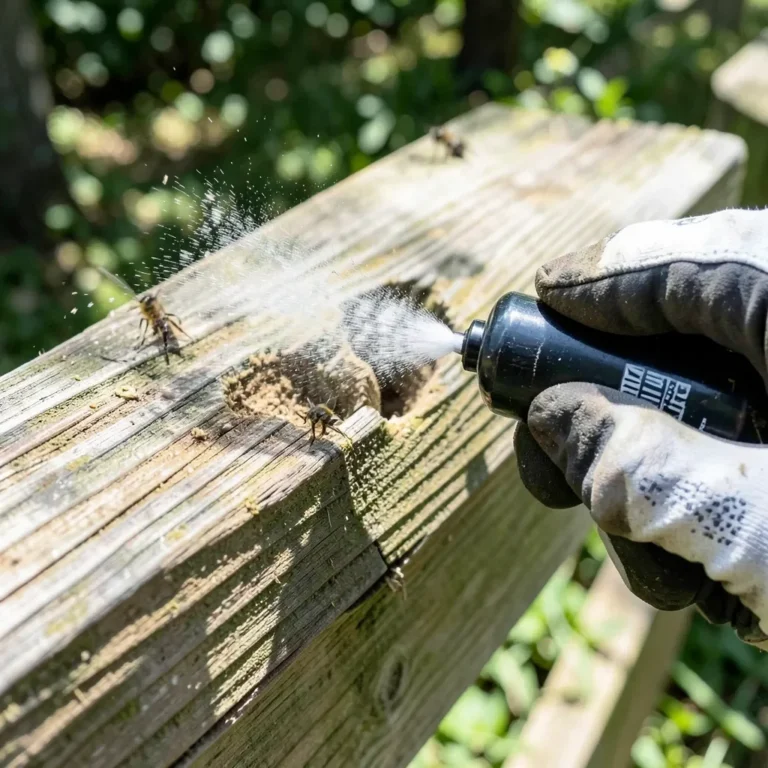
Mildew on wood is surface growth, and in most cases a detergent-and-water scrub removes it; household bleach or an oxygen cleaner handles what is left. It does not weaken the wood, but it returns until the moisture problem is fixed. This guide covers safe bleach ratios, oxygen cleaner use, what to skip, and how to stop regrowth.
1. Wear gloves, goggles and a mask, and work outdoors or with the windows open.
2. Scrub with dish detergent, water and a soft brush, then dry the wood.
3. If stains or growth remain, use diluted bleach or an oxygen cleaner for 10 to 15 minutes.
4. Rinse well and let the wood dry fully.
5. Fix the moisture problem, or the mildew will be back.
Identifying Mildew On Wood
Best Oxygen Cleaner Pick
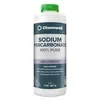 |
Chemwell Sodium Percarbonate Oxygen Bleach Powder, 2 lb ($13.95) This is the oxygen-cleaner route from the methods table below: a milder alternative to chlorine bleach for bare outdoor wood, applied after a detergent-and-water scrub.
|
As an Amazon Associate we earn from qualifying purchases.
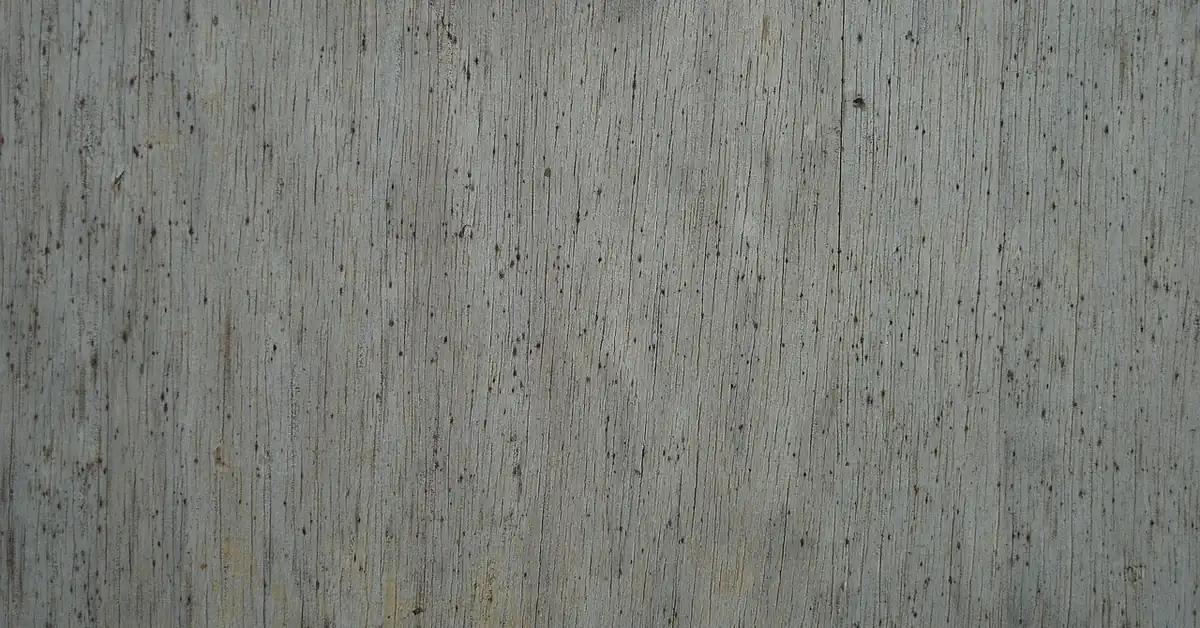
Mildew is the common name for surface growth from mold fungi. On wood it usually looks like gray, white or black patches, and it can smell musty. The coatings paper describes two forms: a spore type that looks like caviar, and a filament type. On outdoor wood it is often mistaken for plain dirt or weathering, but it grows where the wood stays damp, typically shaded boards with poor airflow.
This page covers surface mildew on outdoor wood, decks, fences and furniture. If the growth is fuzzy, thick or has spread into walls or framing, see our guide to killing mold on wood. For teak specifically, there is a separate guide on removing mildew from teak.
Does Mildew Damage Wood?
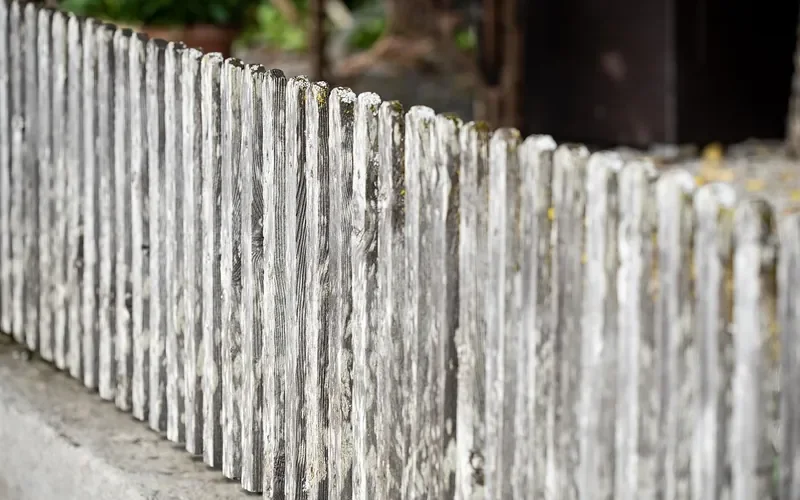
Not structurally. According to the Journal of Coatings Technology paper on mildew and wood, which was written by a joint coatings and forest-products committee that included a USDA Forest Products Laboratory researcher, mildew fungi cannot use lignin, cellulose or hemicellulose for food, so they do not reduce the strength of the wood. What they do is leave dark pigment on the surface and feed on the natural oils and extractives in the wood. The same paper notes that mildew is often a bigger problem on unfinished wood, and that wood rich in extractives may be more prone to it.
Mildew does not rot wood. If a board is soft, crumbly or spongy under a screwdriver tip, you are looking at decay, and cleaning will not fix it.
Common Signs
- Gray, white, yellowish or black patches that return after you wipe them off
- A musty smell, especially in damp or shaded spots
- Wood that stays darker or damp-looking after rain, in areas with poor airflow
Types Of Wood Prone To Mildew
Unfinished wood and wood with a worn finish are the usual targets, because there is no protective coating and the surface stays damp. Species high in natural oils and extractives can grow more mildew than others, per the paper above. If you are finishing cedar after cleaning it, our guide to treating cedar wood properly covers sealers and stains.
Preparing For Mildew Removal
Gather a soft-bristle brush, dish detergent, a bucket, a spray bottle, a garden hose and clean rags. Then set up for safety, because the cleaners are the bigger hazard than the mildew.
- Protection: the CDC says to wear at least an N-95 respirator, goggles and protective gloves when cleaning mold.
- Ventilation: open windows and doors when using any cleaning product, or work outdoors.
- Never mix cleaners: the CDC and the EPA both say never to mix bleach with ammonia or other cleansers, because toxic fumes can form. Check labels first: many glass and multipurpose cleaners contain ammonia.
- Size of the job: the EPA says homeowners can usually handle moldy areas smaller than about 10 square feet (roughly 3 feet by 3 feet) themselves.
- Plants and surroundings: rinse nearby shrubs before and after using bleach, since the coatings paper advises protecting plants from it.
Natural Cleaning Solutions
Start with the mildest option. The EPA advice for hard surfaces is to scrub off mold with detergent and water and dry completely, and on wood that alone removes a lot of light surface mildew. Mix a squirt of dish detergent into warm water, scrub along the grain with a soft brush, rinse, and let the wood dry.
White vinegar is the popular homemade mildew remover for wood. Spray it on, let it sit, scrub, rinse and dry. It is gentler than bleach, but treat it as a light-duty option: I could not find a published standard mix or contact time for vinegar on wood. Baking soda works as a mild abrasive paste when you want a little extra scrubbing power. Test any homemade mix on a hidden spot first, especially on finished wood.
Myth check: you will often see “vinegar kills 82% of mold species” repeated online. That figure shows up mostly on remediation-company and blog sites, and I could not trace it to a published study, so do not rely on it. It also does not mean vinegar will clear a whole patch in one pass.
Mildew Cleaning Methods Compared
Here is how the main options stack up, using only mixes that come from a source I read:
| Method | Mix | Contact time | Notes |
|---|---|---|---|
| Detergent and water | Dish detergent in warm water, scrub with a soft brush | None | First step for any hard surface (EPA); dry completely |
| Strong bleach mix | 1 quart household bleach, 3 quarts water, up to 1/4 cup ammonia-free liquid dishwasher detergent | 10 to 15 minutes | From the coatings paper; protect plants, eyes and skin |
| CDC bleach limit | No more than 1 cup household bleach per 1 gallon water | Not specified | About 1 part bleach to 16 parts water; ventilate |
| Oxygen cleaner (sodium percarbonate) | Follow the product label | Per label | Milder than chlorine bleach; best on bare outdoor wood |
| White vinegar | No standard mix found | No standard time found | Light surface mildew only; test first |
One number the guides rarely point out: the coatings-paper recipe is 1 part bleach to 3 parts water, which is a 25% bleach solution, while the CDC cap of 1 cup per gallon works out to about 6%. That makes the paper recipe roughly four times stronger. Start with the weaker CDC strength on any wood you care about, and only step up if the stain does not budge.
Also skip trisodium phosphate (TSP). The Journal of Coatings Technology paper on mildew and wood cautions that phosphate can act as a food source for mildew and may promote future growth.
Commercial Cleaners
Oxygen cleaners based on sodium percarbonate are the usual commercial choice for decks, fences and outdoor furniture. The USDA Forest Products Laboratory describes oxygen bleaches as gentler oxidizers than chlorine bleach, which can leave a fuzzy, pulped wood surface. Mix according to the label, brush it on, and rinse thoroughly.
For deck-specific steps, see our guides on cleaning a wood deck with OxiClean and cleaning a wood fence without a pressure washer, which cover oxygen cleaner rates in more detail.
Step-by-step Removal Process
- Protect yourself: gloves, goggles and a mask, with ventilation or an outdoor workspace.
- Brush off loose growth: do this outdoors with a soft brush so spores are not spread inside.
- Wash with detergent and water: scrub along the grain, then rinse.
- Treat what remains: apply diluted bleach or an oxygen cleaner for 10 to 15 minutes, keeping it away from plants.
- Rinse thoroughly: use a garden hose or clean water; residue left on the surface can cause finish adhesion problems, according to the coatings paper.
- Dry completely: give the wood time to dry before sealing or painting, longer in humid weather.
Initial Cleaning
Brush off loose dirt and mildew outdoors first. Then scrub with detergent and warm water, rinse, and let the surface dry before deciding whether a stronger treatment is needed. If the wood looks clean once dry, you are done.
Deep Cleaning
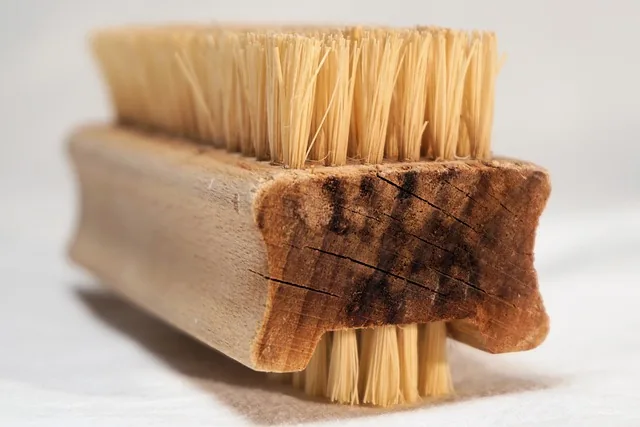
If dark staining or growth remains, apply bleach solution or oxygen cleaner and leave it for 10 to 15 minutes before scrubbing. Use a soft brush on wood rather than a wire brush. Rinse well and dry. A faint shadow left behind is often pigment rather than live growth, which is why a dry check matters before you treat again.
Preventing Mildew Recurrence
Cleaning does not change the conditions that grew the mildew. The coatings paper says plainly that removal works, but the growth will return if the conditions stay the same.
Why Mildew Comes Back After Cleaning
- Moisture: mildew needs water to grow, and growth increases as humidity rises.
- Warmth: about 70 to 90 degrees F is ideal for mildew; below freezing it goes dormant but is not killed.
- Painting over it: a new coat over mildew protects the growth and can feed new mildew, so the stain returns through the finish.
- Finish quality: the paper says top-quality finishes give the best protection and that latex finishes are generally more mildew resistant than alkyd paints.
Mildew fungi cannot digest wood itself, but they feed on oils and extractives in it, and on dirt and pollen sitting on the surface. Source: Journal of Coatings Technology paper on mildew and wood.
To stop it returning, reduce moisture. Dry wood quickly after rain or washing (the EPA notes that drying wet materials within 24 to 48 hours typically prevents mold growth), let air move around outdoor wood, and keep the surface clear of leaves and debris. When the finish wears thin, refinish with a good-quality product. See how to weatherproof wood and how to protect untreated wood outside, and use our deck sealing guide once the deck is clean and dry.
Handling Severe Mildew Infestations
Call a professional when the affected area is larger than roughly 10 square feet, or when growth has moved into walls, subfloors or framing. If wood is soft or crumbling, plan to replace the board rather than clean it.
For stains that survive cleaning, a light sanding removes the discolored surface layer. Wear a respirator while sanding, and do not recoat until the wood is dry and clean.
Frequently Asked Questions
What kills mildew on wood?
Chlorine bleach is the product a coatings-industry paper credits with actually killing mildew: one quart of household bleach in three quarts of water, left on for 10 to 15 minutes. An oxygen cleaner made from sodium percarbonate is a milder option for bare outdoor wood. Scrub with detergent and water first, since the EPA lists that as the baseline for hard surfaces.
Is bleach or vinegar better to kill mold on wood?
Bleach has the better documented record. The coatings paper and the CDC both publish specific bleach mixes, while I found no comparable standard mix or contact time for vinegar. Vinegar is a milder choice for light surface growth. Never combine them: the CDC says never to mix bleach with ammonia or any other cleanser.
How long does it take vinegar to kill mold on wood?
There is no standard time. Many guides say to leave vinegar on for about an hour, but I could not trace that figure to a study. Soak the spot, scrub with a soft brush, rinse, and check again the next day. If growth returns, switch to diluted bleach or an oxygen cleaner.
What is the best mould remover for wood?
It depends on the surface. For bare outdoor wood, an oxygen cleaner or diluted bleach works. For finished furniture, start with detergent and water and test any stronger cleaner on a hidden spot. Skip trisodium phosphate (TSP) cleaners, because the phosphate can feed mildew and encourage regrowth.
How do I prevent mildew from coming back on wood?
Control moisture, since mildew needs it. Dry wet wood within 24 to 48 hours, keep air moving around outdoor wood, and refinish with a good-quality finish that contains a mildewcide. Remove all mildew before painting or sealing, because a new coat over mildew protects it and lets it grow back.
Does mildew damage wood?
Mildew stains wood gray or black but does not weaken it. The coatings paper says mildew fungi cannot use lignin, cellulose or hemicellulose as food, so structural strength is not reduced. Soft, crumbly or spongy wood points to decay, which is a different problem.
Conclusion
Start with detergent, water and a soft brush. Step up to diluted bleach or an oxygen cleaner only if stains remain, never mix cleaners, and remember mildew stains wood but does not weaken it. The fix that lasts is moisture control and a good finish applied over clean, dry wood.
Sponsored / affiliate links. As an Amazon Associate I earn from qualifying purchases. I may earn additional commission from eligible campaigns.