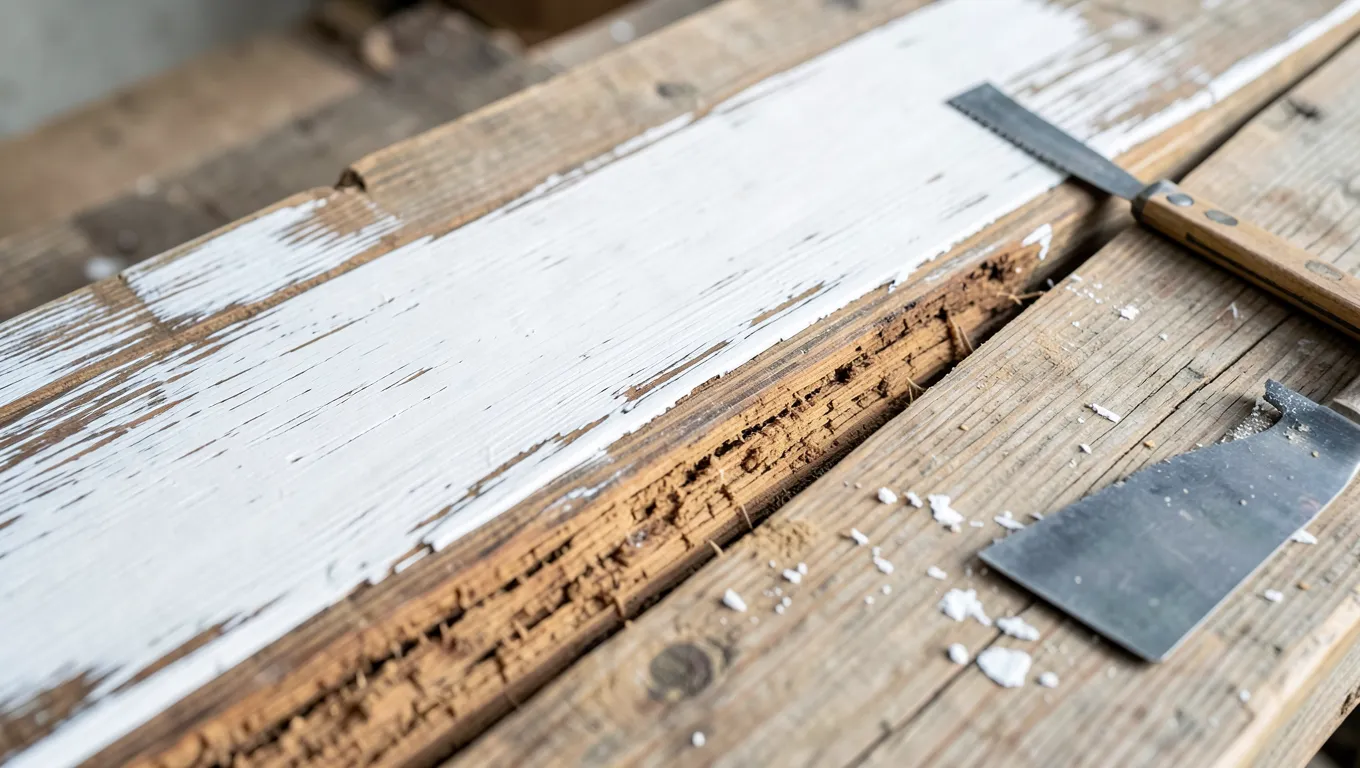
How to Remove Whitewash from Wood: The Right Method for Your Finish
The right way to remove whitewash from wood depends on what kind of whitewash you actually have: a thin, translucent pigment wash usually lifts with water, vinegar, or light abrasion, while a heavier, opaque coat behaves like paint and needs a real chemical stripper or sanding.
Most guides skip that distinction and just tell you to scrub with vinegar, which works fine on a light wash and does almost nothing on a thick, opaque coat. Figuring out which one you’re dealing with first saves you from wasting an afternoon on a method that was never going to work.
Figure Out What Kind of Whitewash You Have
Best Stripper for a Solid Whitewash Coat
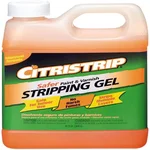 |
Citristrip Paint and Varnish Stripping Gel, 1-Quart – $26.96 The right tool once you’ve confirmed you’re dealing with a solid, opaque coat rather than a thin traditional wash.
|
Traditional Thin Wash
Classic whitewash is heavily diluted paint or a lime-based wash brushed on and then partly wiped back, so the wood grain still shows through the white pigment. If you can see grain lines and texture under the white, you’re dealing with this type – it sits mostly on the surface and in the open pores, not as a solid film.
Solid Opaque Coat
If the white completely hides the grain and looks and feels like a painted surface, you’re dealing with a heavier coat – either a less-diluted whitewash or actual white paint someone called “whitewash.” This needs to be treated like paint removal, not a light wash removal.
Removing a Thin, Traditional Wash
Vinegar and Water
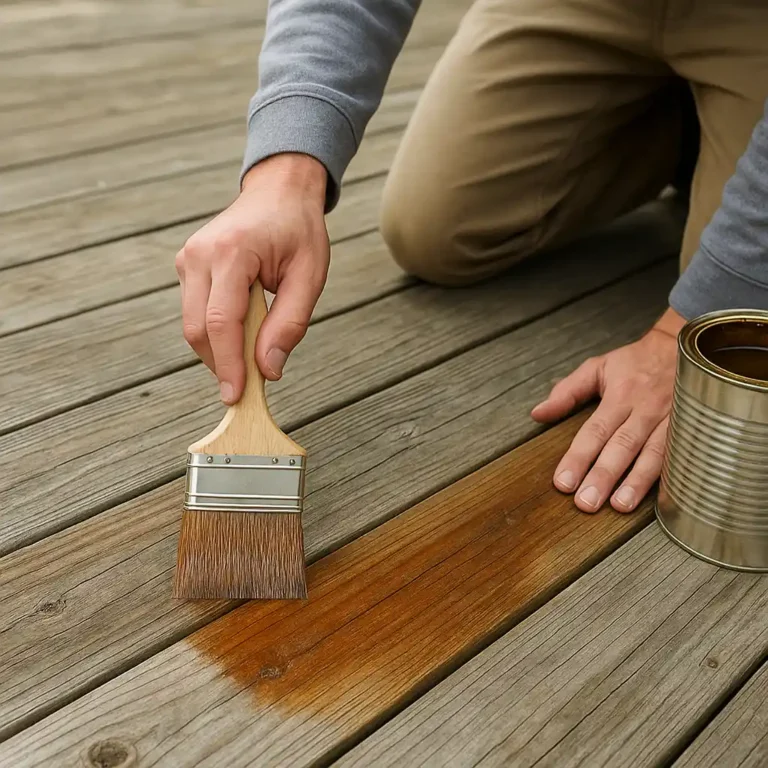
Mix equal parts white vinegar and warm water. Apply generously with a cloth or spray bottle, let it sit 5-10 minutes to soften the pigment binder, then wipe and lightly scrub with a soft-to-medium brush, working with the grain. Rinse with a barely-damp cloth and dry immediately – standing water is the real risk here, not the vinegar.
Baking Soda Paste for Pigment Caught in the Grain
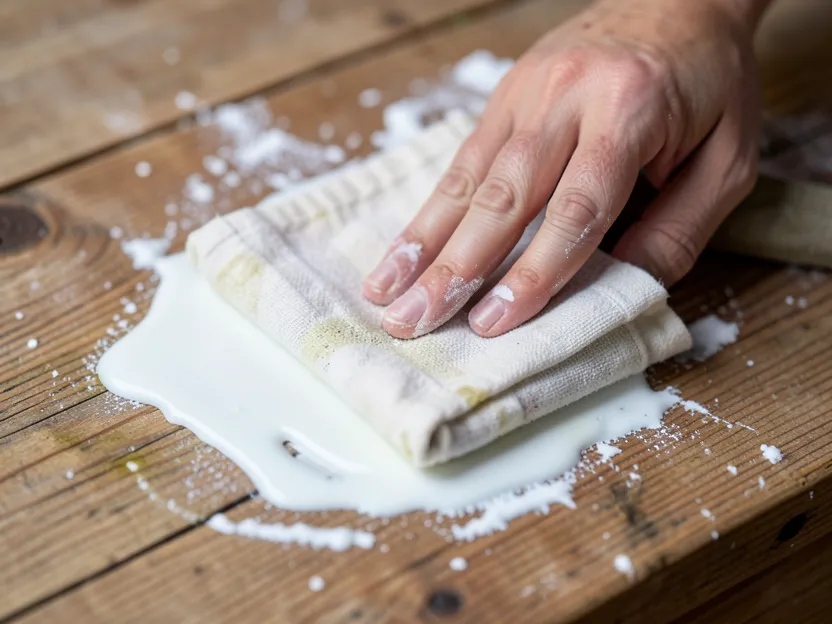
For wash that’s settled deep into open-grain wood like oak, mix baking soda with a little water into a paste, work it into the grain with a soft brush (an old toothbrush works for detail areas), and rinse. This pulls pigment out of the pores without flattening the surface the way sanding would.
Removing a Solid, Opaque Coat
Chemical Stripper
For a heavier coat, water and vinegar alone won’t cut it. Apply a paint-and-varnish stripper rated for interior wood, following the dwell time on the label, then scrape gently with a plastic or wood scraper (metal can gouge softer woods). Work in a ventilated area and wear gloves and eye protection – strippers strong enough to lift paint are strong enough to irritate skin.
Sanding
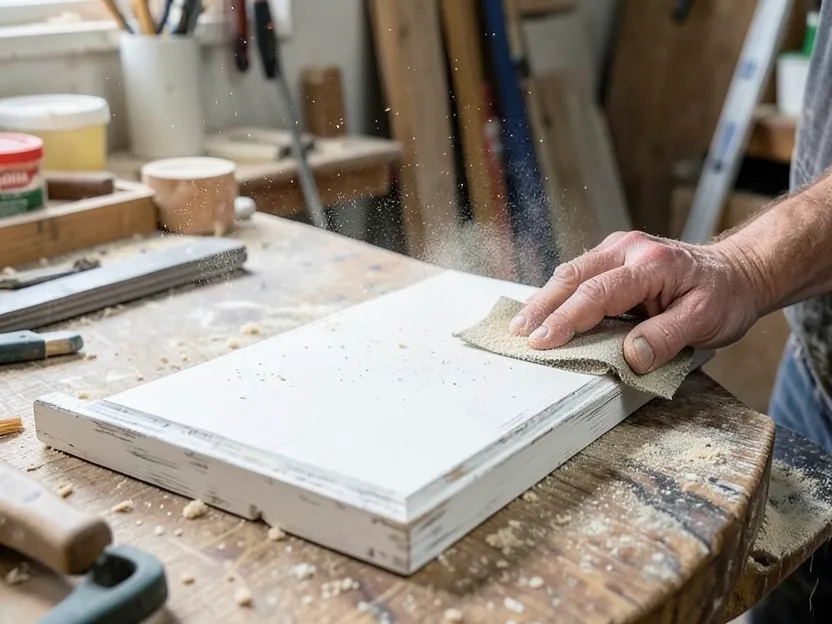
Sanding works but removes material along with the whitewash, which changes the surface texture and can round over crisp edges or details on molding and trim. Start with 100-120 grit to cut through the coating, then move to 180-220 to smooth the bare wood before refinishing. Sand with the grain, and vacuum between grits so trapped grit doesn’t scratch the surface on the next pass.
Common Mistakes That Damage the Wood
Oversaturating the wood with water or stripper is the most common damage – it can raise the grain, cause cupping, or loosen old glue joints on furniture. Always test your chosen method on a hidden spot first (the underside of a shelf, the back of a leg) before treating a visible surface. And if the piece has any sentimental or antique value, do the water/vinegar test before reaching for a chemical stripper – strippers are not reversible if they lift more of the original finish than you intended.
After the Whitewash Is Gone
Once the surface is clear, let the wood dry fully (at least a few hours, longer if you used a lot of water) before doing anything else. Sand lightly with fine-grit paper to knock down any raised grain, wipe away dust with a tack cloth, and then decide on a finish – bare wood left unsealed will pick up stains and moisture damage quickly, so plan to stain, oil, or seal it within a day or two of stripping.
Frequently Asked Questions
Can I remove whitewash without chemicals?
Yes, for a thin traditional wash. Vinegar-and-water or a baking soda paste will lift a light pigment wash without any chemical stripper. A thick, opaque coat is harder to fully remove this way and may need sanding instead.
Will sanding remove whitewash completely?
Yes, sanding removes whitewash along with a thin layer of the wood surface itself, so it works on both thin and heavy coats. The tradeoff is that it changes the surface texture slightly and can soften crisp edges on trim or molding.
How long does it take to remove whitewash?
A thin wash with vinegar and water usually takes under an hour for a small piece. A heavier coat with chemical stripper typically runs 1-3 hours including dwell time and scraping, longer for large surfaces or multiple coats.
How do I stop whitewash from coming back or fading unevenly?
Once you’ve stripped the wood and decided to keep it bare or refinish it, seal it with a real topcoat (oil, wax, or polyurethane) rather than leaving it unprotected – unsealed wood absorbs moisture and dirt unevenly, which is what makes an old whitewash job look patchy in the first place.
Conclusion
Check whether your whitewash is a thin pigment wash or a solid opaque coat before picking a method – that one distinction determines whether vinegar and water will do the job or whether you actually need a chemical stripper and some sanding.
Sponsored / affiliate links. As an Amazon Associate I earn from qualifying purchases. I may earn additional commission from eligible campaigns.