Wood Hardener vs Epoxy Filler for Rot Repair: Which to Use
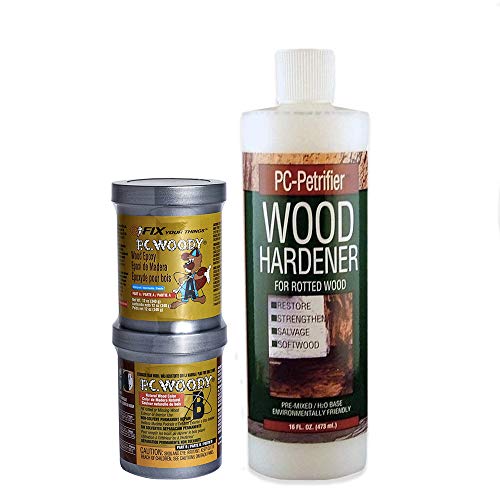
Use wood hardener for shallow, punky rot that still has sound wood behind it; use epoxy filler after hardener for shallow losses in trim or furniture, and replace the part when rot is deep, structural, or leaves less than about 50% sound wood. Poorly matched repairs can fail early, trap moisture, and let softened wood spread beyond the patch. This guide compares wood hardener, epoxy filler, and replacement by rot depth, part type, and how much structure is left.
Wood hardener vs epoxy filler: the core trade-off


Wood hardener and epoxy filler solve different problems. Hardener is a penetrating consolidant that stiffens softened fibers, while epoxy filler is a repair material that rebuilds missing material over sound or consolidated wood. The wrong sequence can leave a patch bonded to weak, damp, or hollow wood.
| Decision factor | Wood Hardener | Epoxy Filler for Rot Repair | Winner |
|---|---|---|---|
| Primary job | Stabilizes soft, punky fibers | Rebuilds missing material and profiles | Epoxy Filler for Rot Repair |
| Best rot depth | Minor-to-moderate decay near the surface | Shallow losses to larger voids, after consolidation | Tie |
| Needs sound substrate | Needs wood that can still accept penetration | Needs sound or consolidated wood underneath | Tie |
| Can rebuild structure | No | Limited rebuilding of missing shape, not failed structure | Epoxy Filler for Rot Repair |
| Best fit | Preparing marginal wood for a fill | Restoring corners, edges, and voids | Depends on the repair stage |
Primary job
Wood hardener’s job is to stiffen wood that has softened but still exists. Epoxy filler’s job is to replace what is missing. That difference matters because a consolidant can help a repair survive, but it cannot rebuild a broken edge or bridge a hollow interior by itself.
Best rot depth
Hardener fits minor-to-moderate decay where the wood is still present in place, even if it feels fibrous or crumbly. Epoxy filler works once the damaged area has been cleaned back to firm material and you need to restore shape. Deep voids without a firm perimeter are beyond hardener-only repair.
Needs sound substrate
Both products depend on the same rule: remove all loose decay with a chisel, scraper, or knife, then dry the area fully before applying any product. Hardener must soak into fibers that still exist, and epoxy must bond to wood that is sound or consolidated. Trapped moisture or powdery residue cuts adhesion fast.
Can rebuild structure
Epoxy filler can restore lost contour on a door edge, chair skirt, or trim profile. It cannot turn a structurally failed member back into a load-bearing part. If the wood has a hollow core, split-through break, or severe section loss, replacement is the safer choice.
Best fit
Think of hardener as the preparation step and epoxy filler as the shape-restoration step. A repair often needs both in sequence, but not always. If the wood is firm after cleanup, filler may be enough; if it still crumbles, hardener usually comes first.
What is the difference between consolidant and filler for rotten wood?
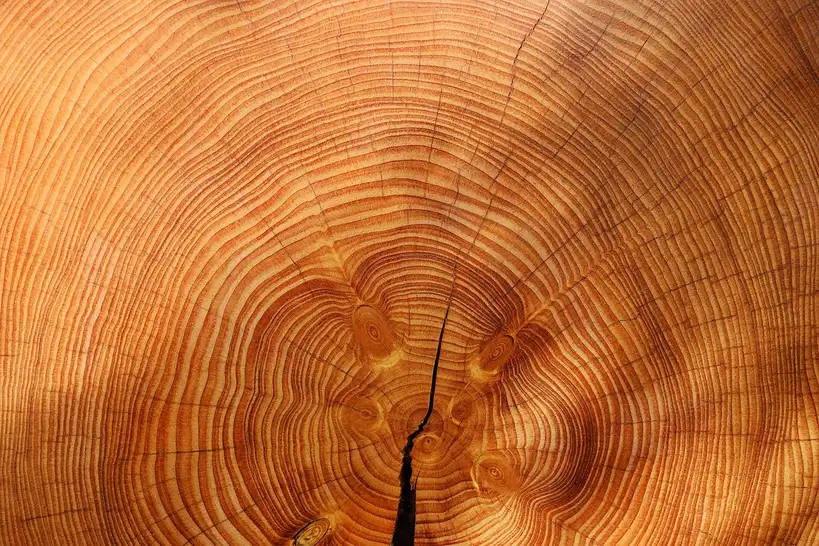
A consolidant penetrates and stiffens weakened fibers. A filler occupies missing space and restores form. In rot repair, consolidant comes first when the remaining wood is soft but present; filler comes second when you need to rebuild an edge, fill a void, or re-establish a profile.
Why the distinction matters
Many failed repairs happen because the patch was built on wood that never became sound. A filler can look solid on day one and still fail if the base remains punky or damp. The right sequence separates stabilization from rebuilding, instead of treating them as one step.
How to judge rot depth and repairability
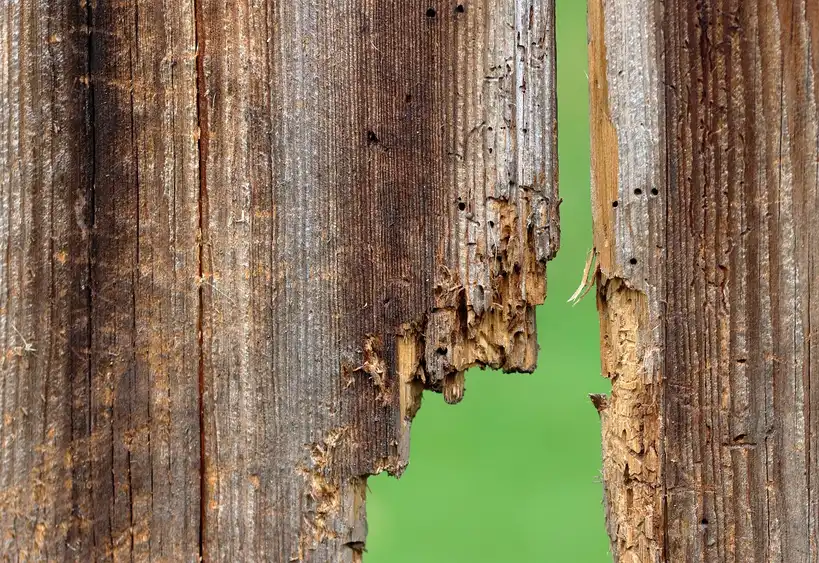
Judge rot by how much sound wood remains, not by appearance alone. If decay stays near the surface and the surrounding fibers are firm after cleanup, repair is possible. If the center is hollow, the edges crumble under light probing, or the member carries load, replacement moves to the front of the list.
Soft fibers, crumbly edges, and hollow spots
Soft fibers mean the wood still exists but has lost stiffness. Crumbly edges show decay has moved beyond a simple surface skim. Hollow spots warn that material loss usually goes deeper than the stain or blister on top.
When sapwood is gone but heartwood remains
Sapwood is the outer, water-conducting portion of wood and is often the first area to rot. Heartwood is usually denser and more decay-resistant, so it can remain as a better repair base after outer decay is removed. Repair is more plausible when cleanup reaches firm heartwood rather than a soft sapwood shell.
When the damage is too deep to patch
A practical cutoff is when roughly half or less of the sound wood remains in the affected section, especially on a structural member. That is the point where patching becomes risky, because the repair is trying to hold together too little original material. Replace the part instead of rebuilding a failure zone.
Should I use wood hardener before epoxy filler?
Yes, when the wood is soft but still present and you plan to rebuild the shape. Wood hardener should come before epoxy filler when the remaining fibers need stabilization. Skip the hardener only if cleanup leaves firm, dry wood that can accept filler directly.
A step-by-step repair sequence
- Remove all loose decay with a chisel, scraper, or knife until you reach firm wood.
- Dry the area fully before applying any product.
- Brush or vacuum away dust so the consolidant and filler bond to clean fibers.
- Shape the boundary with a square, tapered, or slightly undercut edge instead of a thin feather edge.
- Apply wood hardener to soften-affected wood if the fibers still need stiffening.
- After cure, apply epoxy filler to rebuild missing material.
- Sand after full cure, then prime and finish as needed.
When to remove more decay first
Remove more wood if the surface still feels spongy after scraping, if a screwdriver sinks in easily, or if the interior looks darker, damp, or hollow. A repair product is not a substitute for decay removal. You need a firm boundary before either product can work well.
When filler can go on after consolidation
Filler can follow once the wood no longer sheds fibers and the surface is dry and clean. The hardener should have stabilized the margin of the repair zone, not sealed in wet rot. If the repair still has crumbly edges after consolidation, the base is not ready.
What kind of wood is harder to repair after rot?
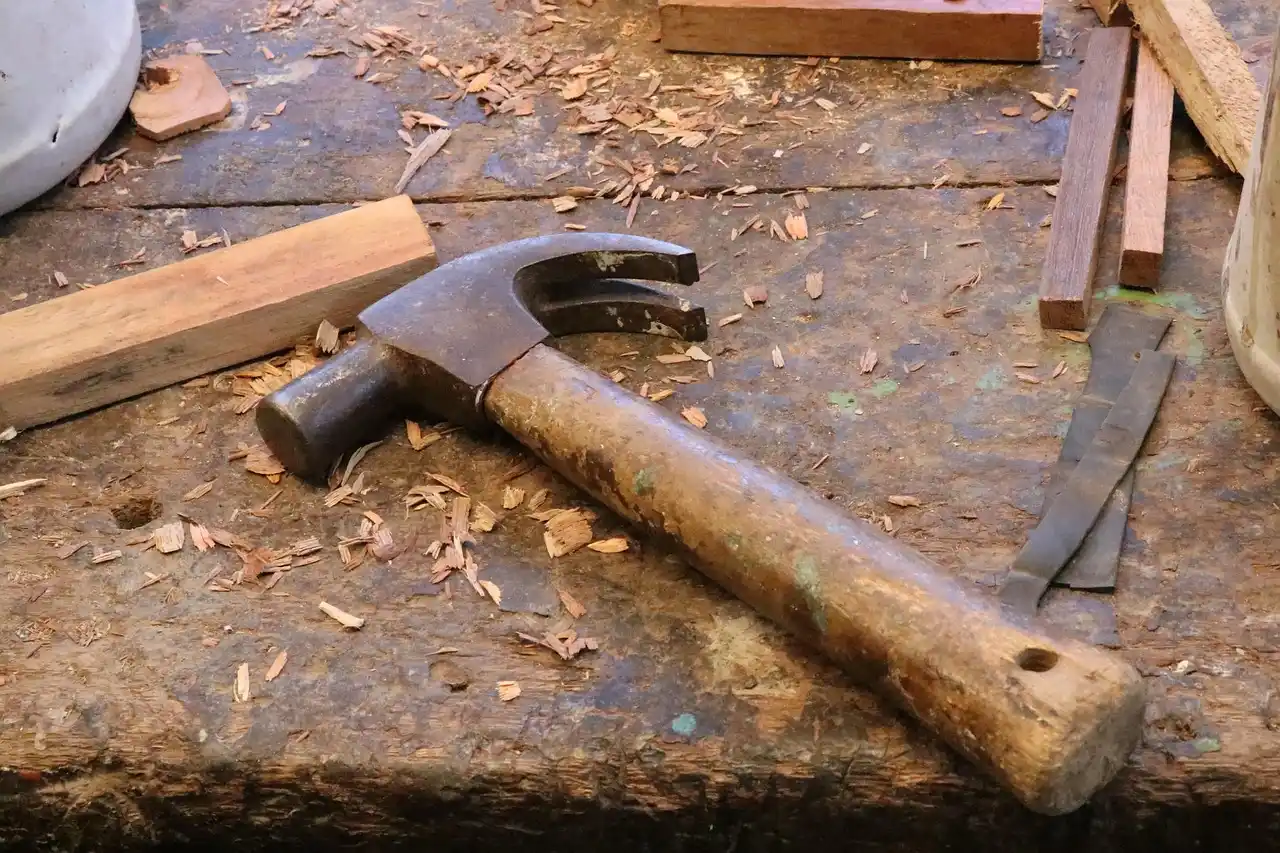
Porous, decay-prone wood is usually harder to repair because it absorbs moisture readily and loses fibers faster. Sapwood is typically the most vulnerable. Dense heartwood, tighter growth rings, and less-open grain usually give you a better substrate for consolidation and filler adhesion.
Sapwood, heartwood, and decay resistance
Sapwood is the active water-moving zone in the tree, so it tends to be more vulnerable to decay once exposed to moisture. Heartwood has a different role and is usually more decay-resistant. That is why repairs often succeed better once rotten sapwood is removed and firm heartwood remains.
Hardwood vs softwood repair behavior
Hardwoods are angiosperms such as maple, oak, or rosewood. Softwoods are conifers such as pine, spruce, or fir. Softwoods often repair more easily with consolidant because they can be more open-grained, but they may also rot faster when moisture lingers. Dense hardwoods can hold detail better, yet they may accept products more unevenly if the grain is tight or mixed in density. (wood-database.com)
How growth rings and grain affect adhesion
Springwood is also called earlywood, and summerwood is also called latewood. Those alternating bands can absorb material differently, so the repair may bond better in one band than the next. Grain direction, porosity, and ring density all affect how well hardener penetrates and how reliably epoxy anchors.
Say your porch trim has a 1-inch-deep corner loss, but the back half of the board still feels firm after scraping. That is a good candidate for hardener, then filler, because the repair is rebuilding an edge rather than rescuing a failed member. A 2-by-4 with a hollow center at a post base is a different case.
How do growth rings and sapwood affect rot repair adhesion?
Growth rings and sapwood affect repair adhesion because they change porosity, moisture behavior, and fiber strength. Earlywood usually absorbs more readily than latewood, while sapwood often takes up moisture faster than heartwood. That means consolidation and fill can bond unevenly unless you prepare the surface carefully.
Why surface preparation matters more in ringed wood
Loose material must come off first, or the repair bonds to rot rather than wood. Edge profiling helps because a square, undercut, or slightly tapered boundary gives the patch more purchase than a feather edge. Dust control matters too, since fines block penetration and leave a weak interface.
When is rot too deep for wood hardener alone?
Rot is too deep for wood hardener alone when the damage extends past softened fibers into missing material, hollow space, or structural section loss. Hardener can stabilize what remains, but it cannot replace lost wood. If you can probe deep voids, the part needs filling or replacement, not consolidation only.
Failure modes to watch for
Trapped moisture is one of the fastest ways to lose a repair. Crumbly edges mean the consolidant has nothing firm to hold. Hollow interiors are a sign that the surface skin may hide major loss underneath, so a hardener-only fix will likely fail early.
Can epoxy filler be used on structural wood rot?
Epoxy filler should not be used to rescue a structurally failed member. It is suitable for rebuilding shape after consolidation, not for replacing lost load-bearing capacity. If rot has reduced the member to less than about half sound wood, replacement is the safer path.
Where epoxy filler is appropriate
Use it on non-structural trim, decorative furniture parts, and localized edge damage where the surrounding wood still supports the piece. It can rebuild a lost corner or profile and then be sanded after cure. It is not a cure for a weak frame, post, leg, or rail that must carry weight.
Two-part epoxy system basics
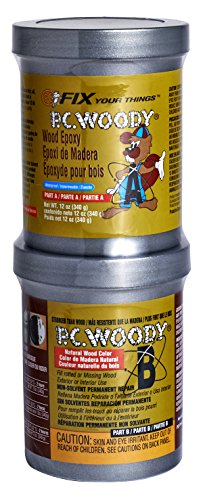
Two-part epoxy repair systems usually require a fixed mix ratio, a limited working time, and a full cure before sanding. Working time varies by formula and temperature, so follow the manufacturer’s label. Sandability improves only after full cure, not when the patch merely feels firm.
Suppose a table apron has a 3/4-inch missing section on a corner, but the rest of the apron is hard and dry. That is a strong epoxy-filler case after cleanup and, if needed, hardener. If the same apron flexes at the joint or splits through the grain, replacement is the better call.
How to repair rotted wood on furniture without replacing the whole piece?
Repair furniture rot without full replacement by trimming back decay, drying the area, consolidating soft fibers if needed, then rebuilding missing shape with epoxy filler. The key is to keep the repair local. If the damage is confined to one edge, leg detail, or panel corner, patching is often more practical than replacing the entire piece.
A practical furniture workflow
- Inspect the part and confirm the damage is not structural failure.
- Remove loose, dark, or punky wood until firm material appears.
- Dry the repair zone fully.
- Apply hardener if the remaining fibers are soft.
- Fill the loss with epoxy in layers if needed.
- Shape, sand, prime, and finish after cure.
When furniture should still be replaced
Replace furniture parts that support weight if the rot reaches joints, leg stiles, rails, or tenons in a way that weakens the connection. A cosmetic patch on a seat rail is not the same as a rebuild of a load path. The more the part contributes to strength, the lower the tolerance for rot.
What wood types are harder to repair after rot?
Wood that is open-pored, moisture-prone, or heavily ring-porous can be harder to repair after rot because it loses fibers faster and absorbs repair products unevenly. Softer softwoods are often easier to penetrate but may decay sooner. Dense hardwoods may hold detail better, yet their tight grain can slow penetration and make surface prep more exacting.
Wood structure factors that change the repair
Wood is a natural, lignocellulosic material derived primarily from the secondary xylem of trees. It is an organic material and a natural composite of cellulosic fibers. Because it provides mechanical support in trees and conducts water and dissolved minerals in sapwood, its structure affects both decay and repair.
Wood is used for furniture and building construction, so repair decisions have practical consequences. The cambium forms new bark outward and new wood inward, which helps explain why outer layers may differ from inner layers in density and moisture behavior. Those differences matter when you decide whether to consolidate, fill, or replace.
Choose Wood Hardener if… / Choose Epoxy Filler for Rot Repair if…
Choose wood hardener if the wood is soft but still largely present, the decay is minor to moderate, and you need to stabilize fibers before any fill work. Choose epoxy filler for rot repair if you already have firm or consolidated wood and the task is to rebuild missing shape. If the part has structural failure, replace it.
Choose wood hardener if…
- The surface is punky, but the part still holds its shape.
- Decay is shallow and cleanup reveals firm wood beneath.
- You need to prepare a damaged edge for later filling.
- The repair zone is dry and non-structural.
Choose epoxy filler for rot repair if…
- You have a void, corner loss, or edge missing material.
- The wood has already been cleaned and, if needed, consolidated.
- You are restoring trim, furniture detail, or other non-failed shape.
- The remaining wood is sound enough to support the patch.
When replacement is the better call
- Less than about 50% sound wood remains in the section.
- The part carries load and the rot reaches joints or critical fibers.
- The interior is hollow, wet, or still crumbly after cleanup.
- The repair would have to replace more structure than the original part still has.
Frequently asked questions
wood filler vs wood epoxy
Wood filler is usually a broad term for a material that fills dents or shallow defects, while wood epoxy is a two-part repair product used for deeper rebuilds and stronger adhesion. For rot, epoxy is the more relevant choice because it can follow hardener and restore missing material. Ordinary filler is not meant to stabilize decayed fibers.
Sponsored / affiliate links. As an Amazon Associate I earn from qualifying purchases. I may earn additional commission from eligible campaigns.