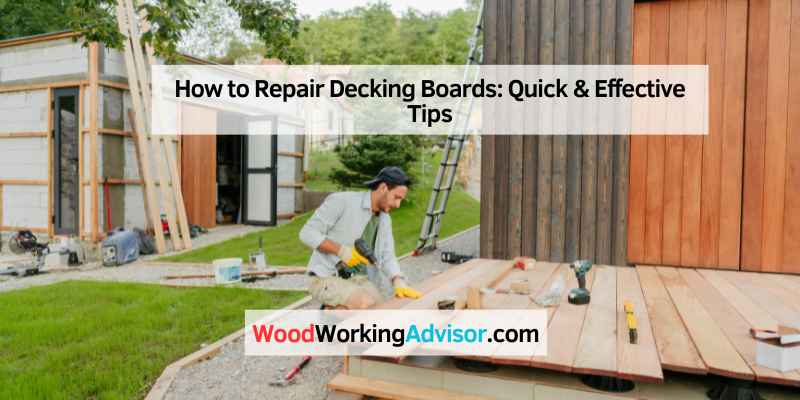
How to Repair Decking Boards: Quick & Effective Tips
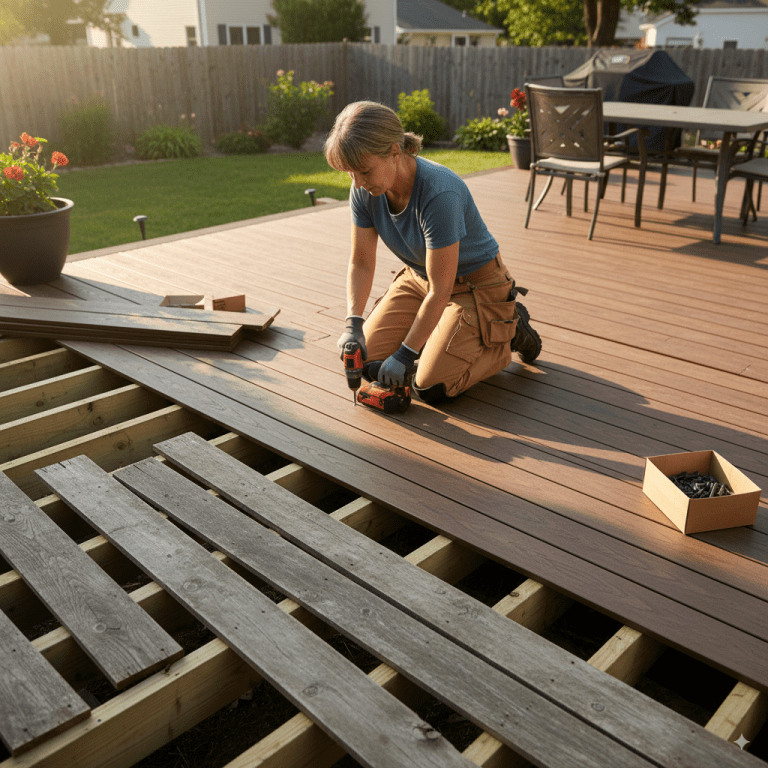
To repair decking boards, start by identifying the damaged areas and removing any nails or screws. Use a pry bar or drill to pull out the fasteners, then cut out the damaged section and replace it with a new board.
Ensure the replacement board is securely fastened and properly aligned with the surrounding boards. Decking boards are prone to wear and tear due to exposure to the elements and heavy foot traffic. Over time, boards can become warped, cracked, or rotted, compromising the structural integrity and aesthetic appeal of the deck.
Fortunately, with the right tools and techniques, repairing damaged decking boards can be a manageable DIY task. We will explore the step-by-step process of repairing decking boards to restore the functionality and appearance of your outdoor space.
Introduction To Deck Repair
Deck repair is an essential aspect of maintaining the structural integrity and aesthetic appeal of your outdoor living space. Over time, decking boards can deteriorate due to various factors such as weather exposure, moisture, and regular wear and tear. In this guide, we will explore the signs of damage to look out for, the importance of timely repairs, and the steps involved in repairing decking boards.
Signs Of Damage
1. Cracks: Small or large cracks can indicate the weakening of the decking boards.
2. Rot: Soft, spongy, or discolored areas are signs of wood rot caused by moisture infiltration.
3. Warping: Warped or twisted boards can affect the stability and safety of the deck.
4. Loose Fasteners: Nails or screws that are coming loose may compromise the structural integrity of the deck.
Importance Of Timely Repairs
1. Safety: Prompt repairs prevent accidents and injuries caused by unstable or deteriorating decking boards.
2. Preventing Further Damage: Timely repairs can halt the progression of damage and prevent it from spreading to other areas of the deck.
3. Prolonging Lifespan: Regular maintenance and repairs can extend the lifespan of the deck, saving you from costly replacements.
Safety First
In order to repair decking boards, you must first identify and remove any damaged or rotten boards. Then, use a nail puller and inspect the joists to ensure they are sturdy. Finally, cut and install replacement boards, and apply wood stain for protection.
It is important to prioritize safety and use appropriate tools and materials throughout the repair process.
Personal Protective Equipment
Before starting the repair work, it is important to wear proper personal protective equipment (PPE) to prevent any accidents or injuries. The following PPE should be worn while repairing decking boards:
- Safety glasses or goggles to protect eyes from sawdust and debris
- Dust mask or respirator to prevent inhalation of sawdust
- Gloves to protect hands from splinters and cuts
- Work boots or shoes with slip-resistant soles for better traction on the work area
Securing The Work Area
To ensure safety, it is important to secure the work area before starting the repair work. Here are some important steps to follow:
- Remove all furniture, plants, and other objects from the deck to create a clear workspace.
- Mark off the work area with caution tape or cones to prevent people from accidentally stepping onto the deck.
- Use sawhorses or similar supports to stabilize the damaged area of the deck.
- Ensure that the sawhorses are placed on a stable surface and are level to prevent any accidents while working on the deck.
- Use a ladder or step stool to reach the damaged area of the deck safely.
By following these steps, you can secure the work area and prevent any accidents or injuries while repairing your decking boards.
Remember, safety should always be your top priority while repairing your decking boards. By wearing proper PPE and securing the work area, you can prevent any accidents or injuries and ensure a successful repair.
Tools And Materials
To repair decking boards, gather the necessary tools and materials such as wood hardener, filler, or epoxy for strengthening damaged areas. Start by removing nails or screws from the damaged boards and then proceed with replacing any rotted portions. Finally, apply wood stain and attach the new decking for a seamless repair.
When it comes to repairing decking boards, having the right tools and materials is essential. Whether you’re dealing with rotten boards or damaged areas that need to be fixed, having the correct equipment will make the process much smoother. In this section, we’ll discuss the essential tools and the right materials you’ll need for the job.
Essential Tools
To repair decking boards effectively, you’ll need the following tools:
- Hammer: A hammer is essential for removing nails and securing new boards.
- Screwdriver: A screwdriver will come in handy if you need to remove screws from the boards.
- Pry bar: A pry bar is useful for removing damaged boards or loosening stubborn nails.
- Saw: A saw is necessary for cutting new boards to the correct size.
- Tape measure: A tape measure will help you accurately measure the length and width of the boards.
- Safety goggles: Safety goggles are crucial for protecting your eyes from debris.
- Gloves: Wearing gloves will provide you with a better grip and protect your hands.
- Protective mask: A protective mask will prevent you from inhaling dust and other particles.
Choosing The Right Materials
To ensure a successful repair, it’s important to choose the right materials. Here are the materials you’ll need:
- Replacement boards: Select high-quality boards that match the type and color of your existing decking.
- Nails or screws: Choose corrosion-resistant nails or screws that are appropriate for outdoor use.
- Wood hardener or filler: If you’re dealing with minor damaged wood, a wood hardener or filler can help strengthen the area.
- Wood stain or paint: Once the repair is complete, you’ll want to protect the new boards by applying a wood stain or paint.
Remember, using the right tools and materials is crucial for a successful decking board repair. With the proper equipment and materials at hand, you’ll be able to restore your deck to its former glory.
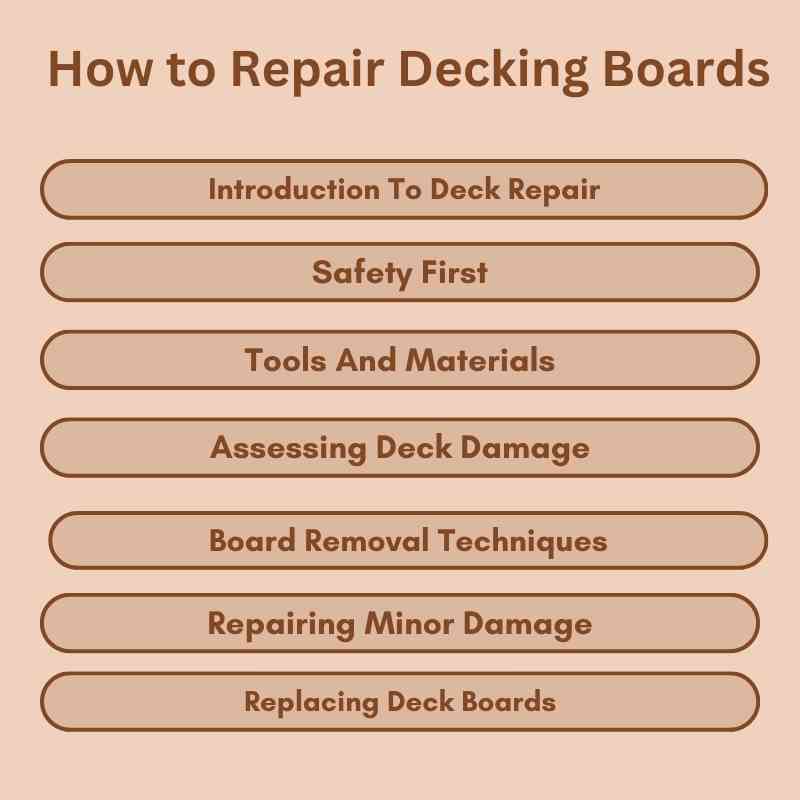
Assessing Deck Damage
Assessing deck damage and repairing decking boards is crucial to maintain the integrity of your deck. Learn how to identify and fix damaged boards, from removing nails to replacing sections, in this comprehensive guide. Keep your deck in top condition and enjoy your outdoor space for years to come.
Identifying Rotten Boards
If you notice any signs of rot on your decking boards, it’s crucial to identify and address the issue promptly. Rotten boards not only compromise the structural integrity of your deck but also pose safety risks. Here’s how you can identify rotten boards:
- Inspect the surface of each decking board for discoloration, softness, or sponginess.
- Look for any visible signs of mold, mildew, or fungus growth.
- Press down on the boards to check for any areas that give way or feel weak.
- Use a screwdriver or a small knife to probe the wood gently. If it sinks easily or the tool goes through the wood, it’s likely rotten.
Evaluating Structural Integrity
Assessing the structural integrity of your deck is essential to ensure its stability and safety. Here’s how you can evaluate the structural integrity of your decking:
- Check the stability of the deck by walking around and feeling for any wobbling or bouncing.
- Inspect the support posts, beams, and joists for signs of sagging, cracking, or splitting.
- Look for any loose or missing fasteners, such as screws or nails.
- Examine the connection points between the decking boards and the supporting structure for any gaps or looseness.
- If you have an elevated deck, inspect the ledger board for any signs of water damage, rot, or detachment from the house.
By properly assessing the damage to your decking boards and evaluating the structural integrity of your deck, you can determine the necessary repairs and ensure the longevity of your outdoor space.
Board Removal Techniques
Repairing decking boards can be a daunting task, but with proper removal techniques, it can be made easier. Begin by locating the nails, removing them, and then cutting and replacing the damaged board with a new one. Sand and stain the new board to match the surrounding ones, and your deck will look as good as new.
When it comes to repairing decking boards, one of the most challenging aspects is removing the damaged boards without causing further damage. Luckily, there are different techniques you can use to remove the boards safely and effectively. In this section, we’ll discuss two popular board removal techniques: the pry bar and hammer method, and using a drill for screwed boards.
Pry Bar and Hammer Method
The pry bar and hammer method is a common technique used for removing nailed decking boards. Here’s a step-by-step guide on how to do it:
1. Establish where your nails are. Start by identifying the location of the nails on the board that needs to be removed. You can use a metal detector or a magnet to locate the nails.
2. Fix the board. Use a clamp or a piece of wood to secure the board you’re removing to prevent it from moving around.
3. Fix the pry bar. Insert the pry bar between the board and the joist, positioning it as close to the nail as possible.
4. Pry the board. Use the hammer to tap the end of the pry bar gently. This will lift the board off the nail.
5. Pull out the nails. Once the board is lifted, use pliers or a nail puller to remove the nails from the joist. Be sure to remove all the nails to avoid damaging the board or the joist.
6. Repeat the process. Repeat the above steps to remove any remaining nails on the board. Once all the nails are removed, you can lift the board off the joist.
Using a Drill for Screwed Boards
For screwed decking boards, using a drill is a more effective technique than the pry bar and hammer method. Here’s how to do it:
1. Identify the screws. Use a screwdriver to locate the screws holding the damaged board in place.
2. Remove the screws. Use a drill to remove the screws. Turn the drill in a counterclockwise direction to unscrew the screws.
3. Lift the board. Once the screws are removed, lift the board off the joist using a pry bar or a piece of wood. Be sure to lift the board slowly and gently to avoid damaging the joist.
4. Repeat the process. Repeat the above steps to remove any remaining screws on the board. Once all the screws are removed, you can lift the board off the joist.
In conclusion, removing damaged decking boards can be a daunting task, but with the right tools and techniques, it can be done effectively and safely. The pry bar and hammer method and using a drill for screwed boards are two popular techniques you can use to remove the boards without causing further damage.
Repairing Minor Damage
Repairing minor damage on decking boards is a simple task that can extend the life of your deck. Start by locating the damaged area and carefully removing any nails. Then, cut a replacement board to size and secure it in place with new nails.
Finally, sand down any rough edges for a smooth finish.
Wood Hardeners and Fillers
Wood hardeners and fillers help strengthen and repair damaged decking boards. These products penetrate the wood fibers to reinforce weak spots.
Sanding and Refinishing
Sanding and refinishing the damaged areas can restore the smooth surface of the decking boards. This process helps to remove imperfections and bring back the natural beauty of the wood.
Key Points:
– Wood hardeners and fillers strengthen weak spots.
– Sanding and refinishing restore the smooth surface.
Tools and Materials Required:
– Wood hardener or filler
– Sandpaper (medium and fine grit)
– Paintbrush
– Stain or sealant
Step-by-Step Guide:
1. Apply Wood Hardener: Use a paintbrush to apply the wood hardener to the damaged areas. Allow it to penetrate the wood and harden.
2. Sand the Area: Once the hardener has dried, sand the area using medium grit sandpaper to smooth out the surface.
3. Apply Filler: Fill any cracks or holes with wood filler, following the manufacturer’s instructions.
4. Sand Again: After the filler has dried, sand the area again with fine grit sandpaper for a seamless finish.
5. Apply Stain or Sealant: Finish by applying a coat of stain or sealant to protect the repaired area and blend it with the rest of the deck.
By following these steps and using the right products, you can easily repair minor damage to your decking boards and prolong their lifespan.
Replacing Deck Boards
To repair decking boards, start by identifying and removing damaged boards. Measure and cut replacement boards to fit, then insert and secure them with nails. Finish by sanding and staining the new boards to match the rest of the deck.
Regular maintenance helps prolong the life of your deck.
Cutting To Size
When replacing deck boards, ensure to measure and cut the new boards accurately.
- Use a tape measure to determine the correct length needed.
- Mark the cutting line clearly before using a saw to cut the board.
- Double-check measurements to avoid errors in cutting.
Ensuring Proper Alignment
Proper alignment of the replacement deck boards is crucial for a professional finish.
- Align the new board with existing boards for a seamless look.
- Ensure the replacement board sits flush with the deck frame.
- Use a level to check alignment and adjust as needed.
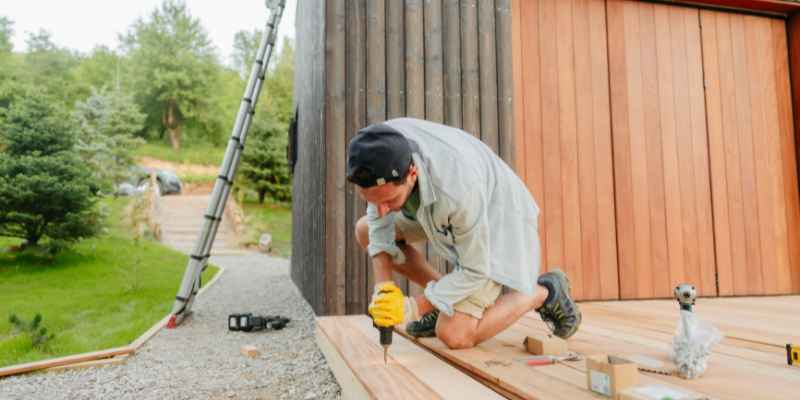
Finishing Touches
When it comes to repairing decking boards, the finishing touches are essential to ensure longevity and visual appeal.
Staining And Sealing
Staining and sealing your decking boards not only enhances their appearance but also provides protection against the elements.
Maintenance Tips
- Regularly clean and sweep your deck to prevent debris buildup.
- Inspect for damaged boards and address promptly.
- Apply a fresh coat of stain and sealant every 1-3 years.
Preventative Measures
Proper maintenance can extend the lifespan of your decking boards. By taking preventative measures, you can avoid costly repairs and ensure your deck remains in top condition for years to come.
Regular Inspections
- Inspect your deck regularly for signs of wear and damage.
- Look for loose boards, rot, mold, and insect infestations.
- Check for protruding nails or screws that may pose a safety hazard.
Long-term Deck Care
- Clean your deck annually to prevent dirt buildup and moisture retention.
- Apply a protective sealant or stain to shield the wood from the elements.
- Trim nearby foliage to prevent leaves and debris from accumulating on the deck.
Frequently Asked Questions
What Is The Best Way To Fix Decking Boards?
The best way to fix decking boards is to follow these steps: 1. Identify the damaged areas and remove any nails or screws. 2. Cut out the damaged section of the board using a jigsaw. 3. Cut a replacement board to the correct size and shape.
4. Secure the new board in place using nails or screws. 5. Sand the repaired area to ensure a smooth finish. By following these steps, you can effectively repair your decking boards and ensure their longevity.
How Do You Repair A Damaged Wood Deck?
To repair a damaged wood deck, first remove nails or screws from the damaged boards. Use a pry bar or screwdriver to lift the boards. Inspect and replace any rotted portions of the joists. Prepare replacement deck boards and attach them securely.
Apply wood stain for protection.
How To Fix Rotted Deck Boards?
To fix rotted deck boards, follow these steps: 1. Gather tools and materials. 2. Apply wood hardener, filler, or epoxy. 3. If necessary, replace the damaged boards. 4. Use a pry bar or screwdriver to remove nails or screws. 5. Install new boards and secure them in place.
Can Decking Be Repaired?
Yes, decking can be repaired. To repair damaged decking boards, follow these steps: 1) Identify the location of nails. 2) Fix the board by removing nails and pulling them out. 3) Remove any guide blocks. 4) Measure and cut the new board.
5) Insert nails to secure the new board.
Conclusion
Repairing decking boards is a crucial task to maintain the integrity and longevity of your deck. By following the steps outlined in this blog post, such as identifying and removing damaged boards, replacing them with new ones, and using proper tools and techniques, you can effectively restore your deck’s functionality and aesthetic appeal.
Remember to prioritize safety and consult professional help if needed. Regular maintenance and timely repairs will ensure that your deck remains a beautiful and safe outdoor space for years to come.