How to Treat Cedar Wood Properly (Sealer, Oil & Stain Guide)
Treat outdoor cedar with a penetrating oil or semi-transparent stain, and skip varnish and urethane, which crack and peel under UV. Cedar left bare turns silver-gray, and a clear water-repellent alone lasts only 1-2 years. This guide covers which finish fits which job, how to prep new and weathered cedar, how to sand a cedar ceiling without patches, and when to recoat.
Which Finish Should You Use on Cedar?
Best Cedar Penetrating Oil Pick
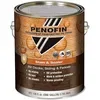 |
Penofin Transparent Penetrating Oil Finish Stain & Sealer, 1 Gallon, Cedar, $45.00 A cedar-tone penetrating oil finish, the type of coating this guide recommends for outdoor cedar instead of a film-forming varnish that cracks and peels.
|
As an Amazon Associate we earn from qualifying purchases.
The right finish depends on one question: do you want to see the wood? If yes, choose a penetrating oil or semi-transparent stain. If you are happy with a solid color, a solid-color stain or paint lasts longest. The one category to avoid outdoors is the clear, film-forming coat, because UV light passes through it and degrades the wood underneath, which then cracks and takes the finish with it.
| Finish | Typical life on textured cedar | Look | Notes |
|---|---|---|---|
| Clear water-repellent preservative | 1-2 years | Natural, then grays | Cheapest, shortest-lived; no pigment to block UV |
| Semi-transparent oil-based stain or oil | 2-4 years | Grain shows through, tinted | Best balance for decks, fences and siding |
| Bleaching oil | 5-6 years | Even silver-gray | For a weathered look on purpose |
| Solid-color stain | 4-6 years | Opaque, grain hidden | Primer plus two coats; best on textured wood |
| Paint | Up to 12 years | Opaque | Prime and coat all sides, including end grain |
| Varnish, urethane, lacquer, shellac | Not recommended outdoors | Clear film | Interior cedar only |
Finish lifespans above are for textured (rough-sawn) cedar and run shorter on smooth surfaces. Source: Real Cedar, finishing choices
Penetrating oils such as the one in the box above sit in the semi-transparent and water-repellent rows: they soak into the wood rather than forming a layer, so they fade gradually and can be recoated after a wash without stripping. If you are weighing stain against an oil specifically, our guide to staining cedar covers timing and color choices, and the review of Flood CWF-UV for cedar looks at one popular penetrating finish in detail.
How to Prep Cedar Before You Treat It
Prep depends on how long the wood has been outside, not on how it looks from across the yard. New cedar that has weathered for no more than about two weeks usually needs little more than a wash. Past that point the surface degrades and has to be sanded and washed before it will hold a coating.
| Cedar condition | What to do first | Then |
|---|---|---|
| New, installed within about 2 weeks | Sweep, wash with mild soap and water, let dry | Apply finish |
| New, exposed longer than 2 weeks | Sand lightly, wash, let dry | Apply finish |
| Gray, weathered, no old finish | Clean, brighten with oxalic acid, rinse, dry | Light sanding if fuzzy, then finish |
| Old finish still sound | Wash and let dry | Recoat with the same type of finish |
| Old finish peeling or flaking | Strip or sand back to bare wood, then clean and brighten | Prime if painting, otherwise finish |
- Finish all sides before installing. Coating every face, including the back and the end grain, stops moisture entering from the sides you cannot see later.
- Load the end grain. End grain drinks finish fastest and is where rot starts, so give cut ends and nail holes an extra liberal coat.
- Work in shade, not direct sun. Slower drying lets the finish soak in and prevents lap marks. Brush it in for the best penetration.
- Do not over-apply. Put on only what the cedar will absorb. Excess stain that sits on the surface dries shiny and blotchy.
Myth check: does cedar need “mill glaze” sanding, and do its oils block finishes?
Two ideas get repeated on almost every cedar page. The first is that cedar must be sanded to remove a glazed surface left by the saw or planer. Western red cedar contains no sap or resin that migrates to the surface, and U.S. Forest Products Laboratory researchers could not reproduce paint failure by glazing, according to Real Cedar. What does fail finishes is weathering: wood left outside for weeks, or stored wet and unprimed. The second idea is that the wood’s natural oils stop stain soaking in. In practice, a clean, dry surface that has not weathered accepts oil-based finishes fine, so the fix is timing and cleaning, not extra sanding.
The one scuff-sanding case the same source recommends is flat-grained boards, which benefit from 50-60 grit; textured surfaces do not need it. If you want to check whether treatment is needed at all before spending money, start with does cedar need to be treated.
How to Restore Weathered or Gray Cedar
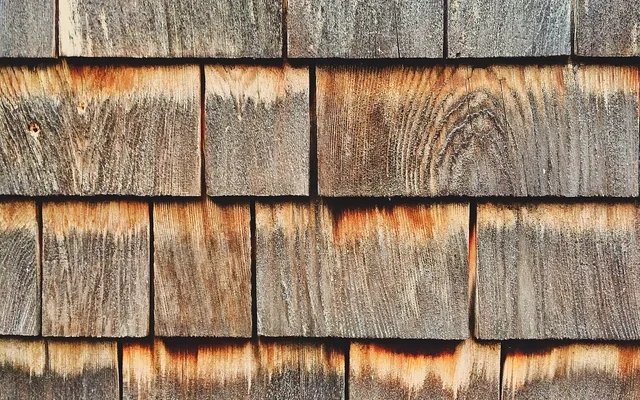
Gray cedar is usually sound wood with a weathered surface layer, so restoring it is a cleaning job, not a rebuild. Keep the pressure low: cleaning guides put the ceiling at roughly 500-600 PSI, because more than that fuzzes and gouges the soft fibers instead of just lifting dirt.
- Wet the wood and apply a sodium percarbonate cleaner (the active ingredient in oxygen bleach) and scrub gently with the grain to lift gray surface fibers, mildew and dirt.
- Rinse at low pressure with a wide fan tip held well back from the surface, never a zero-degree nozzle.
- Apply an oxalic acid wood brightener. Guides commonly cite 4-6 ounces of oxalic acid powder per gallon of water, a dwell of about five minutes, then a thorough rinse. It also neutralizes the cleaner and removes iron and tannin stains.
- Let the cedar dry completely before sanding or finishing. Finishing damp wood traps moisture.
- Lightly sand only if the surface feels fuzzy, then apply your penetrating oil or semi-transparent stain in thin coats.
For deck boards, the same wash-and-brighten routine is covered in our deck-cleaning guide. And if your cedar is graying because the finish failed years ago, expect to do more prep than a first-time treatment, since previously weathered wood needs significantly more surface work before it will take a coating.
How to Sand a Cedar Ceiling Without Leaving Patches
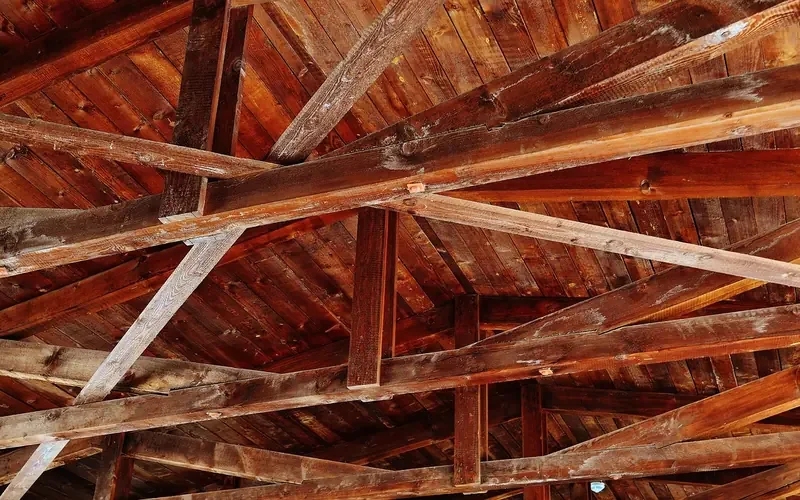
Patchy sanding on a cedar ceiling almost always comes from uneven effort, not from the wood. Cedar is soft, so any area you work harder reads lighter or smoother than the rest once a finish goes on. Indoors there is no UV or rain to protect against, so the goal is simply a uniform surface and a finish that does not shift the color.
- Sand the whole ceiling, not the dull spots. Spot-sanding creates exactly the patches you are trying to avoid. Treat the surface as one job.
- Use one grit sequence everywhere. A medium grit to level, then a finer grit to finish, applied across every board before you move on.
- Sand with the grain. Cross-grain scratches show up under finish, especially on tongue-and-groove boards.
- Hand-sand the grooves. Power sanders cannot reach into tongue-and-groove joints, so use a sanding sponge or folded paper there and blend into the board faces.
- Remove all dust. Vacuum, then wipe with a barely damp cloth. Dust packed into the grain turns blotchy under finish.
- Test the finish on an offcut. Amber oils and orange-tinted products can push cedar toward yellow-orange, while a clear water-based finish changes the color least.
Wear a dust mask when sanding cedar, ventilate the room, and keep the sander connected to a vacuum if you can. Once finished, interior cedar is far lower-maintenance than outdoor cedar and typically only needs dusting.
Common Cedar Treatment Mistakes
- Using clear varnish or urethane outdoors. It looks good for a season, then cracks as UV damages the wood below it.
- Pressure washing too hard. Above about 600 PSI you roughen the surface and create more sanding work.
- Skipping mildewcide outdoors. Choose a finish that contains an effective mildewcide, particularly when refinishing. Plain oils without it can grow mildew in damp shade.
- Putting latex over old oil without priming. Old latex coatings should be refinished with latex, and old oil finishes can take latex only after cleaning and a primer coat.
- Letting primer weather. Most primers should be topcoated within about 90 days.
- Ignoring end grain. Cut ends soak up moisture first. Seal them before assembly.
If your problem is damage rather than prevention, such as water marks or tired boards, our companion article on treating cedar wood and fixing common problems goes through repairs. For how long untreated versus treated cedar lasts, see how long cedar lasts outside.
Frequently Asked Questions
Should you treat cedar wood?
Outdoors, yes: untreated cedar weathers to gray and a water-repellent finish buys you only a year or two, so a UV-protecting oil or semi-transparent stain is worth it if you want to keep the color. Indoors, cedar needs no protection, only an optional clear finish. See whether cedar needs treatment at all.
What is the best treatment for cedar wood outdoors?
A penetrating, oil-based semi-transparent stain or oil finish is the best all-round choice. It soaks in, lets the grain show, and fades instead of peeling. Clear film-forming finishes such as varnish, urethane, lacquer and shellac are not recommended outdoors because UV light breaks down the wood under them.
How do you restore weathered gray cedar?
Wash it with a sodium percarbonate cleaner at low pressure (no more than about 600 PSI), rinse, then apply an oxalic acid wood brightener, let it dwell about five minutes and rinse again. Let the wood dry fully, lightly sand if the surface is fuzzy, and apply a penetrating finish.
Can you stain cedar wood?
Yes. Cedar takes oil-based semi-transparent stain well when the surface is clean and dry. Apply thin coats, brush them in, and do not apply more than the wood will absorb, because excess stain dries as a shiny surface film.
How often should you retreat cedar?
On textured cedar, a clear water-repellent lasts about 1-2 years, a semi-transparent stain about 2-4 years, a solid-color stain 4-6 years and paint up to 12 years. Smooth planed surfaces generally wear out sooner, so check yearly and recoat when water stops beading or the color fades.
Bottom Line
Match the finish to the job: penetrating oil or semi-transparent stain for outdoor cedar you want to keep looking like cedar, solid stain or paint when you want the longest life, and a plain clear coat only indoors. Prep matters more than product, so clean, dry and finish the wood before it weathers, load the end grain, and recoat on the schedule in the table rather than waiting for graying.
Sponsored / affiliate links. As an Amazon Associate I earn from qualifying purchases. I may earn additional commission from eligible campaigns.