How to Seal Cornhole Boards (Use Spar Urethane, Not Regular Poly)
Use an exterior-rated spar urethane, not standard indoor polyurethane, to seal cornhole boards. Cornhole boards live outside in direct sun and swinging temperatures, and spar urethane is formulated specifically for that — it has UV blockers built in and stays more flexible than standard polyurethane, so it resists the yellowing and hairline cracking that indoor-grade finishes develop after a season outdoors.
This guide covers the sealing step specifically — product choice, coat count, and dry time. If you still need to prime and paint the board first, see our full guide to finishing a cornhole board for the complete sand-prime-paint-seal process.
Spar Urethane vs. Standard Polyurethane
Built for Outdoor Wood, Not Just Indoor Furniture
 |
Varathane Classic Oil-Based Spar Urethane, Gloss, Quart – $23.99 UV-resistant and flexible enough to handle a board that lives outside, so the finish doesn’t yellow or crack after one summer of sun.
|
Both are durable, glossy topcoats, but they’re built for different environments. Standard polyurethane is designed for indoor furniture and floors, where it never sees direct UV or big temperature swings. Spar urethane (the name comes from boat spars/masts) is formulated with UV-blocking additives and a more flexible resin that expands and contracts with the wood instead of cracking, which is exactly what a board sitting outside all summer needs. If your boards live in a garage between games and rarely see sun or rain, standard polyurethane will hold up fine. If they stay outside or travel to tailgates and cookouts, spar urethane is worth the small price difference.
How to Seal Cornhole Boards
- Sand the surface smooth with 220-grit sandpaper, working with the grain, then wipe away all dust with a tack cloth. Any paint or design should already be fully dry before you start sealing.
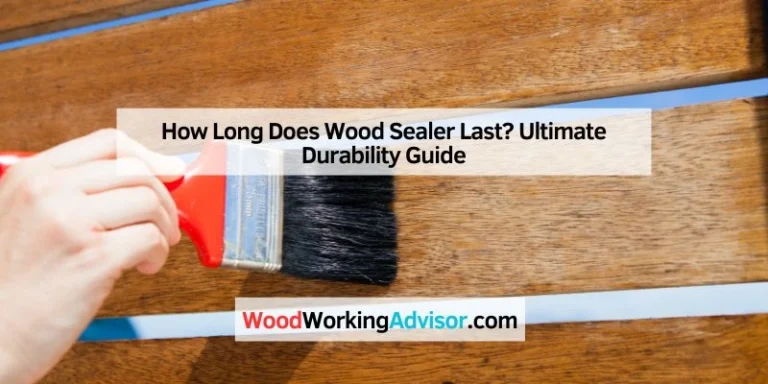
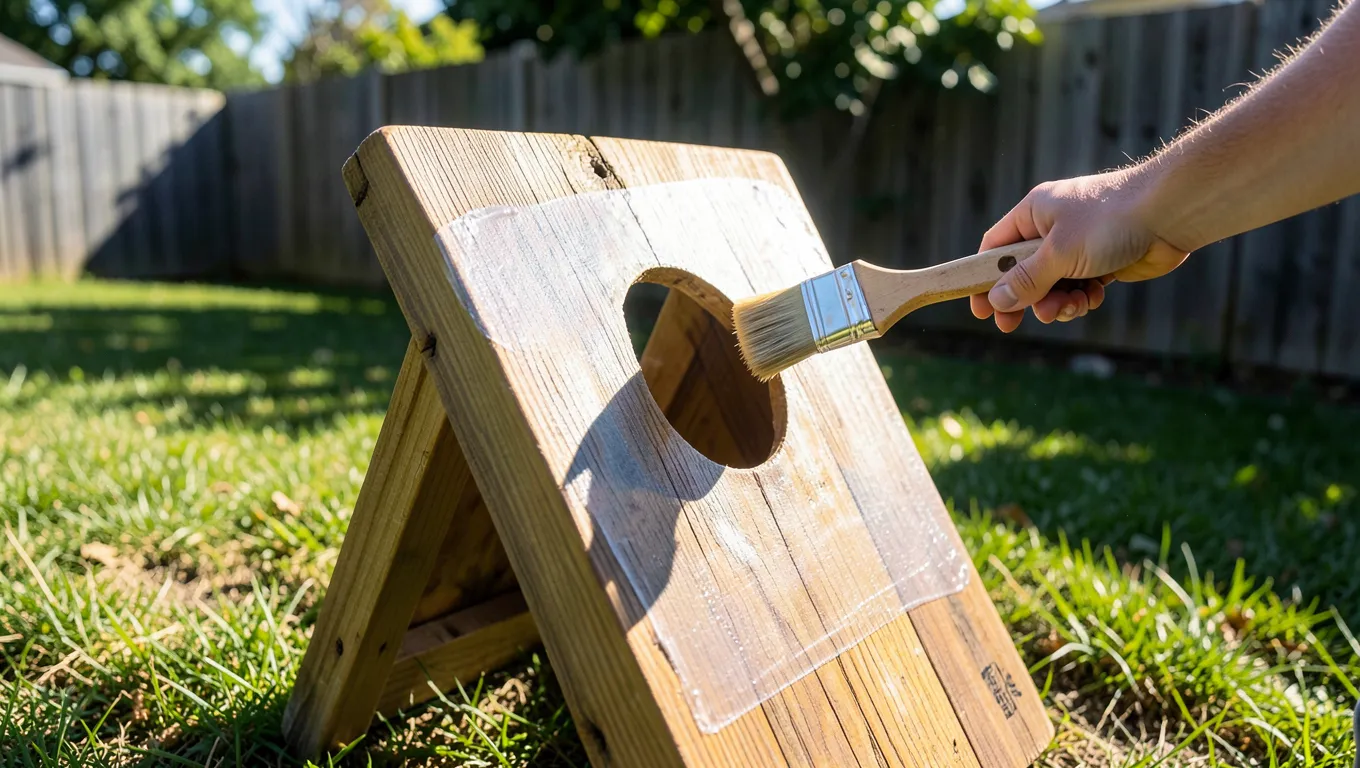
- Apply the first coat with a natural-bristle brush or foam applicator for an oil-based spar urethane, working in thin, even strokes with the grain.
- Let it dry fully — typically 24 hours for oil-based spar urethane, though humidity and temperature can extend that. Don’t rush this; a coat that isn’t fully dry will lift when you sand it.
- Lightly sand between coats with 320-grit sandpaper to knock down any dust nibs or brush marks, then wipe clean.
- Apply at least 3 coats total for a board that gets regular outdoor use — more coats mean better long-term protection against moisture and UV.
- Let the final coat cure for several days before heavy play, even though it may feel dry to the touch sooner. Full cure (not just surface dry) is when the finish reaches its real durability.
Frequently Asked Questions
Is spar urethane better than polyurethane for cornhole boards?
For boards that live outside or travel to games, yes. Spar urethane has UV blockers and stays more flexible than standard polyurethane, which is built for indoor use and tends to yellow and crack faster outdoors.
How many coats of sealant do cornhole boards need?
At least 3 coats, with a light sanding between each and full drying time before the next coat. More coats add extra protection if the boards see heavy outdoor use.
How long should sealant dry before playing?
Each coat needs about 24 hours before the next one, but the final coat should cure for several days before regular play, since a finish can feel dry to the touch well before it’s actually fully cured.
Do I need to sand between coats of sealant?
Yes, a light pass with 320-grit sandpaper between coats removes dust nibs and brush marks, which gives the final coat a smoother, more professional finish.
Sponsored / affiliate links. As an Amazon Associate I earn from qualifying purchases. I may earn additional commission from eligible campaigns.