Does Tung Oil Change Wood Color? (It’s Actually the Sunlight)
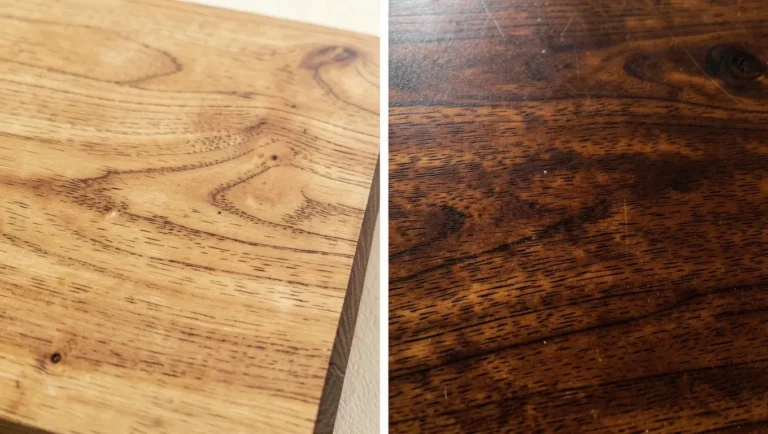
Yes, tung oil does change the color of wood. It typically enhances the wood’s natural hue, giving it a richer appearance.
Tung oil is a popular finish among woodworkers and DIY enthusiasts. Derived from the seeds of the tung tree, this oil penetrates deeply into the wood, offering both protection and aesthetic appeal. Many people appreciate how tung oil brings out the natural beauty and grain of the wood, enhancing its color without creating a surface film.
Unlike some finishes, tung oil creates a warm, matte finish that feels natural to the touch. Understanding its effects on wood color can help you choose the right finish for your projects. Whether you’re working on furniture, cabinetry, or crafts, tung oil can elevate the overall look and feel of your woodwork.
Introduction To Tung Oil And Wood Finishing
Best Pure Tung Oil Pick
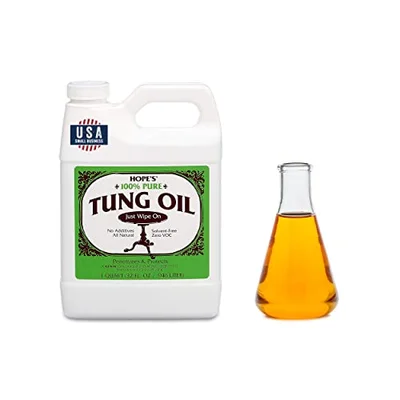
HOPE’S 100% Pure Tung Oil (Food Safe)
This guide’s food-safety FAQ specifically calls out using 100% pure tung oil, not a blended product, for cutting boards and kitchen items.
- Best for: furniture, cutting boards, and any project needing a genuine food-safe cured finish
- Why we picked it: 100% pure, no added driers or solvents that some “tung oil finish” blends contain
- Main drawback: slower cure time (7-30 days) than blended tung oil finishes
Round out your finishing kit
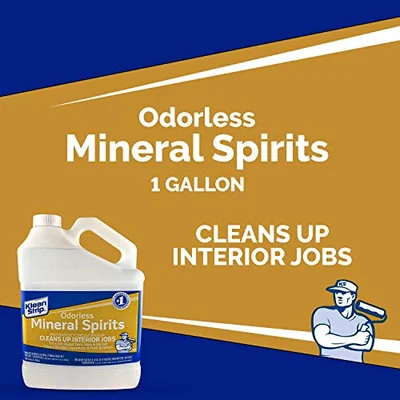 Option 1 Odorless Mineral Spirits
|
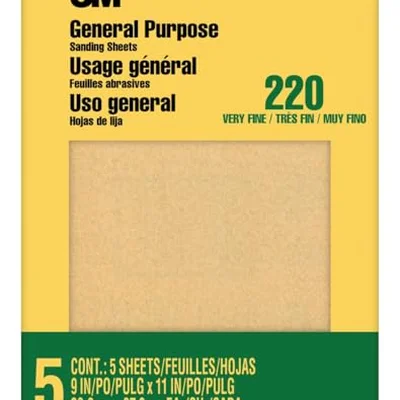 Option 2 3M 220-Grit Sandpaper
|
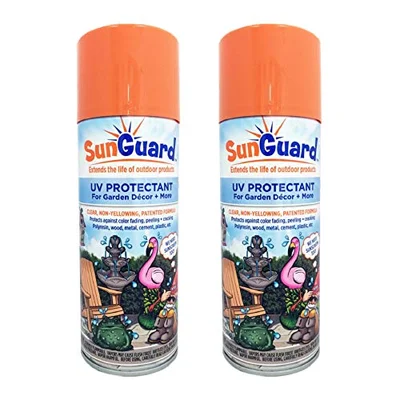 Option 3 UV Protectant Spray
|
As an Amazon Associate we earn from qualifying purchases.
Tung oil comes from the seeds of the Tung tree. It is a natural oil used for wood finishing. This oil has been used for centuries. Its origins trace back to China.
Many woodworkers love Tung oil for its benefits. It penetrates deeply into the wood. This creates a protective layer that is water-resistant. Popularity in woodworking has grown due to its ease of use.
Tung oil enhances the wood’s natural beauty. It can give wood a warm, rich color. Many craftsmen prefer it over synthetic finishes.
Properties Of Tung Oil
Tung oil is known for its unique properties. It comes from the seeds of the Tung tree. This oil has a thick, sticky texture, making it very viscous. Its composition includes many natural fatty acids.
The oil penetrates deeply into the wood. This provides strong durability and protection. Tung oil forms a water-resistant barrier. This helps prevent damage from moisture and spills.
Using tung oil can enhance the natural color and grain of wood. It dries to a hard finish, making surfaces long-lasting. Over time, it may darken slightly but maintains a beautiful look.
Wood Characteristics And Color Variations
The natural color spectrum of wood varies greatly. Different types of wood have unique colors. For example, oak appears light while mahogany is darker. Each wood species has distinct color variations based on its origin.
Grain patterns and texture also influence wood color. Straight grains can look different than wavy grains. The texture can enhance or diminish the wood’s natural hues. These aspects play a vital role in aesthetics.
Tung oil can change the appearance of wood. It often deepens the color and enhances grain patterns. This finish provides a rich, warm look. Users appreciate how it brings out the wood’s natural beauty.
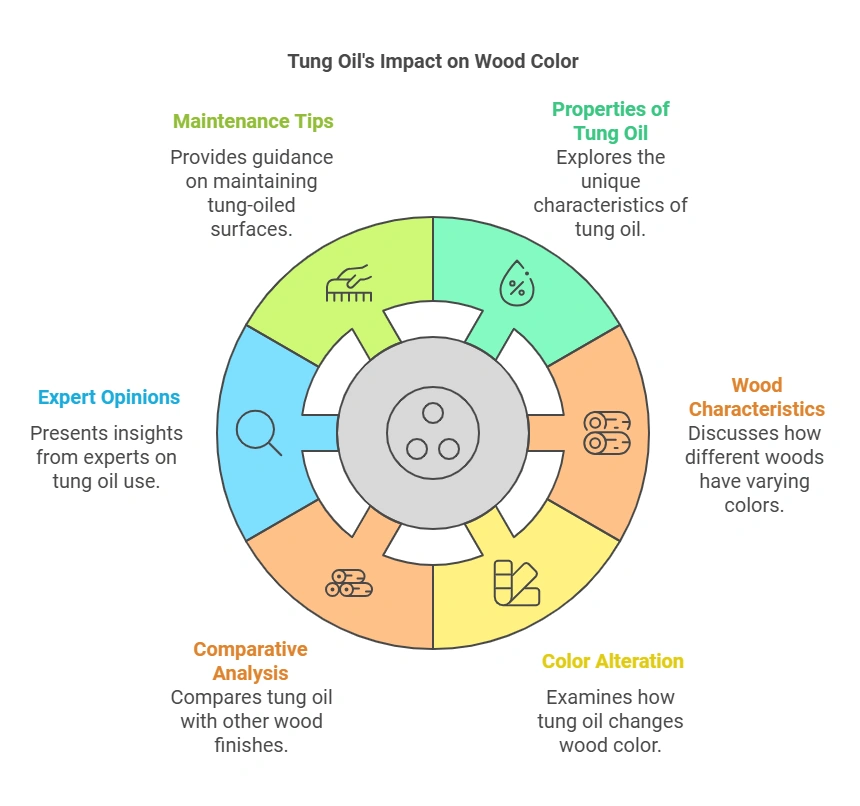
Tung Oil Interaction With Wood
Tung oil is known for its ability to enhance wood’s natural beauty. It deeply penetrates and absorbs into wood fibers. This process helps protect the wood while adding a rich finish.
The color change varies based on the wood type. Light woods often become darker with tung oil. Dark woods can appear even richer and more vibrant.
| Wood Type | Color Change |
|---|---|
| Maple | Subtle warming (tight, pale grain shows the least dramatic change) |
| Oak | Deepens color |
| Walnut | Enhances richness |
The chemical reaction occurs as tung oil interacts with wood fibers. This reaction helps create a protective barrier. It also improves the wood’s durability and resistance to moisture.
Color Alteration Through Tung Oil Application
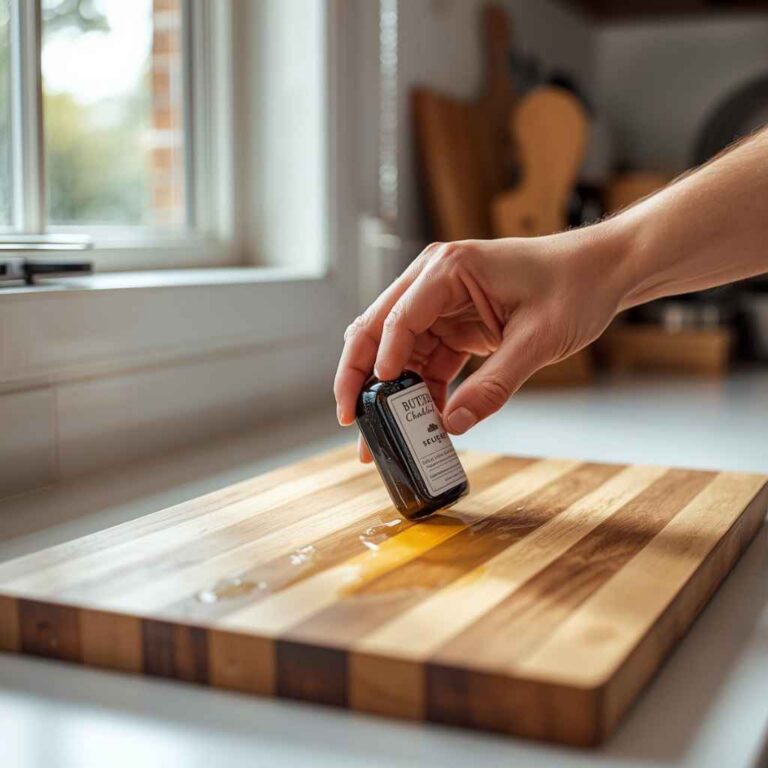
Applying tung oil can create noticeable changes in wood color. The immediate effects often include a rich, warm tone. This enhances the natural beauty of the wood. The oil penetrates deeply, making the grain more visible.
Over time, the color of wood may continue to change. Long-term exposure to sunlight can darken the wood further. Regular maintenance with tung oil can help preserve its color. It also protects against moisture and wear. Choosing the right wood type can influence the final appearance.
Is It Really The Tung Oil That Darkens Wood, Or The Sunlight?
This is worth separating out, since it’s the single most-searched question about tung oil and color. Tung oil itself doesn’t chemically darken over time the way a pigmented stain does — what it does immediately on application is a simple optical effect: wetting the wood grain makes the existing color look richer and deeper, the same way any wood looks darker when wet than when dry. The progressive darkening that shows up months or years later is mostly the wood itself oxidizing from ongoing exposure to light and oxygen, not a change in the tung oil finish.
Tung oil provides only limited UV protection compared to finishes formulated specifically to block UV — lab testing has actually found tung oil among the more UV-degradation-prone natural finishes. For wood that sits in direct sun (a table near a window, an outdoor piece), expect noticeably faster and more pronounced darkening than the same wood kept out of direct light, regardless of how many coats of tung oil are applied. A dedicated UV-protectant topcoat is the real fix if the sun exposure itself is the concern, not more tung oil.
Data point: Wood-finishing research consistently attributes long-term wood darkening to the wood’s own photo-oxidation under UV light, not to a chemical change in the tung oil itself — and separate lab UV-exposure testing found tung oil among the more degradation-prone natural oil finishes compared to UV-specific coatings.
Can You Put Polyurethane Over Tung Oil?
Yes, but timing matters more than most guides mention. Tung oil cures through a slow reaction with oxygen (not simple evaporation), and that cure can take anywhere from 7 to 30 days depending on humidity and temperature — applying polyurethane too soon traps uncured solvent underneath, causing a cloudy finish or peeling later. Wait a minimum of 3 days, and a full week is safer in humid conditions. Once the surface feels completely dry and non-tacky, lightly sand with 220-grit sandpaper to give the polyurethane something to grip, wipe away the dust, and test on a small hidden area before committing to the whole piece.
Comparative Analysis With Other Finishes
Tung oil and linseed oil both enhance wood’s beauty. Tung oil tends to darken the wood. It gives a warm, rich color. Linseed oil also adds color but can appear yellowish over time.
Polyurethane and varnish offer different effects on wood color. Polyurethane creates a clear, glossy finish. This finish protects wood but can mask its natural color. Varnish adds a slight amber tone. It enhances the wood’s grain but may darken it slightly.
| Finish Type | Color Impact |
|---|---|
| Tung Oil | Warmer, richer color |
| Linseed Oil | Yellowish over time |
| Polyurethane | Clear, glossy finish |
| Varnish | Slight amber tone |
Expert Opinions And Case Studies
Many professional woodworkers believe that tung oil enhances the natural beauty of wood. This finish often deepens the color and adds a subtle sheen. Real-life examples show varied results. Some woods, like mahogany, become richer and warmer. Others, such as pine, may darken slightly without losing their charm.
Case studies reveal that tung oil can highlight wood grain beautifully. It often brings out unique patterns that many finishes miss. Woodworkers appreciate its ability to protect while enhancing color. Durability and water resistance are key benefits too.
| Wood Type | Color Change | Comments |
|---|---|---|
| Mahogany | Richer | Deepens and warms the tone. |
| Pine | Slightly Darker | Retains charm with added depth. |
| Oak | Enhanced Grain | Brings out unique patterns. |
Maintenance And Upkeep Of Tung Oiled Surfaces
Routine care for tung oiled surfaces helps maintain their beauty. Regularly clean with a soft cloth. Avoid harsh cleaners that can damage the finish. Apply a fresh coat of tung oil every few years to keep the wood looking its best.
For revitalizing aged tung oil finishes, start by cleaning the surface. Use a gentle soap and water solution. Let the surface dry completely before applying new oil. Thin the oil with mineral spirits for better absorption. Apply with a cloth or brush, working in the direction of the grain.
Allow the oil to sit for about 15-20 minutes. Wipe off any excess oil to avoid a sticky finish. Allow the surface to cure for several days before using it. This process will enhance the color and luster of the wood.
Conclusion: The Essence Of Tung Oil On Wood Aesthetics
Tung oil is known for its unique ability to enhance wood. It deepens the natural color of the grain. This makes the wood look richer and more vibrant. Many woodworkers appreciate this aesthetic change.
Applying tung oil creates a water-resistant finish. This helps protect the wood while maintaining its natural beauty. The oil penetrates deeply, allowing the wood to breathe.
Choosing tung oil for wood finishing is a smart decision. It offers a beautiful look and strong protection. Understanding its impact can help in making the right choice.
Frequently Asked Questions
Does Tung Oil Darken Wood?
Yes, tung oil can darken wood slightly. When applied, it enhances the wood’s natural color and depth. The change is often subtle but noticeable. This effect can vary depending on the wood type and the number of coats used. Always test on a small area first.
How Long Does Tung Oil Take To Dry?
Tung oil typically takes 24 to 72 hours to dry. Drying time depends on humidity and temperature. A well-ventilated area can speed up the process. It’s essential to allow adequate drying between coats for the best finish. Patience yields a more durable result.
Can I Use Tung Oil On All Wood Types?
Tung oil is suitable for many wood types. It works well with hardwoods like oak and walnut. However, some softwoods may absorb it differently. Always perform a test on a small section first. This ensures compatibility and gives you the desired finish.
Is Tung Oil Food-safe After Drying?
Yes, once fully cured, tung oil is food-safe. It is often used on cutting boards and kitchen items. Ensure you use 100% pure tung oil for safety. Other additives may affect its safety. Always check product labels for assurance.
Does Sunlight Make Tung-Oiled Wood Darken Faster?
Yes, but it’s the wood itself oxidizing under UV light that causes most of the ongoing darkening, not a change in the tung oil. Tung oil offers only limited UV protection, so wood in direct sunlight will darken noticeably faster than the same wood kept out of direct light. A dedicated UV-protectant topcoat addresses this better than adding more tung oil.
How Long Should You Wait Before Applying Polyurethane Over Tung Oil?
Wait a minimum of 3 days, and a full week is safer in humid conditions, since tung oil cures through oxidation rather than simple evaporation and can take 7 to 30 days to fully cure. Applying polyurethane too soon traps solvent underneath and can cause cloudiness or peeling. Lightly sand with 220-grit sandpaper once the surface is fully dry and non-tacky.
Conclusion
Tung oil can indeed change the color of wood, enhancing its natural beauty. Its rich, warm tones add depth and character to various types of wood. For best results, always test the oil on a small area first. This way, you can achieve the desired effect without surprises.
Enjoy your woodworking projects!
Sponsored / affiliate links. As an Amazon Associate I earn from qualifying purchases. I may earn additional commission from eligible campaigns.