How to Silence Spray Paint With a Non Metal Ball: Expert Tips
Every aerosol spray paint can rattles because of a small steel ball sealed inside – its job is to break up settled pigment when you shake the can. Swapping that steel ball for a non-metal one (plastic, glass, or ceramic) genuinely cuts the noise, which matters if you’re painting late at night, in an apartment, or somewhere sound carries. The trade-off nobody mentions: a lighter, softer ball mixes paint less aggressively than steel, so you have to shake longer and check consistency more carefully. Here’s how to do the swap properly and what to expect from each material.
Choosing the Right Ball Material
The stock steel ball is loud because it’s dense and hard – it strikes the can’s metal walls with real force. Any material that’s lighter or softer reduces that impact energy, which is exactly why non-metal alternatives work. The three practical options:
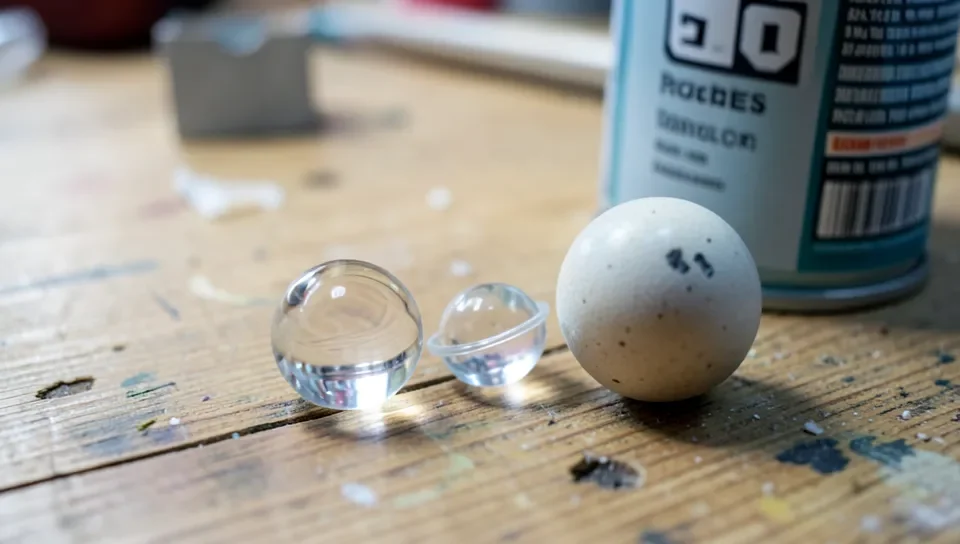
- Plastic (Delrin/acetal): Cheap, light, and rigid enough to still agitate pigment reasonably well. The best all-around choice for most spray cans.
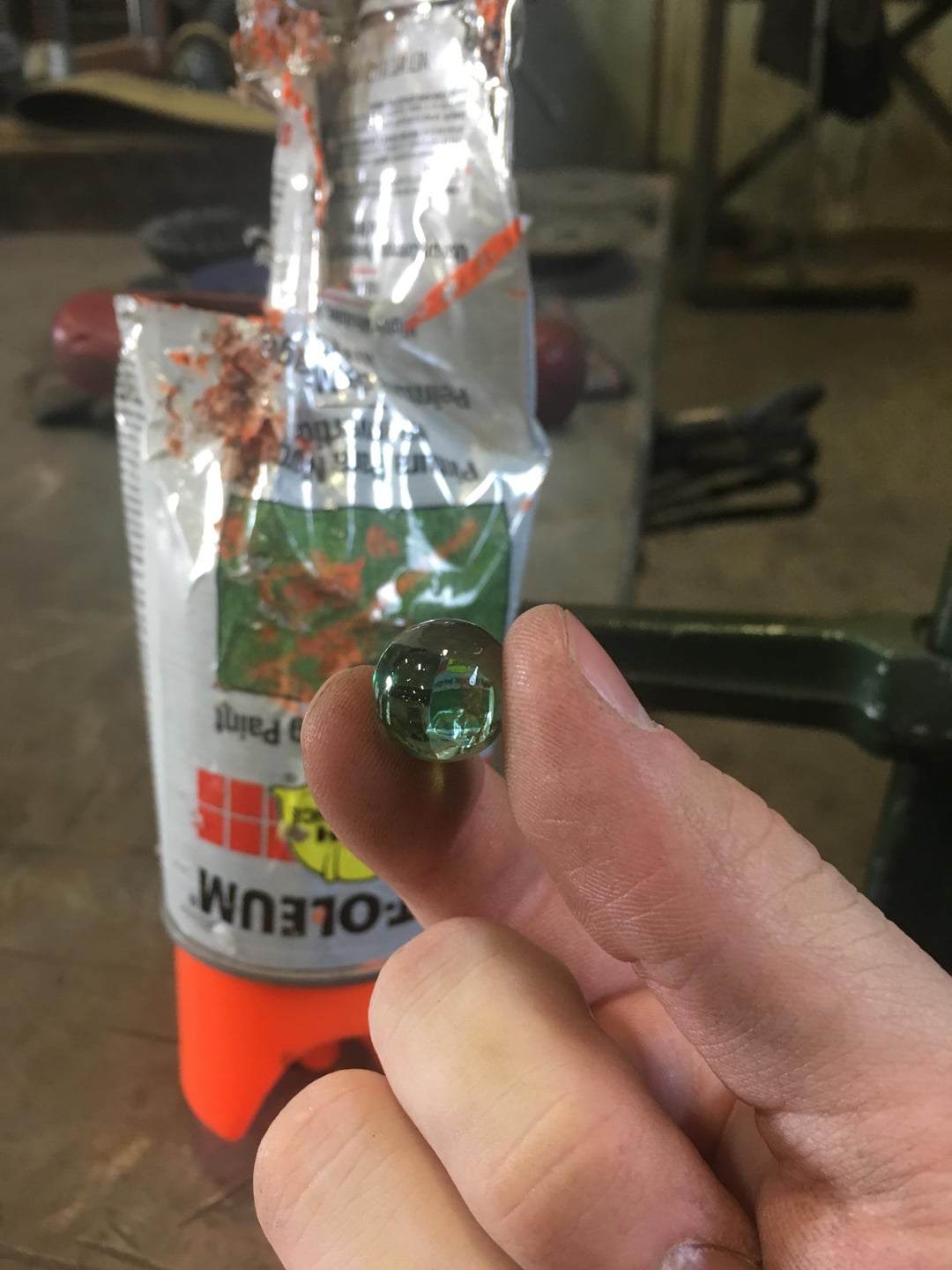
- Glass: Smooth, durable, and slightly heavier than plastic, so it mixes paint a bit better while still being quieter than steel. A small glass marble is a common improvised choice.
- Ceramic: Dense enough for decent mixing and very quiet in use, but more prone to chipping or cracking than plastic or glass if the can is shaken hard.
None of these will rust the way a steel ball can if moisture gets into the can, which is a secondary benefit – a rusted agitator ball can flake and contaminate the paint. Whichever material you pick, match its diameter closely to the original steel ball (usually 3/16″ to 1/4″ in a standard 12 oz can) so it moves freely without rattling loose inside the can.
Best For A Precise Size Match
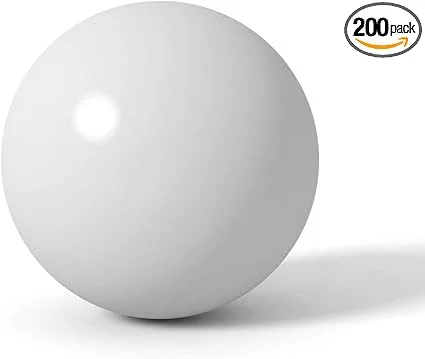 |
BC Precision 3/16″ Delrin Plastic Bearing Balls, 200-Pack – $10.05 Precision-made 3/16″ plastic balls – the same diameter as most factory steel agitators – so you get a reliable fit instead of guessing with a loose marble or craft bead.
|
Tools and Materials Needed
- Can opener or flathead tool: to pry off the spray can’s crimped top cap without damaging it.
- Gloves and a rag: paint residue near the nozzle assembly gets on your hands quickly.
- A replacement ball: sized to match the original (plastic, glass, or ceramic).
- A small container: to hold the original steel ball and the cap’s small parts so nothing rolls away.
Step-by-Step Guide
- Relieve any pressure: Spray a short test burst away from you first, in case the can is fuller or more pressurized than expected.
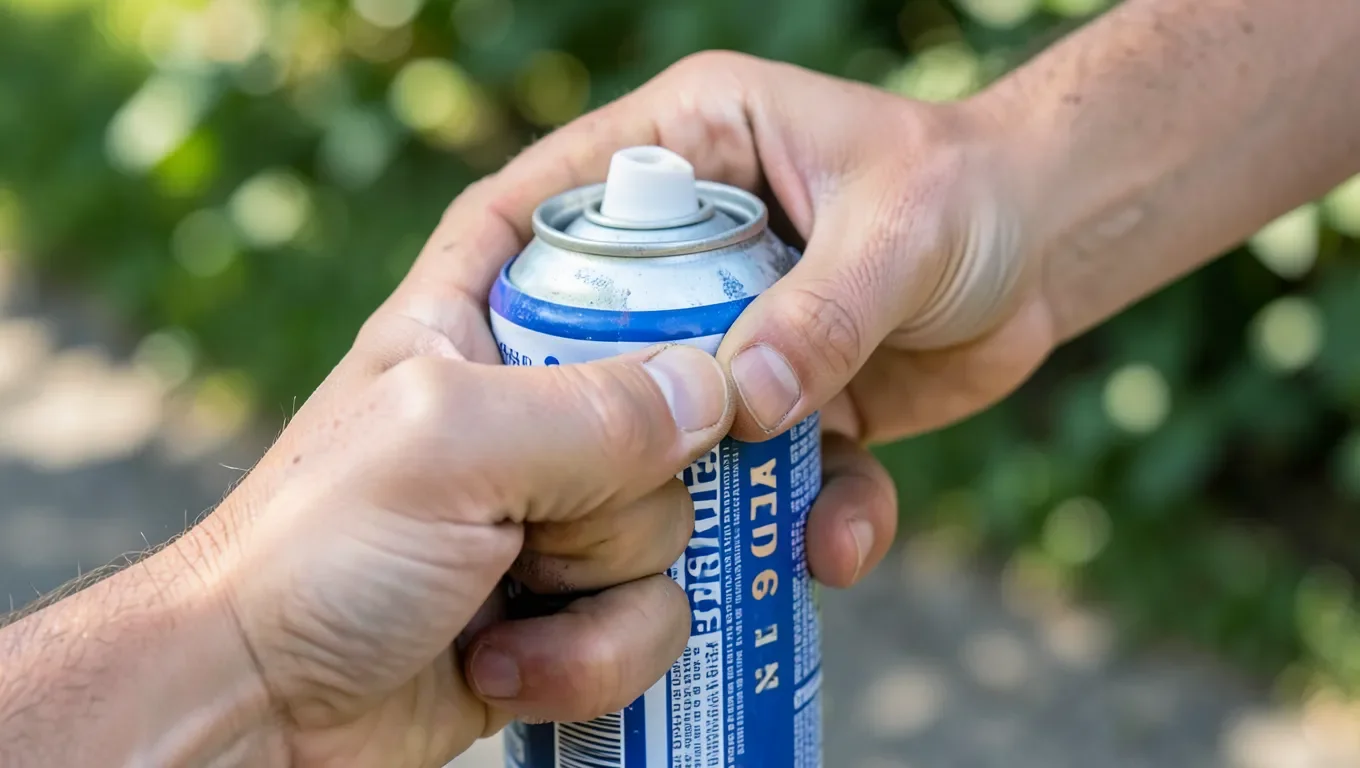
- Remove the cap assembly: Most spray cans have a crimped metal cap over the valve stem. Carefully pry it up at the edges with a flathead tool, working around the circumference rather than prying one spot hard.
- Retrieve the steel ball: Tip the can (nozzle end up, base down) and shake gently until the original ball drops out through the opened valve area. Set it aside.
- Drop in the replacement ball: Insert the plastic, glass, or ceramic ball through the same opening.
- Reseal the cap: Press the crimped cap back down evenly around its edge until it seats fully – an incomplete seal will leak propellant.
- Test it: Shake for a full 60–90 seconds (longer than you would with the original steel ball, since the lighter material mixes pigment more slowly) and spray a test pattern on scrap material to confirm even color and flow before using it on your actual project.
Common Challenges
The most common complaint after this swap is streaky or inconsistent color – that’s almost always under-mixing, not a bad can. Because a plastic, glass, or ceramic ball hits the pigment with less force than steel, you need noticeably more shake time (60–90 seconds instead of the usual 15–30) to get full, even agitation. If the ball feels stuck rather than rolling freely when you shake, it’s usually too large for the can’s internal diameter – downsize slightly rather than forcing it. Ceramic and glass balls can also crack under a hard drop or aggressive shaking, so replace a cracked one immediately rather than risk shards in the paint.
Expert Advice and Techniques
If a non-metal ball alone doesn’t cut the noise enough, combine it with can-handling changes rather than switching materials again:
- Wrap the can: A folded towel or foam sleeve around the can body absorbs a meaningful amount of the remaining impact noise.
- Shake with shorter, controlled strokes: A gentle figure-eight motion mixes paint with less peak-impact noise than a hard up-and-down shake.
- Pre-mix before you need quiet: Shake the can fully before moving to a noise-sensitive area, then only give it a few gentle shakes right before spraying to keep it agitated.
None of these fully replace good mixing, so don’t skip the shake time just because it’s quieter – check your spray pattern on scrap material if you’re ever unsure the paint is fully blended.
Maintenance and Care
- Store upright, in a dry spot: moisture is the main threat to a resealed cap’s crimp seal.
- Wipe the nozzle after each use: dried paint buildup is the most common cause of spotty or blocked spray.
- Check the ball’s condition periodically: a cracked ceramic or glass ball should be swapped out before it fragments further.
- Always shake fully before use: this matters more, not less, once you’ve swapped to a lighter agitator ball.
Conclusion
Swapping a spray can’s steel ball for plastic, glass, or ceramic is a quick, cheap fix for noise, and it genuinely works. The part most guides skip is that you’re trading mixing power for quiet – plan on roughly double the shake time and a test spray on scrap material before committing to your actual project, especially the first few times you use a modified can.
Frequently Asked Questions
How do I make spray paint quieter without opening the can?
Wrap the can in a towel or foam sleeve, shake with shorter controlled motions instead of hard jerks, and pre-mix the can fully before you need to be quiet, then only give it a few gentle shakes right before spraying. These reduce noise somewhat, but they don’t cut it as much as actually replacing the internal steel ball.
Why is there a metal ball in spray paint?
The steel ball agitates and re-suspends pigment that settles at the bottom of the can between uses. Shaking the can moves the ball through the paint, breaking up clumps so the color and texture stay consistent when you spray.
Will a plastic or glass ball mix the paint as well as the original steel ball?
Not quite as well. Steel’s density gives it more mixing force per shake. A lighter non-metal ball still works, but you need to shake noticeably longer – 60–90 seconds instead of the usual 15–30 – to get the same even consistency. Always test on scrap material first.
What size ball should I use to replace the original?
Most standard 12 oz aerosol cans use a ball around 3/16″ to 1/4″ in diameter. Match the replacement closely to that range so it moves freely inside the can without rattling loose or getting stuck.
Sponsored / affiliate links. As an Amazon Associate I earn from qualifying purchases. I may earn additional commission from eligible campaigns.