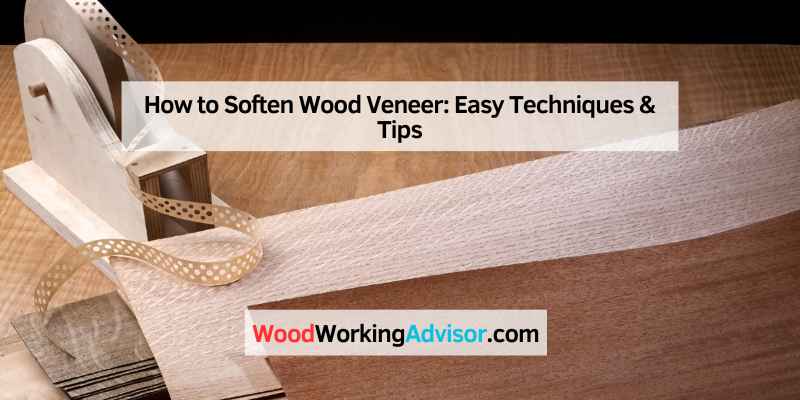
How to Soften Wood Veneer: Easy Techniques & Tips
To soften wood veneer, apply heat using an iron or steam. This process makes the veneer more pliable for bending or shaping.
Wood veneer is a versatile material used in various woodworking projects, from cabinetry to furniture. It consists of thin layers of wood, making it lightweight yet strong. Softening veneer can help achieve intricate designs and curves, enhancing the overall aesthetic.
The right technique ensures the veneer maintains its integrity while allowing for flexibility. Whether you’re a seasoned woodworker or a DIY enthusiast, understanding how to soften wood veneer can elevate your projects. This process not only saves time but also minimizes the risk of cracking or splitting the veneer during application. Mastering this skill opens up endless design possibilities.
Introduction To Wood Veneer
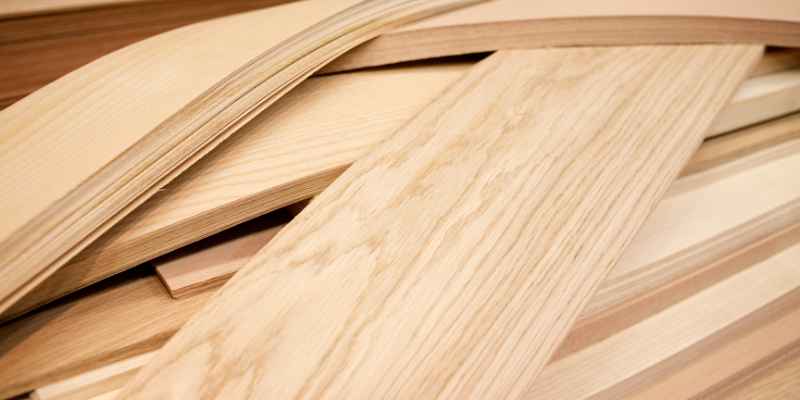
Wood veneer is a thin layer of wood. It is often used in furniture and cabinets. This material provides a beautiful finish without the cost of solid wood.
Wood veneer has many benefits. It is lightweight and easy to work with. This makes it perfect for projects where weight matters. Veneer also allows for creative designs. You can use different wood types to create unique patterns.
Another advantage is that it is eco-friendly. Using veneer means fewer trees are cut down. This helps protect our forests and environment.
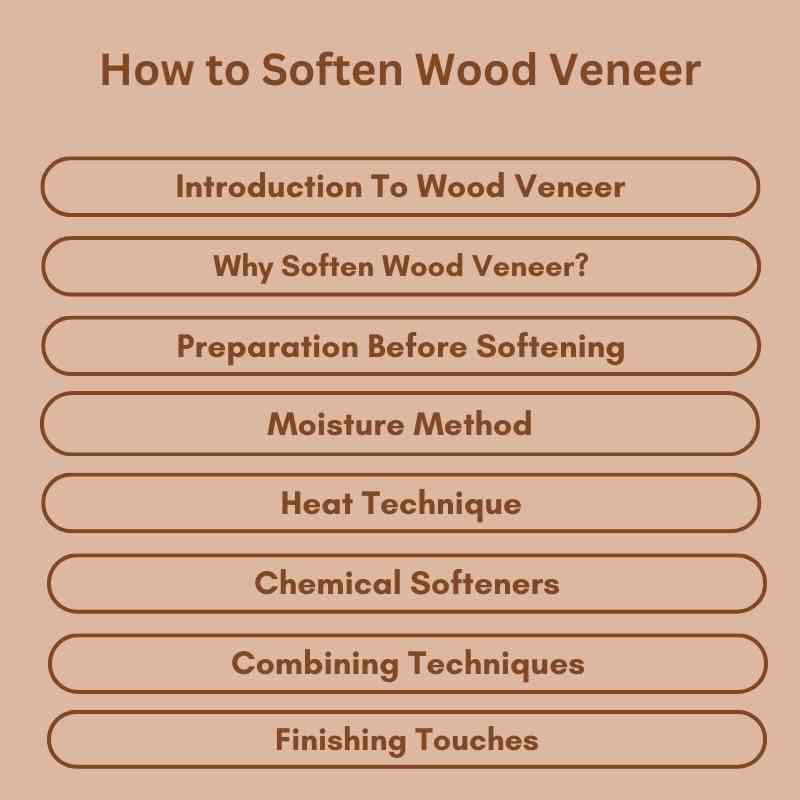
Why Soften Wood Veneer?
Wood veneer needs to be softened for many reasons. It improves flexibility, making it easier to bend without breaking. This is especially important for curved surfaces in furniture design.
Softening also enhances workability. Easier handling means better results in woodworking projects. Techniques like steam treatment or soaking in water can help achieve this. Always ensure the veneer is not too wet, as it can damage the surface.
Using a heat gun or an iron can also soften veneer. Apply heat gently to avoid scorching the wood. These methods help achieve smooth, clean edges during cutting and shaping.
Preparation Before Softening
Before starting, gather the following materials:
- Wood veneer
- Water
- Spray bottle
- Cloth
- Iron (with steam option)
- Wood glue
Safety is very important during this process. Always wear gloves to protect your hands. Use goggles to shield your eyes from splashes. Ensure good ventilation in your workspace. Keep a fire extinguisher nearby in case of emergencies.
Moisture Method
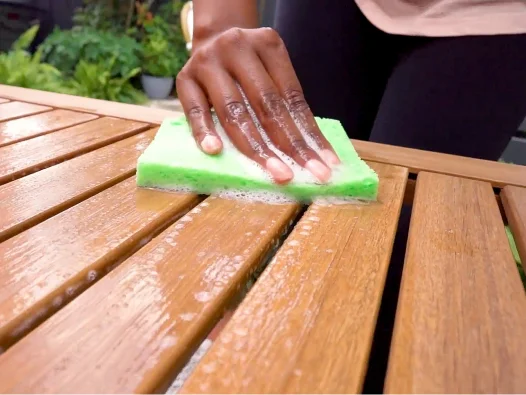
To soften wood veneer, applying moisture is key. Begin by using a damp cloth. Wipe the surface of the veneer gently. This helps the wood fibers to relax.
After applying moisture, wait for a few minutes. The waiting time allows the veneer to absorb the moisture. Check if the wood feels more flexible. If it still feels stiff, apply more moisture.
Make sure to avoid soaking the veneer. Too much water can cause damage. Always work in a well-ventilated area. This helps the veneer dry evenly after softening.
Heat Technique
To soften wood veneer, the heat technique works well. Using an iron is a simple method. First, place a damp cloth over the veneer. This protects it from direct heat. Next, set the iron to a low setting. Avoid using steam, as it can cause damage.
Press the iron gently on the cloth. Move it in circular motions for about 10 seconds. Check the veneer regularly for softness. If needed, repeat the process until it becomes flexible. This technique is great for shaping or bending veneer.
Chemical Softeners
Choosing the right softener is key for wood veneer. Many chemical softeners are available. Look for products with low toxicity and good results.
Common options include water-based softeners and solvent-based softeners. Water-based softeners are safer and easier to use. Solvent-based softeners may offer faster results but require more care.
Follow these steps for the application process:
- Test the softener on a small area first.
- Apply the softener evenly with a brush.
- Let it sit for the recommended time.
- Check if the veneer is soft enough.
- Repeat if necessary to achieve desired softness.
Combining Techniques
Moisture and heat work well to soften wood veneer. Start by applying water to the veneer. Use a damp cloth for even coverage. Heat the veneer gently with an iron or heat gun. Keep the iron moving to avoid burning.
For the chemical method, use a veneer softener. Apply the softener directly to the veneer. Let it sit for a few minutes. Afterward, use heat to activate the softening process. This combination makes the veneer easier to bend and shape.
Finishing Touches
Sanding wood veneer is crucial for a smooth finish. Use fine-grit sandpaper for best results. Always sand with the grain to avoid scratches. Start with a coarser grit and gradually move to finer ones. This helps achieve a polished look.
Sealing wood veneer protects it from moisture and damage. Choose a sealant that matches your project. Apply a thin layer using a brush or cloth. Let it dry completely before applying another coat. This ensures a durable finish that lasts.
Tips For Success
Start by practicing on scrap pieces of veneer. This helps you learn techniques without risking valuable wood. Use a damp cloth to apply moisture. Don’t soak the veneer; just make it slightly wet.
Patience is essential when softening wood veneer. Allow the moisture to sit for a few minutes. This gives the wood time to absorb the water. After that, gently bend or shape the veneer as needed.
Always work slowly to avoid tearing or damaging the veneer. If the wood resists, apply a bit more moisture and wait. Remember, taking your time leads to the best results.
Troubleshooting Common Issues
Cracking in wood veneer often happens due to rapid drying. To fix this, moisten the veneer slowly. Use a damp cloth or sponge. Avoid soaking it completely. This gentle method helps reduce cracks.
Uneven softening can occur if the heat or moisture is applied unevenly. To solve this, ensure you apply consistent heat or moisture across the surface. A softening blanket can help distribute warmth evenly. Always check for softening in small areas before proceeding to larger sections.
Frequently Asked Questions
How Can I Soften Wood Veneer At Home?
To soften wood veneer at home, use a steam method. Place the veneer in a damp cloth and apply heat with an iron. The steam will make the wood more pliable. Be careful not to burn the veneer. This method works well for intricate bends and curves.
What Tools Do I Need To Soften Wood Veneer?
You typically need an iron, a damp cloth, and possibly a spray bottle. An iron provides the heat necessary to create steam. The damp cloth protects the veneer from direct heat. A spray bottle can help add moisture directly to the surface for additional flexibility.
Is It Safe To Use Water On Wood Veneer?
Yes, using water is generally safe for wood veneer. However, too much moisture can warp or damage the veneer. Always use a damp cloth instead of soaking the veneer. This ensures it remains pliable without compromising its structure. Monitor the veneer closely during the softening process.
How Long Does It Take To Soften Wood Veneer?
Softening wood veneer can take just a few minutes. The exact time depends on the thickness and type of veneer. Typically, you will apply heat for 10-20 seconds. Check the veneer regularly to ensure it becomes pliable without overheating. Adjust your technique as needed for best results.
Conclusion
Softening wood veneer can enhance its flexibility and usability. Employing methods like steam or moisture will yield the best results. Remember to test a small area first. With the right techniques, you can achieve beautiful finishes for your projects. Enjoy the process and let your creativity shine through!