How to Disinfect Wood Furniture Safely & Effectively
Disinfecting wood furniture safely means using a 70% isopropyl alcohol solution applied to a cloth (never directly on the wood), not vinegar — vinegar isn’t an EPA-registered disinfectant and can damage finishes when left on too long or used undiluted. Test any product on a hidden spot first, since finishes react differently to the same solution. This guide covers safe disinfecting technique, everyday cleaning, and the drying/polishing steps that keep the finish protected.
Choosing The Right Cleaning Products
Best Wood Furniture Care Pick
Pledge Moisturizing Wood Oil, Furniture Reviving Conditioner
A step up from a dry-dusting cloth — restores moisture to the finish after cleaning and gives lasting shine and scratch protection.
- Best for: restoring shine and moisture to finished wood after cleaning or disinfecting
- Why we picked it: conditions the finish rather than just leaving a wax film on top
- Main drawback: a maintenance product, not a cleaner or disinfectant on its own
Compare more wood furniture care supplies
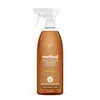 Option 1 Method Daily Wood Cleaner
|
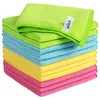 Option 2 MR.SIGA Microfiber Cleaning Cloth, 12-Pack
|
As an Amazon Associate we earn from qualifying purchases.
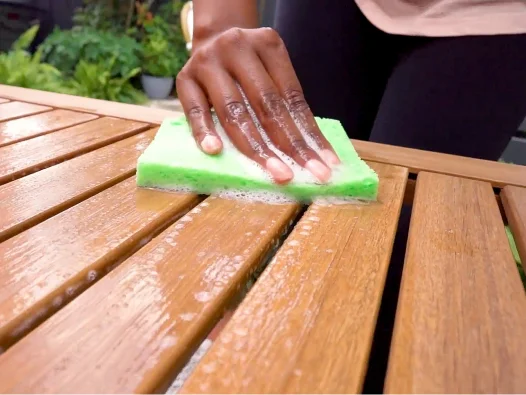
Natural cleaners are gentle on wood for everyday dusting and light dirt. A damp cloth with mild soap and water handles most routine cleaning without risk to the finish. Olive oil and vinegar mixtures are a popular DIY polish, but they’re a cosmetic treatment, not a disinfectant — don’t confuse the two.
Chemical solutions can be harsh. They may damage the wood. Some have strong acids. Always check labels. Look for wood-safe products. Avoid bleach-based cleaners. They can strip the finish.
Cleaning vs. Disinfecting Wood Furniture
Vinegar has mild antimicrobial properties but isn’t a true EPA-registered disinfectant, and it can damage finish if used undiluted or left to sit. When you actually need to disinfect a surface — after illness, or high-touch spots like table edges and chair arms — use a 70% isopropyl alcohol solution (equal parts alcohol and water) applied to a soft cloth, not sprayed directly on the wood. Let it sit briefly, then dry immediately. For finished wood specifically, look for a disinfectant wipe or spray explicitly labeled safe for “finished wood” surfaces — many all-purpose disinfecting wipes are not, and using one that isn’t can dull or cloud the finish.
Preparing The Furniture
First, remove all visible dust from the furniture. Use a soft cloth or feather duster. This helps keep the finish safe. Dusting prevents scratches. After dusting, wipe the surface with a damp cloth. Make sure the cloth is not too wet. Excess water can damage wood. Use mild soap if needed. But be gentle. Wood is delicate.
Keep other items safe. Use covers or cloths to protect nearby objects. Make sure no water spills on floors. Water can stain carpets or floors. Use a tarp or plastic sheet. This keeps water away from floors. Protect walls with barriers. Especially if they are painted. Paint can chip if wet. Be careful around electronics. Water can damage them.
Disinfecting Techniques
For genuine disinfection, apply a 70% isopropyl alcohol and water solution to a soft cloth — not directly onto the wood — and wipe the surface in the direction of the grain. Work in small sections, and dry immediately with a second clean cloth to prevent any moisture from sitting on the finish.
Test the disinfectant on a hidden spot first. This checks for any reaction. Always use a soft cloth to avoid scratches. Clean along the grain of the wood. This keeps the surface looking smooth. Never use too much liquid. Wood can swell with too much moisture. Avoid undiluted vinegar or bleach for disinfecting — these can harm the finish and don’t reliably kill pathogens anyway. Keep wood furniture away from direct sunlight, which fades and dries out the finish over time faster than any cleaning product will.
Drying And Polishing
Drying and polishing play a crucial role in disinfecting wood furniture. Properly dry surfaces to prevent moisture damage. Gently polish after cleaning to maintain the finish and shine.
Ensuring Complete Dryness
Wood furniture needs to be dry to prevent damage. Use a soft, absorbent cloth. This helps soak up any moisture. Make sure every part is dry. Moisture can harm the wood. It can cause stains or mold. Drying is a key step. It keeps furniture safe and beautiful.
Enhancing Shine And Protection
Polishing adds shine to wood furniture. Use a quality wood polish or wood oil. It protects the wood finish. Apply the polish with a soft cloth. Rub gently in circles. This makes the wood shine. Polishing helps prevent scratches. It also keeps the wood looking new. A good polish is important for protection.
Maintenance Tips
Gently clean wood furniture with a soft cloth and mild soap solution. Dry immediately to avoid damage. Reserve isopropyl alcohol solution for actual disinfecting needs, not routine dusting, to keep the finish protected.
Regular Cleaning Schedule
Create a cleaning schedule for your wood furniture. Dust it every week. Use a soft, dry cloth. This keeps the surface shiny. Avoid using wet cloths often. Moisture can harm the wood. For deeper cleaning, use a mild soap. Mix it with warm water. Dampen a cloth lightly. Wipe the furniture gently. Dry it with a clean towel after. This prevents water spots. Regular cleaning keeps your furniture looking new.
Handling Spills And Stains
Wipe spills quickly to prevent stains. Use a soft cloth. Gently blot the spill. Don’t rub it. Rubbing can spread the stain. For sticky spots, use warm water. Add a drop of mild soap. Dampen a cloth lightly. Rub the area gently. Rinse the cloth with clean water. Wipe again to remove soap. Dry with a towel to prevent water damage. Acting quickly on a spill keeps it from becoming a permanent stain.
Frequently Asked Questions
How Can I Clean Wood Furniture Safely?
To clean wood furniture safely, use a soft cloth with a mild soap and water mixture. Avoid abrasive materials and ensure you dry the surface thoroughly. Test any cleaner on a hidden spot first to ensure it won’t damage the finish.
What Disinfectant Is Best For Wood Furniture?
A 70% isopropyl alcohol solution (equal parts alcohol and water) applied to a soft cloth is an effective, fast-evaporating disinfectant for finished wood. Vinegar is not a true disinfectant and can damage the finish if used undiluted or left to sit.
Can Vinegar Damage Wood Furniture Finish?
Yes, if used undiluted or left on too long, vinegar’s acidity can dull or damage the finish. It’s better suited to occasional light cleaning, diluted with water, than to routine disinfecting.
Is It Safe To Use Alcohol On Wood?
Yes, when diluted to around 70% isopropyl alcohol and applied to a cloth rather than sprayed directly, alcohol is a genuinely effective disinfectant that evaporates quickly and doesn’t leave residue. Always test on a hidden spot first, since some finishes react differently than others.
Conclusion
Keeping wood furniture clean and germ-free means using the right tool for the job: mild soap and water for everyday dusting, and a diluted isopropyl alcohol solution applied to a cloth when actual disinfection is needed. Skip undiluted vinegar and bleach, test any new product on a hidden spot, and dry the surface immediately after any wet cleaning to protect the finish.
Sponsored / affiliate links. As an Amazon Associate I earn from qualifying purchases. I may earn additional commission from eligible campaigns.
 Beeswax Wood Furniture Polishing Spray, 120ml Furniture Cleaning Polishing Leather Cleaner, Waterproof Conditioner Cleaning Supplies For Furnitures, Floor, Tables, Cabinets
 Pledge Enhancing Polish Spray, Wood Furniture & Stainless Steel Polish, Remove Dust and Fingerprints, Fast Shine and Protect, Prevent Scratches & Knicks - Lemon Scent, 9.7oz (Pack of 12)