How to Stain Birch: Achieve Flawless Finish Easily!
To stain birch, start by sanding the surface to remove any imperfections. Next, apply a pre-stain conditioner before adding the stain for even color.
Birch wood has a fine, smooth grain that can be challenging to stain evenly. Due to its light color, birch often requires a pre-stain conditioner to avoid blotchiness. Proper preparation is crucial for achieving a beautiful finish. Use a high-quality stain that enhances the natural beauty of the wood.
Test the stain on a scrap piece to ensure it meets your expectations. Choosing the right tools and techniques helps achieve a professional-looking result. Whether you’re refinishing furniture or crafting new pieces, understanding how to stain birch will enhance your woodworking projects.
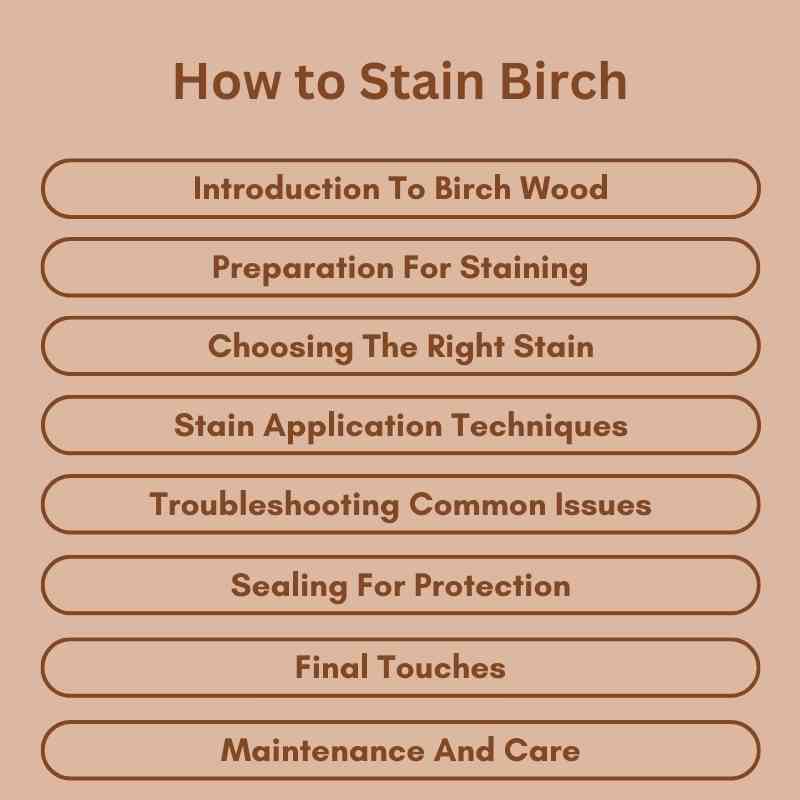
Introduction To Birch Wood
Birch wood is known for its strength and durability. It has a light color, often with a smooth texture. This wood can range from white to pale yellow. Birch is easy to work with and takes stains well.
Woodworkers appreciate birch for its versatility. It is used in furniture, cabinets, and flooring. Its fine grain makes it a favorite among craftsmen. Birch is also a popular choice for plywood due to its strength.
This wood species holds stain beautifully. It can be finished to look rich and elegant. Many DIY enthusiasts choose birch for home projects. Its popularity continues to grow among woodworkers.
Preparation For Staining
Staining birch requires careful preparation. Gather essential materials and tools for the task. You will need:
- Sandpaper (120 to 220 grit)
- Clean cloths
- Wood stain of your choice
- Paintbrush or foam applicator
- Protective gloves
Begin by cleaning the surface. Remove any dust or dirt using a clean cloth. Sanding is crucial. Start with 120-grit sandpaper. This helps open the wood’s pores. Finish with 220-grit sandpaper for a smooth surface.
Always sand in the direction of the wood grain. This prevents scratches and ensures an even finish. Cleaning after sanding is important. Use a clean cloth to wipe away dust. Proper preparation leads to a beautiful stained finish.
Choosing The Right Stain
Choosing the right stain for birch is crucial. Different types of stains affect appearance and durability. Here are some common types:
| Type of Stain | Description |
|---|---|
| Oil-Based Stains | Penetrate wood deeply and enhance grain. |
| Water-Based Stains | Dry quickly and have low odor. Easy to clean. |
| Gel Stains | Thick consistency, ideal for vertical surfaces. Less drippage. |
Selecting the right color is important. Light colors can brighten a space. Dark colors add warmth and richness. Consider opacity as well. Transparent stains show more wood grain. Solid stains offer more color and less grain visibility.
Stain Application Techniques
Choosing between a brush and a rag for staining birch affects the finish. Brushes allow for precise application. They work well in corners and tight spots. Rags provide a softer look. They help in achieving a more natural finish.
For an even coating, start with light strokes. Apply the stain in the direction of the grain. Avoid overloading the brush or rag. This prevents drips and uneven spots. Wipe off excess stain promptly for a better result.
Test the stain on a small area first. This ensures the desired color. Adjust the application technique based on the wood’s response. Patience is key for a beautiful finish.
Troubleshooting Common Issues
To prevent blotches and streaks, choose a good quality wood conditioner. Apply it evenly before staining. Always test the stain on a small area first. This helps you see the final color.
For adhesion problems, ensure the surface is clean and free of dust. Sand the wood lightly to create a good grip for the stain. Use a primer if necessary for better results.
Stains work best on dry wood. Wait until the wood is fully dry after sanding. Choose the right type of stain for birch, as some stains suit better than others.
Sealing For Protection
Choosing the right sealer is key for protecting birch wood. Different types of sealers offer various benefits.
| Type of Sealer | Benefits |
|---|---|
| Polyurethane | Durable and water-resistant. |
| Lacquer | Quick-drying and gives a high-gloss finish. |
| Varnish | Flexible and protects against UV rays. |
| Oil-based Sealers | Enhances wood grain and adds warmth. |
Apply the sealer with a clean brush or cloth. Make sure to cover all areas evenly. Allow the sealer to dry completely. Lightly sand the surface between coats for better adhesion.
Final Touches
After staining, buffing and polishing give your birch wood a smooth finish. Use a soft cloth for buffing. This helps to remove any dust or uneven areas. Polish with a quality wood polish for a nice shine.
Inspect the finished product carefully. Look for any spots that need extra attention. Check for color consistency and smoothness. Touch up areas that seem uneven or rough. A well-finished piece showcases your hard work.
Maintenance And Care
To keep stained birch looking great, cleaning is essential. Use a soft, damp cloth for regular dusting. Avoid harsh chemicals, as they can damage the finish. For spills, clean them up immediately to prevent stains.
Long-term care helps maintain the beauty of birch. Apply a protective finish every few years. This helps guard against wear and tear. Store birch furniture away from direct sunlight to prevent fading.
Follow these tips for lasting results:
- Dust regularly with a soft cloth.
- Use mild soap and water for deeper cleaning.
- Avoid abrasive materials to prevent scratches.
- Reapply finish as needed for protection.
Frequently Asked Questions
How Do You Prepare Birch For Staining?
Preparing birch for staining involves sanding the wood to a smooth finish. Start with coarse sandpaper and gradually move to finer grits. Clean the surface to remove dust and debris. A pre-stain wood conditioner is recommended to ensure even absorption of the stain.
What Type Of Stain Works Best On Birch?
Oil-based stains are ideal for birch wood. They penetrate deeply and enhance the wood’s natural grain. Water-based stains can also be used but may require more careful application. Test different stains on scrap pieces to find the best match for your project.
Can You Stain Birch Without Sanding?
While it’s possible to stain birch without sanding, it’s not recommended. Sanding helps open up the wood’s pores for better stain absorption. Skipping this step may result in uneven color and a less appealing finish. Always sand for the best results.
How Long Should Stain Sit On Birch?
Typically, stain should sit for 5 to 15 minutes on birch. This allows the wood to absorb the color effectively. Be sure to follow the manufacturer’s instructions for the best results. Wipe off any excess stain to avoid a sticky finish.
Conclusion
Staining birch can transform its natural beauty and enhance your projects. By following the right techniques, you can achieve a professional finish. Remember to choose the appropriate stain and prepare the wood properly. With practice, you’ll create stunning pieces that showcase the elegance of birch wood.
Happy staining!