How to Stop Sap Coming Out of a Tree: Fix It by Cause (2026)
To stop sap coming out of a tree, first work out which of three things you are seeing, because each needs a different response. Clear, watery drip from a fresh pruning cut is harmless bleeding that you cannot seal. Dark, sour, frothy ooze is bacterial wetwood, which has no cure. Amber resin blobs with small holes on a pine can mean beetles. This guide shows how to tell them apart and what actually helps.
Pruning Cuts Are the Most Common Cause of Sap Flow
Best Pruning Saw Pick
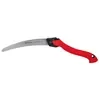 |
Corona RS16150B RazorTOOTH 10" Folding Pruning Saw – $29.98 Extension sources say the answer to a bleeding cut is a clean cut made with the right tool, not a coat of sealer. A curved folding saw takes limbs too thick for hand pruners in one clean pass.
|
As an Amazon Associate we earn from qualifying purchases.
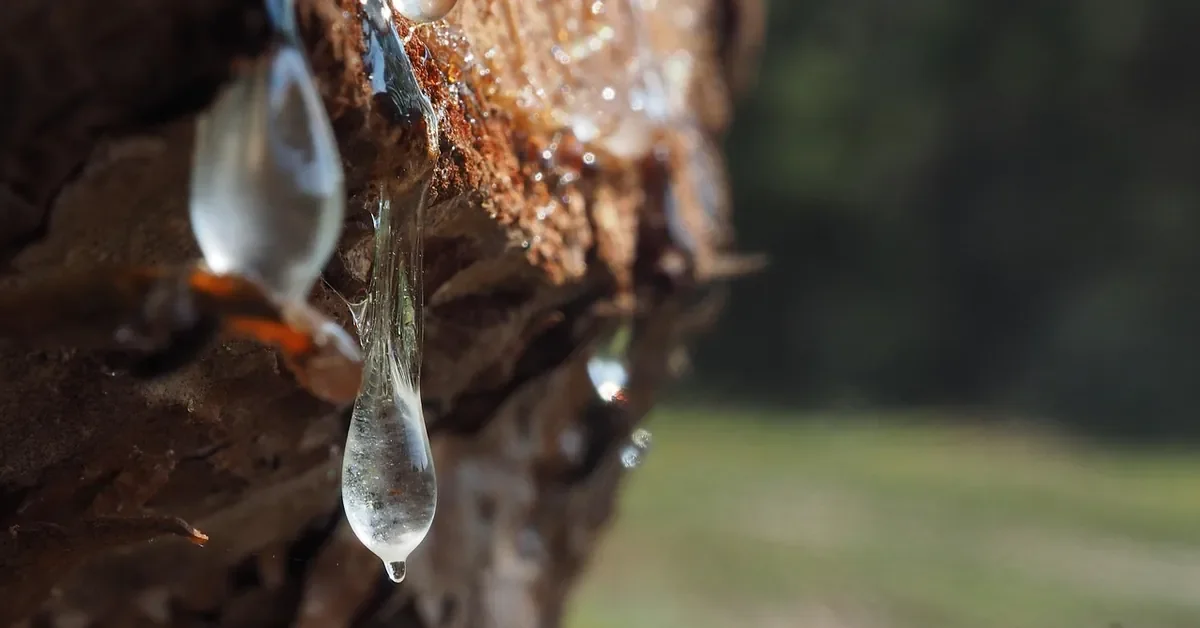
When a tree comes out of dormancy, it starts pumping water, minerals and carbohydrates upward. Purdue Extension notes that maple, birch, dogwood and elm flow especially heavily in early spring when pruned or wounded. A cut made in that window will drip, and the loss is mostly cosmetic: the sap lands on whatever sits below the branch, not on the tree’s health.
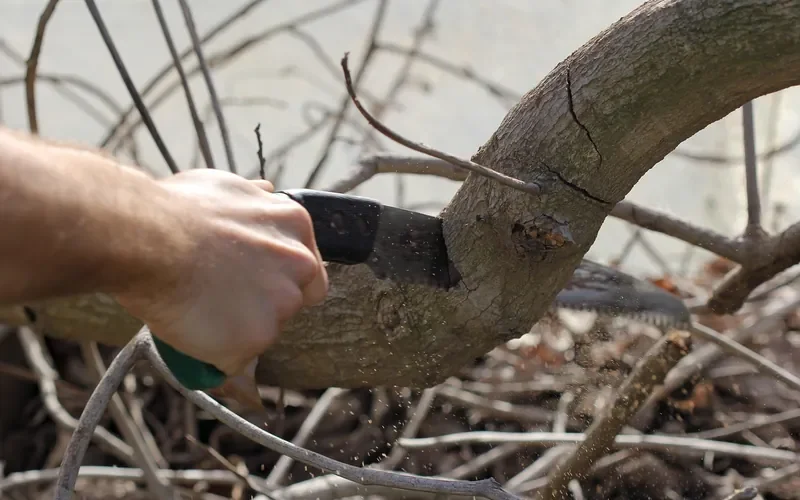
That makes the practical fixes about prevention rather than sealing. Wait to prune the heavy bleeders until later in the growing season, keep each wound as small as you can, and make every cut with a sharp saw or pruner so the bark edges are not torn.
Match the Sap to the Cause
Appearance and location tell you most of what you need to know. Check this table before you buy or spray anything.
| What you see | Likely cause | What to do |
|---|---|---|
| Clear or pale watery drip from a fresh cut in spring, on a maple or birch | Normal bleeding from rising sap | Do nothing. Do not seal it. Prune this species later in the season next time. |
| Dark streaks on the bark, sour or alcohol smell, sometimes froth, from a crack or old cut | Bacterial wetwood (slime flux) | No cure. Water properly, avoid root and trunk damage, and call an arborist if the tree is declining. |
| Amber or whitish pitch clumps about the size of chewing gum on a pine, with small holes | Bark beetle attack, with the tree pushing resin out as defense | Have an arborist inspect it promptly. Keep soil moist during drought. |
| Sticky film on leaves and on whatever sits below the tree, with no visible wound | Usually insect honeydew rather than sap | Find the source on the leaves and branches before treating the trunk. |
The beetle row comes from Mississippi State University Extension, which describes the first signs of attack as chewing gum-sized balls of pitch and says old exit holes look like clean, birdshot-sized holes with no resin around them. The honeydew row is general horticultural knowledge that we did not check against a single source for this page.
Which Common Sap Fixes Actually Hold Up?
Much of the advice online on this topic is older than current tree-care research. These are the claims worth correcting.
| Common advice | What extension sources say |
|---|---|
| Seal the cut with pruning paint or wound dressing | Not recommended. Dressings do not prevent decay and slow the tree’s own wound closure (Purdue Extension, Ask Extension). |
| Prune in late winter so there is less sap | For maple, birch, dogwood and elm, early spring is the heavy-bleeding window. Purdue Extension suggests delaying their pruning until later in the growing season. |
| Install a drain tube for oozing wetwood | No longer recommended. Drilling can breach the tree’s internal barriers and spread the microbes (University of Maryland Extension). |
| Spray or drench with insecticide whenever sap shows | Only worth it for a diagnosed insect problem. For beetles in pines, prevention is trunk injection by a licensed applicator, ideally January to March, with one treatment protecting about two years (Mississippi State University Extension). |
How to Prune So the Tree Bleeds Less
Heavy bleeders are not hurt by the flow, but you can cut the mess down with a few habits.
- Delay pruning heavy bleeders. Hold maple, birch, dogwood and elm until later in the growing season, when sap flow has slowed.
- Use sharp, clean tools. Dull blades tear bark. Purdue’s landscape report also advises sterilizing tools when pruning disease-prone species.
- Keep wounds small. Remove a branch while it is small instead of waiting for a large limb that leaves a large wound.
- Leave the cut alone. Let it dry. A bleeding cut that looks messy is still sealing itself.
Why Sealing a Bleeding Cut Backfires
Trees do not heal the way skin does. They wall off damaged tissue by growing wound wood around the edges, which forms a barrier against decay organisms. Extension research going back decades finds that painting over the cut interferes with that process: the coating can trap moisture against the wood and slow closure of the wound. The one narrow exception Purdue’s landscape report mentions is a pesticide applied to cuts for a specific disease such as oak wilt, which good dormant-season pruning mostly avoids.
If sap drip is landing on a car, patio or walkway, deal with that directly. We cover moving, covering and cleaning in our guide to keeping tree sap off your car and patio furniture.
Bacterial Wetwood (Slime Flux): Dark, Smelly Ooze
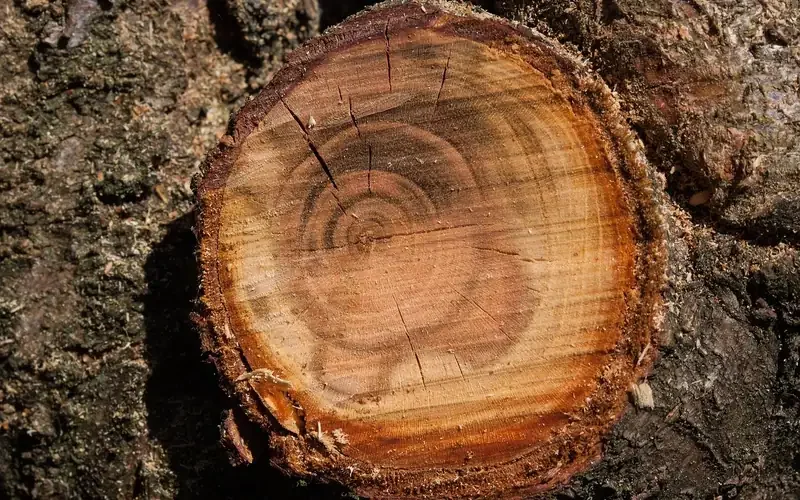
University of Maryland Extension describes slime flux as sap flowing from bark cracks or wounds, with dark streaks that can turn gray or white and a fermented or alcoholic odor when fresh. Bacteria and yeast invade through a wound, feed on the sap and produce gases that force liquid outward. It is most common in elm, oak and mulberry, and less common in maple, birch, walnut and sycamore.
- No cure exists. The same source states plainly that no treatment will cure slime flux.
- No drain tubes. Inserting one was once standard but can spread the microbes.
- Manage stress. Unless the tree is in decline, monitor it and keep up good watering and general care.
- Watch for decay. The water-soaked wood can become vulnerable to decay fungi, which is why a declining tree deserves an arborist visit.
If you also work with lumber, wetwood explains the sour smell some boards carry; see why wetwood makes lumber smell sour.
Resin Oozing From a Pine: Could It Be Beetles?
Pitch is the pine’s defense. Mississippi State University Extension explains that bark beetle attacks create gum-sized balls of pitch where beetles try to bore in, and that drought-stressed trees can fail to make pitch tubes at all, which makes an attack harder to spot. The same source recommends about 1 inch of water a week during droughts and prompt removal of actively infested trees, since the beetle life cycle runs roughly four weeks in warm months. Once beetles are in the inner bark, treatment is ineffective, so speed matters.
When to Call a Certified Arborist
- Sap from a pine with pitch blobs and small holes
- Dark, foul-smelling ooze plus dead branches, thin leaves or early leaf drop
- Sap flow on a large, valuable or hazardous tree near a house
- Any tree where you cannot tell the cause from the table above
Frequently Asked Questions
Is it bad for a tree to leak sap?
Usually not. Purdue Extension says sap bleeding from a pruned or wounded maple, birch, dogwood or elm is no cause for alarm and does not affect the overall health of the tree. The exceptions are dark, foul-smelling ooze (wetwood) and resin with small beetle holes, which point to a real problem.
Should I put pruning sealant on a bleeding cut?
No. Purdue Extension and Ask Extension both advise against wound dressings and sealants, because they slow the tree’s own wound closure and can hold moisture against the wood. Make a clean cut, let the wound dry, and let the tree seal it off itself.
Can you stop a tree from making sap?
No. In spring, trees pump water, minerals and carbohydrates upward as they come out of dormancy, so sap flow is normal tree activity. You can only avoid triggering heavy bleeding by timing your pruning and by not wounding the tree in the first place.
Why does sap from my tree smell bad?
A sour, fermented or alcohol-like smell with dark streaks on the bark points to bacterial wetwood, also called slime flux. University of Maryland Extension says no treatment cures it. Reduce stress on the tree with proper watering, and have an arborist look at it if the tree is declining.
Is sap on my car or patio the same problem?
The sap itself is a cleanup problem rather than a tree-health problem. Moving or covering what sits under the tree helps most, and our guide to keeping tree sap off your car and patio furniture covers the cleanup side.
Sponsored / affiliate links. As an Amazon Associate I earn from qualifying purchases. I may earn additional commission from eligible campaigns.