What Color is Birchwood? Discover the True Hue and Its Variations
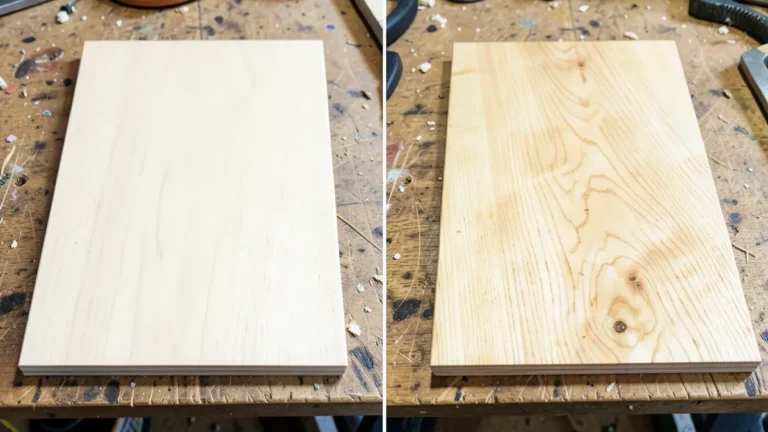
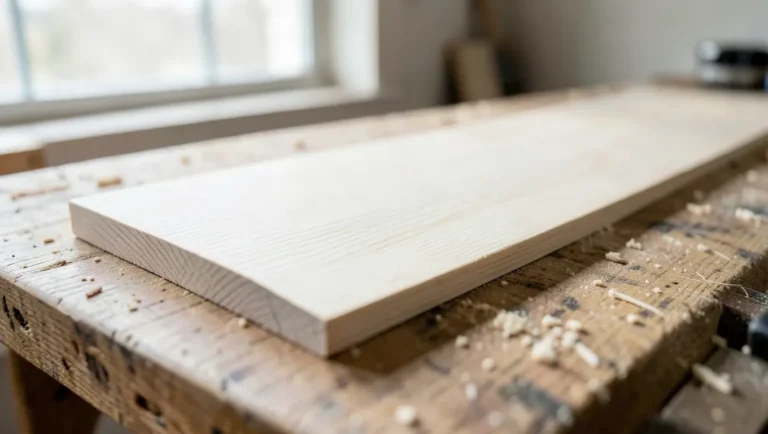
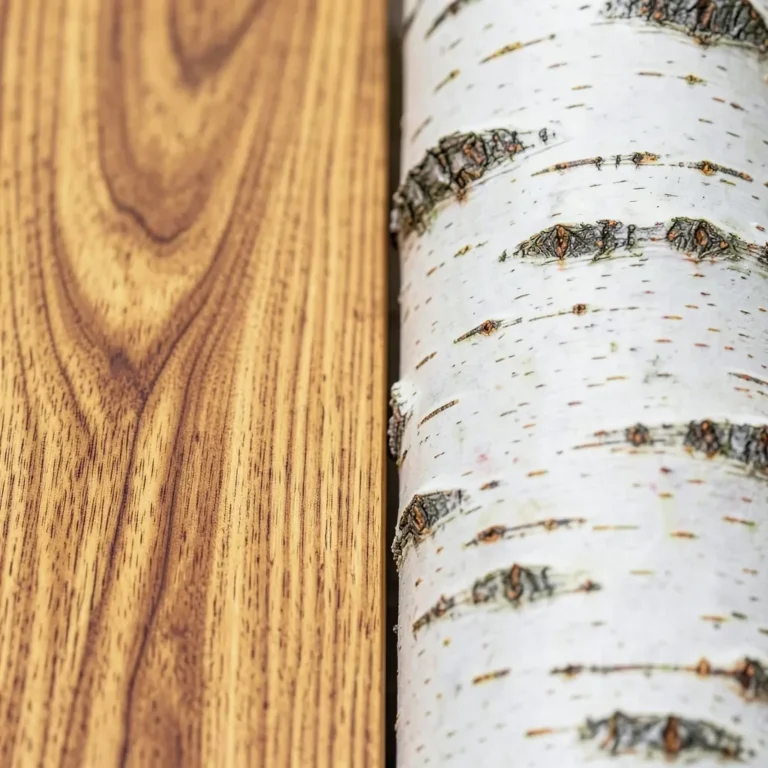
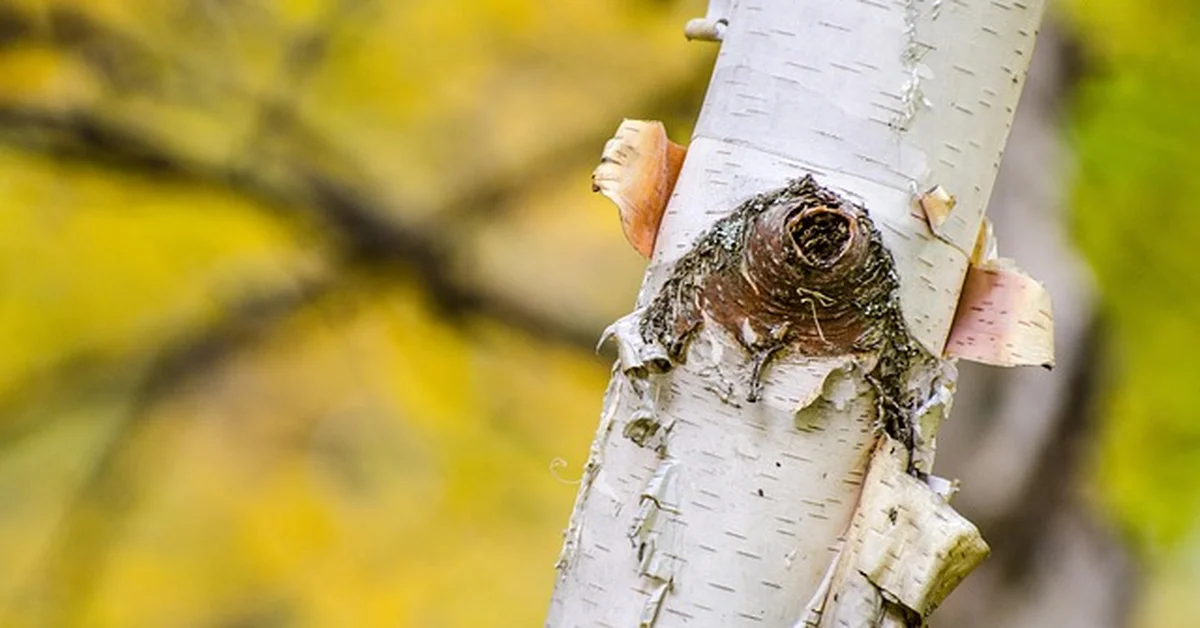
Birchwood is a light, creamy-white to pale yellow wood, sometimes with a subtle reddish-brown or golden cast depending on the cut and the tree’s age.
Knowing birchwood’s real color range matters whether you’re picking furniture, flooring, or stain — birch behaves differently from other pale woods, both in its natural hue and in how it takes finish. This guide covers what actually determines birchwood’s color, how it compares to maple, oak, and ash, why birch is notoriously tricky to stain evenly, and how to keep its color from fading over time.
Introduction To Birchwood Color
Birchwood has a light, soft, smooth appearance, typically a creamy white with a hint of yellow. Some boards show reddish-brown streaking, especially where heartwood is present. The grain is usually straight and fine, giving birch a clean, understated look that reads as elegant rather than rustic.
A common misconception is that birchwood is always pure white — it isn’t, and shade varies by species, cut, and individual tree. Another myth is that birch is a weak, flimsy wood because it’s pale; in reality, birch is a hard, strong, and durable hardwood, and its light color has nothing to do with its strength.
Natural Birchwood Hue
Birchwood’s base color is a light, smooth pale cream to white, often with a slight yellow tint. Like most wood, its exact tone shifts a little with light exposure and age.
Tree age plays a role too: younger trees tend to produce lighter wood, while older trees yield wood with slightly deeper tones. The difference is subtle, but it’s part of what gives natural birch its character rather than a flat, uniform look.
Factors Affecting Birchwood Color
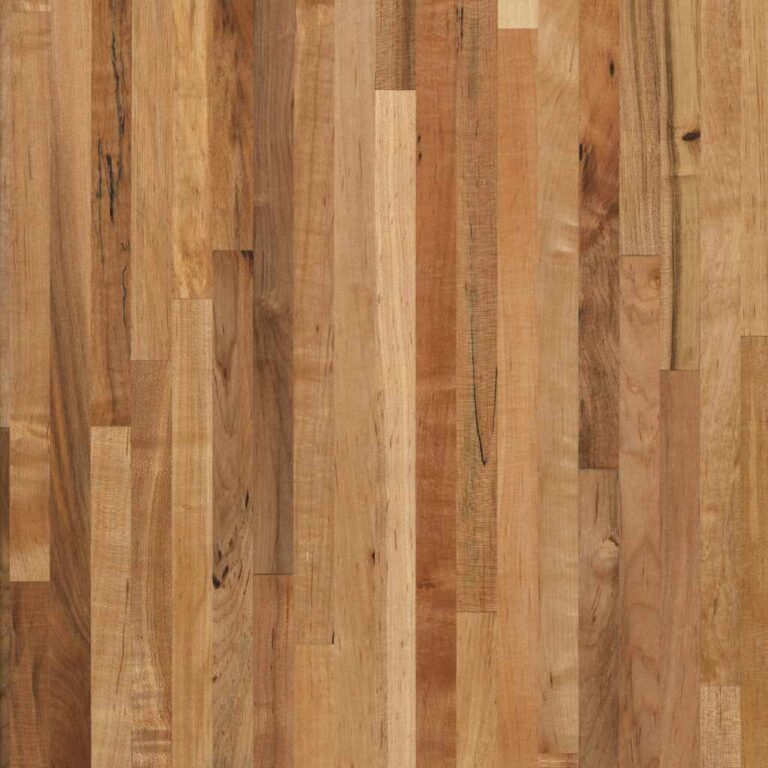
Birchwood has two visually distinct parts: heartwood and sapwood. The heartwood (inner part of the trunk) runs from light brown to reddish-brown. The sapwood (outer part) is lighter, usually white to cream-colored. The contrast between the two is often visible in a single board, which is part of birch’s natural character rather than a flaw.
Finished birchwood can also read slightly differently depending on the ambient light and the finish used — a clear oil finish warms the tone slightly, while a water-based clear coat keeps it closer to the wood’s natural pale color.
How To Identify Real Birchwood
Beyond color, a few physical traits help confirm you’re looking at genuine birch rather than a similar-looking pale wood: a fine, straight, relatively featureless grain; small dark “pin knot” flecks scattered through some boards (a hallmark of birch, especially birch plywood face veneer); and a moderately heavy, dense feel for its size compared to softer pale woods like pine. Birch also takes a very smooth sanded surface, since its tight grain leaves few visible pores.
Birchwood Vs. Other Light Woods
Birch is often confused with maple, ash, and pale oak because all four are common, light-colored hardwoods used in furniture and cabinetry.
| Wood | Typical Color | Grain | Hardness |
|---|---|---|---|
| Birch | Creamy white to pale yellow, occasional reddish streaks | Fine, straight, subtle pin knots | Hard, durable |
| Maple | Creamy white, sometimes with a pinkish hue | Fine and even; can show curly/figured patterns | Very hard, heavier than birch |
| Ash | Light tan to pale brown | Pronounced, open, straight grain | Hard, elastic (used for tool handles) |
| Oak (white/red) | Light to medium brown | Bold, pronounced grain with visible rays | Very hard, heavy |
Birch’s grain is smoother and less pronounced than oak’s or ash’s, which is why it reads as more “modern” and minimal, while oak’s bold grain suits more traditional furniture styles. Maple is the closest visual match to birch, but tends to run slightly whiter with less yellow undertone, and can develop a blotchy look under oil stain for the same reason birch does — see below.
Why Birchwood Stains Blotchy (And How To Avoid It)
Birch has a tight, dense grain structure that absorbs oil-based stain unevenly, which is why birch furniture is notorious for blotchy, patchy staining — the same problem pine and maple share for the same underlying reason. This isn’t a defect in the wood; it’s simply how a tight-grained species interacts with a penetrating stain.
- Use a pre-stain wood conditioner before applying an oil-based stain — it partially seals the wood so it absorbs color more evenly.
- Choose a gel stain over a liquid penetrating stain — gel stain sits on the surface rather than soaking in unevenly, which sidesteps the blotching problem almost entirely.
- Consider a dye stain for the most even, transparent color on birch, since dyes color more uniformly than pigment-based stains on tight-grained wood.
- Test on scrap birch first — always confirm how a specific stain behaves on the same species and cut before committing to the full project.
Comparing Birchwood With Other Woods
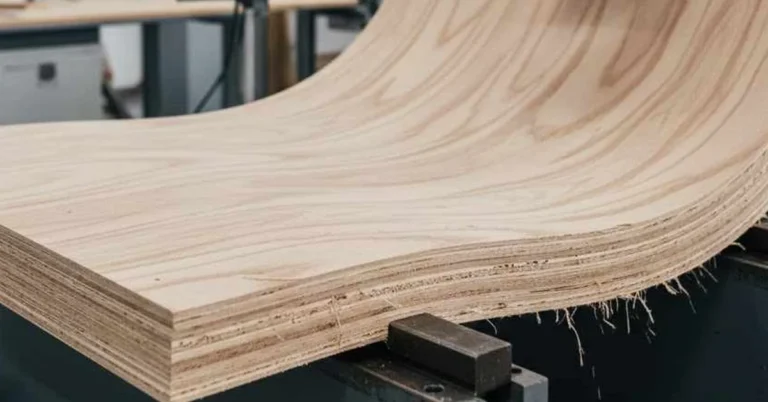
Birchwood is popular for furniture making thanks to its light color, smooth texture, and strength. It shapes easily, sands to a very smooth finish, and accepts a wide range of stains and finishes (with the blotching caveat above), which is why it shows up in everything from mid-century modern furniture to plywood cabinet boxes.
Birchwood flooring is valued for the same reasons: its light color helps rooms feel larger and brighter, and it’s hard enough to resist everyday wear well. Birch paneling adds warmth to walls with its creamy tone, and works in both modern and more traditional interiors.
Maintaining Birchwood’s Color
Birchwood needs gentle, regular care to keep its natural color looking good. Dust it often with a soft cloth, and clean up spills quickly to avoid staining the pale surface. Avoid harsh chemical cleaners, which can dull the finish and, over time, affect the wood’s color underneath.
A quality wood polish or the correct finish (per the manufacturer’s care instructions) helps protect the surface and keep it looking consistent. Keep birchwood out of direct sunlight where possible — like most light woods, prolonged UV exposure will fade or yellow it unevenly over time. Avoid setting hot items directly on the surface, and use coasters and mats to prevent marks or discoloration.
Keep the room’s temperature and humidity reasonably stable — extreme swings can cause birchwood to crack or the finish to shift color unevenly, especially near heating vents or air conditioners.
Frequently Asked Questions
What Color Is Birchwood?
Birchwood is typically pale in color, ranging from white to light yellow. It can sometimes have a reddish hue, especially in the heartwood.
Does Birchwood Change Color Over Time?
Yes, birchwood can darken or yellow slightly over time. Exposure to light and air causes this natural change, which is why keeping it out of direct sunlight helps preserve its original color longer.
Is Birchwood A Light Or Dark Wood?
Birchwood is considered a light wood. Its natural color is pale and bright, which is a big part of why it’s popular for furniture, flooring, and cabinetry.
What Influences Birchwood’s Color?
Birchwood’s color is influenced by species, tree age, the heartwood/sapwood ratio in a given board, and environmental factors like light exposure. The finish applied on top also shifts how the color reads.
Why Does Birch Stain Look Blotchy?
Birch’s tight, dense grain absorbs liquid oil-based stain unevenly, causing blotches. Using a pre-stain wood conditioner, switching to a gel stain, or using a dye stain instead all produce a more even result on birch.
Is Birch The Same Color As Maple?
They’re close but not identical. Maple tends to run slightly whiter with less yellow undertone, while birch often has a subtle warm or golden cast and can show more visible heartwood streaking.
Conclusion
Birchwood has a distinct, appealing color: typically pale yellow to creamy white, occasionally streaked with reddish-brown heartwood. That light tone makes it a popular pick for furniture, flooring, and paneling across a wide range of design styles.
Understanding what drives its color — and how it takes stain — helps you get better results, whether you’re buying birch furniture or finishing it yourself. Use a wood conditioner or gel stain if you want to color it evenly, protect it from direct sun and heat, and birchwood’s natural charm will hold up for years.
Sponsored / affiliate links. As an Amazon Associate I earn from qualifying purchases. I may earn additional commission from eligible campaigns.