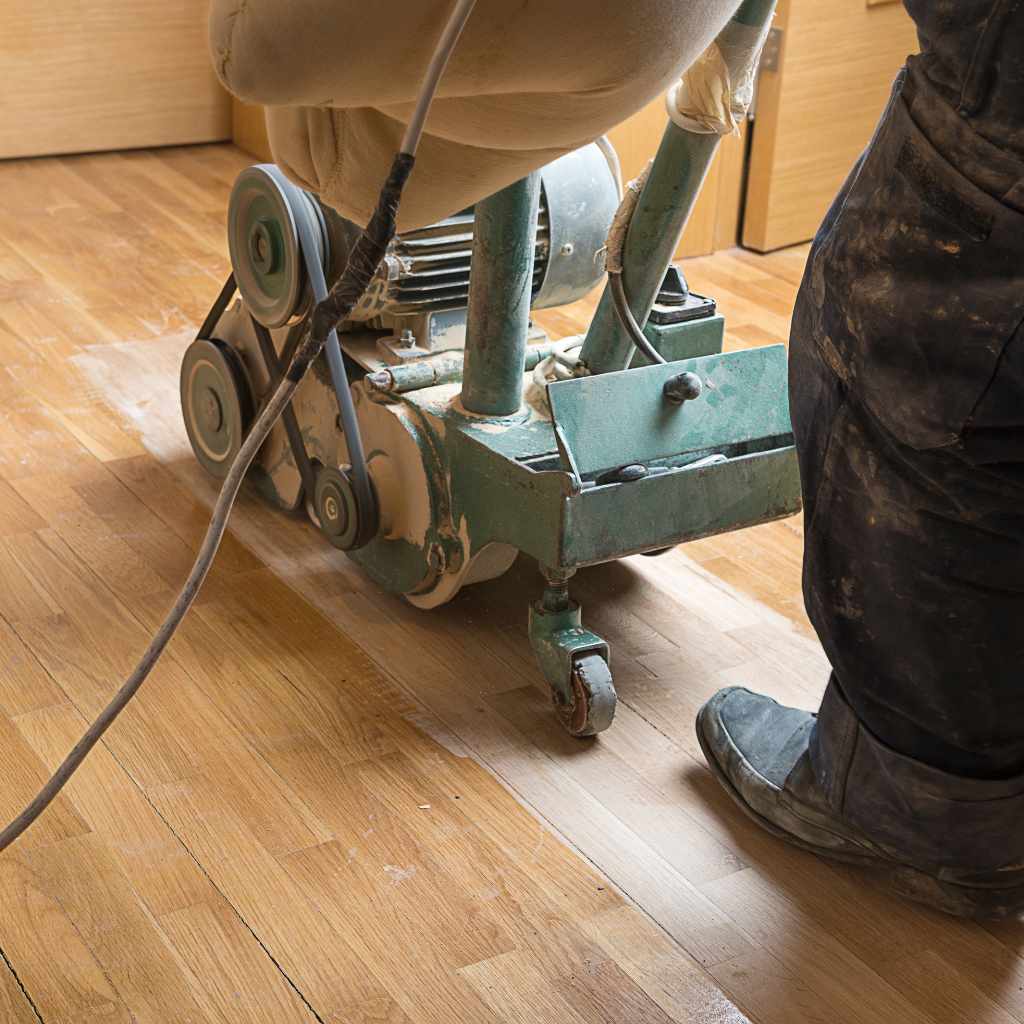
How to Strip a Hardwood Floor Without Sanding: Easy & Effective Methods
Are you looking to refresh your hardwood floor but dreading the mess and dust that comes with sanding? What if you could strip your hardwood floor without the hassle of sanding?
It’s easier than you think, and you don’t need expensive tools or a lot of experience. In this guide, you’ll discover simple, effective methods to remove old finishes and stains, bringing your floor back to life quickly and safely. Keep reading, and you’ll learn how to transform your space without the usual headaches.
Prepare The Floor
Preparing the floor is the first important step to strip a hardwood floor without sanding. A well-prepared floor helps the stripping process go smoothly. It also protects the wood and surrounding areas.
This stage sets the foundation for a clean and even finish. Take your time to follow each step carefully.
Clear The Room
Remove all furniture and rugs from the room. Clear small items and decorations too. This creates space to work freely without obstacles. It also prevents damage to your belongings.
Clean The Surface
Sweep or vacuum the floor to remove dust and dirt. Use a damp mop with mild soap to clean sticky spots. Avoid soaking the wood with water. A clean surface ensures the stripper works well.
Protect Surroundings
Cover baseboards and walls near the floor with painter’s tape. Place plastic sheets or drop cloths around the edges. This stops stripper from damaging other surfaces. Protect vents and electrical outlets as well.
Use Chemical Strippers
Chemical strippers offer a simple way to remove old finish from hardwood floors without sanding. These products break down paint, varnish, or polyurethane layers for easy removal. Using chemical strippers saves time and reduces dust.
Choose The Right Stripper
Select a stripper made for hardwood floors. Some strippers work better on oil-based finishes, others on water-based ones. Read labels carefully. Pick a product that matches your floor’s finish type.
Look for a stripper that is low in odor and safe for indoor use. Avoid harsh chemicals that can damage wood or harm your health.
Apply Stripper Safely
Wear gloves and eye protection. Open windows for fresh air. Apply the stripper with a brush or roller in a thin, even layer. Follow the instructions on the label for the best timing.
Let the stripper sit on the floor for the recommended time. Do not rush this step. The finish will soften and bubble up, making it easier to remove.
Remove Finish Residue
Use a plastic scraper to gently lift the softened finish. Avoid metal tools that can scratch the wood. Work in small sections for better control.
After scraping, wipe the floor with a damp cloth to remove leftover residue. Repeat the process if needed until the floor is clean. Allow the floor to dry fully before refinishing.
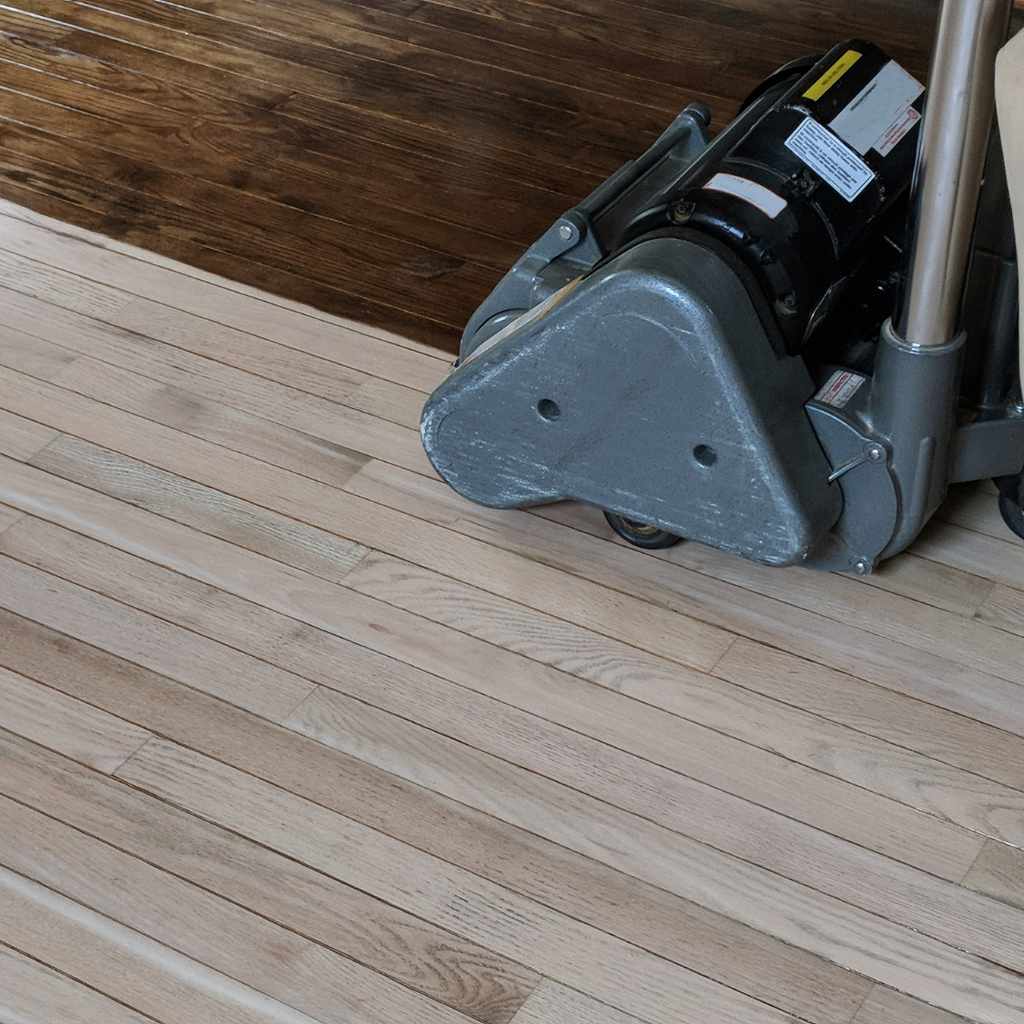
Try Heat Methods
Using heat is an effective way to strip a hardwood floor without sanding. Heat softens the old finish, making it easier to remove. This method saves time and reduces dust. It works well for floors with multiple layers of finish.
Use A Heat Gun
A heat gun blows hot air onto the floor surface. The heat softens the finish or paint. Hold the gun a few inches above the floor. Move it slowly to avoid burning the wood. Set the gun to a medium heat level for best results.
Scrape Off Softened Finish
Once the finish softens, use a scraper to remove it. Use a plastic or metal scraper with a flat edge. Gently push the scraper to lift the finish off the wood. Work in small sections for better control. Clean the floor with a damp cloth after scraping.
Safety Tips For Heat Use
Always wear gloves and safety goggles when using heat guns. Keep the work area well-ventilated to avoid fumes. Never leave the heat gun unattended while it is on. Avoid pointing the heat gun at yourself or flammable materials. Take breaks to prevent overheating the floor.
Apply Adhesive Removers
Applying adhesive removers is a key step in stripping a hardwood floor without sanding. These products break down old glue, paint, or finishes stuck to the wood. This method saves time and protects your floor from damage.
Choosing the right remover and using it properly ensures a clean surface. Follow each step carefully for the best results.
Select Suitable Removers
Pick a remover designed for hardwood floors. Check labels for wood-safe ingredients. Avoid harsh chemicals that can harm the wood or your health. Test the product on a small spot first. Watch for any discoloration or damage.
Apply And Wait
Spread the remover evenly over the floor. Use a brush or cloth to cover all areas. Let it sit for the time stated on the label. This allows the remover to soften the adhesive. Avoid rushing this step to get better results.
Wipe Away Residue
Use a clean cloth or scraper to remove the softened glue. Work gently to avoid scratching the wood. Repeat the process if residue remains. Clean the floor with water and dry it well. This leaves the floor ready for refinishing.
Use Homemade Solutions
Using homemade solutions is a gentle way to strip a hardwood floor without sanding. These natural cleaners help remove old finishes and dirt. They are safe, easy to make, and cost-effective. You can try simple ingredients from your kitchen to refresh your floor’s look.
Vinegar And Water Mix
Mix equal parts of white vinegar and water in a spray bottle. Spray the solution lightly on the floor. Let it sit for a few minutes to soften the finish. Wipe the floor with a soft cloth or mop. This mix helps break down grime and old finish.
Do not soak the floor. Too much liquid can damage the wood. Use a damp cloth, not a wet one.
Baking Soda Paste
Make a paste with baking soda and water. Apply it to spots with tough stains or finish buildup. Let the paste sit for about 10 minutes. Use a soft cloth or sponge to rub gently in a circular motion. This helps lift stubborn residues without harsh chemicals.
After scrubbing, wipe off the paste with a damp cloth. Dry the area well to prevent moisture damage.
Effectiveness And Limitations
Homemade solutions work well for light stripping and cleaning. They are safe for most hardwood finishes. These methods remove dirt and some old polish layers.
They may not remove thick or multiple layers of finish. For heavy buildup, sanding or professional help might be needed. Always test the solution on a small floor area first to avoid damage.
Final Cleaning And Prep
After stripping your hardwood floor, the final cleaning and preparation steps are crucial. These steps ensure the surface is ready for finishing or sealing. A clean, dry floor sets the stage for the best results.
Remove All Residues
Wipe the floor with a damp cloth to remove leftover dust and chemicals. Use a gentle cleaner if needed. Avoid harsh soaps that can damage the wood. Make sure no sticky spots remain. Residues can affect how stains or finishes stick.
Dry The Floor Thoroughly
Let the floor dry fully before doing anything else. Use fans or open windows to speed drying. A damp floor can cause finishes to peel or bubble. Check corners and under cabinets for trapped moisture. Dry wood absorbs stains and finishes evenly.
Inspect For Imperfections
Look closely for scratches, dents, or rough spots. Mark any areas that need extra attention. Small flaws can show through the finish. Fix minor problems with wood filler or a fine sanding block. Catching issues now saves work later.
Tips For Maintaining Hardwood
Maintaining hardwood floors keeps them beautiful and lasts longer. Simple daily care prevents damage and wear. Follow easy steps to protect your floor’s finish and natural charm.
Regular Cleaning Habits
Sweep or vacuum floors often to remove dust and dirt. Use a soft-bristle broom or vacuum with a hardwood floor attachment. Mop with a damp cloth or microfiber mop. Avoid soaking water as it can damage wood. Use cleaners made for hardwood floors only. Clean spills immediately to prevent stains.
Avoiding Damage
Place felt pads under furniture legs to stop scratches. Avoid walking on floors with high heels or cleats. Use rugs in high traffic areas to protect the wood. Keep pet nails trimmed to reduce scratches. Avoid harsh chemicals or abrasive cleaning tools. Maintain stable indoor humidity to prevent wood from shrinking or swelling.
When To Refinish
Refinish floors if finish looks dull or worn out. Deep scratches or stains are signs to refinish. Floors that feel rough or splintered need attention. Refinishing restores shine and protects the wood. Don’t wait until damage is severe to act. Proper timing saves money and effort.
Frequently Asked Questions
How Can I Strip Hardwood Floors Without Sanding?
You can strip hardwood floors using chemical strippers, heat guns, or natural solutions. These methods remove old finish without damaging wood. Always follow safety instructions and test small areas first for best results.
What Is The Best Chemical Stripper For Hardwood Floors?
Choose a water-based or soy-based chemical stripper for hardwood floors. These are eco-friendly, effective, and safer to use indoors. Always read product labels and apply as directed for optimal stripping results.
Can I Use Heat Guns To Strip Hardwood Floors?
Yes, heat guns soften old finish, making it easier to scrape off. Use moderate heat and keep the gun moving to avoid wood damage. Wear protective gear and ventilate the area well.
How Do Natural Solutions Strip Hardwood Floors?
Natural solutions like vinegar, baking soda, or citrus-based cleaners can break down finish gently. They are non-toxic and eco-friendly but may require more time and effort. Test on a small spot before full application.
Conclusion
Stripping a hardwood floor without sanding saves time and effort. Using chemical strippers and gentle tools works well. Always follow safety steps for best results. Patience helps achieve a clean and smooth finish. This method keeps your floor looking fresh and bright.
Try it to refresh your space without heavy work. Simple steps can make a big difference. Your hardwood floor deserves care without extra hassle.