How Long Does Citristrip Take to Work? (15 Min-24 Hrs)
Citristrip needs 15 minutes to 24 hours to work, depending on the finish being removed. Shellac and thin latex paint soften fast, but oil-based paint, varnish, and polyurethane can take the full 24 hours. Scraping too early tears wood fibers and wastes gel; letting it dry out means starting over. This guide covers wait times by finish type, what actually speeds up the process, and how to test when a coat is ready to scrape.
How Long Citristrip Takes to Work, by Finish Type
Best Citristrip Stripping Kit Pick
Citristrip Paint & Varnish Stripping Gel, 1-Quart
The exact gel this guide’s wait-time chart is based on — clings to vertical surfaces and stays workable for up to 24 hours.
- Best for: oil-based paint, varnish, and multi-layer finishes
- Why we picked it: low odor, safe for indoor use, and it’s the product this article’s timing chart is built around
- Main drawback: a quart doesn’t stretch far on large flat surfaces — buy two for a tabletop or door
Compare more Citristrip application tools
 Option 1 Wagner HT1000 Dual-Temp Heat Gun
|
 Option 2 ALLWAY CS6 Contour Scraper Set
|
 Option 3 Inspire 6 Mil Nitrile Gloves
|
As an Amazon Associate we earn from qualifying purchases.
Citristrip’s own label lists a 30-minute-to-24-hour range, but that number hides the real variable: what you’re actually stripping. A single coat of shellac and a triple coat of spar varnish are not the same job.
| Finish Type | Typical Wait Time | Notes |
|---|---|---|
| Shellac | 15–60 minutes | Softens fastest — test at 15 minutes so you don’t over-scrape |
| Latex paint | 30 min–1 hour | Can strip up to 5 dried layers in under an hour |
| Oil-based paint | 1–24 hours | Thicker or older coats need the long end of the range |
| Varnish, lacquer, polyurethane | Several hours–24 hours | Hardest finishes to soften; multiple coats compound the wait |
📊 Citristrip stays wet and active for up to 24 hours, which lets it soften multiple stacked layers of paint or varnish in one application instead of one coat at a time. — Source: Citristrip, official product tutorial
Citristrip is a citrus-solvent gel stripper that chemically breaks the bond between a cured finish and the wood, metal, or masonry underneath it. Unlike methylene-chloride strippers, it has no flash point and a mild citrus odor, which is why it carries an indoor-use rating — provided the room still gets fresh air while it works.
What Affects How Fast Citristrip Works
Surface type matters first: smooth, sealed surfaces let the gel penetrate evenly, while rough or porous wood can absorb it unevenly and leave patches that need a second pass.
Coating thickness is the biggest factor in the chart above — a single coat of latex can be ready in 30 minutes, while three coats of polyurethane stacked over decades can need the full 24 hours.
Temperature changes the chemistry directly: Citristrip works best above 70°F (21°C). Cold or humid conditions slow the solvent reaction and can roughly double the wait time, so an unheated garage in winter is the worst place to rely on the label’s low-end estimate.
How to Prep the Surface Before Applying Citristrip
- Clean the surface with a damp cloth to remove dust, grease, and wax buildup, then let it dry fully — trapped moisture slows the gel.
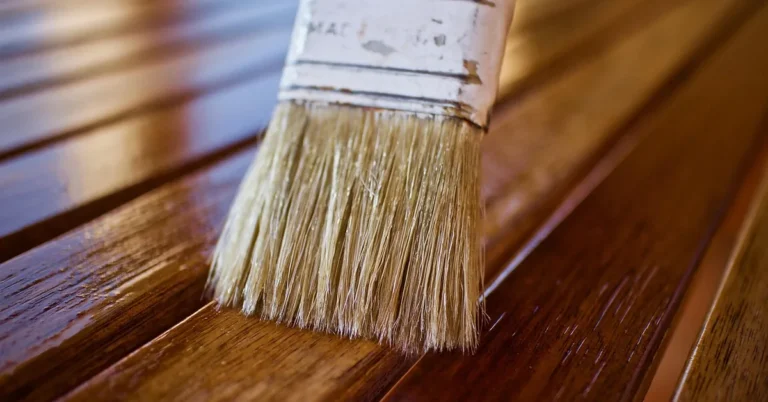
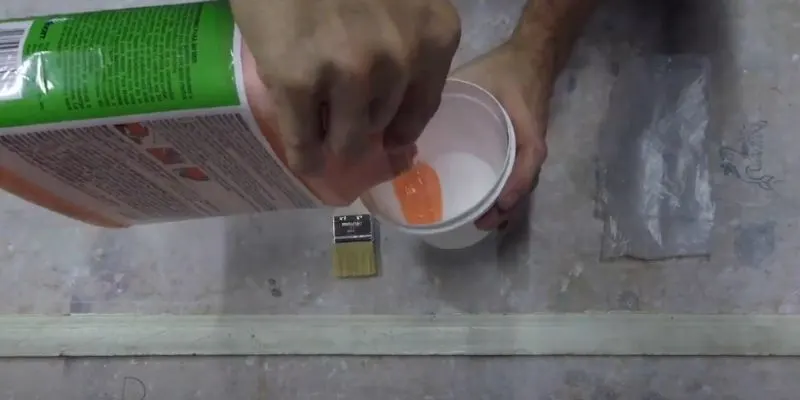
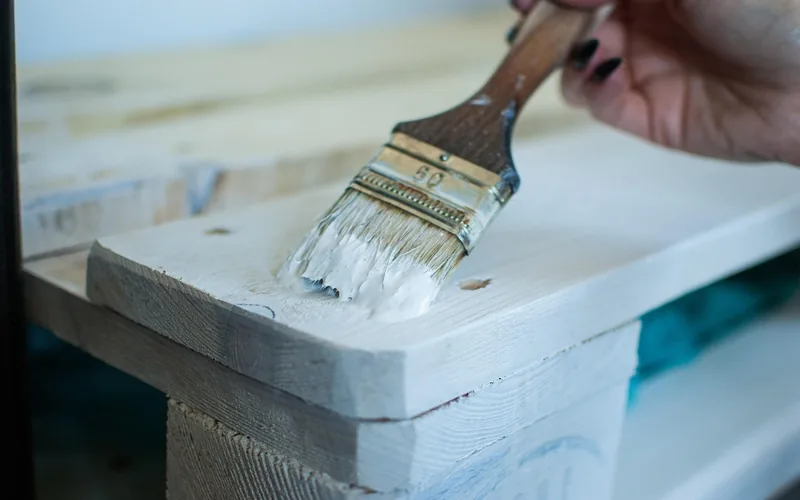
- Apply a thick, even coat with a natural-bristle brush; a thin coat dries out before it finishes working.
- Cover the gel with plastic sheeting on vertical or detailed surfaces to trap heat and moisture and keep it active longer.
For brush technique and coat thickness specifics, see our full Citristrip application walkthrough.
How to Make Citristrip Work Faster
A low-setting heat gun softens the gel faster on thick oil-based or varnish coats — keep it moving 6–8 inches from the surface so you don’t scorch the wood underneath. A thicker gel coat and a plastic-sheeting cover both work the same way: they slow evaporation, so the solvent keeps reacting instead of drying out before the finish lifts.
“Citristrip stays wet and active for up to 24 hours, allowing you to strip multiple layers of paint or varnish in one application.”
Safety Precautions When Using Citristrip
Citristrip has a milder odor and no flash point compared with methylene-chloride strippers, but it still releases fumes as it works. Wear gloves and eye protection, and keep it away from children and pets while it’s active.
Proper Ventilation
Open windows and doors, and run a fan to keep air moving across the work area. Even low-fume strippers build up in an enclosed room over a multi-hour dwell time.
Personal Protective Equipment
Chemical-resistant gloves (6 mil nitrile or thicker), safety goggles, and long sleeves prevent skin and eye contact during the scrape. A respirator is optional with good airflow but recommended in small or poorly ventilated rooms.
Troubleshooting: What to Do If Citristrip Isn’t Working
If the finish still isn’t lifting after the expected wait time, check the coat thickness first — a thin, dried-out layer stops working early. Reapply a thicker coat, cover it with plastic, and give it another hour before scraping again.
Leftover residue after scraping is normal on old or heavily layered finishes. Rinse with water and a scrub pad while the surface is still damp; for dried, stubborn residue, see our guide to removing dried Citristrip residue rather than reapplying more gel on top of it.
Alternatives to Citristrip
Vinegar and baking soda are sometimes suggested as “natural” paint strippers, but neither actually breaks down cured paint or varnish — they work on loose grime, not a bonded finish. Real alternatives are other citrus- or soy-based gel strippers, infrared paint removers (better suited to large exterior surfaces), or mechanical sanding for small spots. See our wood stain remover comparison for which type actually works on your specific finish.
Frequently Asked Questions
How Quickly Does Citristrip Start to Work?
Citristrip starts softening a finish within 15 to 30 minutes, but that isn’t the same as being ready to scrape. Shellac and thin latex paint are often ready inside that window; oil-based paint, varnish, and polyurethane usually need 1 to 24 hours before the coating lifts cleanly.
Can You Speed Up How Fast Citristrip Works?
Yes — apply a thicker coat, work in a space above 70°F, and cover the gel with plastic sheeting to trap heat and moisture so it doesn’t dry out. A heat gun on a low setting also helps, but keep it moving to avoid scorching the wood underneath.
How Long Should You Leave Citristrip On Before Scraping?
Test a small area with a putty knife at the 30-minute mark. If the finish doesn’t lift in one pass, let it sit longer — up to 24 hours for oil-based paint or varnish — rather than forcing a scrape that gouges the wood.
Is Citristrip Safe to Use Indoors?
Yes, Citristrip is formulated for indoor use and has a milder odor than methylene-chloride strippers, but it still needs airflow. Open windows, run a fan, and wear gloves and eye protection while it’s working.
How Many Coats of Paint Can Citristrip Remove at Once?
Because it stays wet and active for up to 24 hours, Citristrip can strip up to five layers of dried latex paint in under an hour, or multiple coats of oil-based paint and varnish in a single application, instead of stripping one layer at a time.
Conclusion
Citristrip’s real working time comes down to what’s on the wood: 15 minutes to an hour for shellac and latex paint, up to 24 hours for oil-based paint, varnish, or polyurethane. Test a small area with a putty knife before committing to a full scrape, keep the room ventilated, and rinse the surface with water once the finish lifts clean.
Sponsored / affiliate links. As an Amazon Associate I earn from qualifying purchases. I may earn additional commission from eligible campaigns.