How to Touch Up Paint on Walls: Flawless Finish Tips
Picture this: you’re sitting in your cozy living room, enjoying a peaceful moment, when suddenly, your eyes land on a glaring mark on your beautifully painted wall. It’s a small imperfection, but it nags at you every time you walk by.
You know it’s time for a touch-up, but the thought of mismatched paint patches is even more daunting than the blemish itself. Fear not! In this guide, you’ll discover the secrets to touching up paint on your walls seamlessly, without leaving a trace.
Imagine the satisfaction of transforming your walls back to their flawless state, as if the imperfection never existed. Dive into this simple yet powerful technique, and reclaim your pristine walls with confidence.
Preparation Steps
Start by gathering all necessary supplies for painting. You will need paint, a paintbrush, and a small roller. Also, get painter’s tape and a drop cloth. These tools help keep the area clean. Don’t forget a putty knife and sandpaper. They are important for smoothing the wall. Gather everything before you start. It saves time.
Make sure the wall is clean. Use a damp cloth to wipe the surface. Remove any dirt or dust. A clean wall helps the paint stick better. Dry the wall with a towel. Ensure no moisture is left. This step is important for a smooth finish.
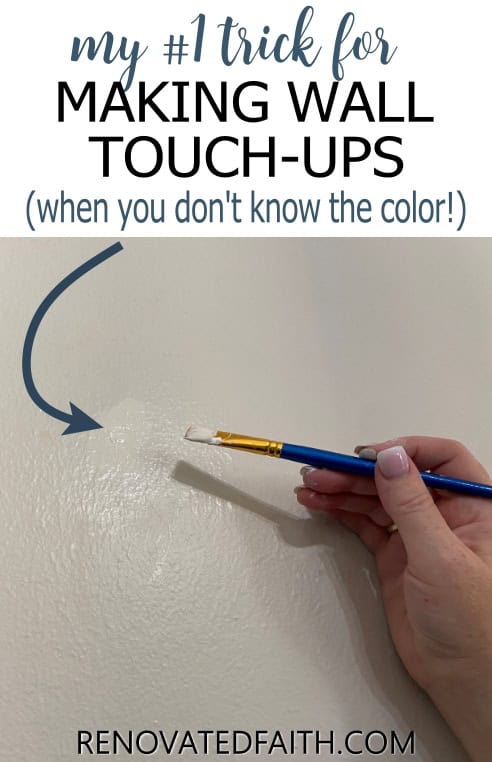
Look at the wall closely. Check for any cracks or holes. Use a flashlight if needed. Small holes need filling. Use putty to fill them. Let the putty dry. Sand it to make the surface smooth. This ensures the paint looks even.
Credit: renovatedfaith.com
Choosing The Right Paint
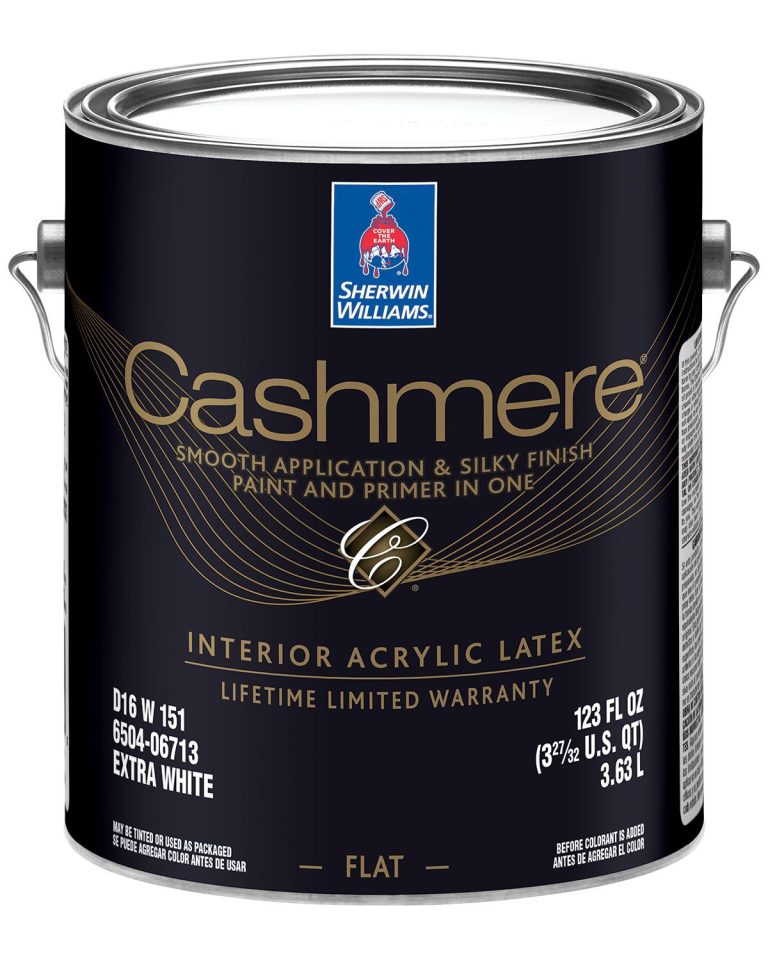
Finding the exact color matchis important. Start by checking the original paint can. It often has the color name and code. If the can is lost, try a paint samplefrom the wall. Take it to the store. They can help you find the same color.
Using a small piece of wall is a smart idea. It makes matching easier. Many stores offer color matching services. They use machines to get the right shade. This ensures your touch-up blends well.
Different paints have different shines. This is called the finish. Common finishes are matte, eggshell, and glossy. Mattehas no shine. It hides wall problems. Glossyshines a lot. It is easy to clean.
Choose the finish that matches your wall. Look at the wall in good light. If you see a shine, it’s not matte. Knowing the finish helps in choosing the right paint. This makes the touch-up less noticeable.
Application Techniques
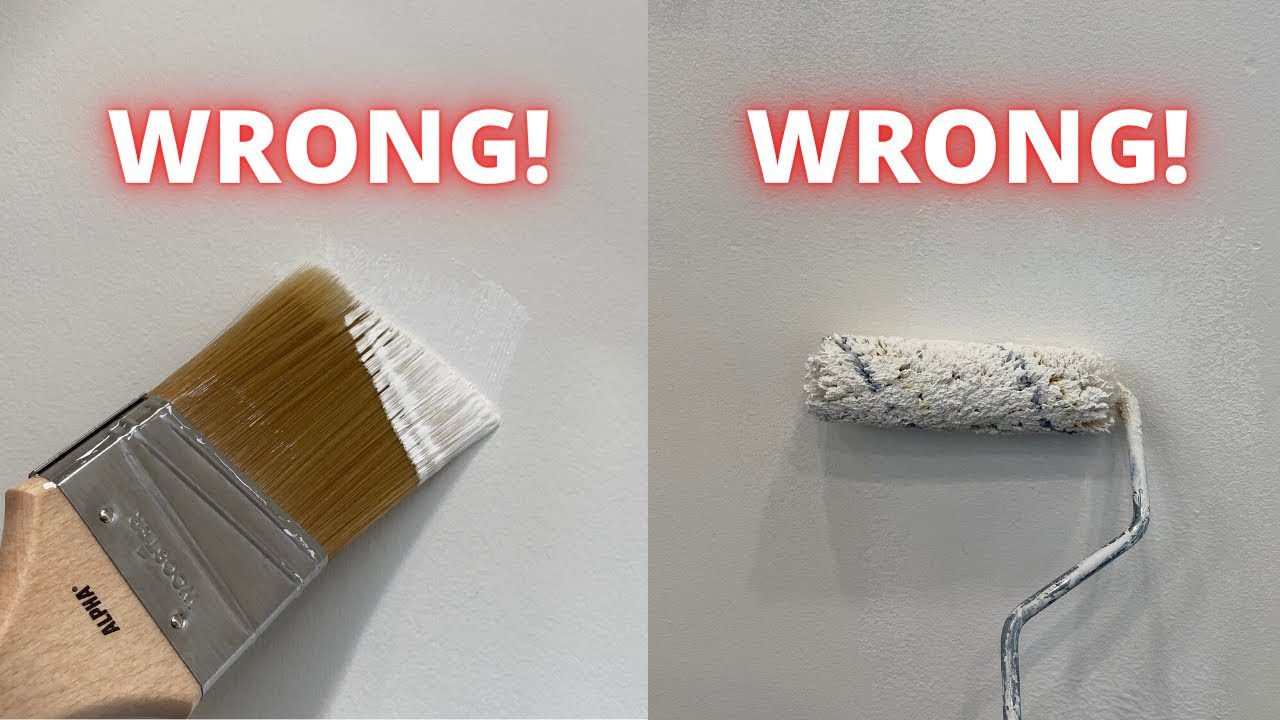
Brushesare great for small areas. They help with detail work. They also give more control. Rollerscover large areas fast. They create a smooth finish. They work best on big walls.
Using Brushes Vs. Rollers
Brushes are better for edges. Rollers save time. Brushes can leave marks. Rollers spread paint evenly. Choose based on the wall size. Use brushes for touch-up spots. Rollers for a fresh coat.
Applying Primer
Primerhelps paint stick well. It creates a smooth base. It covers old marks. Primer stops stains from showing. Apply primer first. Then paint over it. Primer helps paint look fresh.
Blending Techniques
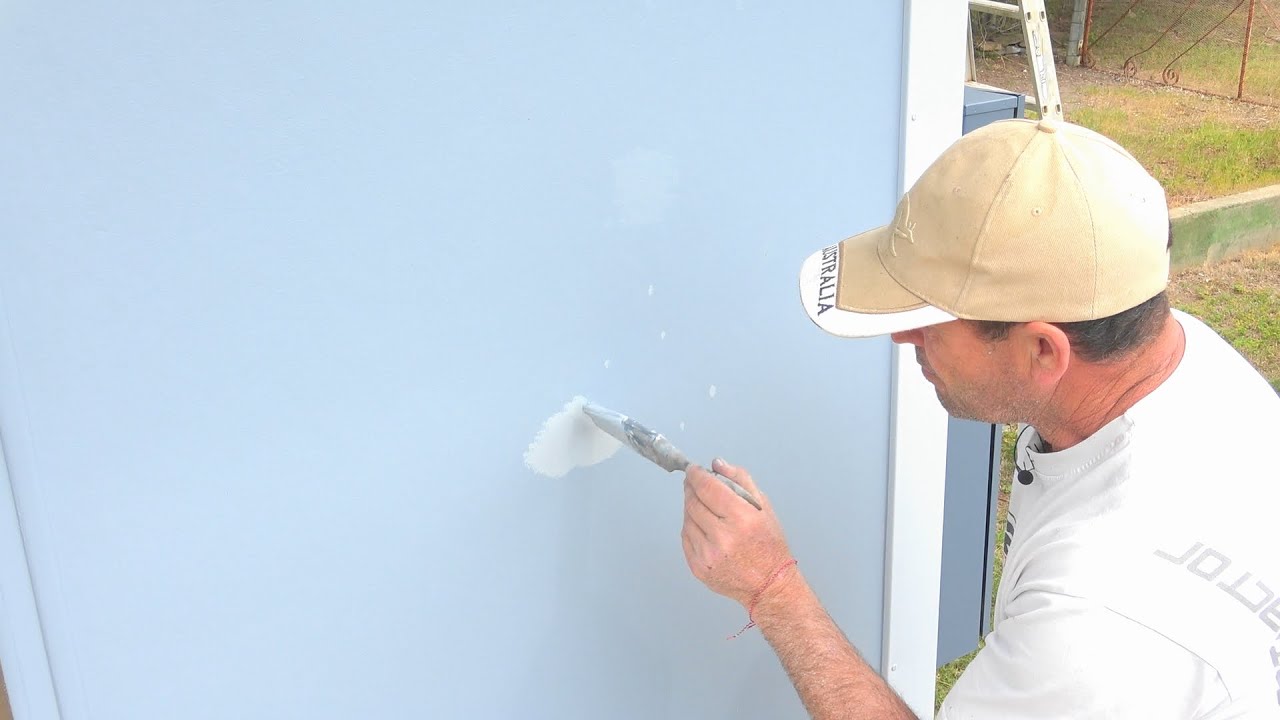
Use a small brush for the best results. Feathering means spreading the paint lightly. Move your brush from the new paint to the old. This helps the colors blend well. Light strokes are key. Heavy strokes can make the paint look uneven. Try to keep the brush dry. Too much paint on the brush can make a mess. Always clean the brush before dipping it again.
Start with thin layers of paint. Thin layers dry faster. Add more layers if needed. Let each layer dry first. Thin coats make the paint look smooth. If you see streaks, add another layer. Patience is important. Rushing can spoil the look. Sometimes, a single layer isn’t enough. More layers ensure the old paint is covered well.
Drying And Curing
Paint dries best in certain conditions. Warm and dry air helps. Ensure the room has good ventilation. Open windows if possible. Avoid painting on humid days. It takes longer to dry. Fans can help speed up drying. Place fans near painted walls. Keep them running for a few hours.
Be careful not to touch wet paint. Smudges happen easily. Patience is key. Wait for paint to dry before touching. Use a gentle hand if you must touch. Check for wet spots first. Use a light touch if needed. Avoid leaning on walls. Keep kids and pets away until dry.
Troubleshooting Common Issues
Touching up paint on walls seamlessly involves matching the paint color exactly. Use a small brush for precision. Blend the edges gently to avoid noticeable lines or patches.
Dealing With Uneven Coverage
Uneven paint coverage can make walls look patchy. Use a quality paintbrush or roller. Apply paint evenly and in thin layers. This helps blend new paint with old. Overlap strokes for smooth transitions. If one spot looks darker, add more paint gently. Let each layer dry completely before adding another. This avoids lumps and streaks. Patience is key for a nice finish.
Fixing Color Mismatches
Color mismatches can be tricky. Always test paint on a small area first. Compare the dry color with the original. If colors don’t match, adjust with tints or shades. Mix small amounts to avoid waste. Blend edges to hide differences. Light can affect color appearance. Check under different lighting to ensure it matches. Practice makes perfect with color matching.
Maintenance Tips
Fix paint on walls seamlessly by matching the original color and using a small brush for precision. Feather the edges gently to blend the new paint with the old. Let it dry completely before assessing the results.
Regular Cleaning
Dust and dirt can make paint look old. Use a soft cloth to clean walls gently. Avoid harsh cleaners; they can damage paint. Water and mild soap work best. Clean spills quickly to prevent stains. Regular cleaning keeps walls fresh and bright.
Preventing Future Damage
Keep furniture away from walls to avoid scratches. Use door stoppers to protect walls from door handles. Fix leaks promptly to prevent water damage. Consider using washable paint for easy cleaning. Avoid hanging heavy items without proper support. Preventing damage helps paint last longer.
Credit: www.youtube.com
Frequently Asked Questions
How To Blend In Touch Up Paint On Walls?
Clean the area before painting. Use a small brush for precise application. Match paint color accurately. Apply thin layers and let dry completely between coats. Feather edges for seamless blending.
Can You Touch Up Paint Without Painting A Whole Wall?
Yes, you can touch up paint without painting the whole wall. Clean the area, match the paint color, and apply carefully. Use a small brush or sponge for precise application. Blend edges to avoid noticeable patches. Proper technique ensures seamless touch-ups.
Can You Spot Touch-up Paint On Walls?
Yes, touch-up paint can be noticeable on walls. Differences in texture, color, or sheen often reveal it. Proper blending and matching techniques can help minimize visibility. Using the same paint batch ensures consistency. Applying touch-ups with care can make them less noticeable to the naked eye.
How Do I Get A Smooth Finish With Touch Up Paint?
Clean the area thoroughly before painting. Apply primer first, then use a small brush for touch-ups. Blend the paint edges carefully. Sand lightly between coats for a smooth finish. Finish with a clear coat for protection and shine.
Conclusion
Touching up paint can be simple with the right steps. Clean the wall first. Match the paint color closely. Use a small brush for precision. Apply thin layers to blend well. Patience is key for a smooth finish. Check your work in different lighting.
Fix any noticeable spots. With practice, painting skills improve. Your walls will look fresh and seamless. Enjoy the beauty of a well-maintained space. Keep these tips handy for future touch-ups. Happy painting!