Is Zebrawood Toxic? Sensitizer Dust Risks and Safe Handling
Zebrawood is not a direct poison, but it is a known sensitizer, so its dust can irritate eyes, skin and airways, and repeated exposure can make you more sensitive. Severe reactions are uncommon, yet the popular “totally non-toxic” answer skips the part that matters for anyone sanding or routing it. This guide covers what sensitizer means, what the dust does, when a finished piece is fine, whether it is food safe, and how to protect yourself.
Health details below come from the Wood Database entry for zebrawood and its guide to wood allergies and toxicity, and food-contact statements are hedged accordingly.
Is Zebrawood Toxic or Just an Irritant?
The Wood Database entry for zebrawood lists zebrawood (Microberlinia brazzavillensis) as a sensitizer, says severe reactions are uncommon, and says the most common reactions are simply eye and skin irritation. It also mentions an unpleasant odor when the wood is worked. It does not describe the wood as a direct toxin.
Best Zebrawood Dust Protection Pick
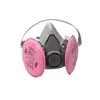 |
3M Half Facepiece Reusable Respirator Assembly Kit 6291, Medium A reusable half-mask with P100 particulate filters for the fine dust that sanding and routing zebrawood throws into the air.
|
As an Amazon Associate we earn from qualifying purchases.
That short entry hides a distinction most pages blur. A wood can bother you in three different ways, and only one of them is what people usually mean by “toxic.”
| Term (as the Wood Database uses it) | What it means | Where zebrawood sits |
|---|---|---|
| Irritant | Causes an adverse reaction soon after exposure | Eye and skin irritation is the most common reaction reported |
| Sensitizer | Repeated exposure raises your sensitivity, so reactions can get worse over time | Yes, zebrawood is listed as one, with severe reactions uncommon |
| Direct toxin | The wood is inherently poisonous, not merely allergenic | Not how the entry describes zebrawood |
The practical takeaway is that the risk is not the same for everyone. Many people work zebrawood with no trouble at all, while a smaller group reacts, and a sensitizer can move you from the first group to the second without warning. That is why the safe habit is to control the dust from the first cut rather than waiting for a rash to tell you.
What Zebrawood Dust Does and Who Should Worry
According to its guide to wood allergies and toxicity, sensitizing woods in general can cause symptoms in several body systems. The table below is the general range the guide gives for problem woods, not a claim that every symptom happens with zebrawood.
| Body system | Symptoms listed for problem woods in general |
|---|---|
| Eyes | Pink eye, eyelid swelling |
| Skin | Rashes, blisters, dermatitis, swelling, hives |
| Respiratory | Wheezing, coughing, runny nose, asthma, bronchitis |
| Whole body | Nausea, headache, dizziness |
For zebrawood specifically, the source points to eye and skin irritation as the usual outcome. Fine sanding dust is the main delivery route, because it hangs in the air and lands on skin and eyes. Coarse chips from a saw or planer are less of a concern than the powder from a random orbital sander.
Who should be extra careful
- Anyone who has ever reacted to another exotic wood, since sensitivity to one species can be a warning sign for the next.
- People with asthma, hay fever or eczema, who may notice airway or skin irritation sooner.
- Anyone who spends hours a week sanding, since sensitizers punish repeat exposure.
- Hobbyists working in a small closed garage with no dust extraction, where fine dust builds up quickly.
Long-term lung damage is a separate issue from allergy. The Wood Database warns that all wood dust harms the lungs over time, so protection is not optional just because a species is labeled mild.
Is Finished Zebrawood Safe to Live With?
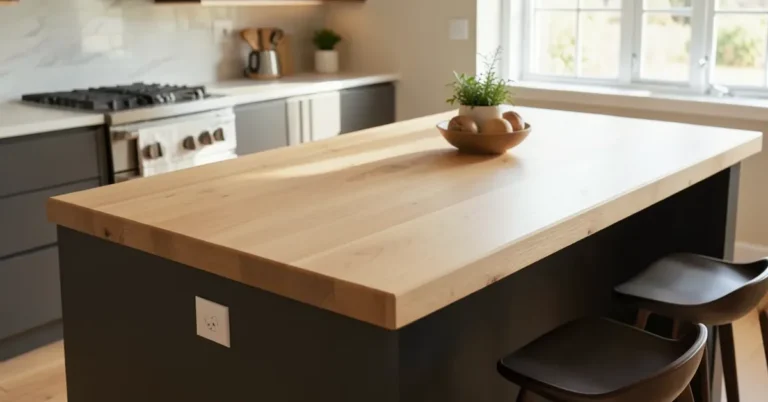
Mostly yes, and the reason is exposure. A sanded, sealed handle, a veneered tabletop or a turned bowl releases very little dust, so a finished piece is far lower risk than the raw machining that made it. The Wood Database general position is that the risk in finished wood projects is greatly lessened, though not eliminated.
The one time a finished piece can reintroduce dust is when you resand it, cut into it or refinish it. Treat those jobs like a fresh build: mask, goggles and dust collection. If you are unsure which species you own, note that the Wood Database says a related tree, Microberlinia bisulcata, is sold interchangeably with zebrawood, so treat any “zebrawood” the same way.
Is Zebrawood Food Safe for Cutting Boards and Utensils?
We could not find a source that certifies zebrawood as food safe, and the sensitizer listing is a reason for caution rather than reassurance. Some people do use it for small accents and utensils, but that is a personal risk decision, not a guarantee.
If you go ahead, keep it as a limited accent rather than the main contact surface, sand it well and seal it with a finish rated for food contact. Our page on zebrawood cutting boards covers the durability and grain side of that question, and this page is the place for the health side.
How to Protect Yourself When Working Zebrawood
Protection follows the exposure. Start at the source, then add personal protection for whatever escapes.
- Capture dust at the tool. Connect the sander, router table or saw to a dust extractor or collector. Our guide to a dust collector for home shops helps you pick one.
- Wear a fitted respirator. A half-mask with P100 filters is a step up from a paper mask because it seals to your face and the filters can be replaced.
- Protect your eyes. Wear goggles that seal around the eyes, since eye irritation is the commonly reported reaction and a respirator does not cover it.
- Cover skin. Long sleeves and gloves help if the dust makes skin feel prickly or hot, and wash up before touching your face.
- Ventilate and clean up. Open doors, use a fan that blows dust away from you, and vacuum with a filtered vacuum instead of sweeping, which puts dust back in the air.
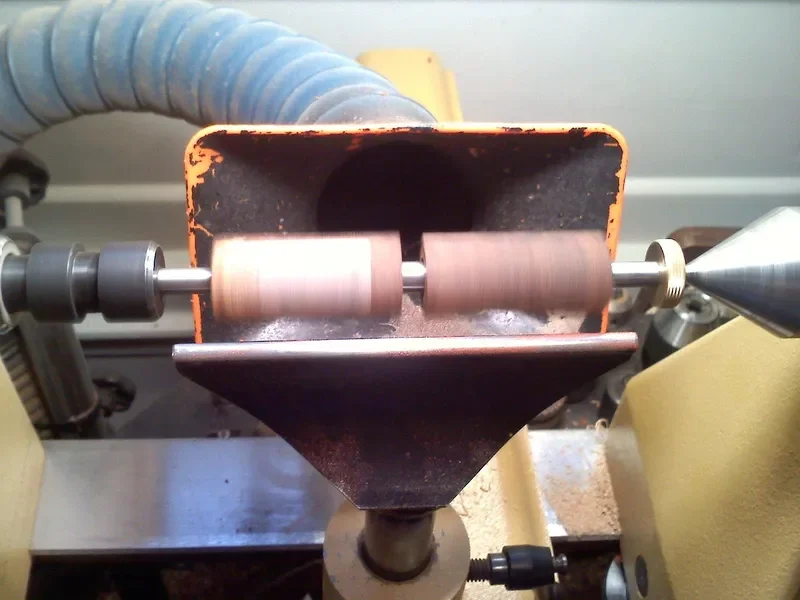
If you inhaled a lot of dust and feel unwell, our page on what to do if you inhale sawdust explains the next steps.
Zebrawood Toxicity Compared With Other Questions About the Wood
Health is only one of the questions people ask about this species. Whether it counts as a true hardwood is answered on our page about whether zebrawood is a hardwood, and sourcing is covered in where zebrawood comes from. One fact worth knowing before you buy: the Wood Database reports that zebrawood is not listed in the CITES appendices, but the IUCN lists it as vulnerable, so it is worth buying from a supplier who can tell you where the lumber came from.
It is also worth comparing with a wood people often lump into the same conversation. Our page on whether purpleheart is toxic covers another popular exotic, and the two are a useful reminder that each species needs its own answer instead of a blanket “exotics are safe” or “exotics are dangerous.”
Frequently Asked Questions
Is zebrawood poisonous?
Not in the sense of being a direct poison. The Wood Database describes zebrawood as a sensitizer whose usual effects are eye and skin irritation, and it notes that severe reactions are uncommon. The concern is the dust, not the solid wood.
Can zebrawood dust make you sick?
It can irritate your eyes, skin and airways, and as a sensitizer it can trigger stronger reactions the more you are exposed. Wood dust in general is also hard on the lungs over time, so a respirator and dust collection are worth using with any species.
Is it safe to handle finished zebrawood?
Handling a sanded, sealed piece such as a handle, a veneered panel or a turned bowl exposes you to far less dust than machining it. Wood Database general guidance is that risk in finished pieces is greatly lessened, but not eliminated.
Is zebrawood food safe?
We cannot point to a source that certifies zebrawood as food safe, so treat it cautiously. If you use it for cutting boards or utensils, seal it with a food-safe finish and read our separate page on zebrawood cutting boards before you build.
What should I do if I react to zebrawood?
Stop working, leave the dust, wash exposed skin and rinse your eyes. If you have breathing trouble or the reaction keeps coming back, talk to a doctor, and consider avoiding the species, since sensitizers tend to get worse with repeat exposure.
The Bottom Line
Zebrawood is not a direct poison, but calling it plain “non-toxic” misses that it is a listed sensitizer. Solid, finished pieces are low risk. Sanding, routing and machining are where your eyes, skin and lungs need protection, so capture the dust, wear a fitted respirator and goggles, and stop if your body reacts.
Sponsored / affiliate links. As an Amazon Associate I earn from qualifying purchases. I may earn additional commission from eligible campaigns.