Can 115 Subsonic Penetrate Wood? Ballistic Results Revealed
You’ve got a question, and it’s a good one. You’re wondering about the power of 115-grain subsonic ammunition and how it stacks up against wood. It’s a natural curiosity, especially if you’re interested in firearms, self-defense, or even just understanding how things work in the real world. This isn’t about just guessing; it’s about getting solid, clear information.
Understanding the Basics: 115 Subsonic and Wood
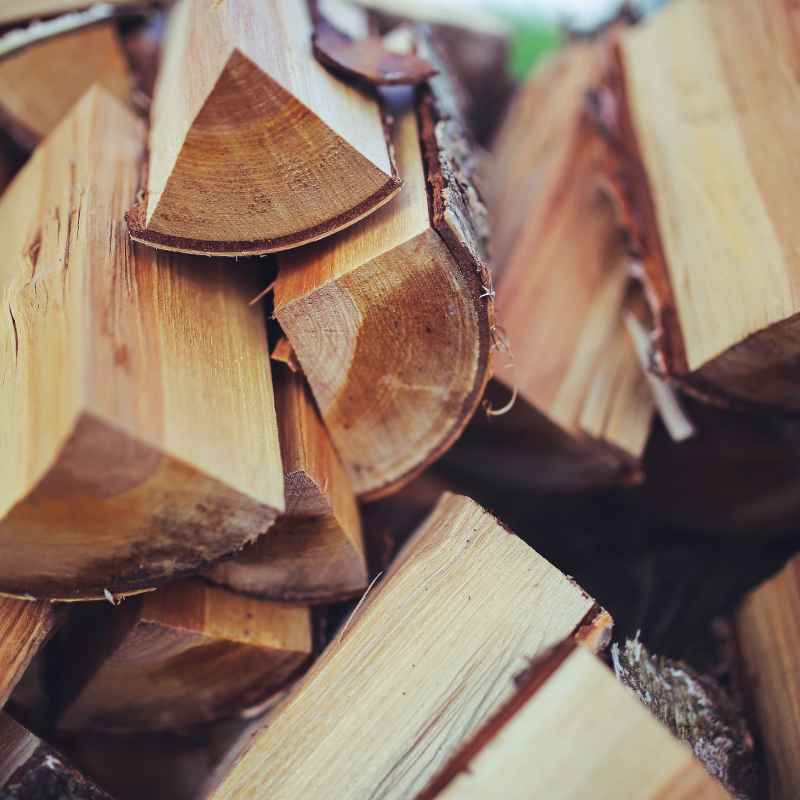
So, what exactly are we talking about when we say “115 subsonic”? It refers to a bullet weighing 115 grains. The “subsonic” part means it travels slower than the speed of sound. This is often done to reduce noise and recoil. Now, wood. Wood isn’t just one thing. It comes in many types and densities. Think about soft pine versus hard oak. This difference is huge.
The real question is about penetration. Can this specific type of bullet get through different kinds of wood? It’s a complex topic with many small parts. The bullet’s shape matters. Its speed matters. And as we said, the wood’s type and thickness matter a lot. There are no simple yes or no answers here. It’s more like, “it depends.”
Bullet Basics: Weight and Speed
Bullet Weight: 115 grains is a common weight for 9mm ammunition.
Subsonic Speed: Typically under 1125 feet per second (fps). This is slower than the sound barrier.
Energy Transfer: Slower bullets have less kinetic energy. But they can still be very effective.
The Science Behind Penetration
To understand if 115 subsonic can penetrate wood, we need to look at a few key factors. It’s not just about the bullet’s power. It’s about how that power interacts with the wood.
Bullet Design and Construction
The shape and material of the bullet are critical. Most 115-grain bullets are made of lead with a copper jacket. This jacket helps the bullet maintain its shape as it flies. It also helps it slide down the barrel smoothly.
However, how the bullet behaves on impact is what we’re focused on. A full metal jacket (FMJ) bullet is designed to pass through materials without deforming much. This means it’s more likely to keep its shape and penetrate deeper.
On the other hand, some bullets are made to expand upon impact. These are often used for hunting or self-defense. An expanding bullet spreads out, creating a larger wound channel. This expansion also slows the bullet down and makes it less likely to pass completely through a target. For penetrating wood, a non-expanding bullet is generally more concerning.
Wood Types and Density
Wood is an organic material. Its structure varies greatly. This is a huge factor in how well a bullet can penetrate it.
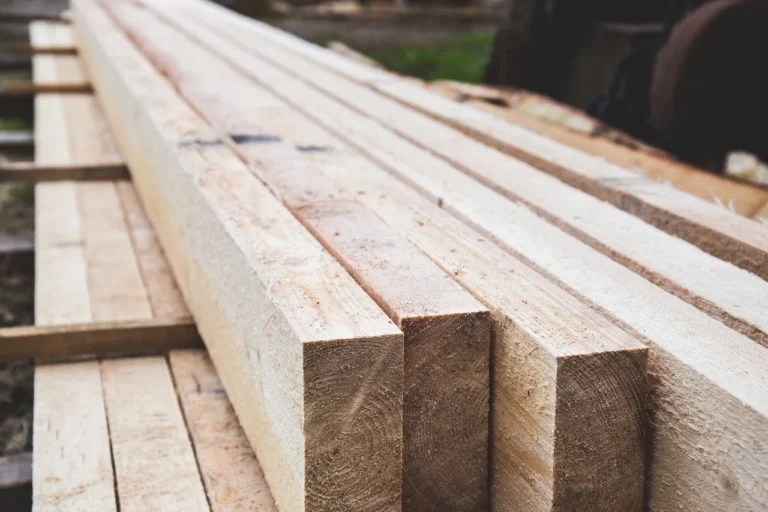
Softwoods, like pine or fir, are less dense. They have larger cell structures and more air pockets. Bullets can push through these pockets more easily. A 115 subsonic round would likely penetrate softwoods like pine with relative ease.
Hardwoods, such as oak, maple, or hickory, are much denser. Their cells are smaller and packed more tightly. This makes them much harder to penetrate. A subsonic round would struggle more against dense hardwoods. It might flatten, break apart, or stop completely.
Thickness and Grain Structure
Even within a type of wood, thickness is a major hurdle. A thin piece of pine might be easy to go through. But a thick beam of oak is another story. The bullet has to push through more material.
The grain of the wood also plays a role. Bullets tend to penetrate easier when traveling with the grain. They have a harder time when going against the grain. Think of it like trying to split wood with a hammer versus trying to push a nail through it end-on.
What the Experts and Data Say
Real-world tests and expert opinions offer the best insights. Ballistic testing provides concrete data. While specific tests for 115 subsonic rounds versus every type of wood are rare, general principles apply.
Studies on firearm penetration through various materials often include wood. These tests usually use standard hunting or defense rounds. Subsonic rounds, by nature, have less velocity. Less velocity usually means less kinetic energy. Kinetic energy is the main driver of penetration.
Factors Affecting Penetration
- Bullet Type: FMJ vs. expanding bullet.
- Wood Species: Pine, oak, maple, etc.
- Wood Density: How tightly packed the wood cells are.
- Wood Thickness: The distance the bullet must travel.
- Angle of Impact: Hitting with or against the grain.
Most sources suggest that common handgun rounds, even subsonic ones, can penetrate typical construction lumber (like pine or fir) several inches deep. This is a significant amount of material.
However, when you move to dense hardwoods, the story changes. A 115 subsonic round might not penetrate more than an inch or two of dense oak, or it might simply deform and stop. It’s very unlikely to pass through a thick, solid piece of hardwood.
Real-World Scenarios and Applications
Thinking about this topic isn’t just theoretical. It has practical applications.
Home Defense Considerations
For those concerned about home defense, understanding what’s behind a target is crucial. If a bullet is fired, what might it go through? In a typical American home, walls are often made of drywall and wood studs.
Drywall is very thin and offers almost no resistance. Wood studs are denser, especially if they are hardwoods. A 115 subsonic round fired at a wall could potentially penetrate drywall and a pine stud. If the stud is oak, penetration would be less.
The key takeaway here is that even subsonic rounds can be dangerous beyond your intended target. Over-penetration is always a risk. This is why responsible gun ownership includes understanding the environment around your target.
Outdoor Shooting and Range Safety
When shooting outdoors, a natural backstop like a mound of earth is ideal. But sometimes, you might shoot at targets placed near trees or wooden structures. Understanding penetration helps ensure safety.
Shooting at trees should be avoided if possible, especially if there’s a chance of the bullet passing through. Even subsonic rounds carry enough energy to cause damage or injury if they exit the wood.
Using backstops that are designed to catch bullets is always the safest practice. This might be a dedicated backstop at a shooting range or a natural feature that is known to be sufficiently deep and absorbent, like a large, soft dirt embankment.
Wood vs. Bullet: A Quick Comparison
Scenario: 115 Subsonic Round vs. 4 inches of Pine
Likely Outcome: Penetrates. The bullet may or may not exit the other side depending on exact density and grain.
Scenario: 115 Subsonic Round vs. 4 inches of Red Oak
Likely Outcome: May penetrate 1-2 inches. Bullet likely to deform or stop.
What This Means for You: When to Be Concerned
So, when should you be more concerned about 115 subsonic rounds and wood?
When Penetration is Likely
You should be concerned about penetration if you are shooting at:
Thin pieces of soft wood.
Wood with a significant amount of lead or other metals embedded in it (which can increase density and hardness).
Targets where the wood is not the intended backstop and could be a hazard to anything behind it.
When Penetration is Unlikely
Penetration is unlikely if:
You are shooting at thick, dense hardwoods.
The bullet is designed to expand significantly.
The wood is treated or composite, which might have different properties.
It’s always better to err on the side of caution. Assume that a bullet can penetrate more than you might expect, especially if it’s a common handgun round.
Quick Tips for Understanding Ballistics
Here are some simple points to remember when thinking about bullet penetration:
Velocity is Key: Faster bullets generally penetrate more. Subsonic rounds have lower velocity.
Mass Matters: Heavier bullets can carry more momentum. 115 grains is standard for 9mm.
Material Hardness: Denser, harder materials resist penetration better. Oak resists more than pine.
Bullet Shape: A pointed bullet cuts better than a rounded one.
Surface Area: As a bullet deforms or expands, its surface area increases. This slows it down.
Quick Scan: Subsonic vs. Wood
| Wood Type | Likely Penetration (115 Subsonic) |
|---|---|
| Pine (Softwood) | Moderate to Full (depending on thickness) |
| Oak (Hardwood) | Limited (1-2 inches or less) |
| Plywood | Variable (depends on wood type and glue) |
| Particle Board | Low (crumbles easily) |
Frequently Asked Questions
Can 115 subsonic ammo go through a standard wooden door?
A standard wooden door is often made of softer woods and might have hollow sections. A 115-grain subsonic round would likely penetrate the wood. However, the exact outcome depends on the door’s construction and thickness.
Always assume it can penetrate.
What is the difference between subsonic and supersonic rounds when it comes to penetration?
Supersonic rounds travel faster than the speed of sound. This higher velocity gives them more kinetic energy. More energy generally means greater penetration power.
Subsonic rounds travel slower and have less energy, thus typically penetrating less than their supersonic counterparts.
Does the angle of impact matter when a bullet hits wood?
Yes, the angle of impact can matter. Hitting wood along the grain may allow for deeper penetration. Hitting across the grain, or at a sharp angle, can cause the bullet to deflect or break apart more easily, reducing penetration depth.
Will a 115 subsonic round break apart when it hits wood?
It depends on the wood density and the bullet’s construction. Against very dense hardwoods, a 115 subsonic round is more likely to deform or break apart. Against softer woods, it’s more likely to maintain its integrity and penetrate.
Are 115 subsonic rounds dangerous if fired into the air?
Yes, any firearm round is dangerous regardless of its velocity. Even subsonic rounds can travel significant distances. Firing into the air is extremely dangerous and illegal in most places.
Always be aware of your surroundings and what is in the line of fire.
What type of wood is hardest for bullets to penetrate?
Extremely dense hardwoods are the most difficult for bullets to penetrate. Examples include osage orange, ironwood, or very dense species of oak or maple that have been properly dried and seasoned. Even then, a very thick piece would be needed to stop many rounds.
Final Thoughts on Penetration Power
Understanding how 115-grain subsonic ammunition interacts with wood helps paint a clearer picture. It’s not a simple “yes” or “no” answer. The type of wood, its thickness, and the bullet’s design all play critical roles. While these rounds have less energy than their supersonic counterparts, they can still penetrate common building materials. Always prioritize safety and be aware of your environment.
Sponsored / affiliate links. As an Amazon Associate I earn from qualifying purchases. I may earn additional commission from eligible campaigns.