How to Remove Super Glue from Glass Without Acetone: Easy Tips
Imagine this: you’re working on a DIY project or fixing something around the house, and before you know it, a drop of super glue lands on your favorite glass item. Panic sets in as you contemplate the possible damage and how you might remove it without causing scratches or further harm.
If reaching for a bottle of acetone isn’t an option for you, fear not. You’re about to discover foolproof methods that will save your precious glass from the sticky mess, using items you probably already have at home. This guide will equip you with simple, effective techniques to tackle super glue mishaps with ease.
If the surface in question is a pair of plastic eyeglass lenses rather than plain glass, see our guide to removing super glue from plastic glasses lenses instead — acetone is even riskier there since it can strip lens coatings.
Ready to rescue your glass? Let’s dive in and solve this sticky situation together!
If you do have acetone on hand and want the fastest option, see our acetone method for removing super glue from glass instead — the methods below are for when you’d rather skip it.
Materials Needed
Best Scraper for Glass
 |
ALLWAY GTS Glass & Tile Scraper, 4″ | Soft-Grip Handle,ALLWAY | Our pick | $8.11
Price as of 20 Oct 2026
|
View |
Super glue (cyanoacrylate) cures through a reaction with trace moisture in the air, and once fully hardened it’s genuinely tough stuff — but on glass specifically, it has one weakness working in your favor: glass is completely non-porous, so the glue never soaks in the way it would on wood or fabric. It’s sitting entirely on the surface, held by a mechanical grip rather than any real chemical bond to the glass itself, which is exactly why every method below can work without a harsh solvent.
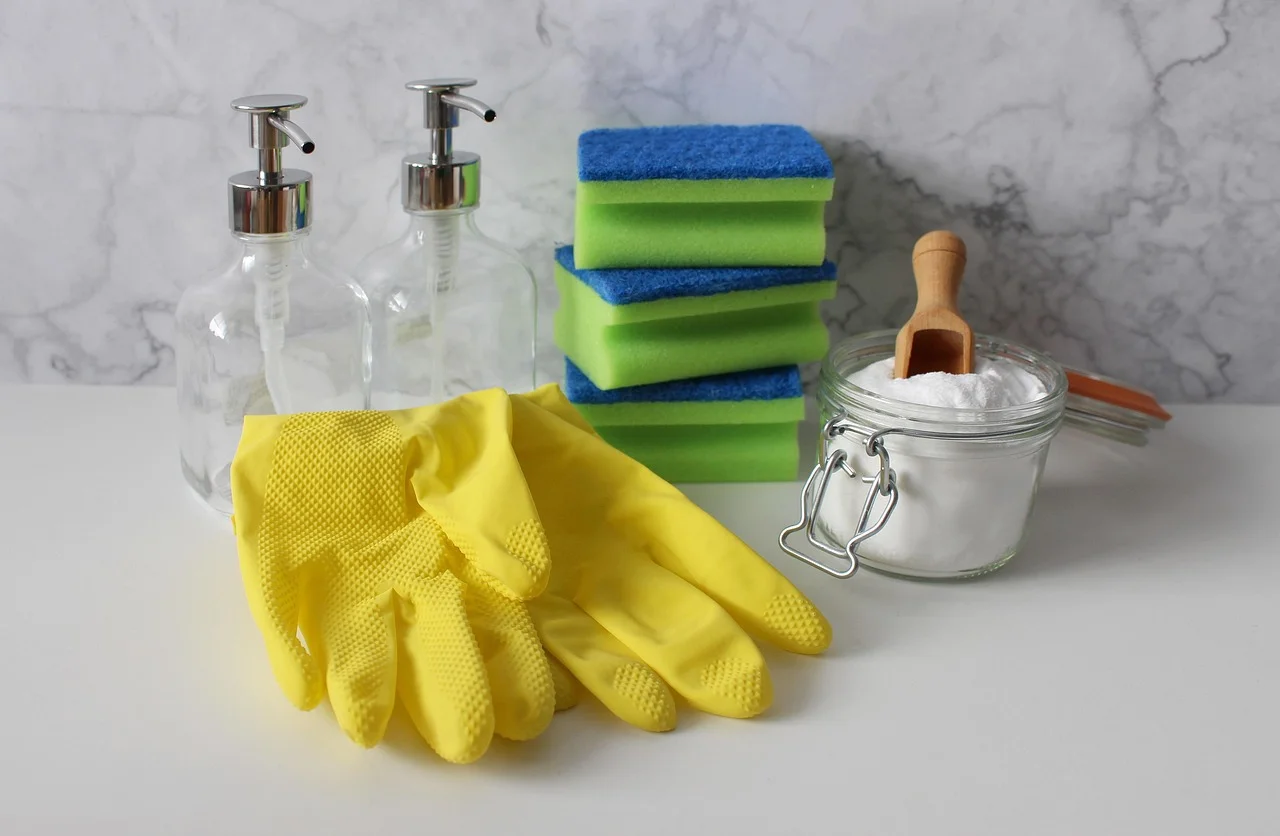
A short list covers nearly every case: white vinegar (its mild acetic acid slowly softens cured cyanoacrylate through hydrolysis), warm water and dish soap, a plastic scraper or old gift card, baking soda for light abrasive lifting, and a soft cloth or sponge for cleanup. None of these are exotic — most kitchens already have all of them on hand.
Credit: www.youtube.com
Safety Precautions
Because most of these methods involve a blade or scraper working right at the glass surface, the real risks are cuts and scratches rather than chemical exposure — a cut-resistant glove on your non-dominant hand (the one holding the glass steady) is worth using if you’re reaching for a razor blade. Good lighting matters more than people expect here, since it’s easy to miss a thin remaining film of glue in dim light and either scrub past it or accidentally re-smear it while wiping. Work over a towel or a padded surface rather than a hard counter, since dropped glass is far more likely to break on a hard surface than a soft one, and keep pressure light and steady — the glue is what needs force applied to it, not the glass underneath.
Warm Soapy Water Method
This is the gentlest method and worth trying first on anything you’d hate to scratch. Fill a bowl or basin with water as warm as is comfortable to touch, add a squeeze of dish soap, and submerge the glued spot fully rather than just splashing water on it — a full 15-20 minute soak gives the water time to work its way into the microscopic gap between the hardened glue and the glass, gradually weakening the mechanical grip holding it in place.
After soaking, a soft sponge with small circular pressure often lifts softened glue on its own; anything still stuck usually comes free with a plastic scraper rather than more scrubbing, since scrubbing harder against glass risks fine surface scratches that show up under certain light angles even though they don’t affect function. A second 15-minute soak on stubborn spots does more good than pressing harder the first time.
Credit: www.reddit.com
Using Vinegar
White vinegar’s acetic acid is mild enough to be safe on glass but active enough to speed up the same hydrolysis reaction that plain water triggers, just faster. A 1:1 mix with water in a small bowl is strong enough for most jobs; going straight to undiluted vinegar rarely helps much more and just uses more of it.
Rather than a quick wipe, press a vinegar-soaked cloth directly against the glue and hold it there for a few minutes — letting the solution sit in contact with the glue matters more than the rubbing motion itself, since it’s the soak time that actually breaks down the bond. After a few minutes, a gentle rub usually lifts the softened glue; if any residue remains, re-soak the cloth and repeat rather than switching to harder scrubbing. Finish with a clean, dry cloth to make sure no vinegar smell or residue lingers on the glass.
Oil-based Removal
Oil doesn’t dissolve cured cyanoacrylate the way a true solvent would, but it works a different angle — it seeps into the microscopic gap at the glue’s edge and acts as a lubricant, letting the hardened glue slide free from the glass more easily under light scraping. Vegetable, coconut, olive, and mineral oil all work about equally well here since they all share the same relevant property — low viscosity that lets them creep into that tight gap.
Saturate the glue spot generously and let it sit for 10-15 minutes before doing anything else — rushing straight to wiping skips the part where the oil actually has time to migrate under the glue. After the soak, a plastic scraper combined with a wipe usually lifts the glue cleanly; a final pass with dish soap and warm water clears away the oily film the process leaves behind on the glass.
Baking Soda Paste
Baking soda doesn’t chemically attack cured cyanoacrylate the way vinegar’s acid does — it’s working purely as a mild abrasive here, fine enough not to scratch glass under normal hand pressure but gritty enough to help physically wear away softened glue that a plain cloth would just slide over. It works best as a follow-up to one of the softening methods above, not as a first attempt on fully hardened, untreated glue.
A roughly 3-to-1 ratio of baking soda to water makes a paste about the consistency of toothpaste — thick enough to stay put on a vertical or angled surface without running off. Work it into the glue spot with a soft cloth in small circles, checking progress every 20-30 seconds rather than scrubbing continuously, since it’s easy to keep going well past the point the glue is actually gone and start dulling the glass’s surface shine instead. A thorough rinse afterward removes the gritty residue completely; any left behind dries as a faint white haze.
Freezing The Glue
This method leans on a mismatch in how glass and cured cyanoacrylate respond to cold — the hardened glue becomes noticeably more brittle at low temperatures, while glass barely changes, so the temperature drop stresses the bond between the two materials right at the interface. A sealed ice pack held against the spot for 8-10 minutes is usually enough to get there; a freezer bag of ice works nearly as well if a gel pack isn’t handy.
Once chilled, the glue often flakes or pops free with a fingernail or the edge of a plastic scraper, since a brittle bond fractures cleanly under light prying force rather than needing to be worn away. If it doesn’t budge on the first try, a second cold cycle before attempting again works better than pushing harder against glue that’s already started to warm back up and regain some flexibility.
Using A Razor Blade
Because super glue on glass is only a surface-level mechanical bond, a razor blade held nearly flat against the glass — closer to 5-10 degrees than 45 — can shear it off cleanly in one motion, which makes this the fastest of every method here once you’re comfortable with the technique. A dedicated glass scraper with a retractable blade guard is safer than a bare utility blade held by hand, since the guard limits how much edge is exposed and reduces slip risk considerably. Whatever blade you use, a dull one is more dangerous than a sharp one — it needs more pushing force to cut, and that extra force is what causes a slip. Swap in a fresh blade rather than pushing through with a worn one.
Work the blade under one edge of the glue spot first, then advance it in short, controlled strokes rather than one long push — this gives you a chance to feel resistance change and stop before applying enough force to risk chipping the glass. This method works only on flat glass; curved glassware doesn’t give a blade a consistent angle to ride against, so one of the soak-based methods above is the safer choice there.
Preventing Future Accidents
Cyanoacrylate cures on contact with moisture, which is exactly why an already-opened bottle thickens and eventually hardens even without ever touching wood or glass — ambient humidity slowly triggers the same reaction inside the tube. Keeping the cap tightly sealed between uses and storing the bottle somewhere cool and dry (not a humid bathroom cabinet) meaningfully extends how long it stays usable. A small resealable bag around the capped bottle adds an extra moisture barrier if the tube gets opened only occasionally.
Cleaning Tips
For routine glue cleanup on glass going forward, warm soapy water and a soft cloth handle fresh drips before they’ve had time to fully cure — catching a spill within the first minute or two, before the reaction with ambient moisture finishes, means it wipes away far more easily than the same spot would a day later. Anything abrasive, including paper towels on a delicate surface, risks fine scratches that a soft cloth or microfiber won’t cause, so it’s worth reaching for the gentler material even when it feels slower.
Credit: www.loctite-consumer.co.uk
Frequently Asked Questions
How Do You Remove Dried Super Glue From Glass?
Apply acetone on a cotton ball and gently rub the dried glue. Use a razor blade for stubborn residue.
Can Vinegar Remove Super Glue From Glasses?
Yes, vinegar can help remove super glue from glasses. Soak a cloth in vinegar and apply it to the glue. Let it sit for a few minutes, then gently scrub with a soft cloth. Repeat if necessary. Avoid using too much force to prevent scratching the lenses.
How To Remove Dried Super Glue From Glasses Without Acetone?
Use warm, soapy water to soak the glasses for 10-15 minutes. Gently scrub with a soft cloth. Apply vinegar or lemon juice to dissolve the glue residue. Rinse thoroughly and dry with a microfiber cloth. Avoid harsh scrubbing to prevent scratching the lenses.
What Dissolves Dried Super Glue?
Acetone effectively dissolves dried super glue. Apply acetone to the affected area using a cotton swab or cloth. Rub gently until the glue softens and detaches. Always test acetone on a small, hidden area first to avoid damage.
Conclusion
Because super glue never actually bonds chemically to glass the way it does to porous materials, every method here is really just a different way to break the mechanical grip at that surface — water and vinegar soften it through slow hydrolysis, oil lubricates the gap, cold makes it brittle, and a blade shears it off directly. Starting with the gentlest option (warm soapy water) and working up to a blade only if needed protects the glass from unnecessary scratching along the way.
Most of these methods need a soak or a cold cycle repeated once or twice rather than working perfectly on the first try, and that’s normal — it reflects how the underlying chemistry or physics actually works, not that something’s being done wrong. Repeating the gentlest effective method gets a clean result without ever needing acetone.
Sponsored / affiliate links. As an Amazon Associate I earn from qualifying purchases. I may earn additional commission from eligible campaigns.