How Much Does Epoxy Cost Per Ounce for Woodworking?
Epoxy for woodworking often costs somewhere in the low per-ounce range for seal coats and fills, and noticeably more for deep pours, with small kits often costing more per ounce. Buy the wrong type or mix the wrong amount, and a tabletop can turn into a very expensive lesson. I budget epoxy by project stage because that is how the bill really grows: seal coat, fill, or pour.
This guide is part of our Wood glue essentials: types, uses, and cure times series.
How much does epoxy cost per ounce for woodworking?

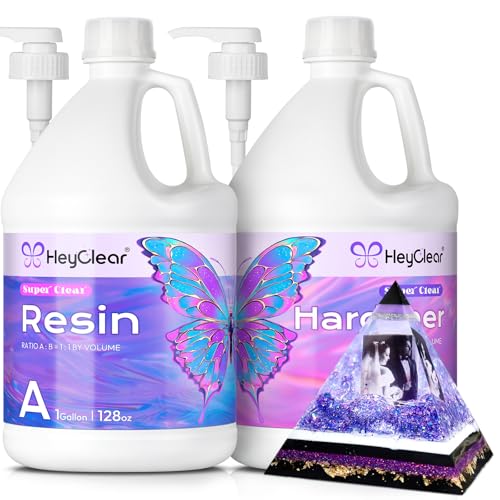

For woodworking, epoxy usually falls into two price bands: lower-cost ounces for sealing and repairs, and higher-cost ounces for clear furniture pours. A small bottle can look cheap at checkout and still cost more per ounce than a larger kit, especially once waste, mixing loss, and wood absorption are counted.
What changes the real cost
The main driver is the job stage. A thin seal coat on porous wood may use fewer ounces, but those ounces get soaked up and mixed waste still happens. A visible pour costs more because the resin must stay clear, cure evenly, and often be bought in a thicker-cast formula with a tighter working range.
Small purchases also tend to price badly per ounce. That matters when someone buys a repair kit for a tabletop crack, then finds the board needed a second coat, a color additive, and a little more resin for the low spots.
According to bestepoxyresincalculator.com — Buying larger kits reduces cost per ounce by 30–50%.
What does epoxy usually cost per ounce by resin type?
Epoxy price per ounce rises with performance and pour depth. Budget and craft resins sit at the low end, tabletop resins land in the middle, deep-pour formulas cost more, and marine or structural epoxies sit at the top. For woodworking, the right resin depends more on the job than on the label alone.
Budget epoxy and small repair kits
Budget / craft resin costs $0.50–$1.00 per oz. Entry-level casting resin costs $0.80–$1.50 per oz. These are the prices that often tempt buyers doing small repairs, but they are not always the cheapest choice once a seal coat or second pour is needed. Short pot life can also waste part of the batch.
Tabletop epoxy for clear furniture work
Mid-range tabletop resin costs $1.50–$2.50 per oz. This is the common middle tier for tabletops and countertops when the goal is a clear, furniture-grade finish. For many indoor projects, this tier is enough, and paying more for a premium structural formula adds cost without improving the final job much.
Deep-pour and river table epoxy
River table / deep-pour resin costs $1.80–$3.00 per oz. That higher range buys thicker-cast capability and better behavior on large voids and single-pour river sections. For a wide slab or a deep seam, the formula matters because thin coatings can overheat, cure badly, or trap bubbles.
Marine and structural epoxy
Marine / structural epoxy costs $3.50–$7.00 per oz. This is the highest-cost tier here, and it is built for boat work, structural repair, and jobs that need stronger service from a more specialized resin system. For an indoor dining table, that price is often overkill.
| Resin type | Typical price per ounce | Best woodworking use |
|---|---|---|
| Budget / craft resin | $0.50–$1.00 | Small fills, sample work, low-risk practice pieces |
| Entry-level casting resin | $0.80–$1.50 | Basic fills and small decorative pours |
| Mid-range tabletop resin | $1.50–$2.50 | Tables, countertops, clear finish applications |
| River table / deep-pour resin | $1.80–$3.00 | Thick-cast seams, river inlays, deep voids |
| Marine / structural epoxy | $3.50–$7.00 | Boat repair, structural use, specialty durability needs |
Why do gallon kits cost less per ounce?
Gallon kits cost less per ounce because packaging, retail markup, and kit size all work in the buyer’s favor. Bigger kits cut cost per ounce by about 30–50%, so a quart often looks convenient while a gallon gives better unit pricing. That said, bulk only helps if the project can actually use it before the resin ages out.
Quart versus gallon economics
A 32-oz quart kit at $50 equals $1.56 per oz. A gallon kit at $80 equals $0.63 per oz. A 5-gallon kit at $250 equals $0.39 per oz. Those numbers show why unit price drops fast as kit size rises. The catch is simple: overbuying can be cheaper per ounce and still waste money overall.
When bulk savings do and do not matter
Bulk makes sense for large tabletops, multiple fills, or repeated shop use. It makes less sense for one small edge repair, where leftovers may never get used. For a single project, the correct kit size is the one that covers the work with a modest margin, not the one with the lowest shelf price per ounce.
Woodworking cost-per-ounce matrix by project stage
Woodworking costs shift by stage, not just by resin type. A seal coat on open-grain wood can use surprisingly little resin and still cost more than expected because the wood drinks part of the batch. A full river pour moves the budget into a very different class because volume becomes the main expense.
| Project stage | Typical ounces needed | Likely unit price band | Hidden add-ons |
|---|---|---|---|
| Sealing porous wood before the main pour | 4–12 oz per medium tabletop, more on open grain | $1.50–$2.50/oz for tabletop resin | Waste buffer, extra spreaders, cup loss |
| Filling voids, cracks, and edge defects | 2–16 oz for spot repairs | $0.80–$2.50/oz depending on resin tier | Pigment, fillers, masking tape, sanding delay |
| Small river inlays and accent pours | 12–40 oz for narrow decorative sections | $1.80–$3.00/oz for deep-pour resin | Colorants, leak sealing, extra mix margin |
| Full river-table pours and thick castings | 64 oz to multiple gallons | $1.80–$3.00/oz or higher for specialty systems | Waste buffer, pigments, cups, stir sticks, second-pour allowance |
Sealing porous wood before the main pour
Wood substrate absorption matters most here. Open-grain hardwood and end grain can pull resin away from the surface, so the first coat is partly a seal and partly a soak-in. That is why a thin seal coat can consume more resin than a quick estimate suggests.
Filling voids, cracks, and edge defects
Small fills are where budget resin looks attractive, but a cheap batch can fail if the crack needs a second pass or the color is off. In practice, fill work often costs more in time than in ounces. That is why a slightly better resin is often worth it for a visible repair on a finished piece.
Budget extra for waste, absorption, pigments, and the small tools that always disappear into the job. A practical allowance is needed because cup residue, short pot life, and a porous board can eat part of the batch. For woodworking, underbuying is usually more expensive than a little leftover resin.
Mix loss and cup waste
Mixing two-part epoxy always leaves some resin behind in the cup and on the stir stick. That loss is small on paper, then becomes annoying when the batch was already tight. Short pot life raises the risk too, because rushed spreading leaves more waste and more chance of a bad cure.
Pigment, filler, and color cost
Pigment and additives are optional, but they still belong in the budget. Colored river tables, black void fills, metallic accents, and translucent tints all raise the total cost beyond resin alone. Add in filler, mixing cups, gloves, spreaders, and silicone tools, and the “cheap” pour starts looking different.
A simple budgeting rule
- Estimate the resin volume for the actual stage: seal, fill, or pour.
- Add a waste buffer for cups, sticks, and mistakes.
- Add more if the wood is open-grain or end grain.
- Include pigment and disposable tools before buying the kit.
- Round up if the project has one-shot critical pours.
What epoxy type is best for a wood table?
For most wood tables, mid-range tabletop epoxy is the best starting point. It balances clarity, cost, and ease of use for indoor furniture. Deep-pour epoxy is better for thick river sections, while marine or structural epoxy is usually unnecessary unless the table has a special service requirement or a repair problem that calls for it.
Indoor tables and countertops
For a standard table top, tabletop epoxy is usually the right call because it fits clear finish applications without paying for extra depth capability. If the project is a thin flood coat, decorative surface, or clear fill on a slab, the mid-range tier is usually the practical choice.
River tables and thick pours
What epoxy type is best for river tables? Deep-pour resin is usually the correct answer because river sections often need a single pour that is thicker than tabletop formulas are built to handle. The job is less about shine and more about getting one controlled cast without overheating or trapping defects.
When UV-resistant or marine epoxy is worth it
UV-resistant or marine epoxy is worth paying for when the piece faces harsher conditions, stronger moisture exposure, or repair demands that ordinary tabletop resin cannot meet. For an indoor dining table, though, the premium often adds cost without a clear woodworking benefit.
When a cheaper tabletop resin is enough
When the piece stays indoors and the epoxy is mainly decorative or protective, a cheaper tabletop resin is usually enough. That is the practical rule: pay for the resin’s job, not for features the project will never use. For most furniture work, that keeps the budget in line.
Frequently asked questions
What is a good epoxy price per ounce for a wood table?
A good epoxy price per ounce for a wood table is usually in the mid-range tabletop band, around $1.50–$2.50 per oz. That range fits clear finish work and most indoor furniture without paying for deep-pour or marine performance that the project does not need.
Why is epoxy cheaper per ounce in gallon kits?
Epoxy is cheaper per ounce in gallon kits because bulk packaging spreads fixed costs across more material. Bigger kits cut cost per ounce by 30–50%, and the math is easy to see in the retail examples: a quart kit at $50 equals $1.56 per oz, while a gallon kit at $80 equals $0.63 per oz.
How much epoxy do I need for a woodworking project?
The amount depends on the stage of the job. Sealing porous wood may take only a few ounces, while a full river table can take gallons. The safest way to estimate is to calculate the visible pour first, then add for absorption, mix waste, and any second pass.
What epoxy type is best for river tables?
Deep-pour or river table epoxy is usually the best choice for river tables because it is built for thicker casting and larger single pours. Tabletop resin is better for thin surface work, while marine epoxy is usually too expensive unless the piece also has a special structural or environmental need.
How much extra epoxy should I budget for waste and sealing coats?
Budget extra for waste, seal coats, and hidden add-ons because porous wood drinks resin and cups never empty cleanly. A practical budget includes a seal coat allowance, a small waste buffer, and enough margin for pigment, filler, and one mistake. That is cheaper than stopping mid-project.
Is tabletop epoxy more expensive than marine epoxy?
No. Tabletop epoxy is usually less expensive than marine or structural epoxy. Mid-range tabletop resin costs $1.50–$2.50 per oz, while marine / structural epoxy costs $3.50–$7.00 per oz. The higher-cost tier buys specialty performance that many indoor furniture projects do not need.
What does epoxy cost per ounce compared with floor epoxy?
Floor epoxy is often priced by area rather than by ounce, which makes direct comparison awkward. DIY epoxy flooring costs $2–$5 per square foot, and professional epoxy flooring ranges from $3–$12 per square foot. For woodwork, ounce pricing is more useful because the job is usually tied to seal coats, fills, and pours.
Sponsored / affiliate links. As an Amazon Associate I earn from qualifying purchases. I may earn additional commission from eligible campaigns.