How to Use the Bandsaw: Essential Tips for Mastery
To use a bandsaw, adjust the blade guide to the correct height and tension, align the wood with the blade, and turn on the machine. Then, gently push the wood through the blade while keeping your hands away from the cutting area.
A bandsaw is a versatile tool that can be used to make precise cuts in wood, metal, and other materials. Whether you’re a professional woodworker or a DIY enthusiast, learning how to use a bandsaw can help you achieve accurate cuts and save time on your projects.
We’ll cover the basics of using a bandsaw, including adjusting the blade guide, aligning the wood with the blade, and making the cut. We’ll also discuss some safety tips to keep in mind while using this powerful tool. So, let’s get started!
Introduction To Bandsaw Usage
Discover the fundamental steps for using a bandsaw effectively. Ensure the blade is properly tensioned and adjusted before making precise cuts. Learn to guide the material steadily through the blade, maintaining focus and control for accurate results. Mastering the bandsaw opens up a world of woodworking possibilities.
The Role Of Bandsaws In Woodworking
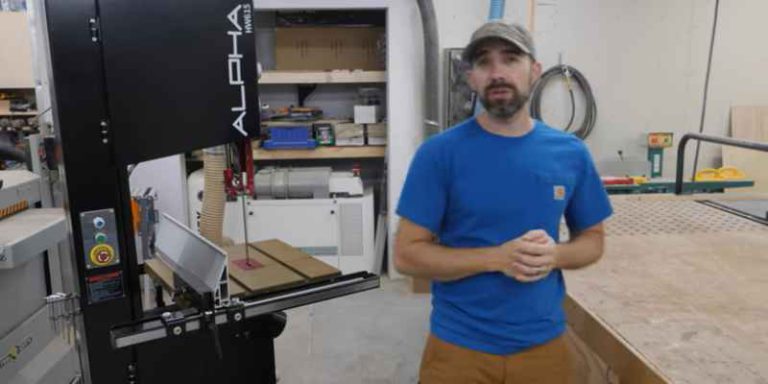
A bandsaw is an essential power tool used in woodworking for cutting curves, irregular shapes, and resawing wood into thinner pieces. It consists of a continuous band of toothed metal stretched between two or more wheels to cut material. Bandsaws are versatile and can be used for various woodworking tasks, making them a valuable addition to any workshop.
Safety First: Preparing To Use Your Bandsaw
Before using a bandsaw, it’s crucial to prioritize safety. Begin by ensuring the blade is correctly tensioned and tracking properly on the wheels. Additionally, always wear safety goggles to protect your eyes from debris and use push sticks to keep your hands a safe distance from the blade. Remember to keep the bandsaw’s working area well-lit and free from obstructions to prevent accidents.

Choosing The Right Bandsaw
Bandsaw Types And Their Uses
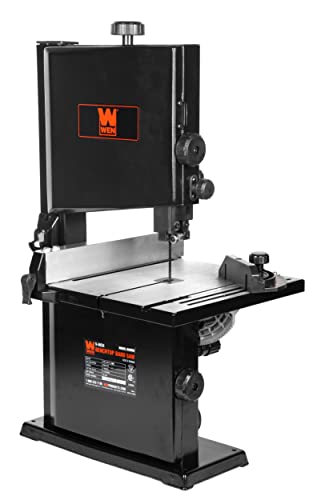
Before diving into selecting a bandsaw, it’s crucial to understand the different types available and their specific uses. Bandsaws come in various configurations, including benchtop, floor-standing, and portable models. Each type is designed for different cutting capacities and is suitable for various applications. For instance, benchtop bandsaws are ideal for small workshops and light-duty cutting tasks, while floor-standing models are better suited for heavy-duty cutting operations.
Factors To Consider When Selecting A Bandsaw
When choosing a bandsaw, several key factors need to be considered to ensure you select the most suitable option for your specific needs. These factors include the bandsaw’s cutting capacity, motor power, blade size, and additional features such as blade guides, tensioning systems, and dust collection mechanisms. It’s essential to assess your cutting requirements and workspace constraints to make an informed decision.
Setting Up Your Bandsaw
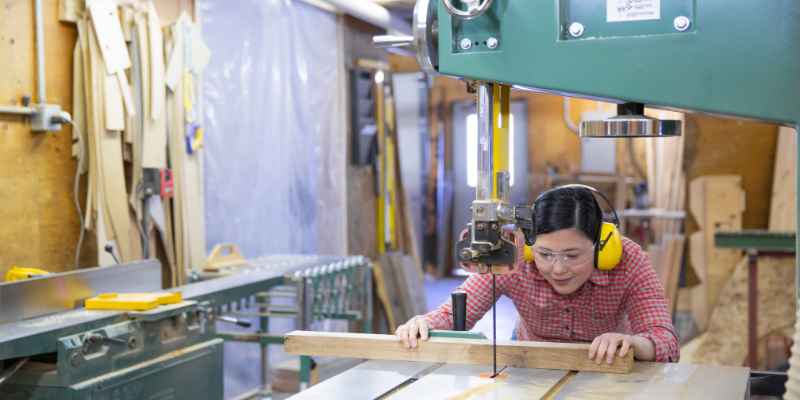
Before you can start using your bandsaw, it’s important to properly set it up. This involves assembling and adjusting the bandsaw as well as selecting and installing the right blade. In this section, we will guide you through each step, ensuring your bandsaw is ready for use.
Assembling And Adjusting The Bandsaw
When you first receive your bandsaw, it may come partially assembled. Follow these steps to ensure proper assembly:
- Read the manufacturer’s instructions carefully.
- Identify all the parts and components.
- Secure the base of the bandsaw to a sturdy work surface.
- Attach the stand or table to the base.
- Mount the motor and align the pulleys.
- Attach the upper and lower wheels.
- Install the blade guard and tension spring.
- Secure the blade tracking knob and tension knob.
- Ensure all fasteners are tightened.
Once the bandsaw is assembled, it’s important to properly adjust it for optimal performance:
- Check the alignment of the wheels to ensure they are parallel.
- Adjust the blade guides to ensure they are properly positioned.
- Set the blade tension according to the manufacturer’s recommendations.
- Check the blade tracking and adjust if necessary.
- Ensure the table is level and square to the blade.
Blade Selection And Installation
Choosing the right blade for your bandsaw is crucial for achieving clean and accurate cuts. Follow these steps to select and install the appropriate blade:
- Consider the type of material you will be cutting (wood, metal, plastic, etc.).
- Determine the thickness of the material.
- Choose the appropriate blade width and tooth configuration for your desired cut.
- Refer to the manufacturer’s recommendations for the bandsaw’s blade length.
- Install the blade by releasing the tension and sliding it onto the wheels.
- Adjust the blade tension according to the manufacturer’s guidelines.
- Check the blade tracking and adjust if necessary.
With the bandsaw properly assembled, adjusted, and the right blade installed, you are now ready to start making precise and clean cuts. Remember to always follow safety precautions and refer to the manufacturer’s instructions for specific details regarding your bandsaw model.
Bandsaw Blade Basics
Understanding Blade Width And Teeth Per Inch
A bandsaw blade’s width determines the tightness of curves it can cut.
The teeth per inch (TPI) indicates the blade’s cutting ability on different materials.
When To Change The Blade
Change the blade if you notice excessive vibration or irregular cuts.
Inspect the blade for dullness or wear and tear regularly.
Cutting Techniques
Discover how to master cutting techniques with the bandsaw for precise and efficient woodworking projects. Learn the best practices to enhance your skills and create flawless cuts effortlessly.
Straight Cuts And Resawing
Achieve precise straight cuts by adjusting the blade guide and table angle.
Curved Cuts And Patterns
For curved cuts, utilize a smaller blade and practice controlled movements.
Advanced Bandsaw Tricks
Discover advanced bandsaw tricks for optimizing your woodworking projects. Learn how to use the bandsaw effectively and efficiently to achieve precise cuts and intricate designs. Mastering these techniques will elevate your craftsmanship and expand your creative possibilities.
Creating veneers and inlays with a bandsaw can add intricate details to your woodworking projects.
Creating Veneers And Inlays
- Use a sharp blade to slice thin veneers.
- Glue veneers onto surfaces for decorative effects.
- Create custom inlays by cutting precise shapes.
Stack Cutting And Book-matching
- Stack similar pieces for simultaneous cutting.
- Book-match veneers for symmetrical patterns.
Maintaining Your Bandsaw
Maintaining your bandsaw is crucial for optimal performance. Learn how to use the bandsaw effectively by following these simple steps to ensure smooth operation and accurate cuts. Keep your bandsaw in top shape to enhance your woodworking experience.
Regular Cleaning And Lubrication
Regular cleaning and lubrication are crucial for ensuring the smooth operation of your bandsaw. Clean the sawdust and debris from the machine after every use. Lubricate the moving parts according to the manufacturer’s guidelines. This will prevent rust and reduce wear and tear.
Troubleshooting Common Bandsaw Issues
Being proactive in identifying and addressing common bandsaw issues can help you maintain the efficiency of your tool. Here are some common problems and solutions:
– Uneven cuts: Check the blade tension and ensure it is properly aligned.
– Blade drift: Adjust the blade guides to correct the alignment.
– Blade breakage: Inspect the blade for any damage and replace if necessary.
– Excessive noise: Check for loose components and tighten them accordingly.
Bandsaw Projects To Master Your Skills
Whether you’re a beginner or an advanced user, working on bandsaw projects is a great way to enhance your skills and create beautiful pieces of work. From simple projects for beginners to more challenging ones for advanced users, there are endless possibilities to explore with a bandsaw. In this article, we will guide you through some exciting bandsaw projects that will help you master your skills and unleash your creativity.
Simple Projects For Beginners
If you’re new to using a bandsaw, starting with simple projects is a great way to get comfortable with the tool and develop your technique. These projects will allow you to learn the basics while creating functional and visually appealing items. Here are a few simple bandsaw projects that are perfect for beginners:
- Wooden Coasters: Create custom wooden coasters by cutting small, circular pieces from a block of wood. Sand them down for a smooth finish and apply a protective coating.
- Picture Frames: Cut out the frame pieces from a larger piece of wood and join them together to create unique picture frames. Sand and varnish for a professional look.
- Bookends: Use a bandsaw to cut out interesting shapes for bookends. Sand and paint them to match your room’s decor.
Challenging Projects For Advanced Users
If you’re an experienced user looking to take your skills to the next level, challenging bandsaw projects will push your limits and allow you to showcase your talent. These projects require precision and attention to detail, resulting in stunning finished products. Here are a few challenging bandsaw projects for advanced users:
- Wooden Jewelry Box: Craft an intricate jewelry box with multiple compartments and a hinged lid. Add decorative details by cutting out intricate patterns on the sides.
- Intarsia Art: Create beautiful intarsia art by cutting different pieces of wood and fitting them together like a puzzle. This technique allows you to create stunning images and designs.
- Curved Furniture: Construct unique and eye-catching furniture pieces by bending and shaping wood using the bandsaw. From chairs to tables, the possibilities are endless.
Remember, practice makes perfect, and bandsaw projects provide the perfect opportunity to improve your skills. Whether you’re a beginner or advanced user, these projects will not only enhance your abilities but also ignite your creativity. So, grab your bandsaw and start exploring the endless possibilities!
Bandsaw Safety Revisited
Bandsaws are incredibly versatile tools, but they also require careful attention to safety. Whether you’re a seasoned woodworker or a beginner, understanding and implementing bandsaw safety measures is crucial to prevent accidents and injuries. Let’s revisit some essential safety guidelines to ensure that you can use the bandsaw effectively and safely.
Personal Protective Equipment
Wearing the right personal protective equipment (PPE) is paramount when operating a bandsaw. Eye protection is non-negotiable, as wood chips and debris can easily fly into your eyes. Ear protection is also essential due to the loud noise generated by the bandsaw. Additionally, gloves can provide added grip and protection, but make sure they fit snugly and won’t get caught in the blade.
Avoiding Common Safety Mistakes
- Always keep your work area well-lit and free of clutter to prevent tripping hazards and ensure clear visibility.
- Never remove the blade guard or adjust the blade while the bandsaw is running.
- Always use a push stick or push block to guide the wood through the blade, keeping your hands a safe distance from the cutting zone.
Frequently Asked Questions
What Safety Precautions Should I Take When Using A Bandsaw?
When using a bandsaw, it is important to prioritize safety. Always wear safety goggles and gloves, and avoid loose clothing or jewelry that could get caught in the machine. Keep your hands away from the blade, use a push stick for small pieces, and never force the material through the saw.
What Materials Can I Cut With A Bandsaw?
A bandsaw is a versatile tool that can cut a variety of materials. It is commonly used to cut wood, but it can also be used to cut metal, plastic, and even frozen meat. Make sure to use the appropriate blade for the material you are cutting to achieve the best results.
How Do I Choose The Right Blade For My Bandsaw?
Choosing the right blade for your bandsaw is crucial for achieving clean and accurate cuts. Consider the type of material you will be cutting and the thickness of the material. Different blades have different tooth configurations and sizes, so select one that is suitable for your specific cutting needs.
How Do I Maintain My Bandsaw For Optimal Performance?
To keep your bandsaw in top shape, regular maintenance is key. Clean the machine after each use, removing any debris or sawdust that may have accumulated. Check the blade tension and alignment regularly, and lubricate the moving parts as recommended by the manufacturer.
This will ensure smooth and precise cutting.
Conclusion
Mastering the bandsaw is a valuable skill for any woodworker. By following these tips and tricks, you can ensure that your cuts are precise, clean, and safe. Remember to always prioritize safety, maintain your equipment regularly, and take your time when making cuts.
With practice and patience, you’ll be able to create beautiful and intricate designs with ease using your bandsaw. Happy cutting!