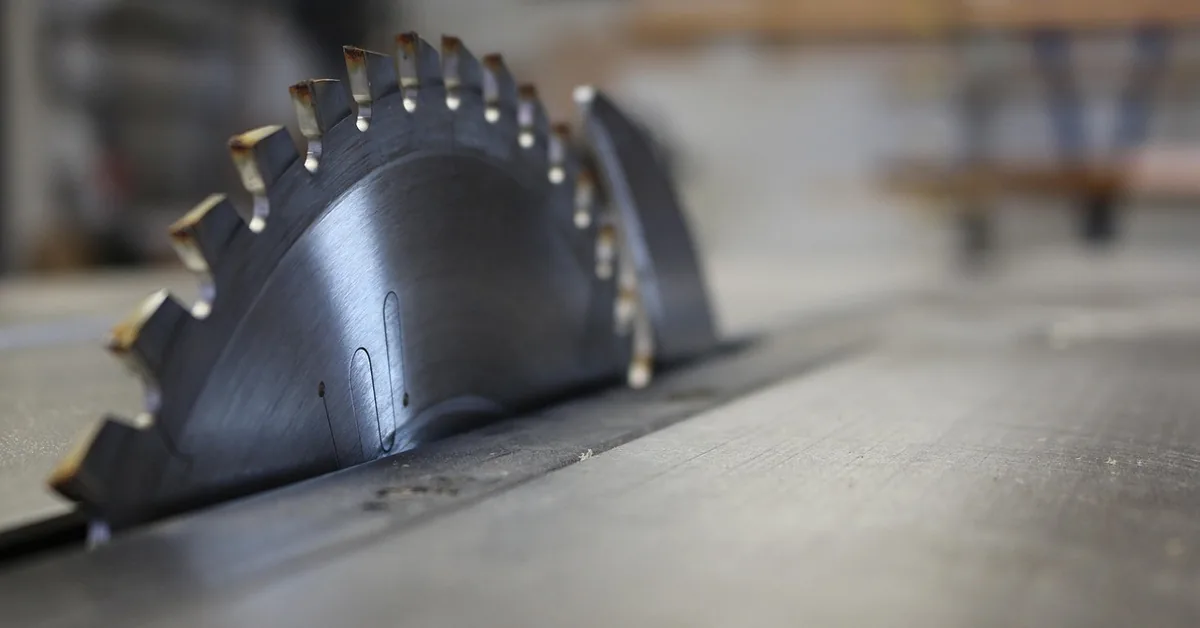
How to Remove a Circular Saw Blade in 6 Steps
To remove a circular saw blade: unplug the saw, engage the arbor lock (or wedge the blade in scrap wood), then turn the arbor nut counterclockwise on most sidewinder saws — clockwise on worm-drive models like the Skilsaw 77, since their reverse-thread nut spins the opposite way. Forcing the wrong direction can strip the bolt or snap the lock. This guide covers all six steps, plus how to tell which thread your saw uses.
This post contains affiliate links. As an Amazon Associate, we earn from qualifying purchases.
What You’ll Need
Best Replacement Blade Pick
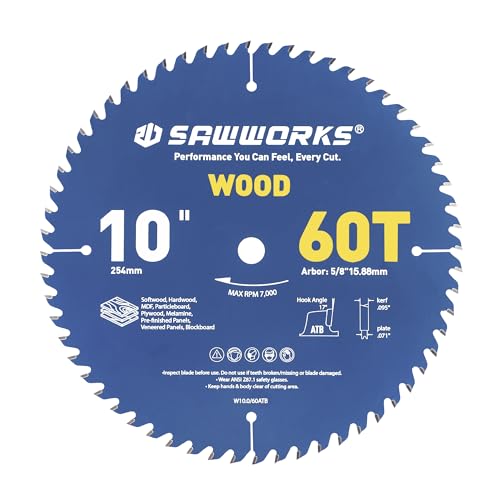
DEWALT 7-1/4" 24-Tooth Circular Saw Blade (DWA171424)
A standard-size framing blade that fits most 7-1/4" sidewinder and worm-drive saws once your old blade is off.
- Best for: General framing and rough wood cutting
- Why we picked it: Fits the same 5/8" arbor as most 7-1/4" saws covered in this guide
- Main drawback: 24-tooth count leaves a rougher edge than a finish blade
Compare more blade-change options
 Option 1 IRWIN 140T Fine-Finish Blade
|
 Option 2 DEWALT OEM Arbor Wrench
|
 Option 3 Rockler Blade-Lock Tool
|
As an Amazon Associate we earn from qualifying purchases.
- Safety glasses
- Work gloves
- A wrench sized to your saw’s arbor nut (often included with the saw)
- A scrap block of wood (if your saw has no arbor/spindle lock button)
- Penetrating oil, for a rusted or stuck nut
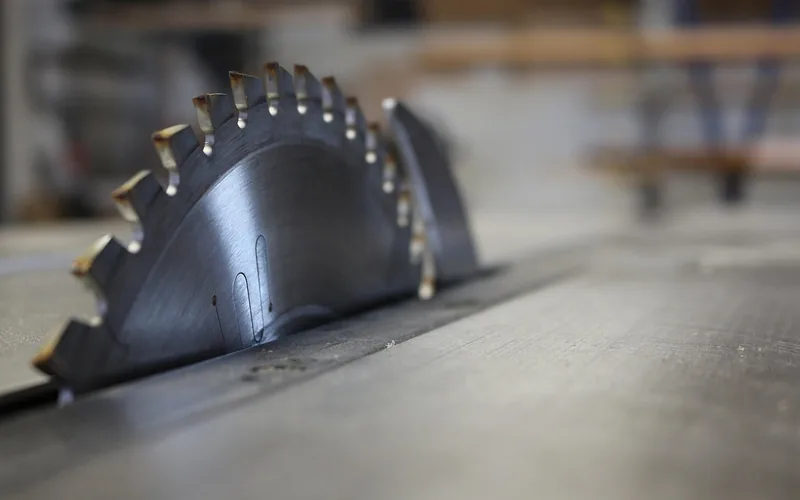
How to Remove a Circular Saw Blade (6 Steps)
Every circular saw blade comes off the same basic way — power disconnected, blade locked still, nut turned opposite the blade’s spin. Follow these six steps in order.
- Disconnect the power: Unplug the saw or pull the battery pack completely before the blade guard ever opens. This is the step every safety recall traces back to when it’s skipped.
- Set the saw on a stable surface: Rest the saw upside down on a workbench or a scrap block, with the lower blade guard retracted so the full blade is exposed.
- Lock the blade: Press and hold the arbor or spindle lock button. If your saw has no lock button, wedge a scrap block of wood firmly against the blade teeth so it can’t spin.
- Loosen the arbor nut: Fit the wrench on the nut and turn it opposite the blade’s rotation direction — counterclockwise on most sidewinder saws, clockwise on worm-drive saws. Confirm the direction against the arrow stamped near the nut if you’re unsure.
- Remove the nut, washer, and blade: Once it’s loose, spin the nut off by hand, lift away the outer washer, and note which way the blade’s rotation arrow is facing before sliding the blade off the arbor.
- Store or replace the blade: Set the old blade aside teeth-down on a flat surface, or install the new one facing the same rotation direction as the old one, then hand-tighten the nut before a final snug with the wrench.
Which Way Does the Arbor Nut Turn? Sidewinder vs. Worm-Drive
The arbor nut always tightens in the direction opposite the blade’s rotation — that way, the spinning blade never has a chance to loosen its own nut. Which way that is on your saw depends on where the motor sits, a detail most guides skip. See our full breakdown of which way a circular saw blade should face for how this connects to blade installation.
| Saw Type | Blade Position | Turn to Loosen | Common Examples |
|---|---|---|---|
| Sidewinder (in-line) | Right side of the motor | Counterclockwise (standard thread) | Most cordless and corded circular saws |
| Worm-drive | Left side, motor at the rear | Clockwise (reverse/left-hand thread) | Skilsaw 77 / SHD77 and other worm-drive saws |
“After reinstalling a blade, we always spin it a quarter-turn by hand before plugging the saw back in — it’s the fastest way to catch a cross-threaded nut before you ever pull the trigger.”
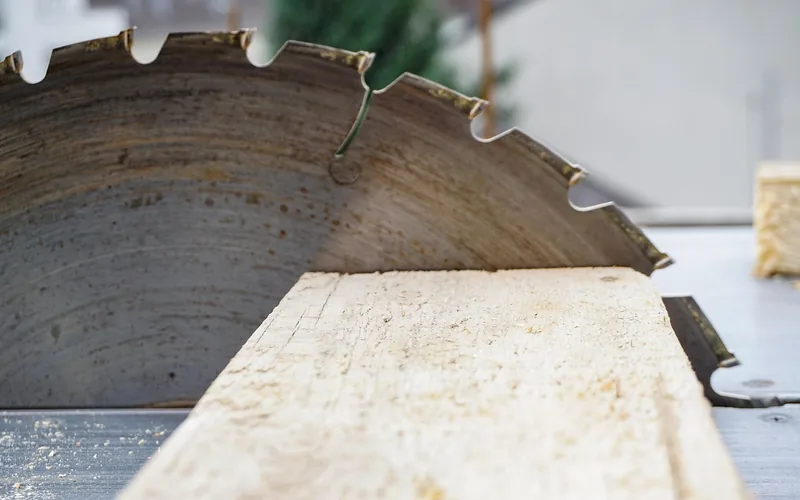
No Arbor Lock Button? Here’s How to Hold the Blade Still
Older and lower-cost circular saws often skip the arbor lock button entirely. Wedge a short scrap of 2×4 firmly against the lower teeth, on the side the nut needs to turn to loosen — the wood jams into the blade guard opening and stops the blade from spinning while you break the nut loose.
For saws you change blades on often, a dedicated tool like a blade-lock clamp holds the blade rim without touching the teeth, which is both faster and safer than notching a new wood block every time.
Common Mistakes When Removing a Circular Saw Blade
- Forcing the nut in the wrong direction — always match the direction opposite your saw’s blade rotation, not just “always counterclockwise.”
- Skipping the power disconnect — a bumped trigger with the blade guard open is exactly the injury this step prevents.
- Losing the outer washer or blade spacer — reinstalling without it lets the blade wobble and cut out of true.
- Not noting blade orientation before removal — a backward blade throws chips at the user and doesn’t cut cleanly.
- Over-tightening on reinstall — strips the arbor threads and makes the next change require a breaker bar.
Frequently Asked Questions
Are circular saw blades reverse threaded?
Not all of them. Most sidewinder circular saws (blade on the right side of the motor) use a standard right-hand thread that loosens counterclockwise. Only worm-drive saws, like the Skilsaw 77, use a genuine reverse (left-hand) thread that loosens clockwise. Check the arrow stamped near the arbor nut if you are not sure which one you have. Ryobi’s 18V ONE+ circular saws are a notable exception — despite being compact sidewinder-style saws, their blade screw is reverse-threaded like a worm-drive; see our Ryobi circular saw blade guide for the exact clockwise/counterclockwise directions by model.
Which way do you turn a circular saw blade nut to remove it?
Turn it opposite the direction the blade spins, so the running blade never loosens its own nut. That means counterclockwise on most sidewinder saws and clockwise on worm-drive saws. When in doubt, match the arrow stamped on the saw housing near the nut, or check your owner’s manual.
How do you remove a circular saw blade without a wrench?
A socket wrench or adjustable pliers sized to the nut’s flats will work in a pinch, but a proper wrench is safer. Pliers can round off the nut’s flat sides, and once a nut is rounded it is much harder to get a tool to grip it at all.
Why won’t my circular saw blade nut come loose?
Usually one of three things: the nut is rusted or gummed up with resin, it was over-tightened during the last install, or you are turning it the wrong direction for your saw type. Apply penetrating oil, let it sit about 10 minutes, and double-check your turn direction before adding more force.
Can you use pliers to remove a circular saw blade?
Yes, as a backup when you don’t have the right wrench. Grip the flat sides of the nut with locking pliers, not the rounded body, and keep the blade locked or wedged so it can’t spin while you apply pressure.
Conclusion
Removing a circular saw blade is a five-minute job once you know which way your saw’s nut turns — disconnect the power, lock or wedge the blade, and turn the nut opposite the blade’s rotation. If you’re shopping for a new saw instead of just swapping a blade, see our best circular saw picks for current models worth buying.
Sponsored / affiliate links. As an Amazon Associate I earn from qualifying purchases. I may earn additional commission from eligible campaigns.