Ebony vs Rosewood: Which Should You Choose
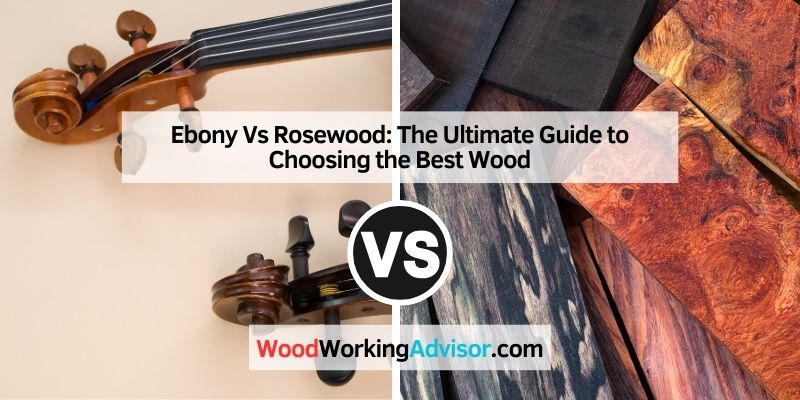
Ebony is uniformly black, extremely dense, and produces a bright, articulate tone with a snappy feel under the fingers. Rosewood is reddish-brown with visible dark streaks, slightly less dense, and produces a warmer, more resonant tone with a smoother, slightly oily feel. Beyond the guitar fretboard debate, there’s a legal wrinkle both woods share: most species of each are now CITES-restricted, which affects what you can actually buy and ship.
Appearance and Feel
For Unfinished Fretboards of Either Wood
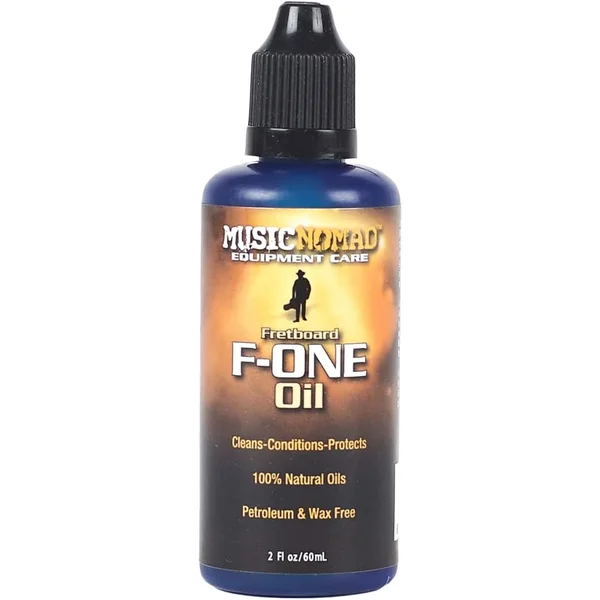 |
MusicNomad F-ONE Fretboard Oil Cleaner & Conditioner Both ebony and rosewood are typically left unfinished on a fretboard, which means they dry out and dull over time without occasional conditioning — this cleans and re-oils both in one step.
|
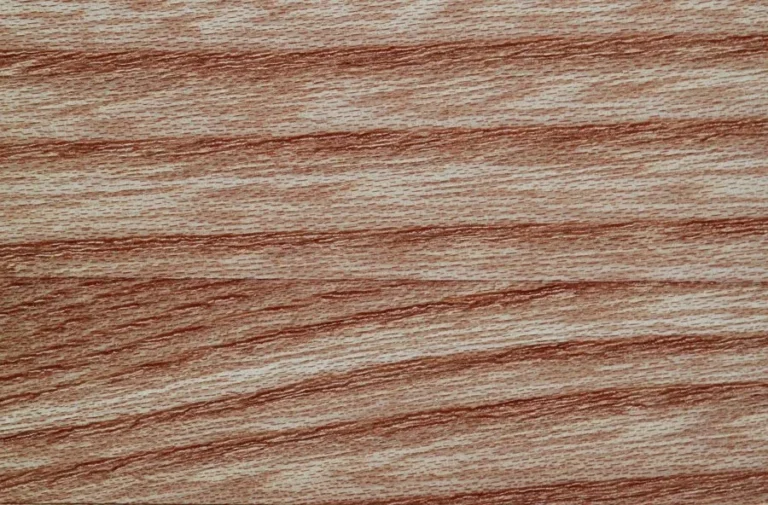
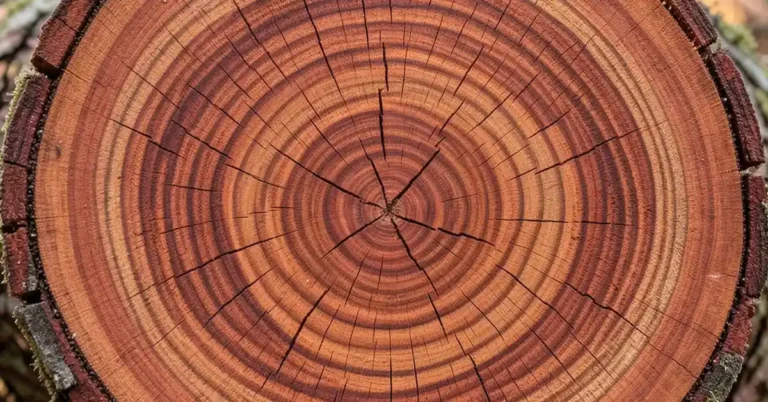
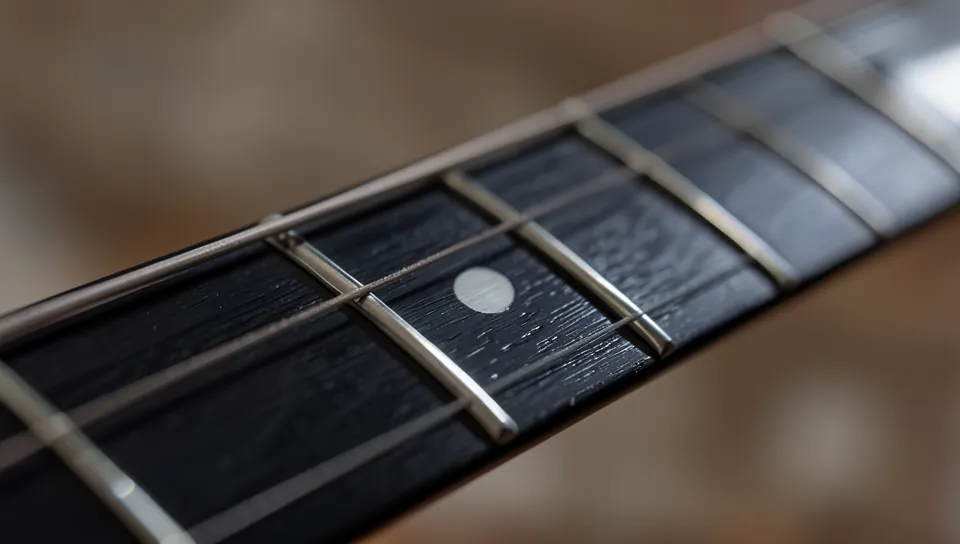
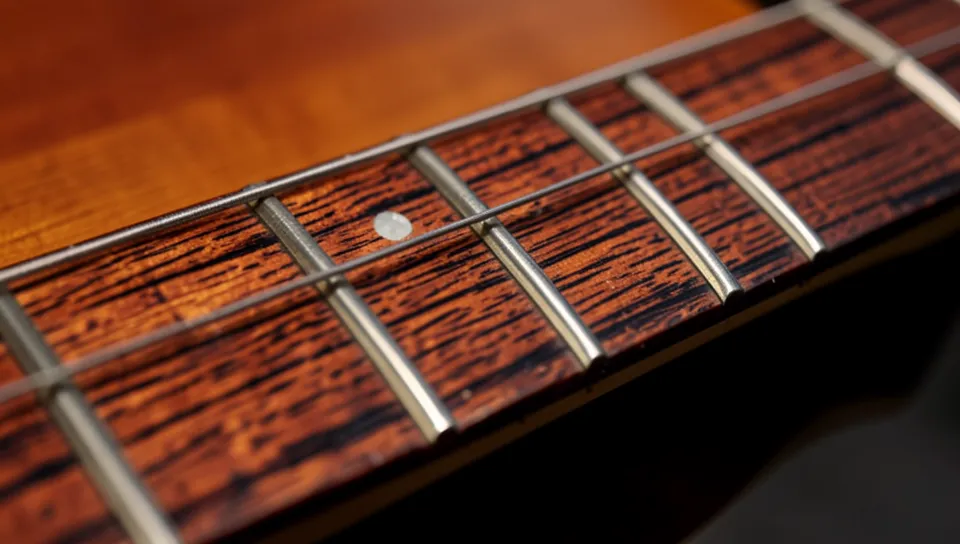
Ebony (genus Diospyros) is about as close to solid black as wood gets, with little to no visible grain — it’s this uniform, glassy-smooth look that made it the traditional choice for piano keys and violin fittings. Rosewood (genus Dalbergia) runs from deep brown to a warm reddish tone, almost always with darker streaks running through it, and often carries a faint, sweet floral scent when freshly cut or sanded — ebony has essentially no scent at all. Rosewood also tends to feel slightly oily to the touch thanks to natural resins in the wood, while ebony feels drier and glassier.
Hardness, Durability, and Workability
Ebony is one of the hardest and densest woods used in instrument making and fine furniture — Janka hardness for Gaboon ebony runs well above 3,000 lbf, putting it far beyond common domestic hardwoods. That density makes it extremely durable and resistant to wear, but also genuinely difficult to work: it dulls edge tools quickly, is prone to cracking under stress, and rewards patience over speed. Rosewood is still a hard, durable wood (most species land somewhere in the 1,700-3,000+ lbf range depending on species) but is noticeably friendlier to work with — it machines more predictably, is less prone to cracking, and takes a smooth finish without punishing your tools the way ebony does.
Tone: Why Musicians Debate This Endlessly
On a fretboard, ebony’s density and hardness translate to a bright, clear, quick-responding tone with relatively short sustain — players who want articulate, snappy note definition (fast lead lines, funk, certain jazz styles) tend to prefer it. Rosewood’s slightly lower density and oily texture produce a warmer tone with longer sustain and more complex overtones, which is why it’s long been the default choice for genres favoring a fuller, rounder sound. In practice, the fretboard wood’s tonal contribution is real but modest next to the body wood, strings, and pickups — it’s a legitimate factor, not the deciding one, for most electric guitars.
Keeping Either One Looking and Playing Its Best
Cost and a Legal Wrinkle Most Guides Skip
Ebony commonly runs upward of $100 per board foot for good-quality Gaboon or Macassar ebony, reflecting how slow-growing and increasingly scarce these trees are. Rosewood’s price varies enormously by species: Indian rosewood (Dalbergia latifolia) is comparatively accessible at roughly $25-50 per board foot, while Brazilian rosewood (Dalbergia nigra) — once the gold-standard tonewood — is CITES Appendix I listed and effectively unavailable as new-cut lumber at any price; what circulates is old salvaged stock, priced accordingly.
This matters beyond price: since 2017, essentially all Dalbergia (rosewood) species have been listed under CITES Appendix II, meaning cross-border sales and shipments of rosewood typically require permits, and quantities are often capped for personal/hobbyist purchases. Several ebony species carry similar restrictions. If you’re buying either wood — especially importing it, or buying a finished instrument that will cross a border later — confirm the seller can provide the correct CITES documentation, or you can end up with lumber (or an instrument) that’s difficult to resell or legally travel with internationally.
Which One Should You Choose?
For fingerboards and fittings: pick ebony if you want a bright, articulate tone, a glassy-smooth feel, and don’t mind paying a premium or fighting the wood a bit during fabrication. Pick rosewood if you want a warmer tone with more sustain, an easier build process, and a lower price (species-dependent). For furniture and decorative work, ebony’s uniform black reads as sleek and modern, while rosewood’s warm, streaked color reads as classic and rich — there’s no wrong answer here, just a different look. Whichever you choose, budget time to check the legal sourcing situation for that specific species before you commit to a large purchase.
Frequently Asked Questions
Is rosewood cheaper than ebony?
Generally yes for common species like Indian rosewood, which typically runs $25-50 per board foot versus $100+ for ebony. The exception is Brazilian rosewood, which is CITES Appendix I restricted and can be far more expensive than either due to its scarcity.
How can you tell rosewood from ebony?
Ebony is uniformly black with little visible grain and no distinct scent. Rosewood is reddish-brown to dark brown with visible darker streaks, and often has a faint, sweet floral smell when freshly cut or sanded.
Is rosewood as hard as ebony?
No. Ebony is denser and harder (Gaboon ebony exceeds 3,000 lbf Janka hardness), while most rosewood species fall in a still-hard but lower range, which is also why rosewood is noticeably easier to machine and less prone to cracking.
Do I need a permit to buy rosewood or ebony?
Most rosewood (Dalbergia) species have been CITES Appendix II listed since 2017, and several ebony species carry similar restrictions, which can require permits for international sales, shipping, or resale. Buying small finished items domestically is usually fine, but check with the seller before a larger import purchase.
The Bottom Line
Ebony and rosewood differ in color, hardness, tone, and price, but the choice usually comes down to whether you want ebony’s bright, glassy character or rosewood’s warmer, easier-to-work profile. Whichever you pick, check the CITES status of the specific species before a serious purchase — it affects both legality and long-term resale.
Sponsored / affiliate links. As an Amazon Associate I earn from qualifying purchases. I may earn additional commission from eligible campaigns.