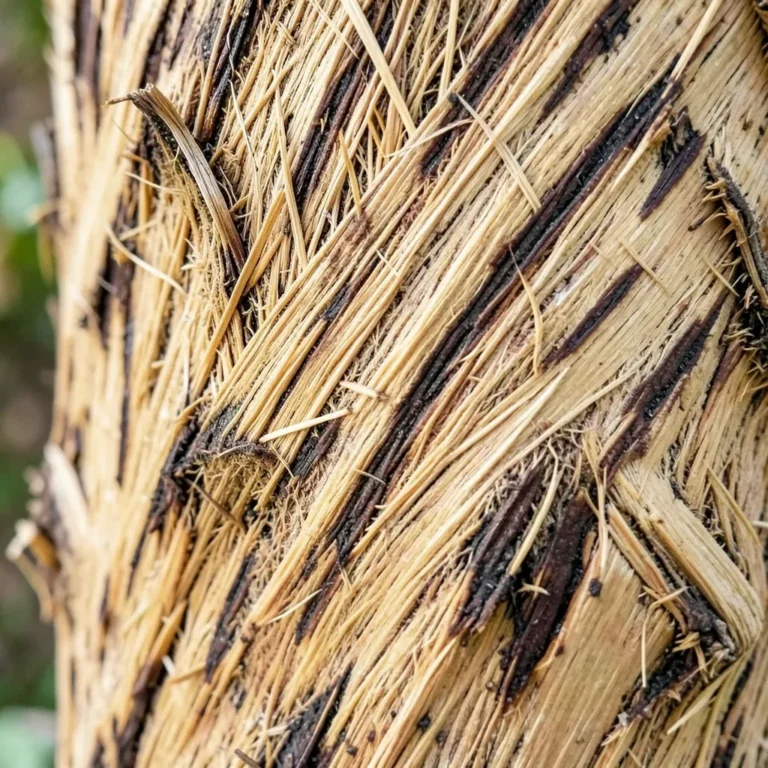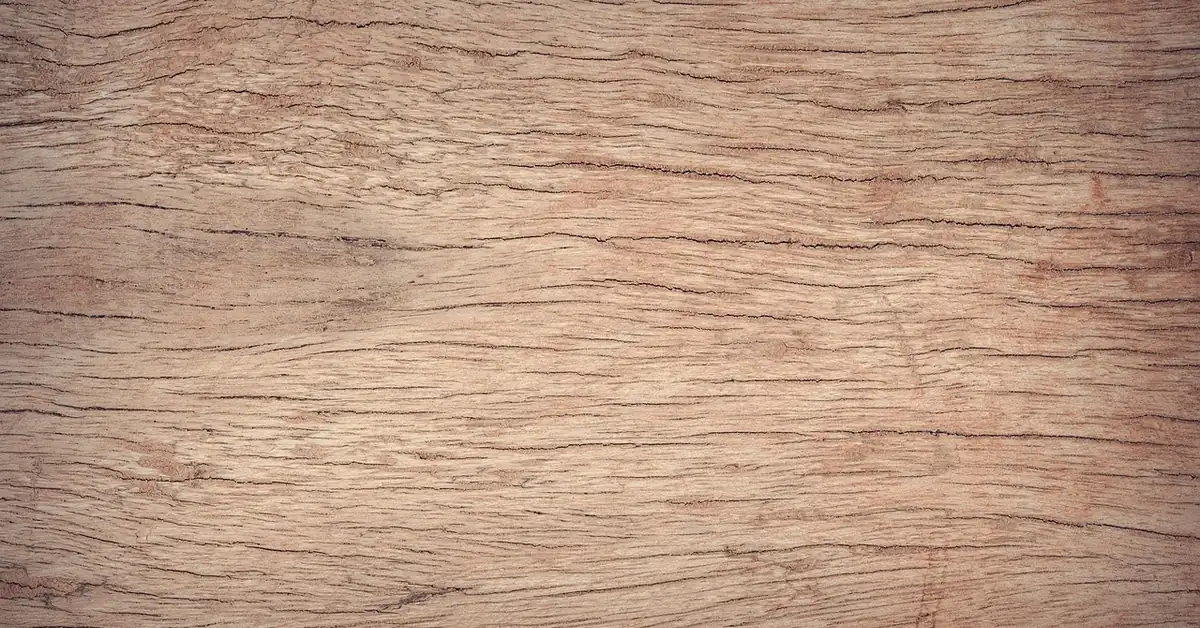
Is Apitong Wood Toxic? Silica Dust & Resin Risks Explained
Apitong wood (also sold as Keruing) is not toxic as a finished board, but its sawdust is an OSHA-regulated respiratory hazard and its resin can irritate sensitive skin. Ignoring dust control risks long-term harm; IARC classifies hardwood dust as a Group 1 human carcinogen tied to nasal cancer after repeated exposure. This guide covers what actually causes reactions, the OSHA exposure limits, and how to handle Apitong safely.
Is Apitong Wood Toxic as a Finished Board?
Apitong (species in the Dipterocarpus genus, also called Keruing) is a tropical hardwood that is not classified as toxic once it’s cured, sealed, and installed as flooring, decking, or furniture. The toxicity concern almost always traces back to raw dust from cutting or sanding — not the finished board sitting in a room.
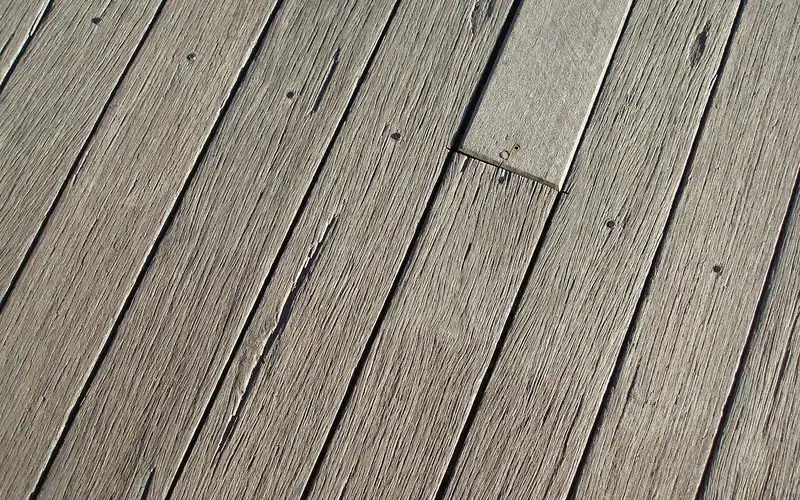
According to The Wood Database, Keruing contains natural silica deposits in its structure, and reported reactions are almost always skin irritation from handling — severe reactions are documented as uncommon. That’s a materially different risk profile than a wood genuinely toxic on contact.
Best Respirator Pick for Apitong Dust
 |
3M 8210 N95 Particulate Respirator (20-Pack) – $18.46 NIOSH-approved for at least 95% filtration against non-oil particles like the fine sawdust this guide’s OSHA data covers below — sized for exactly the sanding/cutting exposure that causes most Apitong reactions.
|
As an Amazon Associate we earn from qualifying purchases.
What Makes Apitong Wood Dust an Actual Hazard
Wood dust in general — not Apitong specifically — is what OSHA and IARC regulate, and the numbers are concrete enough to plan around instead of guessing.
📊 OSHA sets the permissible exposure limit for wood dust at 15 mg/m³ total dust and 5 mg/m³ respirable dust, averaged over an 8-hour shift. — Source: OSHA, Wood Dust Overview, 2026
📊 IARC classified wood dust as a Group 1 human carcinogen in 1995, linking sustained hardwood dust exposure to nasal and paranasal sinus adenocarcinoma, with a latency period of 20+ years between exposure and diagnosis. — Source: National Toxicology Program, Report on Carcinogens
“When a worker becomes sensitized to wood dust, he or she can suffer severe allergic reactions, such as asthma or dermatitis, after repeated exposure or exposure to lower concentrations of the dust.”
OSHA / CCOHS, Wood Dust guidance
That sensitization detail matters for Apitong specifically: a woodworker who’s cut it for years without issue can still develop a reaction later, since sensitivity builds with cumulative exposure rather than staying fixed at whatever the first cut felt like.
Skin Irritation and Resin Bleed
Beyond airborne dust, Apitong has a second, separate quirk: its resin ducts. The Wood Database notes that Apitong/Keruing’s resin can exude (“bleed”) through a finish even after the wood is sealed — this isn’t a toxicity issue, but it does mean direct, repeated skin contact with sap-heavy boards is more likely on this species than on a drier hardwood like maple.
- Wear nitrile or leather gloves when handling freshly milled or resin-heavy boards.
- Wash exposed skin with soap and water after handling — resin residue is the more common irritant, not the wood fiber itself.
- If you’re already sensitized to other tropical hardwoods (teak, rosewood, purpleheart), treat Apitong with the same caution — cross-reactivity between resinous species is documented. See our breakdown of Purple Heart’s own dust risks for comparison.
Why Apitong Wears Down Blades Faster (and Why That’s a Dust Issue Too)
Apitong carries natural silica deposits in its structure — typically under 0.5% of the wood’s dry weight, but enough to act like fine grit against a cutting edge. Standard steel blades dull moderately to severely on this species, and the effect gets worse the longer the wood has air-dried before milling.
This matters for safety, not just tool cost: a dulling blade needs more passes and more feed pressure to finish the same cut, which generates more heat and more fine airborne dust per board foot than a sharp one. Tungsten-carbide-tipped blades hold up far better against Apitong’s silica than standard steel, and a sharp carbide blade run at a steady feed rate is one of the simplest ways to cut down on the dust exposure this guide’s OSHA numbers are about.
How to Handle Apitong Wood Safely
- Use a sharp, carbide-tipped blade: Apitong’s silica content dulls standard steel blades quickly, and a dull blade means more passes, more heat, and more fine dust per cut.
- Cut and sand outdoors or with dust collection running: a shop vac with a HEPA filter attached directly to the tool captures dust before it becomes airborne, which does more than any respirator alone.
- Wear an N95 or better respirator for any indoor sanding: match the filtration level to OSHA’s respirable-dust limit above, not just “whatever mask is on hand.”
- Glove up for handling raw or resin-heavy stock: especially boards stored outdoors or recently milled, where resin bleed is most active.
- Ventilate the workspace: open a cross-breeze or run an exhaust fan even when using dust collection — fine particulate still escapes capture.
- Store finished lumber in a dry, covered space: keeps resin bleed and moisture-related warping down, extending how long a sealed finish actually holds.
Apitong vs. Common Non-Toxic Alternatives
If dust sensitivity or resin bleed is a dealbreaker for your project, here’s how Apitong compares to woods commonly recommended as lower-irritation substitutes:
| Wood | Janka Hardness | Known Irritant Risk | Best For |
|---|---|---|---|
| Apitong (Keruing) | 1,390 lbf | Silica dust, resin bleed, rare skin irritation | Flooring, decking, trailer beds |
| Hard Maple | 1,450 lbf | Low — occasional dust sensitivity only | Furniture, cabinetry, flooring |
| Eastern White Pine | 380 lbf | Low — resin can irritate in rare cases | Indoor furniture, trim, light-duty builds |
| Western Red Cedar | 350 lbf | Moderate — thujaplicins are a known sensitizer | Outdoor decking, siding, closets |
Apitong’s hardness is close to hard maple’s, which is why it’s used for trailer decks and heavy-traffic flooring rather than as a maple substitute for furniture — see our guide on treating and sealing a wood trailer deck if that’s your actual use case. Cedar is included above because it’s the most common “safer” recommendation online, but it isn’t dust-free either — it just trades silica/resin irritation for thujaplicin sensitivity.
Is Apitong Sustainably Sourced?
Apitong isn’t listed under CITES, so it isn’t subject to international trade restrictions. That doesn’t mean supply is unlimited: several Dipterocarpus species that get sold under the Apitong/Keruing name appear on the IUCN Red List as critically endangered, with populations down more than 80% in recent generations from habitat loss and overharvesting. Buying FSC-certified stock is the practical way to avoid contributing to that decline without giving up the species’ durability.
Frequently Asked Questions
Is Apitong wood safe for indoor furniture?
Yes, once it’s milled, sealed, and finished. The finished board isn’t a toxicity risk; the exposure that matters happens during cutting and sanding, not while it’s sitting in a room as a table or shelf.
Does Apitong wood have a strong odor?
Yes — it has a noticeable resinous scent while being actively cut or sanded, which fades substantially once the wood dries and is sealed. A strong ongoing odor from installed flooring or furniture usually means the resin hasn’t fully cured yet, not a defect in the wood itself.
Can Apitong wood cause allergic reactions?
Skin irritation from handling is documented but uncommon, and severe reactions are rare according to The Wood Database. Respiratory sensitization from inhaled dust is the more serious long-term risk and can develop after repeated exposure even in people who tolerated it fine at first.
Is Apitong wood environmentally friendly?
It can be, if you buy FSC-certified stock. Apitong isn’t CITES-restricted, but several Dipterocarpus species sold under this name are IUCN Red List critically endangered due to habitat loss, so sourcing matters more than for a common domestic species like pine.
What’s the difference between Apitong dust risk and a truly toxic wood?
A genuinely toxic wood (like some rosewoods) can cause reactions from the solid wood itself on contact. Apitong’s risk profile is closer to most hardwoods: the dust is the hazard OSHA regulates, not the cured board, which is why proper dust collection and a respirator address nearly all of the real risk.
Apitong is a durable, affordable hardwood that earns its reputation for decking and trailer beds — the “toxic” question really comes down to dust discipline, not the finished product. Wear a rated respirator when cutting or sanding, glove up for resin-heavy stock, run a sharp carbide-tipped blade, and buy FSC-certified lumber, and the real risks here are fully manageable for a weekend project or a full flooring job alike.
Sponsored / affiliate links. As an Amazon Associate I earn from qualifying purchases. I may earn additional commission from eligible campaigns.