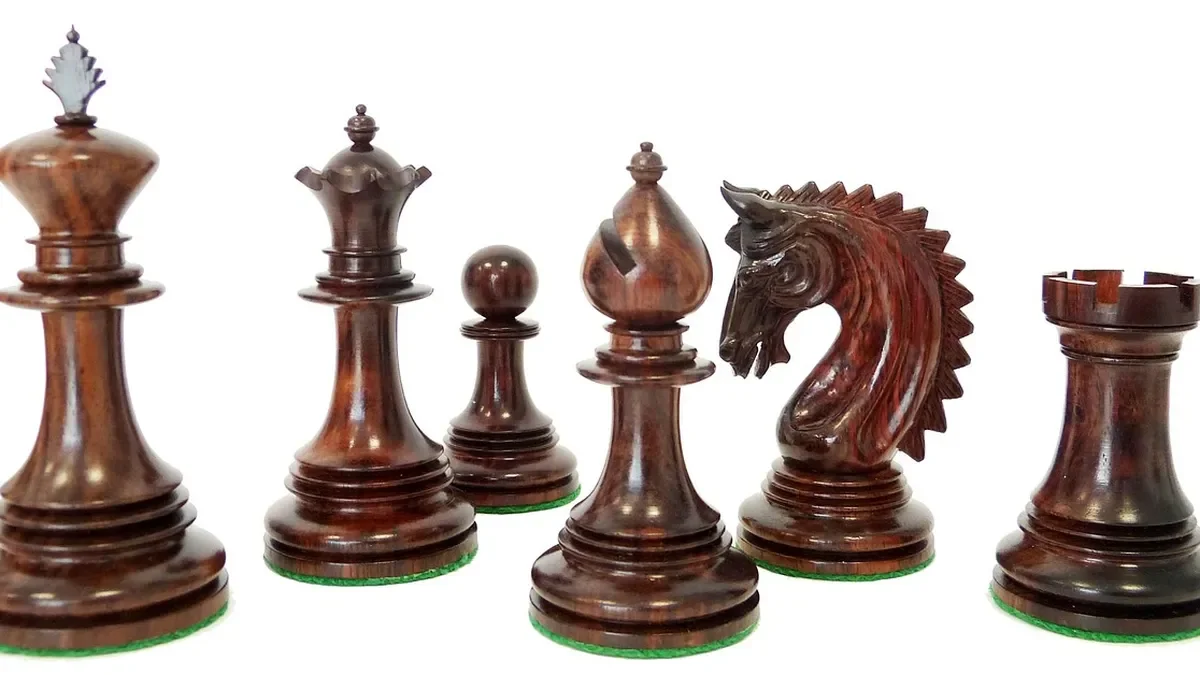
What Is Pink Wood? Pink Ivory Plus 3 Woods That Look Pink
Pink wood is not a single species. The true “pink wood” is pink ivory (Berchemia zeyheri), a rare, extremely dense hardwood from southern Africa, but several other woods, including cherry, Brazilian tulipwood and eastern red cedar, also show pink tones.
If you searched for pink wood, you probably want one of three things: the name of the exotic pink timber, a way to tell which real woods actually look pink, or an idea of whether you can buy and work it. Most pages answer only the first. This guide covers all three, with hardness numbers, price expectations and a warning most articles skip: pink tones in wood fade.
For the wider picture of how species differ, see our guide to types of wood.
Pink Ivory: The Wood Most People Mean
Best Red-Wood Sampler Pick
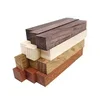 |
Exotic Wood Pen Blanks 12-Pack (Bloodwood, Mexican Ebony, Jatoba, Hard Maple), $17.49 Twelve 3/4 x 3/4 x 5 inch turning blanks, three each of four woods, a cheap way to see how red and brown hardwoods look and cut before you buy expensive stock.
|
Pink ivory comes from the tree Berchemia zeyheri, native to southern Africa, and the Wood Database lists trees of 100 to 130 feet with trunks 3 to 5 feet across. The heartwood ranges from pale brownish pink to a bright, almost neon pink to deep red, and it darkens toward reddish brown with age. Despite the name it has nothing to do with elephant ivory. Wikipedia notes that the tree was the royal tree of the Zulu people and that possession was once restricted to royalty.
- Hardness: 3,230 lbf on the Janka scale, more than three times as hard as black cherry.
- Density: about 65 lbs per cubic foot (1,035 kg per cubic meter) at 12 percent moisture content, denser than water.
- Working it: it has a pronounced blunting effect on cutting edges and is fairly difficult to work in board form, with tearout when planing. It turns and finishes well.
- Typical uses: carving, veneers, inlay, knife handles, billiard cues, chessmen and other turned objects.
- Availability: mostly small turning, carving and inlay pieces rather than large boards, and priced roughly on par with Gaboon ebony.
Because it dulls tools quickly, a carbide-tipped or freshly sharpened edge matters. It also gives off a distinct, somewhat unpleasant odor when worked, so wear a dust mask and use dust collection as you would with any dense exotic.
Woods That Look Pink (and Their Real Numbers)
Because “pink wood” is a color, not a species, other woods get described the same way. These are the four most commonly confused, with figures from the Wood Database.
| Wood | Pink tone | Janka hardness | Price and availability | Notes |
|---|---|---|---|---|
| Pink ivory (Berchemia zeyheri) | Pale pink to neon pink to deep red | 3,230 lbf | Very expensive, small pieces | Not CITES listed; tone can fade |
| Black cherry (Prunus serotina) | Light pinkish brown when freshly cut | 950 lbf | Mid to upper range for a domestic hardwood | Darkens to medium reddish brown with light |
| Brazilian tulipwood (Dalbergia decipularis) | Streaks of yellow, red, orange and pink | 2,500 lbf | Very expensive, seldom sold as boards | CITES Appendix II (genus-wide Dalbergia) |
| Eastern red cedar (Juniperus virginiana) | Reddish or violet-brown, pink-red tones | 900 lbf | Small knotty boards at a modest price | Tones fade in sunlight; botanically a juniper |
The range is wide: pink ivory is more than three times as hard as cherry and about 3.6 times as hard as eastern red cedar. That difference decides how each wood behaves at the bench, which is the point most color guides miss: color does not tell you how a wood will work.
The Myth: Pink Wood Stays Pink
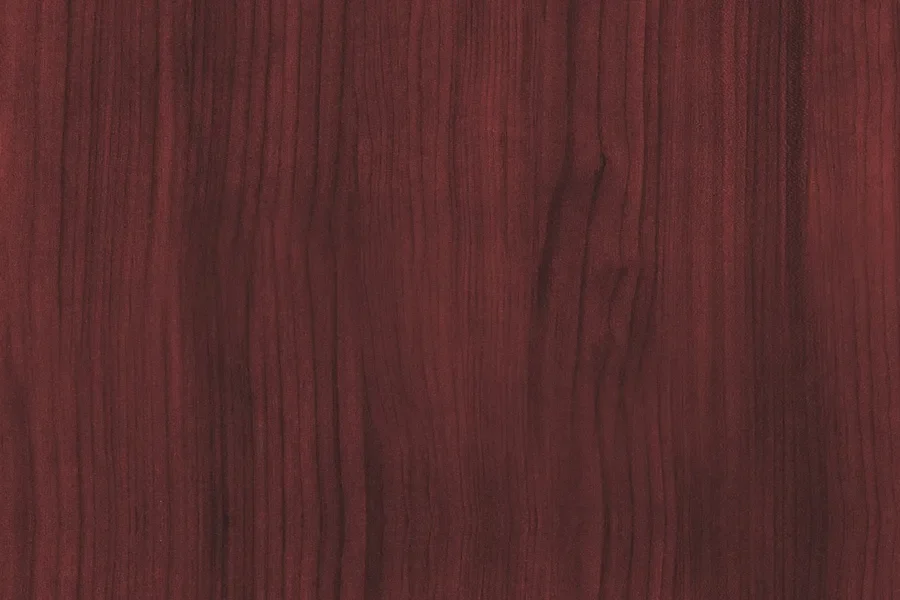
The most useful thing to know before buying is that pink is often the least stable color in wood. The Wood Database says color changes in pink ivory, meaning fading or dulling over time, can be problematic and are not fully understood. Cherry moves the other way: it starts light pinkish brown and darkens to a medium reddish brown as it ages and is exposed to light. Eastern red cedar loses its pink-red tones fairly quickly in sunlight, shifting toward amber or gray.
In practice, treat the color you see on a fresh cut as a starting point. Keep finished pieces out of direct sun where you can, and check a sample piece in the light where the project will live. For a comparison of two popular red-brown woods side by side, see mahogany vs cherry wood color, and for a species that shows pink hues in a lighter wood, see what color beech wood is.
Which Pink Wood Fits Which Project
Matching the wood to the job matters more than chasing the pinkest color. Using the figures above, here is how the four woods line up with common projects.
- Pens, knife handles and small turned pieces: pink ivory suits these, since it is sold as small stock and turns and finishes well. Expect to pay a premium and to sharpen often.
- Furniture and cabinets: black cherry is the practical choice. It is described as one of the best all-around woods for workability, and it gives the pinkish start that deepens to reddish brown. Staining can turn blotchy, so the Wood Database recommends a sanding sealer or gel stain.
- Decorative inlay and marquetry: tulipwood offers streaks of pink, red and orange in a hard wood, but you will mostly find it as small stock and you must handle its CITES status.
- Closet linings and small boxes: eastern red cedar is easy to work and inexpensive in small boards, but its pink-red tones fade in light and its high silica content dulls cutters.
If your goal is simply a pink look on a large project, none of these will give you a stable pink board. Pick a wood for its properties, and treat pink as a bonus that changes with time.
Buying and Working Pink Wood
- Ask for the species by Latin name. A listing that says only “pink wood” or “rosewood” could be anything. Look for Berchemia zeyheri if you want pink ivory.
- Check CITES for Dalbergia. Brazilian tulipwood falls under the genus-wide Dalbergia listing, which the Wood Database says includes finished products. Pink ivory is not listed, but confirm current rules where you live before importing anything.
- Plan for small stock. Pink ivory is mostly sold as turning and carving blanks, so design around pieces like pen blanks, knife scales and inlay.
- Expect glue trouble with oily woods. Tulipwood is noted for natural oils that make gluing difficult. See our guide to gluing oily woods.
- Practice on something cheaper. A sampler of red and brown blanks lets you test your tools and finish first. Our guide to the best woods for turning covers what else to try.
Is Pink Wood Sustainable?
It depends on the species, and generalizing is a mistake. The Wood Database says pink ivory is not listed in the CITES Appendices or on the IUCN Red List, while also calling the trees both rare and valuable. Wikipedia reports that in South Africa the tree is felled only by very limited permit. Cherry and eastern red cedar are common North American woods, while tulipwood sits under genus-wide CITES rules. If sourcing matters to you, buy from a dealer who can name the species, origin and paperwork. This section reflects published references only, not independent testing of harvest practices.
Frequently Asked Questions
What is pink wood?
Pink wood is not one species. The name is used for pink ivory (Berchemia zeyheri), a very dense African hardwood with pink to red heartwood, and loosely for other woods that show pink tones, such as freshly cut cherry, Brazilian tulipwood and eastern red cedar.
Is pink ivory wood real ivory?
No. Pink ivory is a tree from southern Africa. The name refers to its color and its density, and it has nothing to do with elephant ivory.
Is pink ivory endangered or CITES listed?
The Wood Database states that pink ivory is not listed in the CITES Appendices or on the IUCN Red List. It is still scarce and expensive, and in South Africa it is reported to be felled only under a limited permit.
Does pink wood stay pink?
Often not. Pink ivory can fade or dull over time and darkens toward reddish brown, cherry darkens from light pinkish brown to reddish brown with light, and eastern red cedar loses its pink-red tones in sunlight.
How much does pink ivory wood cost?
The Wood Database describes it as typically very expensive, usually on par with Gaboon ebony, and mostly sold as small turning, carving and inlay stock rather than boards.
Conclusion
Pink wood most often means pink ivory, a hard, scarce and expensive African timber best suited to turning, carving and inlay, but the label is loose. Pick the species by name, expect pink tones to change, and check the hardness before you buy, because a pink cherry board and a pink ivory blank could not be more different to work.
Sponsored / affiliate links. As an Amazon Associate I earn from qualifying purchases. I may earn additional commission from eligible campaigns.