
Is Applewood a Hardwood? Unveiling the Truth
Applewood is considered a hardwood. It comes from apple trees, which are deciduous and known for their dense wood.
Applewood stands out for its rich color and unique grain patterns. Often used in furniture making and cabinetry, it offers both aesthetic appeal and durability. The wood’s natural resistance to decay makes it ideal for various applications, including smoking meats.
Craftsmen appreciate applewood for its workability and ability to take stains and finishes well. Its warm tones can enhance the beauty of any project. Understanding the properties of applewood can help you make informed choices for your woodworking or home improvement projects. This versatile hardwood combines functionality with an attractive appearance, making it a favorite among woodworkers and DIY enthusiasts alike.
Introduction To Applewood
Applewood is known for its unique beauty and strength. It comes from the apple tree, which is a deciduous tree. This wood is considered a hardwood because it is dense and durable.
The grain of Applewood is often straight with a fine texture. It has a warm, rich color that can vary from light to dark brown. This wood also has a pleasant aroma when cut.
| Common Uses | Description |
|---|---|
| Furniture | Used for making beautiful tables and chairs. |
| Cabinetry | Perfect for crafting kitchen cabinets and storage. |
| Smoking | Popular choice for flavoring meats in barbecues. |
Hardwood Vs Softwood
Applewood is often classified as a hardwood. It comes from the apple tree, which is a deciduous tree. Deciduous trees lose their leaves in the fall. This classification makes applewood different from softwoods, which come from coniferous trees.
Botanically, hardwoods have broad leaves and reproduce using flowers and seeds. Softwoods usually have needle-like leaves and cones. Applewood fits well into the hardwood category due to its structure.
In terms of physical properties, hardwoods tend to be denser and stronger. They often resist wear and tear better than softwoods. Applewood is known for its beautiful grain and rich color.
The Science Behind Wood Hardness
Wood hardness is measured using the Janka Hardness Scale. This scale tests how well wood resists denting. Different woods have different hardness levels. For example, oak is harder than pine. Applewood is considered a medium-hardwood.
Factors affecting wood hardness include species, moisture content, and age. The wood species determines its natural strength. Moisture content can make wood softer or harder. Older trees often produce denser wood, enhancing hardness.
| Wood Type | Janka Hardness Rating |
|---|---|
| Applewood | 1,000 lbf |
| Oak | 1,300 lbf |
| Pine | 600 lbf |
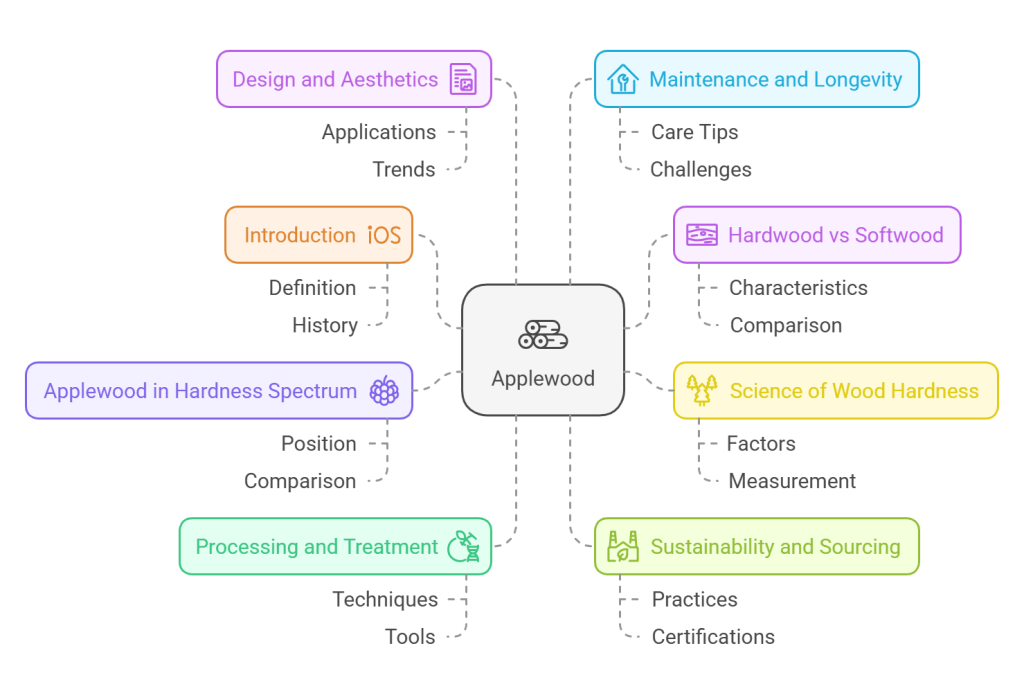
Applewood In The Hardness Spectrum
Applewood is considered a hardwood. It comes from apple trees, which are deciduous. In the hardness spectrum, Applewood ranks well among various woods. It is stronger than some softwoods but softer than many hardwoods.
Here’s a comparative analysis of Applewood with other woods:
| Wood Type | Hardness Rating |
|---|---|
| Applewood | 1,200 lbf |
| Oak | 1,300 lbf |
| Pine | 600 lbf |
| Maple | 1,450 lbf |
The hardness of Applewood impacts its practical uses. It is great for furniture, cabinets, and small projects. Its durability allows it to withstand daily wear. Crafting with Applewood can create beautiful, lasting items.
Processing And Treatment Of Applewood
The seasoning process for Applewood is important for its quality. This process removes moisture from the wood. Proper seasoning helps prevent warping and cracking. It usually takes several months to complete. Controlled drying makes the wood more durable.
Durability and hardness are key features of Applewood. Seasoned Applewood is known for its strength. This wood resists wear and tear well. It can withstand various weather conditions. The hardness makes it ideal for furniture and flooring.
Sustainability And Sourcing
Applewood is not classified as hardwood. It comes from the apple tree, which is a fruit tree. Many people use Applewood for smoking meats and cooking. This wood is known for its sweet flavor. It is popular among chefs and grillers.
Sustainability is vital when sourcing Applewood. Responsible harvesting protects the environment. Ethical sourcing practices ensure trees are not over-cut. This helps maintain healthy ecosystems. Consumers should always look for products from sustainable sources. Doing so supports the environment and local communities.
| Practice | Description |
|---|---|
| Responsible Harvesting | Only cutting a few trees, not entire forests. |
| Replanting | Planting new trees to replace those cut down. |
| Certification | Choosing wood certified by environmental organizations. |
Applewood In Design And Aesthetics
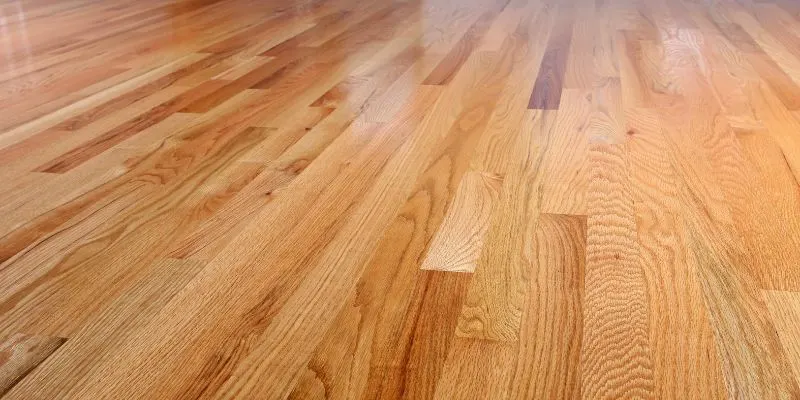
Applewood is known for its beautiful, rich color and unique grain patterns. It adds a warm touch to any design. Many people choose applewood for its natural beauty. This wood can brighten up a room or project.
This wood is very versatile. It works well for furniture, cabinetry, and flooring. Applewood’s soft tones blend with many styles. Whether modern or traditional, it fits nicely.
In addition, applewood is great for creating a cozy atmosphere. Its visual appeal makes spaces feel inviting. Designers often use applewood to make a statement.
Maintenance And Longevity
Applewood is a unique choice for furniture and flooring. Regular care keeps it looking great. Dusting with a soft cloth prevents dirt buildup. Use a damp cloth for spills to avoid stains.
To protect the wood, apply a suitable finish. This can enhance its natural beauty. Avoid harsh chemicals that can damage the surface. Instead, use mild soap for cleaning.
For long-term performance, maintain stable humidity levels. Too much moisture can warp the wood. A dehumidifier can help in humid climates.
Sunlight can fade the color of Applewood. Use curtains or blinds to protect it. Rotate furniture occasionally to ensure even wear.
Frequently Asked Questions
Is Applewood Considered A Hardwood?
Yes, applewood is classified as a hardwood. It comes from apple trees, which are deciduous. Hardwoods typically have a denser composition and are known for their durability. Applewood is often used in furniture and smoking meats, prized for its rich color and unique flavor.
What Are The Benefits Of Using Applewood?
Applewood offers several benefits. It is durable, making it ideal for furniture and cabinetry. Its attractive grain adds aesthetic appeal. Additionally, it imparts a mild, sweet flavor when used for smoking foods. This versatility makes applewood a popular choice among woodworkers and chefs alike.
How Does Applewood Compare To Other Hardwoods?
Applewood is unique compared to other hardwoods. It is generally less dense than oak or maple but denser than softwoods like pine. Its workability is excellent, making it easy to carve and shape. The distinct flavor it adds in culinary uses sets it apart as well.
Is Applewood Sustainable?
Yes, applewood is considered sustainable. Apple trees are often pruned or removed after their fruit-bearing years. This practice allows for new growth and helps maintain ecological balance. Additionally, responsible sourcing ensures that applewood is harvested without depleting forests.
Conclusion
Applewood is indeed a hardwood, known for its durability and beautiful grain. This wood is popular for furniture and cabinetry. Its unique characteristics make it a great choice for various projects. Understanding its qualities can help you make informed decisions.
Choose Applewood for your next woodworking venture and enjoy its timeless appeal.