Is Douglas Fir Good for Outdoor Use? Only With Regular Sealing
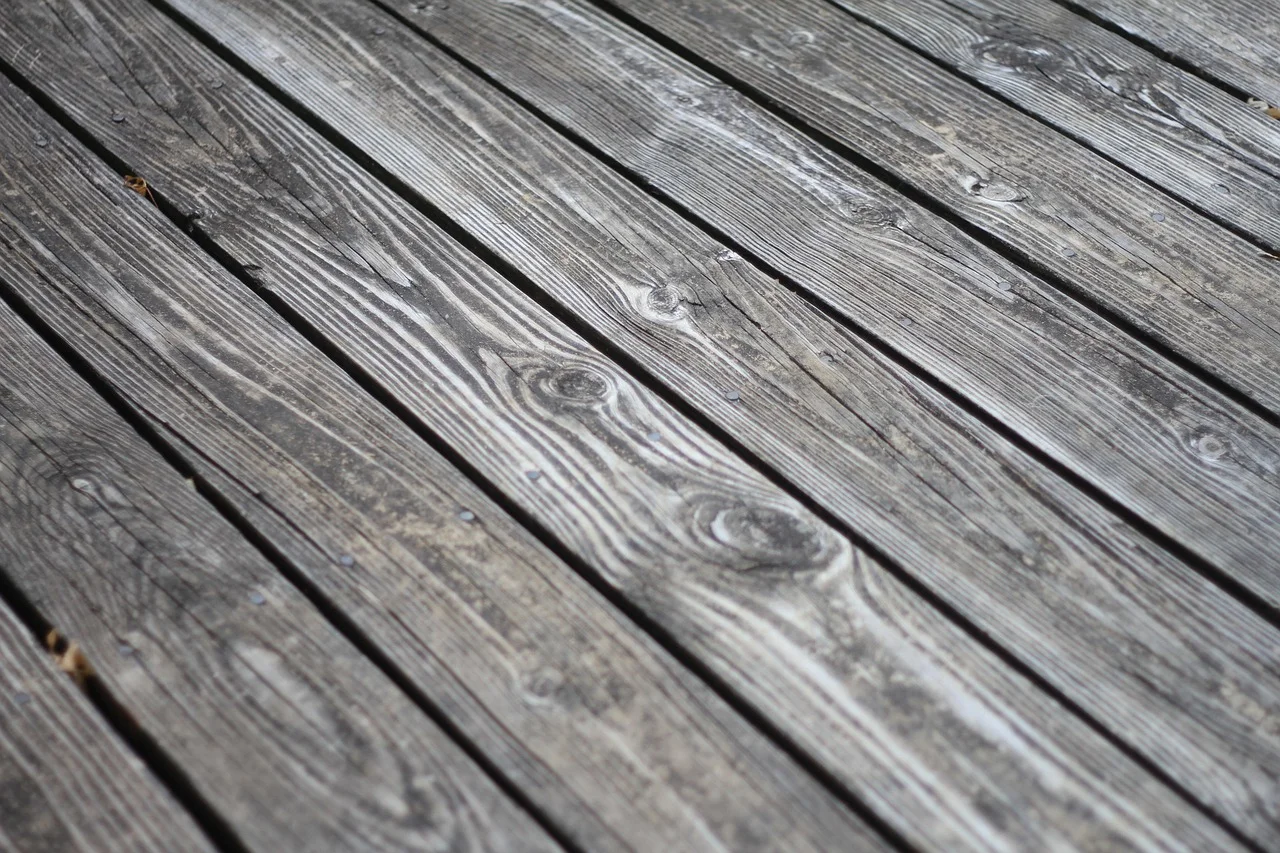
Douglas fir is good for outdoor use, but only with regular sealing. Its heartwood is genuinely moderately decay-resistant, not the maintenance-free rot-proof wood some sellers imply. Left unsealed, a Doug fir deck or fence can show real rot within a few seasons in a wet climate; sealed and re-coated on schedule, the same lumber can last 30+ years.
That distinction matters because Doug fir gets marketed next to cedar and redwood as if the three woods were interchangeable outdoors. They aren’t. Here’s what the actual decay-resistance rating means for a real outdoor project, where Doug fir genuinely earns its reputation, and where it doesn’t.
The Real Answer: Moderately Decay-Resistant, Not Rot-Proof
The USDA Forest Products Laboratory rates Douglas fir heartwood as Class III, “moderately resistant” to decay — a middle tier, not the top one. Western red cedar and redwood heartwood both rate a tier higher (Class II, “resistant to very resistant”) because their natural oils actively fight fungal decay. Doug fir’s resistance comes from a lower concentration of similar extractives, so it holds up reasonably well but genuinely isn’t in the same class.
In practice: untreated Doug fir in full weather exposure typically lasts somewhere between a couple of years and about 15, depending on climate and how much standing water the wood sees. With a quality exterior sealant applied at installation and reapplied roughly every two to three years, that same wood routinely passes 30 years of service. The wood isn’t the variable — the maintenance schedule is.
Best Sealer For Exposed Doug Fir
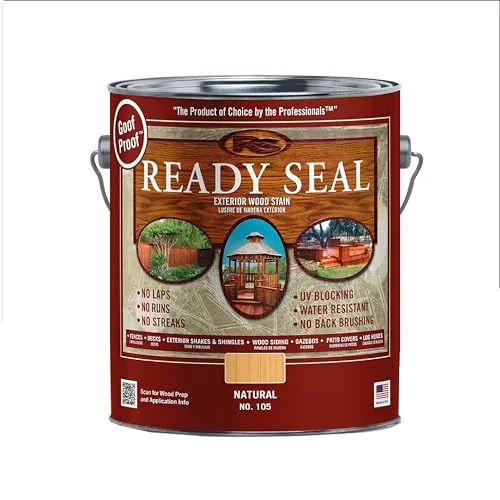 |
Ready Seal Exterior Wood Stain & Sealer, Natural Light Oak – $40.98 A penetrating oil sealer specifically recommended for Douglas fir — it soaks into the grain instead of sitting on top, which matters on a wood with only moderate natural resistance to begin with.
|
Heartwood vs. Sapwood: The Part Most Guides Skip
The Class III rating above applies to heartwood only. Doug fir sapwood — the pale outer rings of the log — has almost no natural decay resistance at all. A board cut mostly from sapwood can start showing soft, punky rot in a single wet season even though “Doug fir” on the label implies the heartwood numbers. When you’re picking boards for an outdoor project, look for the darker, denser wood toward the center of the growth rings; that’s the heartwood doing the actual work. For the specifics on how that Class III number was measured and what it means long-term, we cover it in more depth in our full breakdown of Douglas fir’s rot resistance.
Where Doug Fir Actually Earns Its Reputation Outdoors
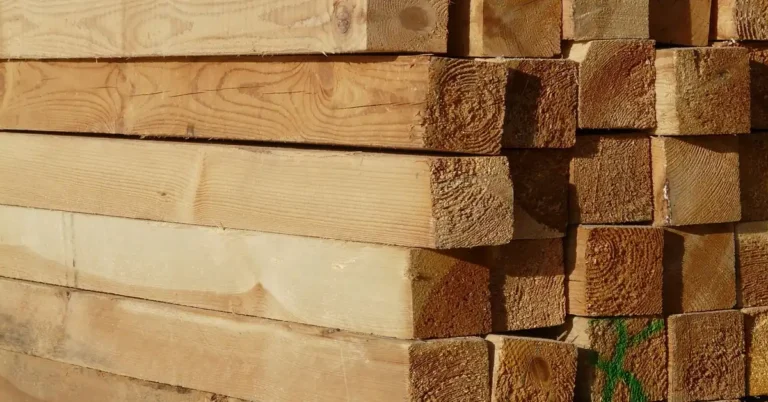
Doug fir’s real outdoor strength isn’t decay resistance — it’s strength-to-weight ratio. That’s why it’s the preferred structural lumber for exposed timber-frame construction across the Pacific Northwest: posts, beams, and roof framing that are covered or only partially exposed (a porch roof, a pergola’s main beams) get the load-bearing performance of a much heavier wood at a fraction of the weight, and a coat of sealant handles the moderate decay risk since the wood isn’t sitting in standing water.
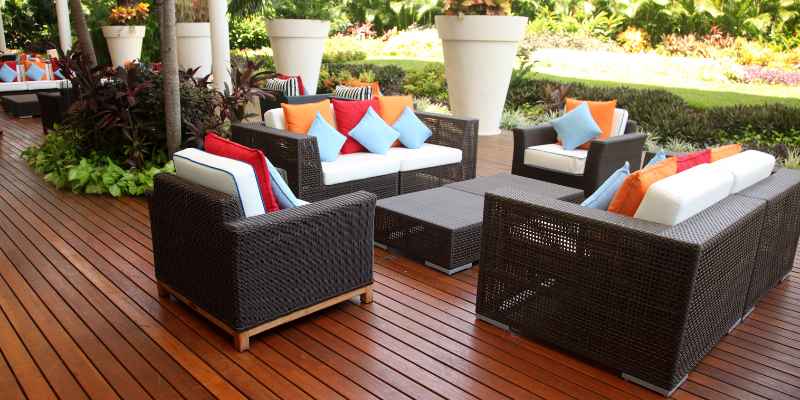
Decking is a legitimate but secondary use — cedar and pressure-treated lumber are more common choices for deck boards specifically, but rough-sawn Doug fir decking shows up often enough in the Pacific Northwest, usually sealed and maintained on the tighter 12-18 month schedule rather than assumed to shrug off weather on its own. Fencing, exterior trim, and siding are also solid fits, again assuming a real maintenance routine.
Where It Doesn’t: Ground Contact
Anywhere Doug fir would touch soil or sit in standing water — fence posts set directly in the ground, deck footings, a ledger board at grade — calls for pressure-treated lumber rated for ground contact, not bare Doug fir, sealed or not. Moderate decay resistance is not the same as ground-contact durability; the moisture load at grade overwhelms what the wood’s natural extractives can handle, sealant included. This is the single most common mistake in Doug fir outdoor projects: using it correctly above grade, then running the same boards straight into the dirt for posts.
A common compromise on timber-frame porches and pergolas: run pressure-treated posts from the footing up to a few inches above grade, then transition to Doug fir for everything above that point. You get code-compliant ground protection where it’s actually needed and the lighter, stronger, better-looking Doug fir everywhere the moisture load is manageable.

Buying Doug Fir for an Outdoor Project
Since the Class III rating applies to heartwood, not the species as a whole, the board you actually pick up at the yard matters more than the species name on the sign. A few things worth checking before you buy:
- Look at the growth rings, not just the color. Heartwood is the denser, often slightly darker wood toward the center of the log’s rings; wide pale margins at the edges are sapwood and won’t hold up the same way.
- Kiln-dried (KD) over green lumber for anything you’re sealing right away. Green Doug fir shrinks noticeably as it dries, which can crack a fresh coat of sealant within a season.
- Check the grade stamp. Structural grades (like Select Structural or No. 1) matter for load-bearing beams and posts; a lower appearance grade is fine for trim or fencing where strength isn’t the concern.
- Straight boards, minimal knots, no visible checking. A board that’s already splitting at the yard will only get worse outdoors.
Sealing and Maintenance Schedule
A penetrating oil sealant (like the Ready Seal pick above) or a quality semi-transparent stain both work — the point is coverage, not brand. Apply to clean, dry wood, get full coverage on end grain (the most vulnerable spot for moisture uptake), and let it cure before the wood sees rain. For step-by-step application details, see our full guide to treating Douglas fir for outdoor use.
- Full sun / high UV exposure: recoat every 12-18 months
- Partial shade or covered (porch roof, pergola beams): recoat every 2-3 years
- Every inspection: check fastener heads and end grain first — that’s where rot starts
- Any soft or punky spot: address it immediately rather than sealing over active decay
Doug Fir vs. Cedar vs. Redwood vs. Pressure-Treated
For a full side-by-side on strength, cost, and appearance, see our Douglas fir vs. cedar comparison. The short version: cedar and redwood heartwood decay-resist a tier better than Doug fir and need less-frequent sealing, but cost more and are softer. Pressure-treated lumber beats all three for ground contact and wet locations because the treatment, not the species, does the decay-resisting. Doug fir wins on strength-to-weight for structural spans and on cost versus cedar/redwood — it’s a strength-and-budget pick, not a low-maintenance pick.
That strength-to-weight number is worth putting in perspective: on the Janka hardness scale, Doug fir tests roughly twice as hard as western red cedar, which is exactly why it’s the default choice for load-bearing beams and posts on a timber-frame structure while cedar gets used for the decking, siding, and trim around it. A lot of well-built outdoor structures actually mix species deliberately — Doug fir doing the structural work, cedar or redwood handling the surfaces that need to shrug off weather with the least maintenance.
Frequently Asked Questions
Is Doug Fir Good for Outdoor Use Without Sealing It First?
No. Unsealed Doug fir in full weather exposure typically lasts only a couple of years to about 15 depending on climate, and sapwood-heavy boards can rot within a single wet season. The wood’s moderate natural decay resistance assumes reasonable protection, not bare exposure.
Is Doug Fir as Rot-Resistant as Cedar?
No. Cedar heartwood rates Class II (resistant to very resistant) against decay; Doug fir heartwood rates Class III (moderately resistant), one tier lower. Cedar’s natural oils give it a real, measurable edge for low-maintenance outdoor use, though Doug fir is stronger and typically less expensive.
Can I Use Doug Fir for Fence Posts Set in the Ground?
Not recommended. Ground contact exposes wood to constant moisture that overwhelms Doug fir’s moderate natural resistance regardless of sealant. Use pressure-treated lumber rated for ground contact for anything going into soil or concrete, and save Doug fir for the above-grade framing, rails, and boards.
Sponsored / affiliate links. As an Amazon Associate I earn from qualifying purchases. I may earn additional commission from eligible campaigns.