Is Engineered Hardwood Flooring Good: Expert Insights & Benefits
Are you thinking about upgrading your floors and wondering if engineered hardwood flooring is the right choice for your home? You want something that looks beautiful, lasts long, and fits your lifestyle.
But with so many flooring options out there, it’s hard to know which one truly delivers. This article will help you understand what engineered hardwood flooring is, its benefits, and whether it’s a smart investment for your space. By the end, you’ll have a clear idea if this flooring option matches your needs and style.
Keep reading to discover if engineered hardwood flooring is good for you.
What Is Engineered Hardwood
Engineered hardwood is a popular flooring choice in many homes. It offers the beauty of real wood with added strength and stability. This type of flooring suits different rooms and climates well. It is a smart alternative to traditional solid hardwood floors.
Construction And Materials
Engineered hardwood consists of several layers of wood. The top layer is a thin slice of real hardwood. This layer gives the floor its natural wood look. Below the top, multiple layers of plywood or high-density fiberboard are stacked. These layers are glued together with grains running in different directions. This structure makes the floor strong and less likely to warp or swell.
The layers help the floor resist changes in temperature and moisture. This makes engineered hardwood a good choice for basements and kitchens. The top hardwood layer can be sanded and refinished a few times. This extends the floor’s life and keeps it looking new.
How It Differs From Solid Hardwood
Solid hardwood is made from one solid piece of wood. It is thicker than engineered hardwood. Solid wood can expand and contract more with moisture changes. This can cause gaps or cracks over time. Engineered hardwood handles moisture better due to its layered design. It is less likely to warp or cup.
Installation also differs. Engineered hardwood can be glued, nailed, or floated over many surfaces. Solid hardwood usually requires nailing to a wooden subfloor. Engineered hardwood is often easier and faster to install. It fits well in places where solid wood cannot be used easily.
Advantages Of Engineered Hardwood
Engineered hardwood flooring offers many benefits that make it a popular choice. It combines beauty with practical features that suit various homes. This type of flooring adapts well to different environments. Many homeowners find it a smart option for their spaces.
Durability And Stability
Engineered hardwood is made with layers of wood pressed together. This design makes it stronger than solid hardwood. It resists warping and swelling from moisture better. It holds up well in places with changing temperatures. This stability means it lasts longer and stays beautiful.
Ease Of Installation
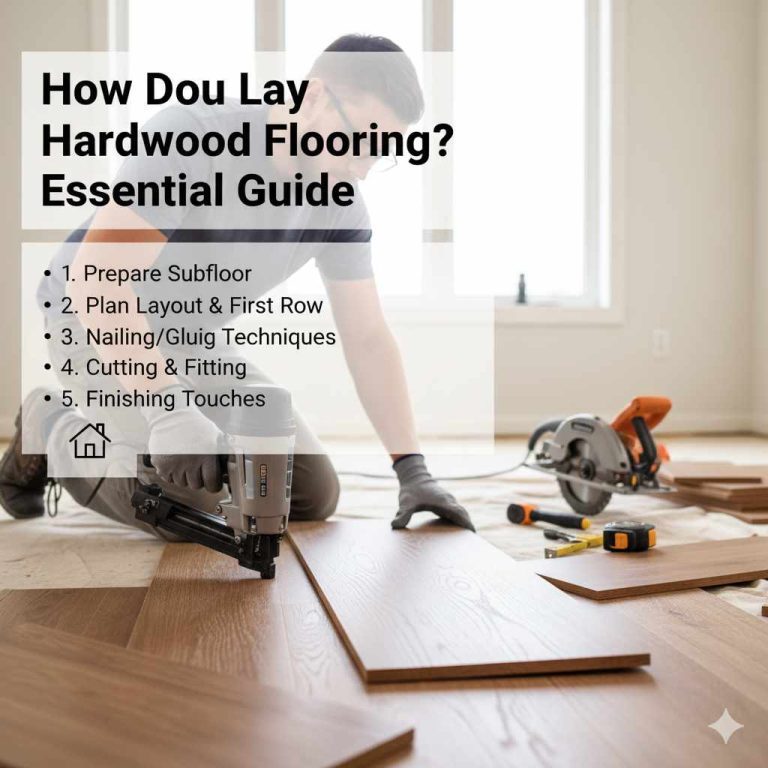
Installing engineered hardwood is simpler than other wood floors. It often comes in click-lock planks that fit tightly without nails. This saves time and effort during setup. It can be placed over many surfaces, like concrete or old floors. This makes it a flexible choice for home improvement.
Cost-effectiveness
Engineered hardwood tends to cost less than solid hardwood floors. It uses less expensive wood layers beneath the surface. This lowers the price without losing the wood’s natural look. Its long lifespan also means fewer repairs or replacements. This balance makes it a budget-friendly option.
Aesthetic Appeal
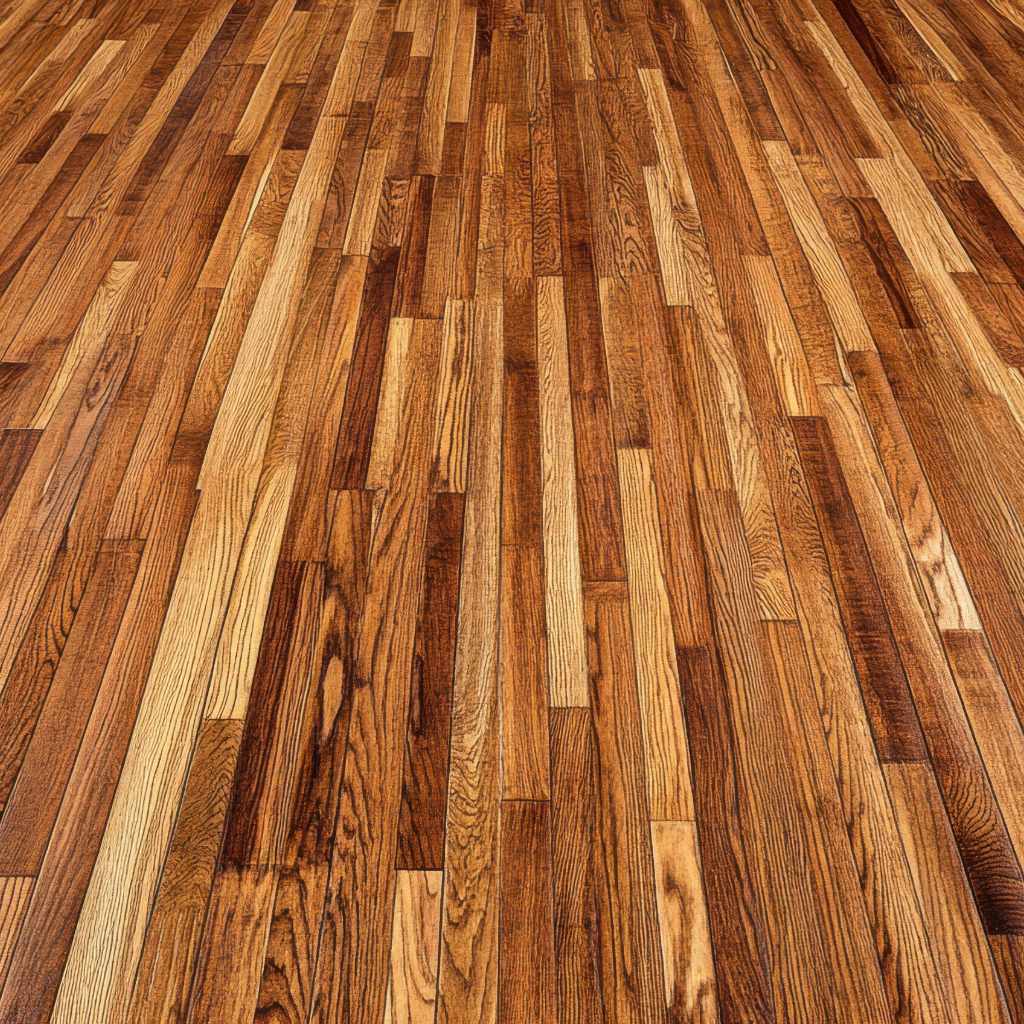
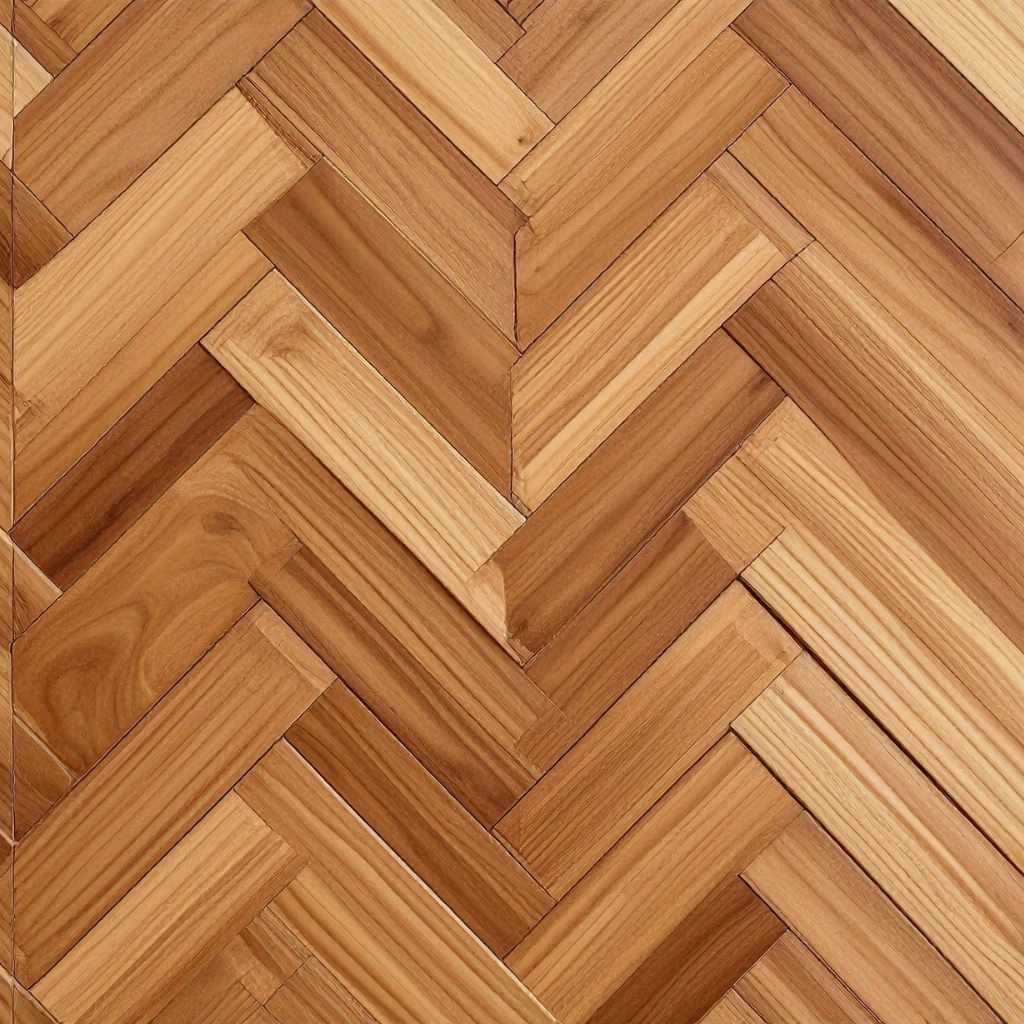
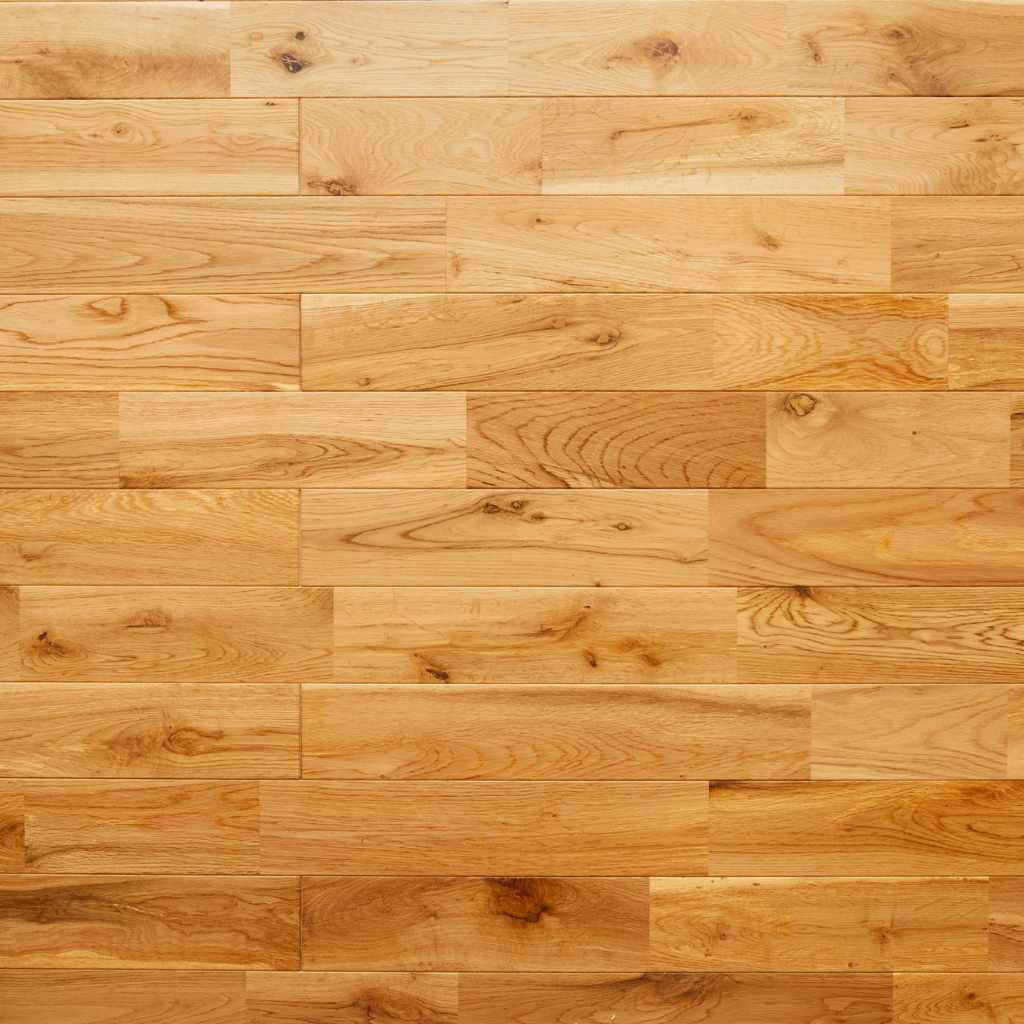
The top layer of engineered hardwood is real wood. It shows natural grain and texture, just like solid wood floors. It comes in many styles, colors, and finishes to suit any decor. This allows homeowners to create warm, inviting spaces. The floor adds charm and value to a home.
Common Uses And Ideal Spaces
Engineered hardwood flooring fits many home spaces. It offers beauty and strength. Its layered design makes it stable and easy to install. Many people choose it for areas where solid wood might not work well. This flooring balances style with durability.
Best Rooms For Installation
Engineered hardwood works well in living rooms and bedrooms. It adds warmth and charm to these spaces. Kitchens and dining areas also benefit from it. The top wood layer resists daily wear. It handles foot traffic better than some floors. Basements with proper moisture control can use it too. It stands up to occasional dampness without warping.
Suitability For Different Climates
This flooring suits many climate types. Its layered build prevents expansion and contraction. Hot and humid areas cause less damage to it. Cold climates also benefit since it stays stable. Engineered hardwood adapts to changes in temperature. It performs better than solid wood in tricky weather. This makes it a smart choice for diverse regions.
Maintenance And Longevity
Engineered hardwood flooring offers a balance of beauty and durability. Knowing how to care for it helps keep floors looking fresh. Proper maintenance extends the life of your flooring. Small efforts protect your investment and save money over time.
Cleaning Tips
Use a soft broom or vacuum with a hardwood setting. Avoid wet mops or harsh cleaners that can damage the surface. Wipe spills quickly with a dry cloth to prevent stains. Choose cleaners made for engineered hardwood floors only. Regular cleaning keeps dust and dirt from scratching the wood.
Refinishing Possibilities
Engineered hardwood can be refinished but not as often as solid wood. The top wood layer is thinner, limiting how many times it can be sanded. Light scratches may be fixed with a touch-up kit. Deep damage might require professional refinishing or replacement of planks. Proper care reduces the need for refinishing.
Expected Lifespan
Engineered hardwood floors often last 20 to 30 years. Quality and installation affect how long floors stay in good shape. Avoid excess water and heavy impacts to protect the wood. Regular cleaning and occasional refinishing increase lifespan. Well-maintained floors maintain their charm for decades.
Potential Drawbacks
Engineered hardwood flooring offers many benefits, but it is not without drawbacks. Understanding these can help you decide if it fits your needs. This section covers some key potential downsides.
Limitations Compared To Solid Hardwood
Engineered hardwood has a thinner top layer than solid wood. This limits how many times it can be sanded or refinished. It may not last as long as solid hardwood in high-traffic areas. Some styles may lack the authentic feel of solid wood floors.
Susceptibility To Moisture
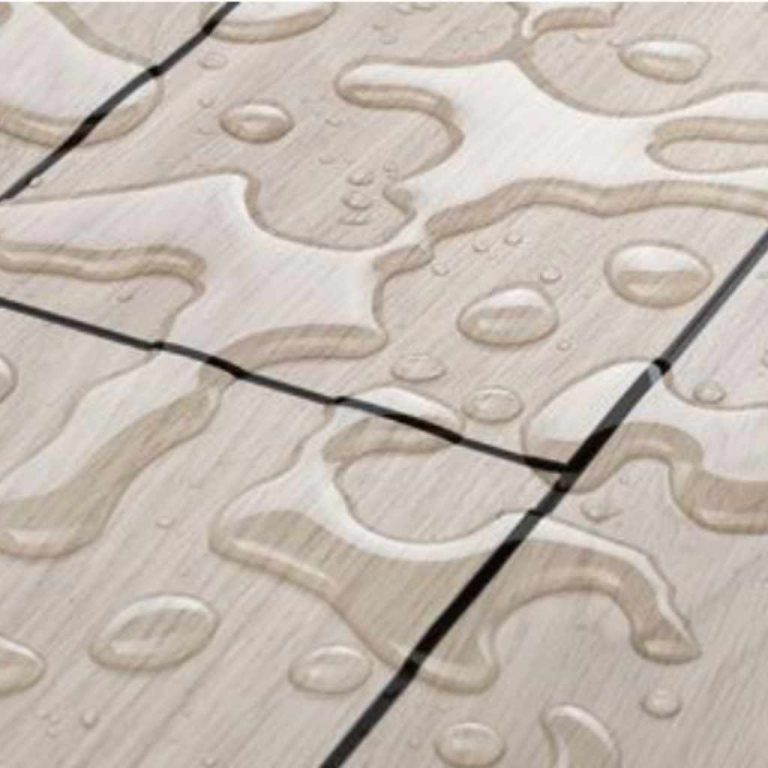
Engineered hardwood handles moisture better than solid wood. Still, it can warp or swell if exposed to too much water. It is not ideal for bathrooms or basements with high humidity. Proper installation and maintenance are necessary to prevent damage.
Environmental Considerations
Making engineered hardwood involves adhesives and chemicals. These may release volatile organic compounds (VOCs) into the air. Some products use wood from unsustainable sources. Look for certifications to ensure eco-friendly choices.
Expert Recommendations
Experts give clear advice on choosing and using engineered hardwood flooring. Their tips help homeowners pick the best option and install it properly. Following their guidance ensures lasting beauty and performance.
Choosing Quality Products
Buy engineered hardwood with a thick veneer layer. This layer affects how long the floor lasts. Look for wood from trusted brands and check for certifications. Avoid products with thin veneers or weak cores. Quality materials resist dents and scratches better.
Installation Best Practices
Prepare the subfloor before installation. It should be clean, dry, and flat. Use proper underlayment to reduce noise and moisture. Follow the manufacturer’s instructions closely. Leave space for wood expansion to prevent buckling. Professional installation often ensures better results.
When To Opt For Engineered Hardwood
Choose engineered hardwood in places with moisture or temperature changes. It works well over concrete or radiant heating. It suits rooms where solid wood might warp. This flooring fits well in basements and kitchens. Also, it’s a good choice if budget limits solid wood options.
Frequently Asked Questions
Is Engineered Hardwood Flooring Durable?
Engineered hardwood is highly durable due to its layered construction. It resists moisture and warping better than solid wood. This makes it ideal for areas with fluctuating humidity and temperature. Proper maintenance extends its lifespan, keeping floors attractive and strong for years.
How Does Engineered Hardwood Compare To Solid Wood?
Engineered hardwood has a real wood veneer over plywood layers. It is more stable and less prone to expansion than solid wood. It offers similar aesthetics but often costs less. Installation is easier, suitable for various subfloors, making it a practical alternative.
Can Engineered Hardwood Be Refinished?
Engineered hardwood can be refinished, but only a limited number of times. The thin wood veneer limits sanding depth. Refinishing restores its appearance and removes minor damage. However, excessive refinishing may damage the surface, so it’s best done carefully and sparingly.
Is Engineered Hardwood Flooring Good For Basements?
Yes, engineered hardwood is good for basements due to its moisture resistance. Its layered design handles humidity better than solid wood. This reduces the risk of warping or cupping. It offers a warm, stylish look while being more stable in damp areas.
Conclusion
Engineered hardwood flooring offers a strong and stylish option for many homes. It handles moisture better than solid wood, making it versatile. Installation is often easier and faster. The look is natural and warm, adding charm to any room. It lasts long with proper care and maintenance.
A good choice for those wanting beauty and durability. Worth considering for your next flooring project.