What Is Spalting? The Fungal Decay Turners Prize
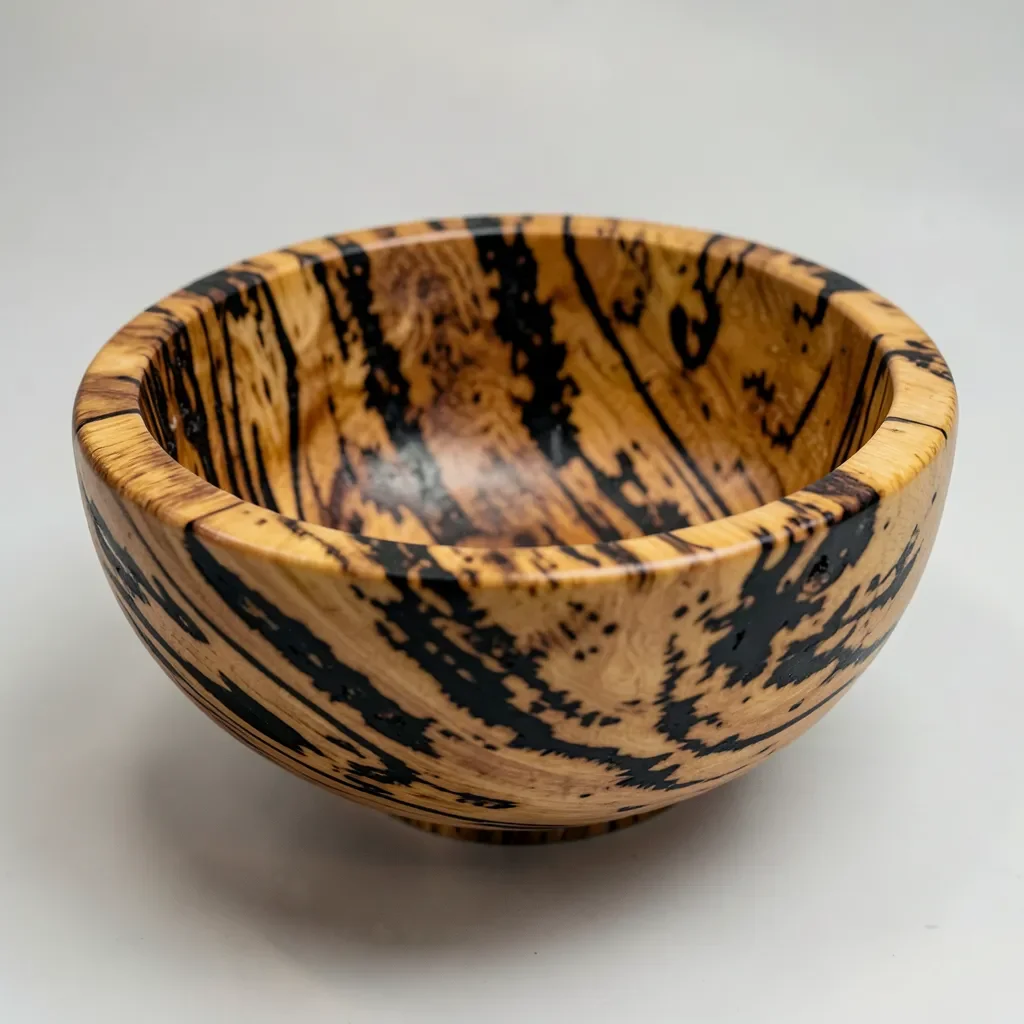
Spalting is wood coloration caused by fungi in the early stages of decay – the same organisms that eventually rot wood, but caught at a point where they’ve produced dramatic black zone lines, streaks, or bleached-white patches without yet destroying the wood’s structural strength. Woodturners and furniture makers prize it purely for how it looks; it isn’t a species or a grade, it’s a decay pattern that can happen to almost any wood species given the right damp conditions.
Three Recognizable Types
Best for Stabilizing Spalted Wood
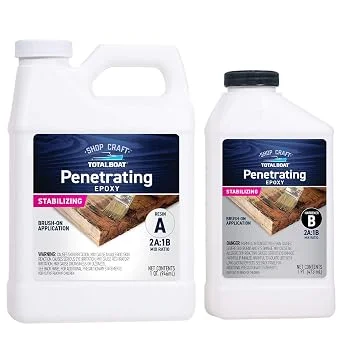 |
TotalBoat Clear Penetrating Epoxy Wood Sealer – $59.99 A penetrating sealer fills the porous, partially-decayed cells this guide describes, which is what keeps a spalted turning blank from crumbling on the lathe.
|
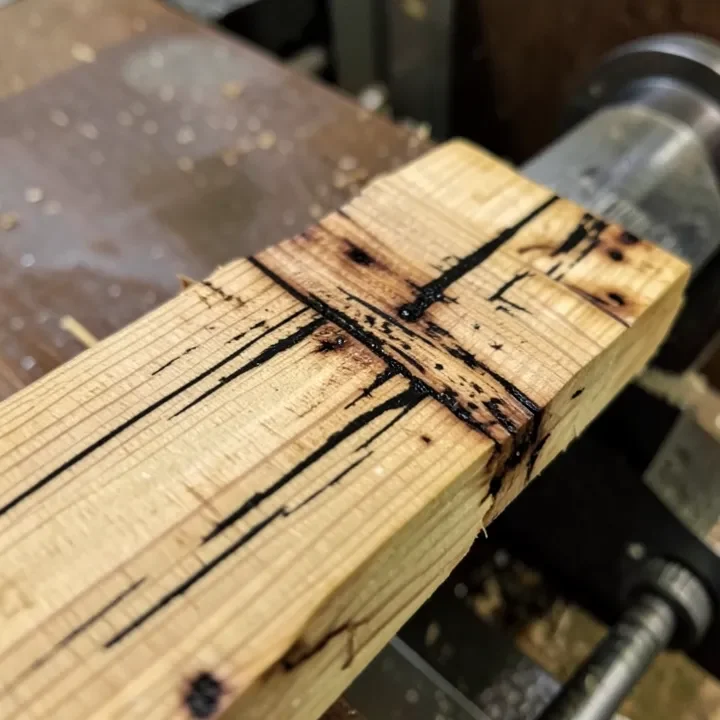
Zone lines are the thin black or dark brown lines that look like ink drawn through the wood – these mark boundaries where competing fungal colonies meet and wall each other off. White rot bleaches the wood lighter and softer as lignin breaks down faster than cellulose. Pigmentation (blue stain being the most common) comes from fungi that deposit pigment in the wood cells without breaking down structure at all, which is why blue-stained pine can still be perfectly strong lumber.
Catching It at the Right Stage
The window for usable spalted wood is narrow: too early and there’s no visible pattern yet, too late and the fungi have progressed into soft, punky rot that crumbles under a chisel or lathe tool. Most spalted wood for turning or furniture is harvested at 2-6 months into decay, checked by pressing a fingernail into the surface – if it dents easily, decay has gone too far.
Stabilizing It Before Use
Because spalted wood is partially decayed by definition, it’s often softer and more porous than sound wood of the same species. Vacuum-impregnating it with a thin cyanoacrylate (CA) glue or a dedicated wood stabilizing resin fills the porous, weakened cells and lets it be turned or machined without crumbling – skipping this step on heavily spalted wood is the most common reason a turning blows apart on the lathe.
Stopping the Decay Once You Have the Look You Want
Once cut to size, drying the wood (kiln or slow air-drying) halts the fungal activity by removing the moisture it needs to keep spreading – the spalting pattern is then locked in place rather than continuing to progress toward full rot.
Inducing Spalting Deliberately
Woodturners who want spalted material without waiting on natural chance sometimes bury freshly cut logs in moist wood chips or soil for several months, or introduce specific fungal cultures (spalting kits exist commercially) to accelerate zone-line formation. This gives more control over timing than leaving a log to spalt naturally in the woods, though results are still variable since fungal growth depends heavily on ambient temperature and moisture that’s hard to fully control outside a lab setting.
Species That Spalt Most Readily
Maple, birch, and beech are among the most commonly spalted species, largely because their pale, relatively featureless base color makes the dark zone lines and pigmentation especially striking by contrast. Darker or more heavily figured woods can spalt too, but the effect is often less visually dramatic since the natural color and grain already compete for visual attention with the decay pattern.
Finishing Spalted Wood
A penetrating finish like tung oil or a wipe-on polyurethane soaks into spalted wood’s more porous structure differently than it would into sound wood, often requiring more coats to build an even sheen across zones of varying density. Some turners deliberately leave slightly punky (soft) areas exposed as a textural feature rather than fully stabilizing them, accepting a rougher surface in exchange for a more dramatic, three-dimensional look in the final piece.
Is All Spalted Wood the Same Value?
Heavily spalted wood with dramatic, well-defined zone lines commands a real premium among turners and furniture makers, while faint or inconsistent spalting is harder to sell at a premium since the visual payoff is less dramatic relative to the extra risk and stabilization work involved. This means two blanks of the same species and rough decay stage can have meaningfully different market value based purely on how visually striking the resulting pattern turned out to be.
Selling or Buying Spalted Blanks
When buying spalted wood blanks online, ask specifically whether the wood has been stabilized already or needs stabilizing before use – an unstabilized blank sold as “ready to turn” can crumble on the lathe if the seller underestimated how far the decay had progressed, a common source of buyer disappointment in the secondhand spalted-wood market.
Safety Beyond Dust Exposure
Beyond respiratory irritation from dust, some spalting fungi can trigger skin sensitivity in people with mold allergies through direct handling – wearing gloves when handling green or actively spalting logs, not just when machining dried blanks, is a reasonable precaution for anyone with known mold sensitivities. For the sourced science behind spalting and sooty bark disease in maples, see our spalting meaning, causes and safety guide.
Spalted Wood in Commercial Furniture
High-end furniture makers occasionally feature spalted wood as a premium design element in tabletops and accent pieces, typically stabilized with vacuum-impregnated resin for structural reliability in a piece meant for decades of daily use rather than a one-off turned bowl – the extra stabilization cost is factored into the piece’s premium pricing.
Frequently Asked Questions
Is spalted wood safe to work with?
Generally yes once dried, though the fungal dust from cutting or sanding spalted wood can be more irritating to airways than sound wood dust, so a respirator is worth wearing.
How do you stop spalting once you like the pattern?
Dry the wood. Removing moisture halts the fungal activity that’s causing the coloration, locking the pattern in place instead of letting it progress toward full rot.
Does spalting weaken wood?
Yes, by definition – it’s an early stage of fungal decay. That’s why heavily spalted wood is often stabilized with resin before being turned or machined.
Sponsored / affiliate links. As an Amazon Associate I earn from qualifying purchases. I may earn additional commission from eligible campaigns.