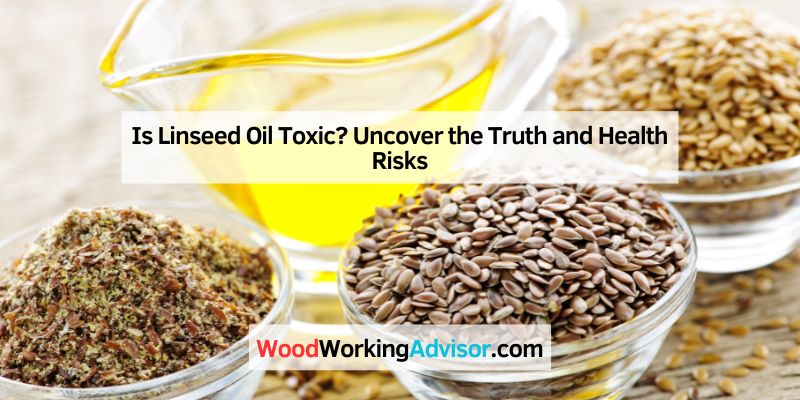
Is Linseed Oil Toxic? Uncover the Truth and Health Risks
Raw and boiled linseed oil are not toxic to touch or breathe in normal use, but the real hazard is spontaneous combustion — oil-soaked rags left balled up can heat themselves through oxidation and catch fire without any spark, which has caused real shop and house fires.
Boiled linseed oil (the type sold for wood finishing) also contains metallic drying agents not present in food-grade raw linseed/flaxseed oil, so the two are not interchangeable despite the similar name.
Below, we cover the fire-safety rule for disposing of oily rags, skin/ingestion safety, and how boiled and food-grade linseed oil actually differ.
Credit: gimmethegoodstuff.org
Introduction To Linseed Oil
TOP PICK FOR FOOD-SAFE WOOD FINISHING
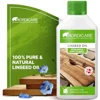
Nordicare Food-Safe Raw Linseed Oil
Pure, unrefined linseed oil with no metallic driers — safe for cutting boards and butcher blocks once cured.
- Best for: cutting boards, butcher blocks, children’s furniture
- Why we picked it: genuinely food-safe, no cobalt or manganese drying agents
- Main drawback: slow cure time — can take days to fully harden
 Sunnyside Boiled Linseed Oil Fast-drying wood finish — NOT food safe, contains metallic driers Check on Amazon |
 Walrus Oil Polymerized Linseed Oil Food-contact safe with a faster cure than raw linseed oil Check on Amazon |
As an Amazon Associate, we earn from qualifying purchases.
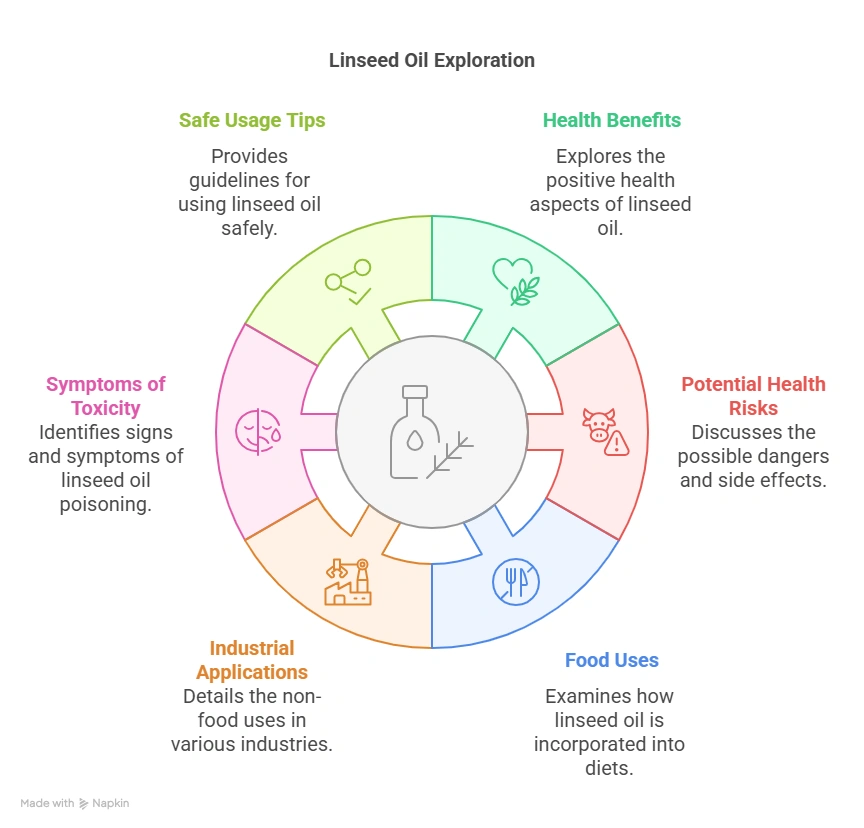
Linseed oil comes from flax seeds. It is a natural oil. People use it in many ways. The oil is yellow in color. It smells a bit like plants.
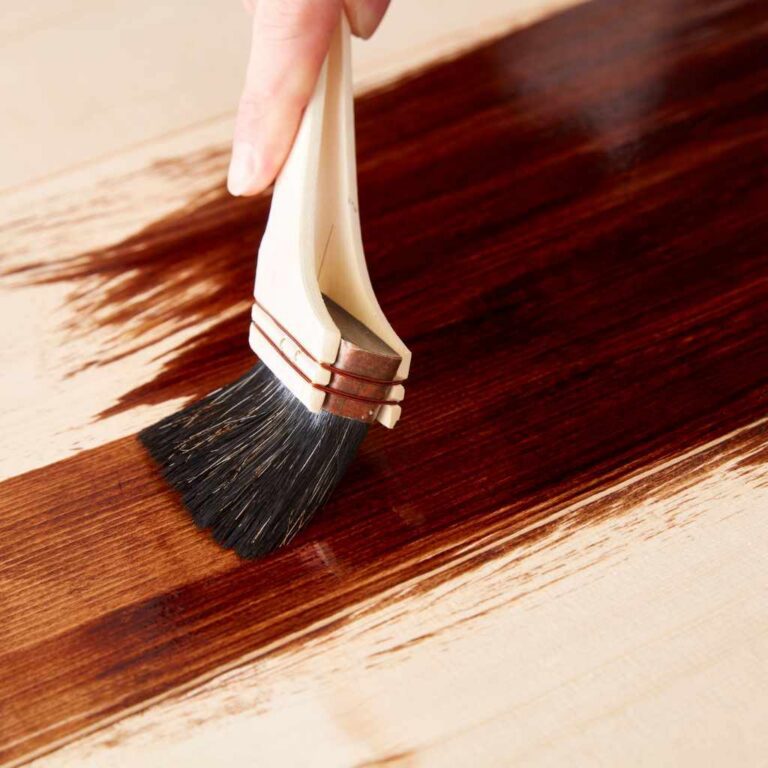
Linseed oil is used in paints. It helps the paint dry. It is also used on wood. It makes the wood shine. The oil protects the wood from water. People sometimes use it in food too. They add it to salads. It has a nutty taste.

Chemical Composition
Linseed oil contains linolenic acid, oleic acid, and palmitic acid. These are essential fatty acids. They are good for health. Some vitamins are also present. Vitamin E is one of them. These components make linseed oil healthy. But, it depends on how it is used. Natural linseed oil is different from processed one.
Natural linseed oil is pure. It is pressed from flax seeds. This oil is safe to use. Processed linseed oil is different. It is treated with chemicals. These chemicals can be harmful. Always check the label. Make sure it is natural. Processed oil may cause health problems. Choose natural for safety.
Health Benefits
Linseed oil is packed with nutrients. It has omega-3 fatty acids. These are good for your heart. It also has fiber. Fiber helps with digestion. You also get protein from linseed oil. Protein is important for muscles. Vitamins and minerals are present too. These help in various body functions.
Linseed oil can boost heart health. It may reduce inflammation. This can help with joint pain. Some people find it helps their skin. It can make skin soft and smooth. It might also support brain health. Eating foods with linseed oil can be a good choice. It is simple to add to meals.

Potential Health Risks
Linseed oil has some toxins. These can cause health problems. Some toxins are harmful. They may affect the lungs and skin. Direct contact can irritate the skin. Breathing in fumes can damage the lungs. Children and pets are more at risk. Using linseed oil with care is important.
Short-term exposure may cause headaches and dizziness. Long-term use might harm lungs and skin. Frequent exposure can lead to serious health issues. Taking safety measures can reduce risks. Proper ventilation is key. Wearing gloves can protect the skin.
Is Linseed Oil Food Safe as a Wood Finish?
This depends entirely on which type you buy. Raw (pure) linseed oil is food safe once fully cured — it’s pressed straight from flax seeds with no added chemicals, making it a common choice for finishing cutting boards, butcher blocks, and children’s furniture. The tradeoff is a slow cure time, sometimes taking days or weeks to fully harden.
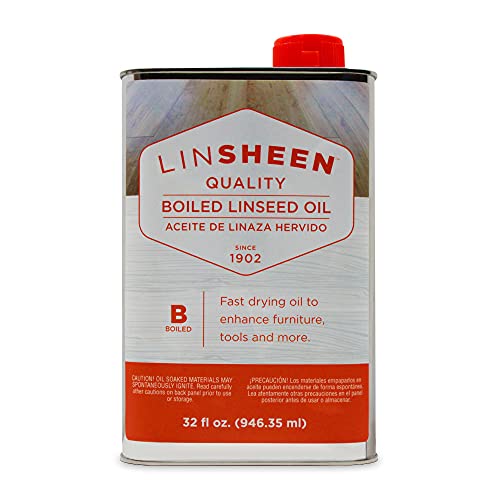
Boiled linseed oil (BLO) is not food safe, even after it has fully dried. Despite the name, it isn’t actually boiled — it’s raw linseed oil treated with metallic driers, typically cobalt or manganese compounds, to speed up curing. Those metallic additives don’t fully disappear as the oil hardens, so BLO should never be used on cutting boards, butcher blocks, or any surface that will touch food. Always check the label: if it says “boiled” or lists drying agents, keep it away from food-contact surfaces and reach for raw or polymerized linseed oil instead.
Linseed Oil In Food
Linseed oil, also known as flaxseed oil, is used in food. It is rich in omega-3 fatty acids. These are good for heart health. Linseed oil must be fresh. Old oil can become toxic. Store in a cool, dark place. Use within a few months.
Many countries have safety rules for linseed oil. The oil must be cold-pressed. This means no heat is used. Heat can make harmful substances. Check labels for “cold-pressed” words. Do not heat linseed oil. Heating can release bad chemicals. Follow storage rules to keep it safe.
Linseed Oil In Industrial Use
Linseed oil is used in many industries. It is often in paints and varnishes. It helps wood look better and last longer. Linseed oil also protects metal from rust. This oil is in inks and some types of soap. It has many uses because it is natural and works well.
Linseed oil can be safe if used right. It can catch fire easily. Store it in a cool, dry place. Keep it away from heat and flames. Wear gloves to protect your skin. Make sure to have good air flow when using it. Linseed oil rags can start fires. Soak them in water and store in a metal can.
Symptoms Of Linseed Oil Toxicity
Linseed oil can be harmful. Signs of toxicity include nausea and vomiting. Diarrhea is common. Dizziness and headaches may occur. Difficulty breathing can be serious.
Move to fresh air right away. Rinse mouth with water if swallowed. Do not induce vomiting. Seek medical help immediately. Clean skin with soap and water if contact occurs. Remove contaminated clothing. Watch for symptoms and call a doctor.
Safe Usage Tips
Store linseed oil in a cool, dry place. Keep it away from heat sources. Seal the container tightly to prevent air exposure. This helps to avoid spoilage. Use a dark-colored bottle for storage. It reduces light exposure. Keep out of children’s reach. Proper storage ensures safety and longevity.
Follow the instructions on the label. Do not exceed the recommended amount. For adults, a small spoonful is usually enough. Consult a doctor if unsure. High doses can cause side effects. Stick to the guidelines to stay safe. Taking too much can be harmful.
Frequently Asked Questions
Is Linseed Oil Harmful To Breathe?
Yes, breathing linseed oil fumes can be harmful. It may cause respiratory issues and irritation. Ensure proper ventilation.
Is Linseed Oil Safe To Eat Off Of?
Linseed oil is generally not safe to eat off of. It can be toxic when ingested. Always use food-safe oils for surfaces in contact with food.
What Are The Hazards Of Linseed Oil?
Linseed oil can cause spontaneous combustion if not stored properly. It may irritate skin and eyes upon contact. Ensure adequate ventilation during use.
Is Boiled Linseed Oil Toxic When Dry?
Boiled linseed oil is not toxic when dry. It forms a safe coating on wood surfaces. Ensure proper ventilation during application.
Conclusion
Understanding linseed oil’s toxicity is crucial for safe use. It can be harmful if ingested. Always store it safely and use it in well-ventilated areas. Consider wearing gloves to prevent skin contact. Proper disposal is essential to avoid fire hazards.
By taking these precautions, you can safely enjoy the benefits of linseed oil. Stay informed and use linseed oil responsibly. Safety first!
Sponsored / affiliate links. As an Amazon Associate I earn from qualifying purchases. I may earn additional commission from eligible campaigns.