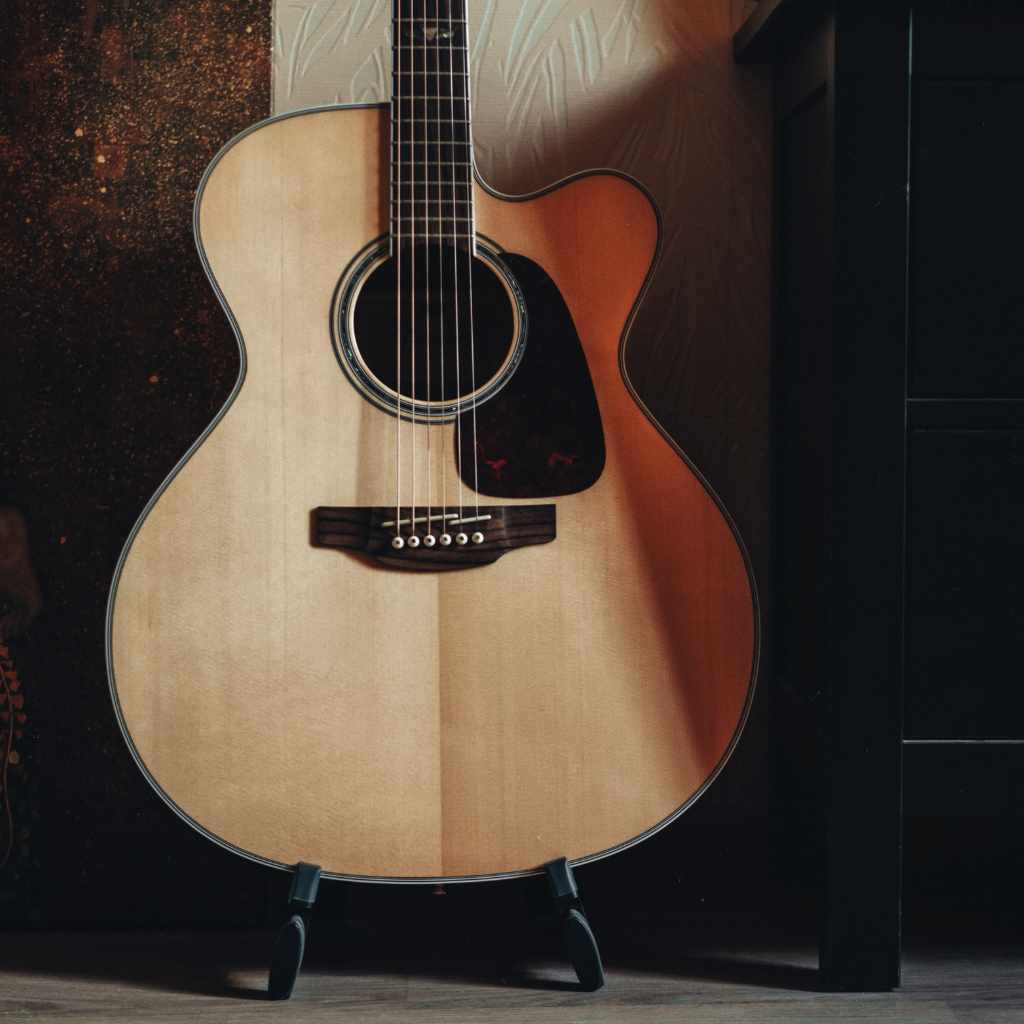
Is Mahogany Wood Good for Guitars: Ultimate Tone & Durability Guide
Are you wondering if mahogany wood is the right choice for your guitar? Whether you’re picking out your first instrument or upgrading your current one, the type of wood can make a big difference in sound and feel.
Mahogany is a popular option, but is it really good for guitars? You’ll discover what makes mahogany special, how it affects your guitar’s tone, and why many players swear by it. By the end, you’ll know exactly whether mahogany suits your style and needs.
Keep reading to find out!
Mahogany Wood Characteristics
Mahogany wood is popular for making guitars. It has unique features that affect sound and look. Understanding these traits helps explain why many guitar makers choose mahogany. This section explores the key characteristics of mahogany wood.
Grain And Texture
Mahogany has a straight and even grain. This makes it easy to work with and shape. The texture feels smooth but slightly coarse. Its grain pattern gives guitars a classic, natural look. This wood also resists warping and cracking over time.
Color And Appearance
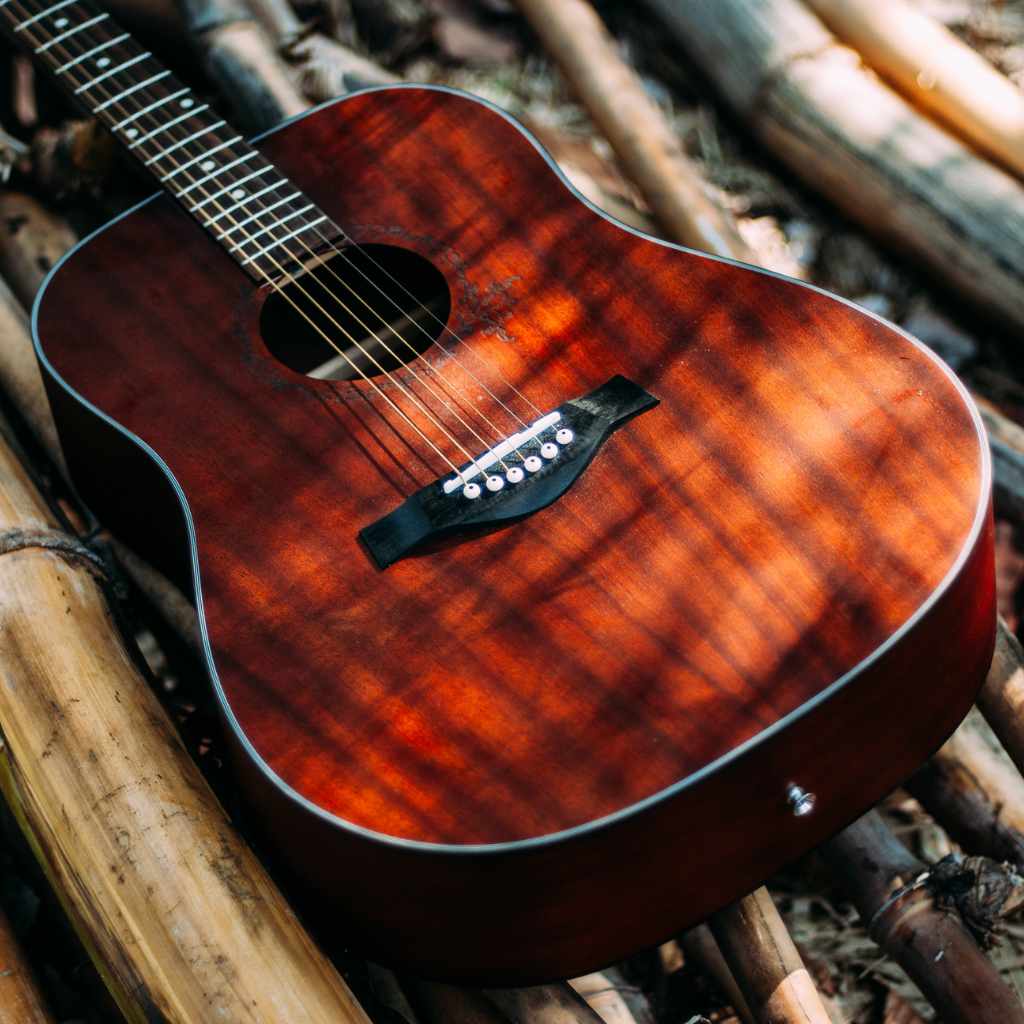
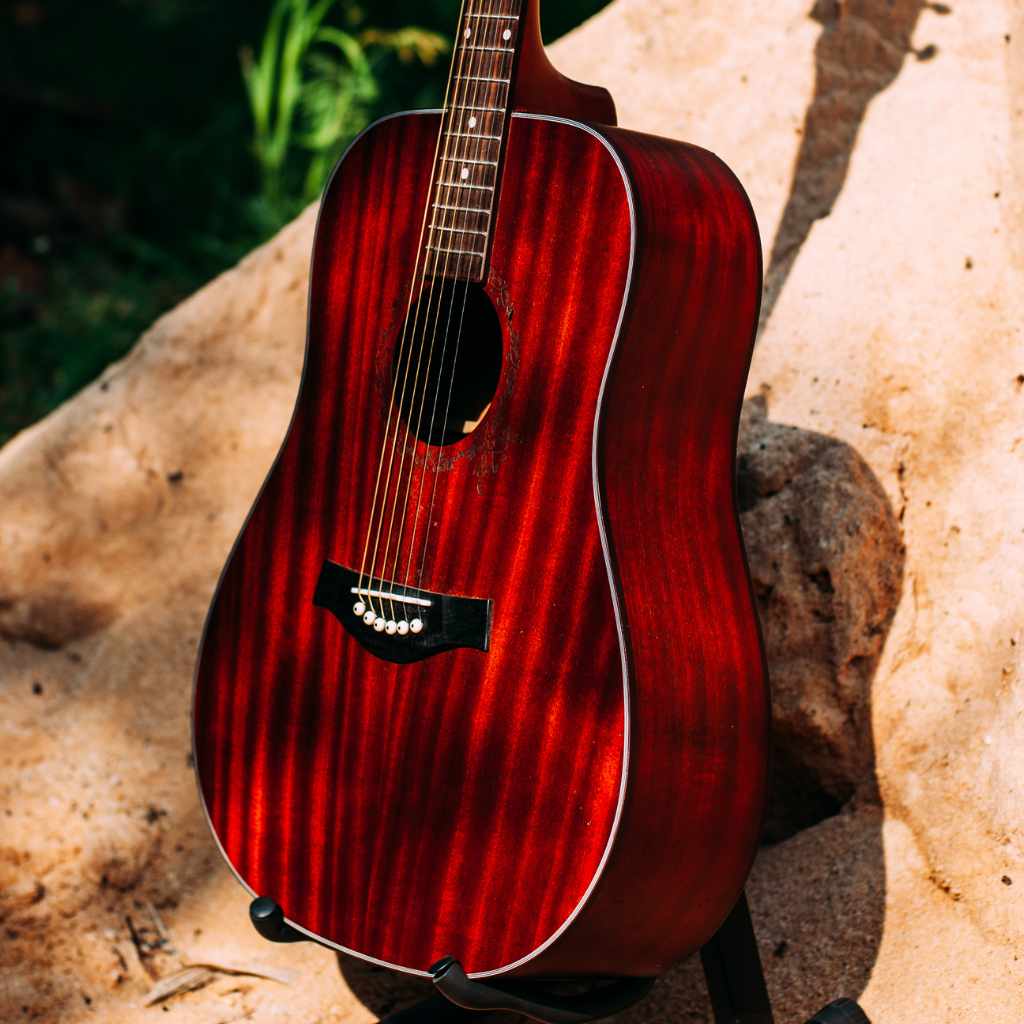
Mahogany ranges from light pinkish brown to deep reddish brown. Its color darkens as the wood ages. This rich hue adds warmth to guitar bodies. Many players appreciate the elegant, natural appearance mahogany offers. The wood often has subtle streaks or ribbons that add character.
Density And Weight
Mahogany is moderately dense, balancing strength and weight. It feels solid but not too heavy for playing comfort. This density helps produce a rich, warm sound. The weight also adds durability without making the guitar hard to hold. Many musicians find mahogany guitars easy to handle on stage or at home.
Tone Qualities Of Mahogany
Mahogany wood has a unique sound that many guitar players appreciate. Its tone qualities shape how a guitar sounds and feels. This wood adds a special character to the music.
Let’s explore the key tone features that mahogany brings to guitars.
Warmth And Richness
Mahogany produces a warm and rich sound. It emphasizes midrange frequencies, making notes sound full and clear. The tone feels smooth and inviting. This warmth suits many music styles, from blues to folk. Players often find the sound comforting and natural.
Sustain And Resonance
Guitars made with mahogany have good sustain. Notes last longer and fade gently. The wood’s density helps vibrations travel well. This creates a deep resonance that fills the room. Musicians enjoy the lasting sound for solos and chords alike.
Comparison With Other Woods
Compared to maple, mahogany sounds warmer and softer. Maple offers brighter tones with sharp attack. Rosewood gives more sparkle and higher overtones. Mahogany stays balanced, not too bright or too dull. Its unique voice makes it a favorite for many guitar makers.
Durability And Stability
Mahogany wood is a popular choice for guitars because of its strong durability and stability. These qualities make it suitable for long-term use in musical instruments. The wood holds up well under stress and maintains its shape over time. This section explores how mahogany performs in terms of wear resistance, moisture effects, and overall longevity in guitars.
Resistance To Wear
Mahogany wood resists scratches and dents better than many other woods. Its dense grain helps protect the guitar from damage during regular use. Players can expect their instrument to stay looking good even after years of handling. This wear resistance makes mahogany ideal for guitar bodies and necks.
Moisture And Climate Impact
Mahogany handles changes in moisture and temperature fairly well. It does not warp or crack easily in humid or dry conditions. This stability helps keep the guitar in tune and playable. Musicians in different climates can rely on mahogany for consistent performance.
Longevity In Guitars
Guitars made from mahogany often last for decades. The wood’s strength and stability prevent common problems like warping and splitting. Many vintage guitars use mahogany and still sound great today. This long life span adds value to guitars built with this wood.
Mahogany In Guitar Construction
Mahogany is a popular wood in guitar making. It has been used for many years because of its sound qualities and strength. Guitar builders choose mahogany for its warm tone and durability. This wood shapes the look and feel of the guitar. Its role in construction affects sound, weight, and playability.
Different parts of the guitar use mahogany in unique ways. Each part benefits from the wood’s natural properties. This makes mahogany a favorite for both electric and acoustic guitars.
Body And Neck Uses
Mahogany is often used for the guitar body. It creates a warm, rich sound that players enjoy. The wood’s density helps produce deep bass tones and clear mids. Many guitar necks are also made from mahogany. This gives the neck strength and stability. The smooth texture of mahogany makes it easy to play. It resists warping and adds to the guitar’s longevity.
Common Guitar Models
Famous guitar brands use mahogany in many models. Gibson Les Paul and SG guitars use mahogany bodies and necks. These models are known for their thick, warm sound. Many acoustic guitars also feature mahogany tops or backs. This wood is a classic choice for players who want a balanced tone. It fits well with different music styles, from blues to rock.
Impact On Playability
Mahogany affects how a guitar feels in your hands. It is lighter than some hardwoods, making guitars easier to hold. The neck made from mahogany often feels smooth and fast to play. This helps beginners and experts play longer without discomfort. The wood’s natural warmth also reduces finger fatigue. Overall, mahogany improves the playing experience by combining comfort with great sound.
Maintenance Tips For Mahogany Guitars
Mahogany guitars need regular care to keep their rich sound and beautiful look. Proper maintenance helps the wood stay strong and protects your guitar from damage. Small efforts make a big difference for your instrument’s life.
Cleaning And Polishing
Wipe your guitar with a soft, dry cloth after each use. This removes dust and sweat that can harm the wood. Use a polish made for guitars to keep the surface smooth and shiny. Avoid household cleaners as they can damage the finish.
Humidity Control
Mahogany wood reacts to moisture in the air. Keep your guitar in a room with stable humidity, ideally between 40% and 60%. Use a humidifier or dehumidifier if needed. Sudden changes in humidity can cause cracks and warping.
Repair And Refinishing
Check your guitar regularly for scratches or dents. Small scratches can be fixed with special guitar repair kits. For bigger damage, consult a professional luthier. Refinishing mahogany requires care to maintain sound quality and appearance.
Buyer Considerations
Choosing the right wood for a guitar matters a lot. Mahogany is popular, but buyers must think about several things. These points help find the best fit for your music and style.
Cost Vs. Quality
Mahogany offers good sound quality for its price. It is often less expensive than other hardwoods like rosewood. Buyers get warm tones without paying too much. Some higher-grade mahogany can cost more but gives richer sound. Balance what you spend with the sound quality you want.
Aesthetic Preferences
Mahogany has a deep, reddish-brown color. Its grain is straight and smooth, creating a classic look. Some guitars show a glossy finish to highlight this beauty. Others keep a matte style for a vintage feel. Choose the look that fits your taste and stage presence.
Suitability For Different Music Styles
Mahogany suits many music types. It works well for blues, folk, and rock with warm, full sounds. The wood helps notes ring clearly without too much brightness. For heavy metal or bright pop, other woods might fit better. Think about your main music style before deciding.
Frequently Asked Questions
What Makes Mahogany Wood Ideal For Guitars?
Mahogany offers warm, rich tones with excellent resonance. Its density provides durability and stability, enhancing guitar sound quality. This wood is favored for its smooth grain and aesthetic appeal, making it a top choice for guitar bodies and necks.
How Does Mahogany Affect Guitar Sound Quality?
Mahogany produces a warm, balanced tone with strong midrange frequencies. It enhances sustain and clarity, giving guitars a soulful voice. This wood’s natural resonance supports both acoustic and electric guitar sound profiles effectively.
Is Mahogany Wood Durable For Long-term Guitar Use?
Yes, mahogany is highly durable and resists warping over time. Its sturdy nature withstands daily wear, making guitars long-lasting. Proper care maintains its strength and beauty, ensuring guitars remain playable for years.
Can Mahogany Wood Improve Guitar Playability?
Mahogany’s smooth texture and moderate weight contribute to comfortable playability. It allows for easy handling without causing fatigue. This makes guitars crafted from mahogany ideal for extended playing sessions.
Conclusion
Mahogany wood offers warm, rich tones for guitars. It provides good strength and durability. Many guitar makers trust mahogany for its balance. The wood also adds a smooth, mellow sound. This makes it a popular choice worldwide. Beginners and pros both enjoy mahogany guitars.
Sound quality and comfort come together nicely. Overall, mahogany is a solid wood option. It suits different music styles and players. Choosing mahogany means choosing reliability and good tone.