Is MDF Good for Soundproofing? Discover the Truth
Are you tired of the constant noise invading your personal space? Whether it’s the hum of traffic, the chatter of neighbors, or the clamor of home appliances, unwanted sounds can disrupt your peace and quiet.
You’ve probably heard about various soundproofing materials, but one question keeps popping up: Is MDF good for soundproofing? Imagine finally enjoying a serene environment where you can relax, focus, or sleep without disturbances. In this post, we’ll dive into the details of MDF (Medium Density Fiberboard) and its effectiveness as a soundproofing solution.
You’ll discover surprising insights that could transform your living or working space into the tranquil haven you’ve always dreamed of. Stay with us as we explore whether MDF could be the key to unlocking the silence you crave.
MDF Composition And Properties
MDF stands for Medium-Density Fiberboard. It is made from wood fibers. These fibers are glued together with resin. The board is pressed and heated to make it strong. MDF has a smooth surface. It is easy to cut and shape. Builders use it for furniture and cabinets.
MDF is dense. This means it is heavy. Its density helps block sound. It is not as strong as solid wood. But it is durable enough for many projects. MDF does not warp easily. This makes it good for indoor use. Its density makes it a choice for soundproofing.
Soundproofing Basics
Soundproofing is about stopping sound from moving through walls. It helps keep rooms quiet and peaceful. Different materials can block sound better than others. Some materials are soft and dense. They work well for stopping sound. Others are hard and thin. They let more sound pass through.
Sound travels in waves. It moves through air, walls, and floors. To stop sound, materials need to be heavy and thick. This makes it hard for sound to pass through. MDF is a strong material. It is dense and thick. It can help stop sound. But it is not the best choice. Other materials might work better.
Acoustic properties are how materials handle sound. Some materials absorb sound well. Others reflect it. MDF absorbs some sound, but not all. It is good for music studios. It can help with echoes. But it might not block all outside noise. Choosing the right material is important for soundproofing.
MDF Vs. Other Materials
MDF is dense and heavy. It can block sound well. Wood is lighter. It lets sound pass through more easily. Drywall is cheap. But it needs extra layers to block sound. Concrete is strong. But it is hard to use in homes.
MDF is often available at hardware stores. It is cheaper than solid wood. Drywall costs less than MDF. But it needs more work for soundproofing. Concrete costs a lot. It takes time to build with concrete. Wood prices vary. Good wood can be expensive.

Credit: www.tmsoundproofing.com
Applications Of MDF In Soundproofing
MDF is used in homes for soundproofing. Its dense structure blocks sound. This helps reduce noise between rooms. MDF panels can be added to walls. This creates a quieter space. They are also used in ceilings and floors. This helps to block sound from outside. MDF is often preferred for home theaters. It enhances the sound experience by reducing echoes.
In offices, MDF helps to control noise. It is used in meeting rooms. This ensures privacy and minimizes distractions. MDF partitions are common in open office spaces. They help reduce sound between workstations. In restaurants, MDF is used to create a calm environment. It absorbs noise, making conversations clearer. MDF is also used in music studios. It provides better sound quality by reducing noise interference.
Advantages Of Using MDF
MDF offers effective soundproofing due to its dense structure. It reduces noise by absorbing sound vibrations. Ideal for creating quiet spaces, MDF is a budget-friendly choice for soundproofing needs.
Affordability
MDF is known for being cost-effective. It is often cheaper than other materials. This makes it a popular choice for many projects. You get quality without spending much. It fits tight budgets well. Many people like its price. It offers value for your money.
Ease Of Installation
Installing MDF is simple. It is easy to cut and shape. Tools work well with it. This makes projects faster to complete. You don’t need special skills. Many people can handle it. It saves time. You can finish your project quickly and efficiently. MDF is user-friendly and reliable for DIY tasks.
Limitations And Challenges
MDF can swell when it gets wet. This makes it less durable. Moisture can damage the board. It may lose its shape. Soundproofing can fail if the board changes. Keeping MDF dry is important. Protect it from water and humidity. Use sealants or covers for safety. This will help the board last longer.
MDF is heavy. Its weight can be a problem. Walls may need extra support. Lifting MDF can be hard. It may not suit all projects. Consider the strength of your walls. Strong walls can handle the weight. Ask for help when lifting MDF. This keeps everyone safe.
Expert Opinions And Case Studies
People have used MDF for soundproofing with success. One family in a busy city made a quiet room. They used MDF panels. The noise outside went down a lot. They could sleep and relax better.
Another person built a music studio at home. MDF helped to keep the sound inside. Neighbors could not hear the music. The musician was happy and could play anytime. MDF was a good choice for them.
Experts say MDF works well for soundproofing. It is dense and thick. This helps block noise. Professionals use MDF in many projects. It is often used in walls and doors. MDF can make a big difference in sound levels.
Some experts also mix MDF with other materials. This can improve soundproofing even more. MDF is easy to work with. It cuts and shapes well. This makes it a favorite choice for builders.
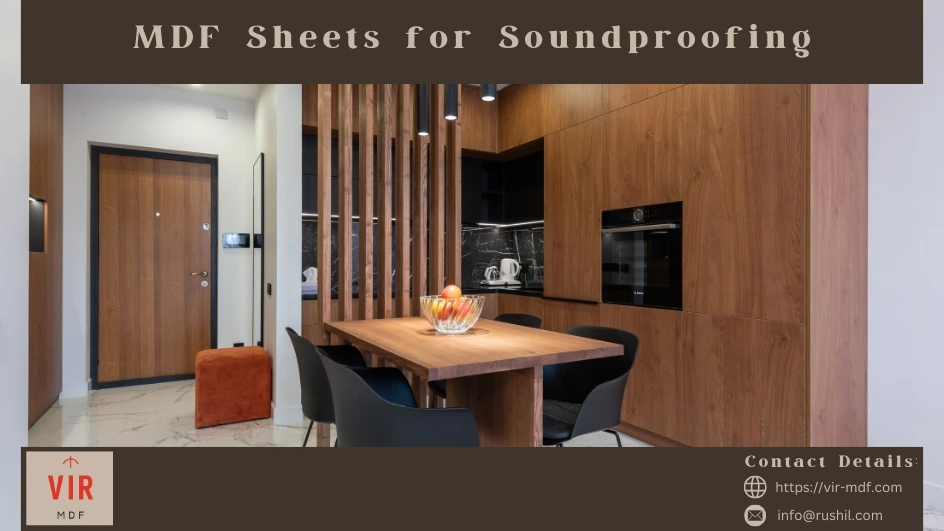
Credit: vir-mdf.com
Tips For Effective Soundproofing
MDF can help with soundproofing. It is dense and affordable. For good results, use thick panels. Thicker panels stop more noise. Place MDF on walls and ceilings. It helps block sound.
Seal gaps with sealant. Gaps let sound pass. Fill holes and cracks. Every gap must be closed. Use screws for MDF panels. Screws hold better than nails. MDF needs strong support.
Combine materials for better soundproofing. Use MDF with foam panels. Foam absorbs sound. MDF blocks sound. Together, they work well. Add carpets or curtains. They help reduce noise.
Layer materials for more effect. Layering blocks sound waves. Mix hard and soft materials. Hard stops sound. Soft absorbs sound. This combination is effective.

Credit: www.furnituresigma.com
Frequently Asked Questions
Does MDF Help With Soundproofing?
MDF helps with soundproofing by reducing noise transmission. Its dense structure absorbs and dampens sound effectively. Ideal for walls, floors, and ceilings, MDF adds mass, which is crucial for soundproofing. It works best when combined with other soundproofing materials for optimal results.
What Wood Is Best For Soundproofing?
Medium-density fiberboard (MDF) is ideal for soundproofing due to its density and mass. It effectively absorbs sound vibrations, reducing noise transmission. Use MDF panels in walls, floors, or ceilings for optimal results. Ensure proper installation for maximum soundproof benefits. Consider combining with other soundproof materials for enhanced performance.
What Is The Decibel Rating Of MDF?
MDF typically has a decibel rating between 30 to 35 dB. It offers moderate sound insulation. This makes MDF suitable for interior applications where sound reduction is needed. Always check specific product details for precise ratings.
What Is The Most Effective Soundproofing Material?
Mass loaded vinyl is a top soundproofing material. It effectively blocks noise due to its dense composition.
Conclusion
MDF can help with soundproofing, but not the best option. It blocks some sound, yet not entirely effective. Consider other materials like mass-loaded vinyl. They provide better sound insulation. MDF suits smaller projects or budget constraints. Think about your soundproofing needs carefully.
Investing in high-quality materials pays off. Research thoroughly before making a decision. Proper installation is also crucial. This ensures maximum sound reduction. For serious soundproofing, professional advice can be beneficial. Remember, every space is different. Choose what fits your specific needs best.