6 Alternatives to Marine Plywood That Cost Less
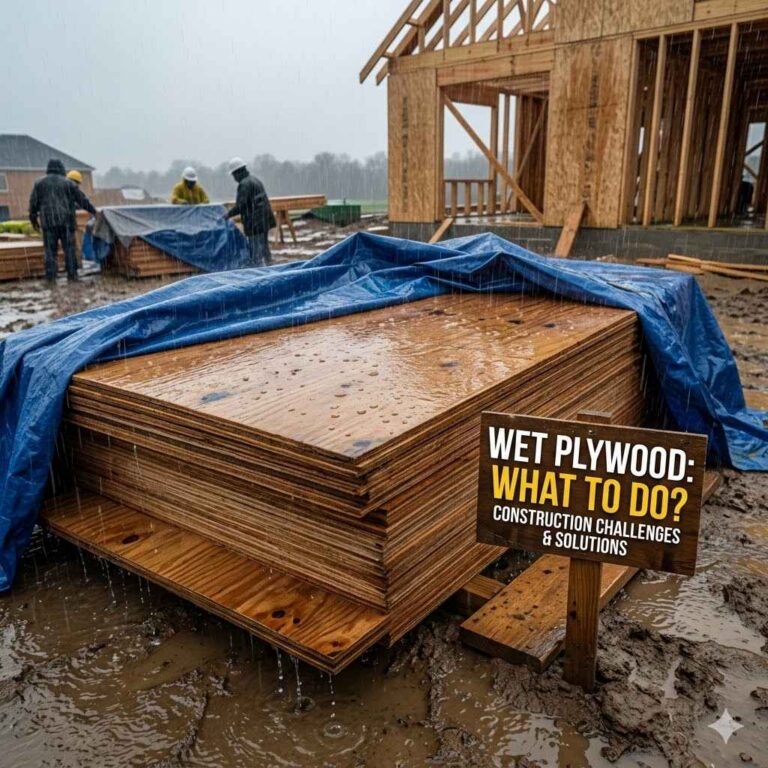
Marine plywood isn’t required for every wet-use project. Pressure-treated plywood, HDPE marine board, and FRP all resist moisture for less money, but none match marine plywood’s void-free BS 1088 core for full water immersion, like a boat hull below the waterline. Using a lower-grade substitute there risks delamination and rot. This guide compares eight materials, when each works, and where cutting cost still cuts corners.
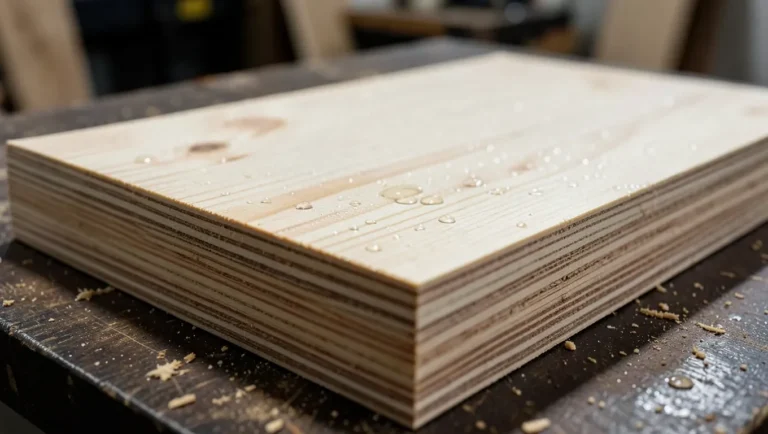
Marine plywood is an exterior-grade hardwood plywood built with void-free veneers and a fully waterproof adhesive bond, most commonly certified to the BS 1088 or BS MMFA standard. It costs more than standard exterior plywood because every layer is inspected for gaps before assembly, not just the face veneer. It’s the default choice for boat hulls, docks, and any structure with constant water contact, but it’s overkill for a one-time garden project.
Quick Answer
For budget structural work like decks or sheds, pressure-treated plywood is the closest low-cost substitute. For anything facing constant submersion, like a boat hull, HDPE marine board or FRP outperform every plywood-based option because they can’t rot. Marine-grade MDF is the pick for smooth, damp-area cabinetry where looks matter more than raw strength.
Pressure-Treated Plywood
Best Marine-Grade Sealer Pick
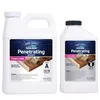
TotalBoat Clear Penetrating Epoxy Wood Sealer, 1.5 Quart Kit – $59.99
This is the same type of two-part penetrating epoxy this guide recommends for sealing exterior-grade plywood before it goes outdoors, brushed on in multiple thin coats per the prep steps above.
- Best for: Sealing exterior-grade plywood and MDF edges before outdoor use
- Why we picked it: Penetrates end grain instead of just coating the surface, which is where most sealant jobs fail first
- Main drawback: Two-part mix ratio means no shortcuts on prep, and cure time depends on temperature
Compare more marine sealer options
 Option 1 TotalBoat Epoxy Sealer, 1.5 Pint Kit – $40.99
|
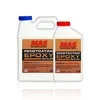 Option 2 MAS Epoxies Wood Sealer, 1.5 Quart – $55.99
|
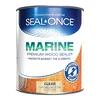 Option 3 SEAL-ONCE Marine Sealer, 1 Gallon – $66.98
|
As an Amazon Associate we earn from qualifying purchases.
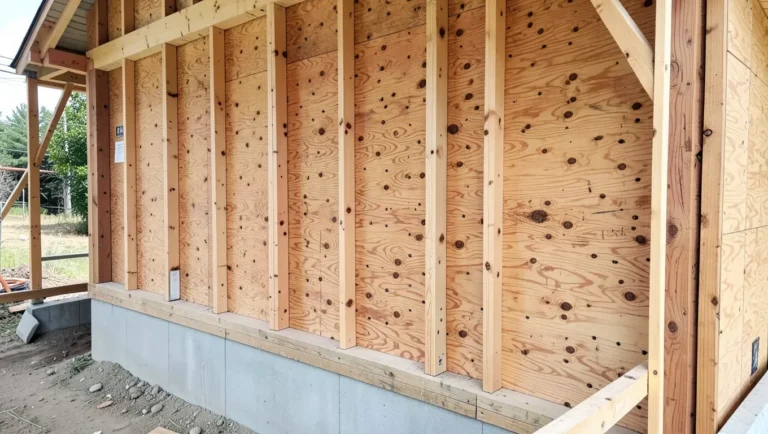
One of my go-to options is pressure-treated plywood. This stuff is designed to resist rot and insects, making it a solid choice for outdoor projects. I’ve used it for garden benches and shed floors, and it holds up well against rain and humidity. The wood is infused with chemicals under high pressure, which helps it withstand moisture and decay. It’s widely available at hardware stores across the USA, and it’s way more affordable than marine plywood. For a deeper side-by-side of the two, see our marine-grade plywood vs. pressure-treated comparison.
However, it’s not perfect. The chemicals can make it tricky to work with, wear gloves and a mask when cutting it. Also, it’s not as smooth or pretty as marine plywood, so it’s better for structural projects than decorative ones. If you’re on a budget and need something tough, this is a great pick.
“I once built a deck with pressure-treated plywood, and while it’s still standing strong years later, I had to sand it down myself to get a decent finish before staining it.”
Exterior-Grade Plywood with Waterproof Coating
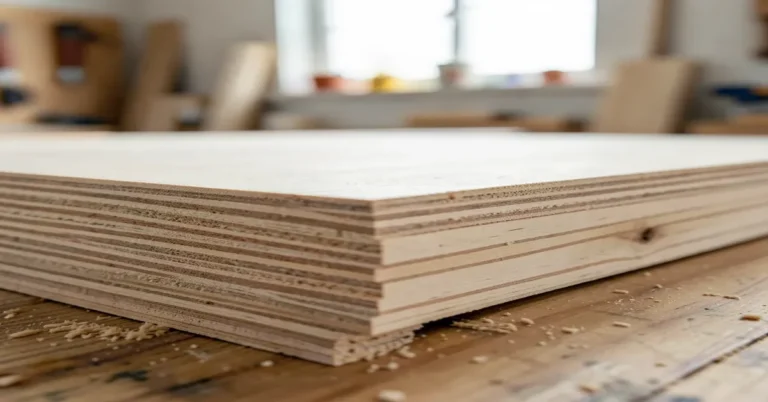
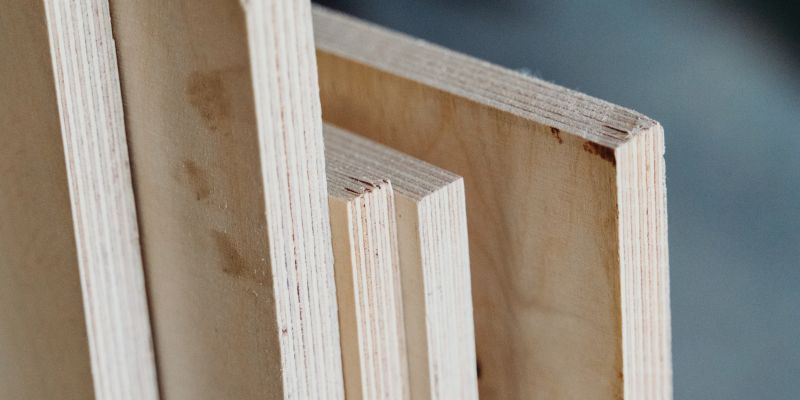
Another option I’ve experimented with is exterior-grade plywood coated with a waterproof sealant. This is regular plywood made with water-resistant glue, but it’s not as robust as marine plywood out of the box. To make it work for wet environments, I brush on a high-quality sealant like polyurethane or epoxy. I used this combo for a backyard swing set, and it’s held up through two rainy summers.
The key is preparation. You’ve got to seal every edge and surface, or water will sneak in and ruin the wood. It’s a bit of work, but it’s cheaper than marine plywood and gives you flexibility. You can find exterior-grade plywood at places like Home Depot or Lowe’s, and the sealant adds a layer of protection that makes it nearly as durable. Just make sure to reapply the sealant every couple of years.
Medium-Density Fiberboard (MDF) with Resin
Now, this one surprised me. Medium-density fiberboard (MDF) isn’t something you’d normally think of for wet environments, but hear me out. When sealed with a heavy-duty resin, like epoxy, MDF can be a budget-friendly alternative. I tried this for a small outdoor sign project, coating the MDF thoroughly with epoxy. The result? A smooth, water-resistant surface that’s still going strong.
MDF is super affordable and easy to cut, but it’s not as strong as plywood. It’s best for smaller, non-structural projects. Also, it’s heavy and can swell if the resin isn’t applied perfectly. If you’re doing something decorative, like outdoor signage or a small table, this could work. Just don’t expect it to hold up like marine plywood in a boat.
Marine-Grade MDF
If you want something closer to marine plywood but a bit cheaper, marine-grade MDF is worth a look. I stumbled across this at a local lumberyard when I was pricing out materials for a dock repair. It’s denser than regular MDF and designed to resist moisture better. It’s not as strong as marine plywood, but it’s great for projects that need a smooth finish, like cabinetry in a damp basement.
I used marine-grade MDF for a bathroom vanity, and it’s been solid for over a year. The trick is to seal the edges well, as they’re prone to absorbing water. It’s not as widely available as other options, so you might need to hunt for it. But if you’re in a coastal area like I am, some suppliers carry it.
Aluminum Composite Panels
For something completely different, I’ve dabbled with aluminum composite panels. These are lightweight, waterproof, and incredibly durable. I used them for a boat console panel, and they didn’t disappoint. They’re made of two thin aluminum sheets with a plastic core, so they don’t rot or warp. Plus, they’re easy to cut with standard woodworking tools.
The downside? They’re not wood, so they don’t have that natural look or feel. They’re also pricier than plywood but still cheaper than marine plywood. If your project needs something sleek and modern, like signage or a boat interior, this is a fantastic choice. I found mine online through specialty suppliers, and they shipped fast.
Fiberglass-Reinforced Plastic (FRP)
Another non-wood option I’ve explored is fiberglass-reinforced plastic (FRP). This material is tough as nails and completely waterproof. I used FRP for a shower wall in a renovation project, and it’s been a dream, no mold, no maintenance. It’s often used in commercial settings, but it’s great for DIY projects too.
FRP is lightweight and easy to install, but it’s not cheap. It’s also not as versatile as plywood for structural work. If you’re building something like a boat interior or a wet-room wall, FRP is a solid alternative. You can find it at most big-box stores, and it comes in sheets that are easy to work with.
Other Alternatives Worth Knowing About
The six materials above cover most projects, but two more come up often enough to mention. Neither is wood-based, and both trade off differently than the plywood options do. (If you’d rather stick with a wood product, birch plywood’s strength numbers are worth a look for general moisture resistance too.)
Fiber Cement Board
Fiber cement board doesn’t rot, period. It’s cement reinforced with cellulose fibers, so there’s no wood core to absorb water in the first place. It resists salt air better than any plywood option here, which is why it shows up as siding and soffit material in coastal construction. The tradeoffs: it’s heavy, brittle if flexed, and needs a diamond blade to cut cleanly instead of the woodworking blades used on the other alternatives in this guide.
HDPE (High-Density Polyethylene) Marine Board
HDPE marine board, sold under names like King StarBoard, is solid plastic sheet stock, not a wood product at all. It won’t warp, swell, delaminate, crack, or rot no matter how long it sits wet, which is why it shows up in boat consoles, cutting boards, and dock hardware. It costs more per sheet than aluminum composite panels and doesn’t take stain or paint, so it only makes sense where the plain white or black plastic look is acceptable.
Comparison Table of Alternatives
Here’s a quick table I put together to compare these options based on my experience. It’ll help you decide what’s best for your project.
| Material | Cost (per sq ft) | Water Resistance | Strength | Best For | Availability |
|---|---|---|---|---|---|
| Pressure-Treated Plywood | $1-$2 | High | High | Decks, sheds, outdoor frames | High |
| Exterior-Grade Plywood + Sealant | $0.80-$1.50 | Moderate-High | Moderate | Furniture, swing sets | High |
| MDF + Resin | $0.50-$1 | Moderate | Low | Signs, small decorative items | High |
| Marine-Grade MDF | $1.50-$2.50 | High | Moderate | Cabinetry, damp interiors | Moderate |
| Aluminum Composite Panels | $2-$4 | Very High | Moderate | Boat interiors, signage | Moderate |
| Fiberglass-Reinforced Plastic | $3-$5 | Very High | High | Shower walls, boat interiors | Moderate |
| Fiber Cement Board | $2-$3 | Very High | High | Siding, soffits, coastal trim | Moderate |
| HDPE Marine Board | $4-$7 | Very High | High | Boat consoles, dock hardware, cutting boards | Moderate |
Tips for Choosing the Right Alternative
Picking the right material depends on your project. I’ve learned this the hard way after a few missteps. If you’re building something structural, like a dock or deck, go for pressure-treated plywood or marine-grade MDF. For decorative pieces, like outdoor art, MDF with resin or exterior-grade plywood with sealant works well. If you need something that won’t ever rot, like for a boat, aluminum composite panels, FRP, or HDPE marine board are your best bets. Always factor in your budget, the look you’re going for, and how much maintenance you’re willing to do.
📊 Exterior-grade plywood is manufactured to allow small core gaps; marine plywood is built with none. That single manufacturing difference is what separates every “true” marine plywood alternative on this list from a plain exterior-grade substitute. — Source: APA – The Engineered Wood Association
How to Work with These Materials
Working with these alternatives isn’t much different from using marine plywood, but there are some tricks I’ve picked up. And no matter what you’re cutting, wear safety gear, dust and chemicals from any of these materials are no joke.
- Pressure-treated plywood: Use corrosion-resistant (hot-dip galvanized or stainless) screws to avoid rust streaks.
- Exterior-grade plywood: Apply multiple thin sealant coats rather than one thick one for better penetration into the end grain.
- MDF and marine-grade MDF: Cut slowly with a fine-tooth blade to avoid chipping, and seal every cut edge before it sees moisture.
- Aluminum panels and FRP: Use a fine-tooth blade for clean cuts.
- Fiber cement board: Cut with a diamond blade outdoors, never a standard wood blade indoors, the dust is a silica hazard.
- HDPE marine board: Cuts and drills like plastic with standard woodworking bits, but needs slower feed rates to avoid melting at the cut edge.
Where to Buy These Materials in the USA
Finding these materials is easier than you might think. I usually start at Home Depot or Lowe’s for pressure-treated plywood and exterior-grade plywood (check current plywood pricing at Home Depot before you shop, since it swings by region). For marine-grade MDF, check local lumberyards or online retailers like Rockler. Aluminum composite panels, fiber cement board, and FRP are trickier but available through specialty suppliers, home centers, or online at sites like Amazon. HDPE marine board is mostly a specialty-supplier or marine-store item. Compare prices and check reviews to make sure you’re getting quality stuff.
My Final Thoughts
After years of woodworking, I’ve learned that marine plywood isn’t the only answer for wet environments. Each alternative here, from budget options like pressure-treated plywood and MDF with resin, to non-wood options like aluminum composite panels, FRP, fiber cement, and HDPE marine board, has its place. They’ve saved me money and opened up new possibilities in my projects. Whether you’re building a boat, a deck, or a simple outdoor sign, there’s an option here that’ll work for you. Pick the one that fits your budget, skills, and project needs.
FAQs
What is the cheapest alternative to marine plywood?
The cheapest option I’ve found is MDF with resin. It’s super affordable, but you need to seal it properly to make it water-resistant. For structural projects, pressure-treated plywood is a close second and more durable.
Can I use regular plywood instead of marine plywood?
For short-term or indoor projects, yes, regular exterior-grade plywood sealed well will get you by. For anything below the waterline or exposed to constant moisture, no: standard plywood allows core gaps that let water wick between layers and rot the panel from the inside out, even with a good coat of sealant on the surface.
Are these alternatives as strong as marine plywood?
It depends. Pressure-treated plywood and marine-grade MDF are strong but not quite as robust as marine plywood. Aluminum composite panels, FRP, and fiber cement board are very strong but not meant for heavy loads. MDF with resin is the weakest and best for non-structural projects.
How do I make exterior-grade plywood waterproof?
Apply a high-quality sealant like polyurethane or epoxy. I brush on multiple thin coats, focusing on the edges. Reapply every couple of years to keep it protected.
Where can I find marine-grade MDF?
Check local lumberyards or specialty suppliers like Rockler. It’s not as common as regular plywood, so you might need to order online.
Is aluminum composite panel good for outdoor furniture?
Yes, it’s waterproof and durable, but it lacks the natural wood look. I’d use it for modern designs or boat interiors rather than traditional furniture.
Does HDPE marine board rot like plywood?
No. HDPE is solid plastic, not wood, so there’s no cellulose for rot or mold to feed on. It can still crack under heavy impact or extreme cold, but moisture alone won’t degrade it the way it damages every plywood-based alternative on this list.
Sponsored / affiliate links. As an Amazon Associate I earn from qualifying purchases. I may earn additional commission from eligible campaigns.