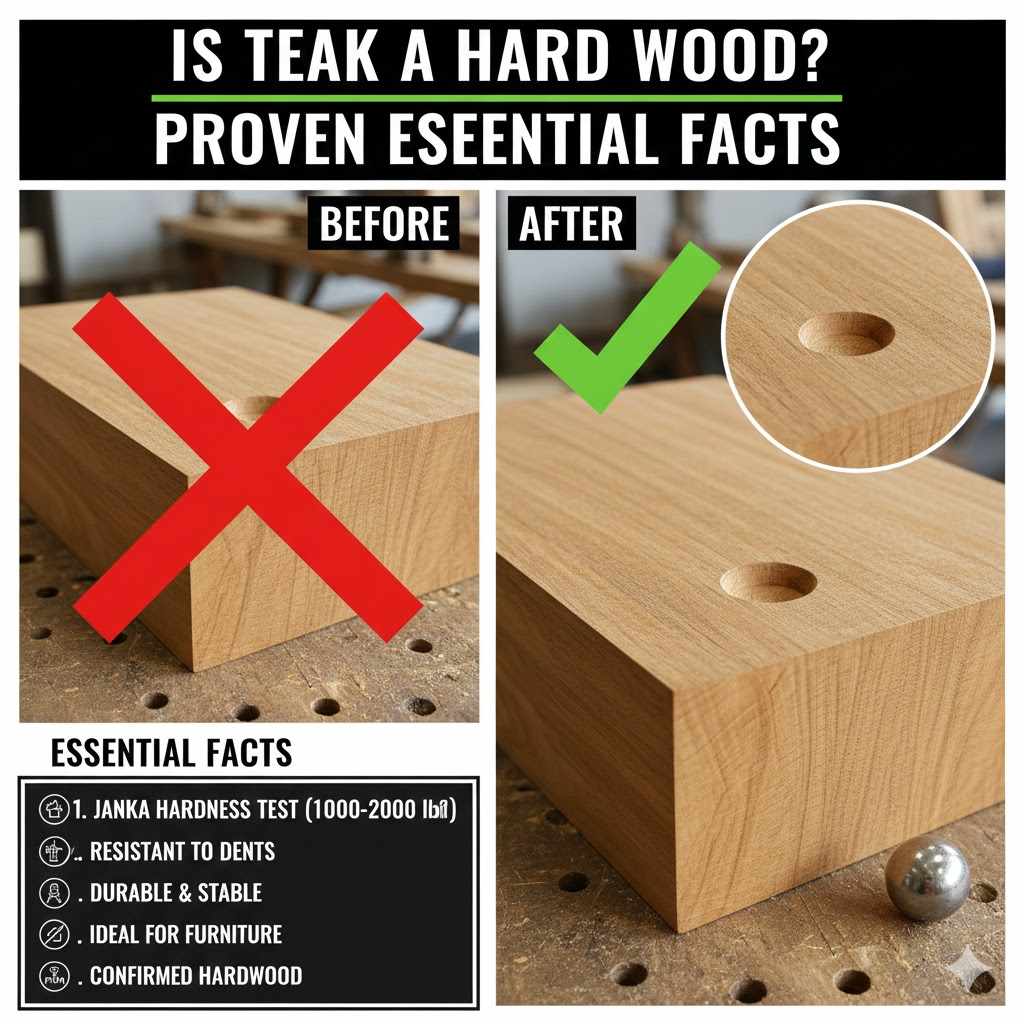
Is Teak A Hard Wood? Proven Essential Facts
Yes, teak (Tectona grandis) is definitively classified as a hardwood. It consistently scores very high on the Janka Hardness Scale, proving its exceptional density, durability, and resistance to wear, moisture, and rot, making it superior for long-lasting outdoor and high-moisture applications.
Welcome to the workshop! I’m Meraj, and I know that choosing the right wood for your project can feel confusing, especially when you hear fancy terms like “hardwood” and “softwood.” If you’re looking at using teak for that outdoor bench or beautiful bathroom cabinetry, you absolutely need to know its strength. Is teak a hard wood? That’s the big question!
Don’t worry, we are going to cut right through the confusion. This isn’t about complicated forest science; it’s about giving you the practical facts so you can build something amazing and durable. We’ll look at exactly where teak stands among other popular woods. Get ready to feel confident about your material choice as we explore the proven facts about teak’s toughness.
Understanding Wood Classification: Hardwood vs. Softwood
Before we declare teak a champion, let’s quickly clear up what “hardwood” actually means. Many beginners think it’s just about how hard the wood feels. It’s actually about the tree it comes from!
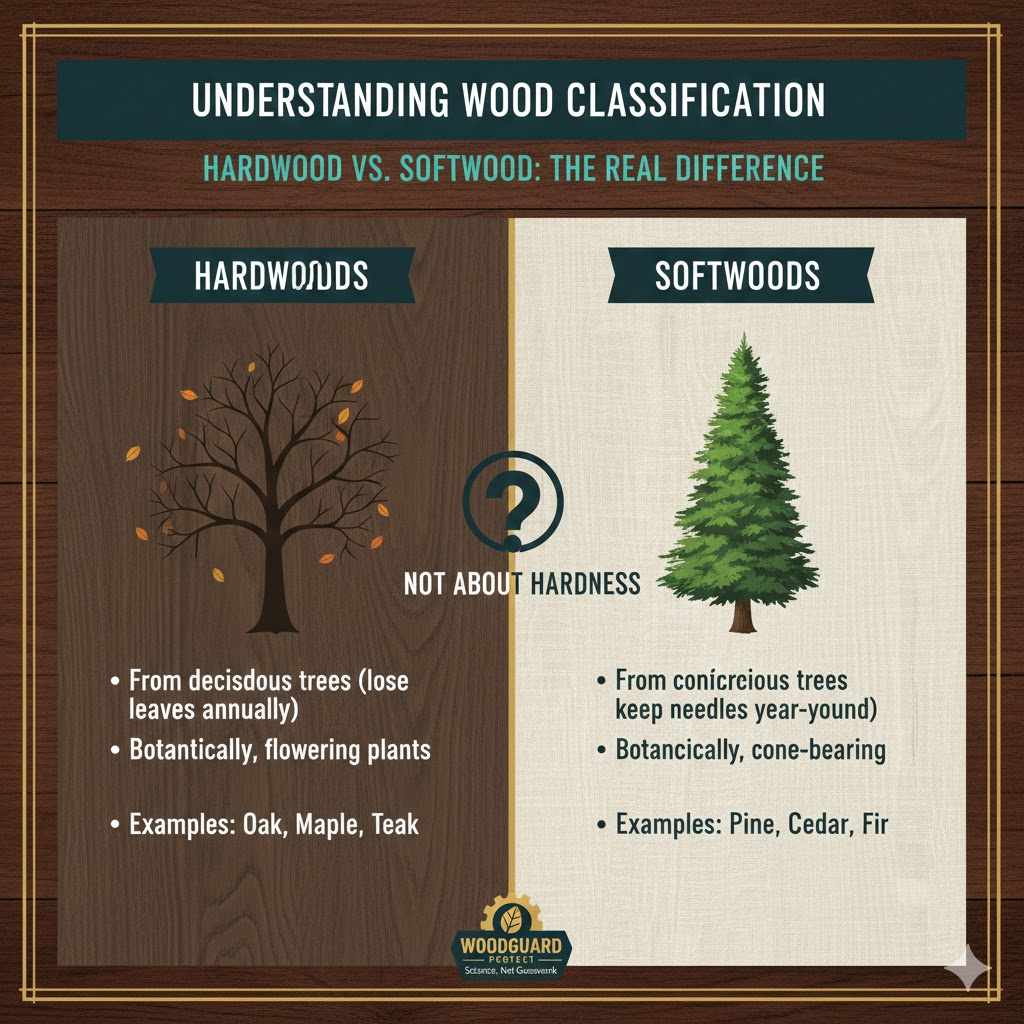
This is the most common misunderstanding in the woodworking world. Hardwoods and softwoods are botanical terms, not necessarily performance ratings. Think of it this way:
- Hardwoods come from deciduous trees—trees that lose their leaves every autumn (like oak, maple, and, yes, teak).
- Softwoods come from coniferous, or evergreen, trees—trees that keep their needles year-round (like pine, cedar, and fir).
So, scientifically speaking, teak is 100% a hardwood because it comes from a flowering, leaf-shedding tree (Tectona grandis). Now that we know the definition, let’s see how it performs compared to those softwoods!
The Definitive Test: Janka Hardness Scale
When woodworkers talk about how “hard” a wood is for building furniture or decking, we don’t just guess. We rely on a scientific test called the Janka Hardness Test. This test is your ultimate answer to whether teak is durable enough for your needs.
What is the Janka Test?
The Janka test measures the force required to embed a steel ball halfway into a piece of wood. The result is measured in pounds-force (lbf) or Newtons. A higher Janka rating means the wood is harder to dent, scratch, or wear down.
This simple number is your best indicator of dent resistance—critical if you plan on building something that will see heavy use, like a picnic table or flooring.
Where Teak Ranks: The Comparison Chart
To show you clearly that teak is a hard wood, let’s compare its Janka rating to some common woods you might already have in your workshop. Remember, the higher the number, the harder the wood!
| Wood Species | Janka Hardness (lbf) | Classification |
|---|---|---|
| Teak | 1000 – 1155 | Hardwood (Durable) |
| White Oak (Very Hard Standard) | 1360 | Hardwood |
| Maple (Hard Maple) | 1450 | Hardwood |
| Douglas Fir (Common Framing Wood) | 660 | Softwood |
| Pine (Southern Yellow Pine) | 690 | Softwood |
| Red Oak (Common Furniture Wood) | 1290 | Hardwood |
Looking at the table, you can see teak fits snugly in the hard wood category. It’s not quite as rock-hard as rock maple or red oak, but it far surpasses common softwoods like pine and fir. For an outdoor wood, this hardness level is phenomenal, especially considering its other weather-resistant traits we’ll cover next.
Proven Essential Facts About Teak’s Durability
Being a hardwood is just the start. Teak earns its legendary reputation because of what it naturally contains. This wood has built-in armor against the elements, which is why shipbuilders have trusted it for centuries. If you are new to woodworking, this natural resistance is a huge time-saver—less sealing and refinishing for you!
Fact 1: Natural Oils Keep Moisture Out
This is teak’s superpower. Teak contains high concentrations of natural rubber and oils, particularly silica. These oils repel water naturally.
For you, the DIY builder, this means:
- Rot Resistance: Water can’t soak in easily, so mold, fungus, and rot struggle to take hold. This is huge if you are building patio furniture or garden beds.
- Warp Prevention: Stable moisture content means the wood expands and contracts much less than untreated wood, keeping your joints tight and straight.
- Finishing Ease: While it’s resistant, you must use the right finishes (oil-based or spar urethane) because those natural oils can make regular paint or glue fail to adhere properly.
The United States Forest Products Laboratory mentions that the high natural oil content contributes significantly to teak’s exceptional decay resistance, especially when used in environments exposed to high humidity or direct contact with water.
Fact 2: High Silica Content Adds Toughness
That high Janka score we mentioned? A lot of that strength comes from silica, which is essentially natural glass embedded in the wood fibers. This makes the wood very strong against physical abrasion—think feet shuffling over an outdoor deck or waves lapping against a boat rail.
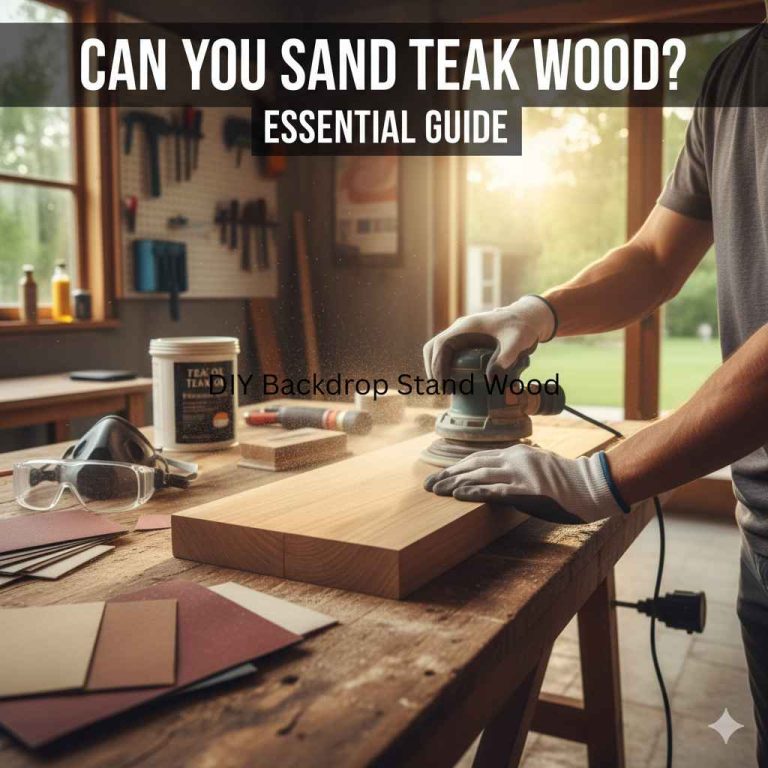
A Word of Caution for Beginners: This silica content, while great for durability, makes teak tougher on your tools. When cutting or routing teak, you need sharp, high-quality blades or router bits. Dull tools will “burn” or splinter the wood easily. Safety first: always wear safety glasses, and sharpen your tools often!
Fact 3: Longevity and Weathering
Because teak is a dense hardwood packed with protective oils, it simply lasts a very long time. Outdoors, most woods will start to fail within 5 to 10 years unless meticulously maintained. Teak, if properly harvested (which is important!), can last decades without rotting.
Over time, teak exposed to the sun will change color. This is called “patina.” It moves from a rich honey brown to a soft, silvery-gray. This silvering does not mean the wood is weak; it’s just the effect of UV rays on the surface oils.
Comparing Teak to Other ‘Hardwoods’ You Might Know
Knowing if teak is a hard wood is useful, but knowing how it compares to the other woods you’ll find at your local lumber yard helps you make decisions for different projects. Here is a breakdown using a standard project requirement list:
| Feature | Teak (Hardwood) | Mahogany (Mid-Range Hardwood) | Cedar (Softwood) |
|---|---|---|---|
| Janka Hardness (lbf) | 1000–1155 | 800–900 | 300–380 |
| Natural Water Resistance | Excellent (High Oil Content) | Good | Good (but susceptible to rot at ground contact) |
| Finishing Needs (Outdoors) | Minimal; Ages to Gray | Requires regular sealing | Requires frequent sealing |
| Tool Wear | High (due to silica) | Low to Medium | Low |
This comparison shows you that teak’s combination of hardness (Janka) AND natural oil protection makes it truly premium. You get a double dose of durability!
How to Identify True Teak for Your Project
Since teak is so popular, many woods are marketed as “teak substitutes.” When you are shopping, you must be certain you are getting the genuine article, especially if you need that reliable hardness and oil content for outdoor work. Remember, the genuine article is Tectona grandis.
Checklist for Verifying Teak Quality
Here are simple things you, as a DIY beginner, can check right at the lumberyard or hardware store:
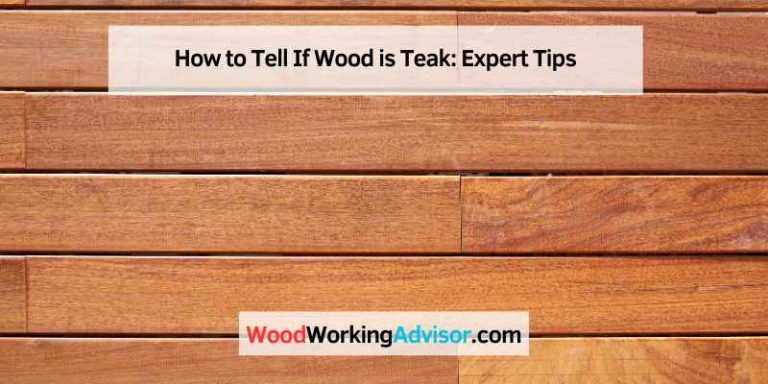
- The Color Test: Freshly cut teak is a uniform, golden-brown to medium-brown color. Avoid pieces with very streaky or light sapwood mixed in heavily, as the heartwood holds the best oils.
- The Smell Test: Genuine teak often has a faint, distinct, rich, leather-like smell when cut or sanded lightly. If it smells bland or like generic pine, it’s likely not true teak.
- Check Density and Weight: Compared to a piece of pine of the same size, a plank of teak will feel surprisingly heavy and dense—a good indication of its high oil and solid structure, confirming its classification as a hard wood.
- Look for Sustainability Certification: Responsible harvesting is key to ethical buying. Look for markings from organizations like the Forest Stewardship Council (FSC), which often deals with ensuring wood quality comes from sustainable, managed hardwood forests. (For more on sustainable wood sourcing, resources from the Forest Stewardship Council can guide you).
If a price seems too good to be true for “teak,” it almost certainly isn’t. Hardwood teak demands a premium price for its unmatched longevity.
Working With Teak: Tips for the Beginner Woodworker
Now that you are confident that teak is a high-performing hardwood, how do you actually cut, join, and finish it without getting frustrated? Teak’s density and oil content mean it requires slightly different handling than softer woods.
Cutting and Shaping Teak
Because of the silica (hardness), your biggest challenge will be preventing dull tools and tear-out. Always make cuts in stages if the piece is very thick.
- Slow and Steady Speed: Use a medium or slightly slower feed rate on the table saw or planer. Too fast, and the wood won’t clear, causing burning.
- Sharp Blades are Non-Negotiable: Invest in carbide-tipped blades, especially for cross-cutting. These stay sharp much longer when running through hard, silica-filled wood.
- Cross-Grain Matters: When planing or jointing, always work with the grain. Since the wood is dense, going against the grain results in terrible chipping or “fuzzy” patches that are very hard to fix later.
Gluing Teak: A Trickier Step
The high natural oils that make teak so weather-resistant also repel most standard wood glues. If you simply apply glue and clamp, your joint will likely fail eventually—a sad day for any new project!
The Essential Step for Gluing Teak: You must prepare the surface. Before applying adhesive, use acetone or mineral spirits to wipe down the joint faces immediately before gluing. This simple cleaning process removes the surface layer of oil that blocks adhesion.
For structural exterior joints, polyurethane construction adhesive (like PL Premium) often works better than standard yellow wood glue. It can handle some residual oiliness better than PVA glues.
Finishing Teak: Keeping the Golden Glow
As established, teak is a hardwood that naturally protects itself. Many people leave outdoor teak projects unfinished to let them weather to that beautiful silver patina. If you want to maintain that warm, golden-brown color:
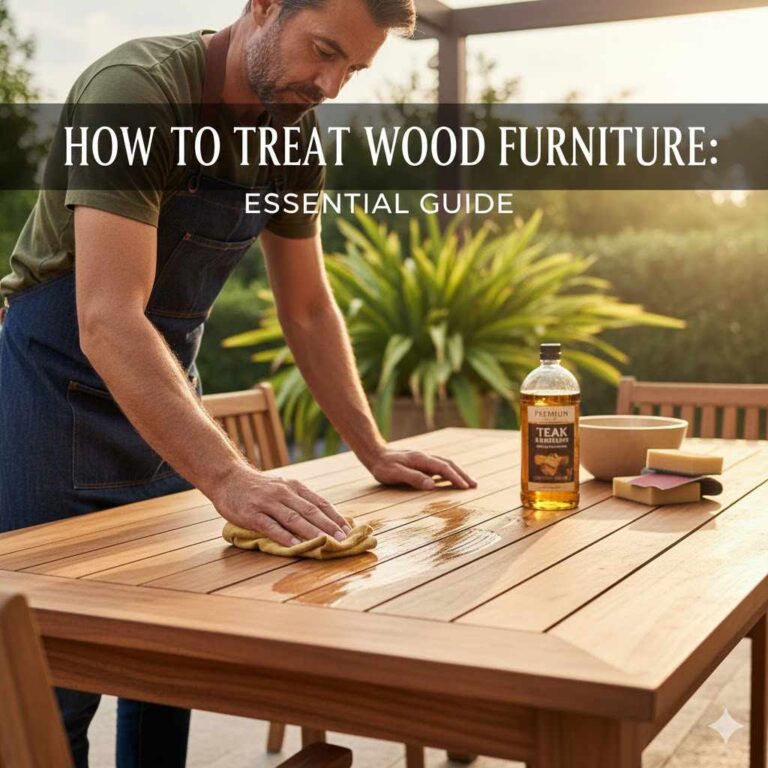
- Use a quality Teak Oil or Tung Oil blend designed specifically for exterior wood. These penetrate the surface and keep the rich color visible.
- Apply the oil outdoors or in a well-ventilated space. Work it into the wood following the manufacturer’s directions.
- Plan on re-oiling at least once a year (or every six months for high-exposure items like Adirondack chairs).
Teak vs. Treated Lumber: Why Pay More?
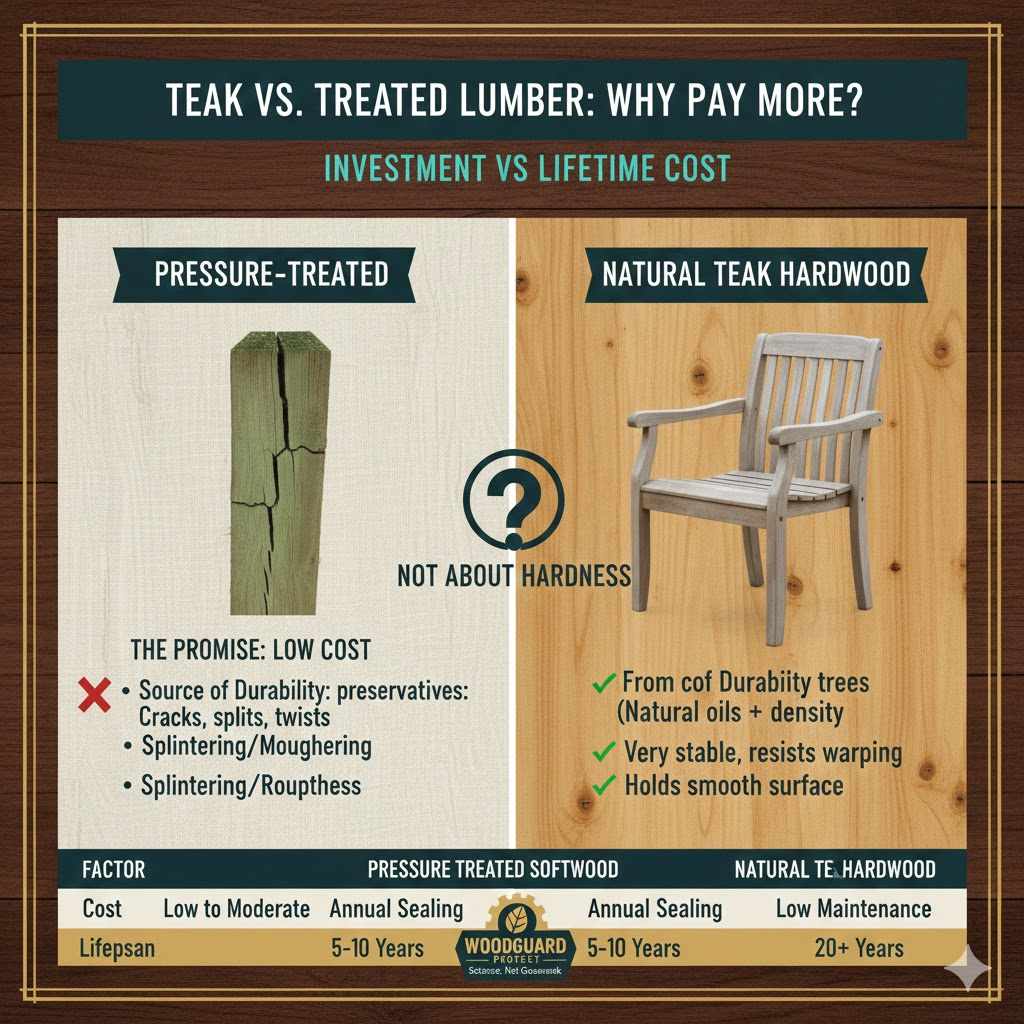
Many DIYers see pressure-treated (PT) pine or fir advertised as “outdoor wood” at a much lower price point than teak. If you’re building a simple fence post, PT pine might be fine. But if you are building something you plan to sit on, eat off of, or keep for 20 years, you need to understand the trade-offs.
Softwood vs. Hardwood Longevity Table
| Factor | Pressure Treated Softwood (PT) | Natural Teak Hardwood |
|---|---|---|
| Source of Durability | Chemical preservative forced into the wood. | Natural oils and density (hardness). |
| Structural Movement | Can crack, split, and twist significantly as it dries out after treatment. | Very dimensionally stable; resists warping and checking. |
| Splintering/Roughness | Prone to raising grain and splintering over time, especially when wet. | Holds its smooth surface integrity much longer. |
| Cost | Low to Moderate | High Premium |
Ultimately, the decision boils down to lifetime cost and perceived quality. Teak is an investment that saves you annual maintenance and replacement costs. It is a hardwood that inherently fights decay, rather than relying on added chemicals.
Frequently Asked Questions (FAQ) about Teak Wood
Is Teak the Hardest Wood in the World?
No. While teak is certainly a hard wood and highly durable, woods like Brazilian Ipe (around 3510 lbf) or Lignum Vitae (over 4500 lbf) are significantly harder on the Janka scale. Teak’s fame comes from its perfect balance of hardness and natural resistance to decay.
If I buy reclaimed teak, is it still considered a hard wood?
Yes. Reclaimed teak comes from old structures like decking or boats. As long as it is genuine teak heartwood, its density and classification as a hardwood remain unchanged, often having become even more stable through years of service.
Can Teak be used inside the house for cabinets?
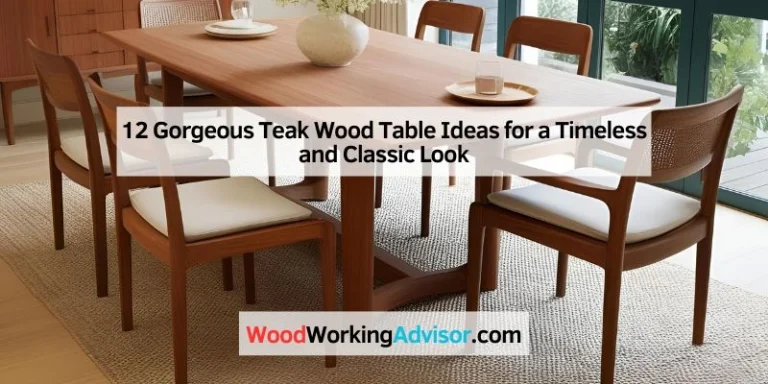
Absolutely! Many high-end interior cabinets and boat interiors use teak. It machines beautifully, resists humidity fluctuations (great for bathroom vanities), and offers a fantastic grain pattern when oiled or clear-coated.
Why does my brand new teak look patchy after one rain shower?
This is normal weathering for an unfinished piece. The areas that look darker or discolored likely absorbed water unevenly due to slight variations in the grain structure. Within a few weeks of repeated wetting and drying cycles, the wood should normalize to a consistent silver-gray patina if left untouched.
Is Teak Eco-Friendly?
This is tricky. Naturally harvested, old-growth teak can lead to deforestation. However, high-quality teak used today is mostly sourced from managed plantations grown specifically for furniture and construction. Always look for FSC-certified plantation-grown teak to ensure your purchase supports sustainable forestry practices.
What should I avoid when sanding Teak?
You should avoid using sandpaper lower than 120-grit for final smoothing, as rougher grits leave deep scratches that the teak oils can struggle to fill in. Also, avoid sanding against the grain direction completely, as this causes severe tearing in such dense wood.
Conclusion: Building Confidence with Hardwood Teak
So, there you have it. We started with a simple question: Is teak a hard wood? The answer is a resounding and scientifically proven yes! Teak earns its title not just because of its density, ranking solidly high on the Janka scale, but because its natural oil content provides superior, long-term protection against water, rot, and insects.
As a beginner builder, understanding that teak is a premium hardwood should give you confidence. Yes, it costs more, and yes, it demands sharp tools, but in return, it promises unparalleled durability for any outdoor project you tackle. Whether you are making a cutting board or building your dream deck, choosing teak means you are selecting a proven, robust material that will stand the test of time, making your hard work last for decades. Now you have the essential facts—go ahead and build something lasting with that incredible wood!